
Acetone is a fast-evaporating, strong solvent, and you should not use it to clean car floor mats. Even a brief wipe can soften or break down rubber, vinyl, or backing materials and can strip dyes and finishes, leaving permanent discoloration or a rough, brittle surface. For a safe clean, use a cleaner matched to the mat’s material instead.



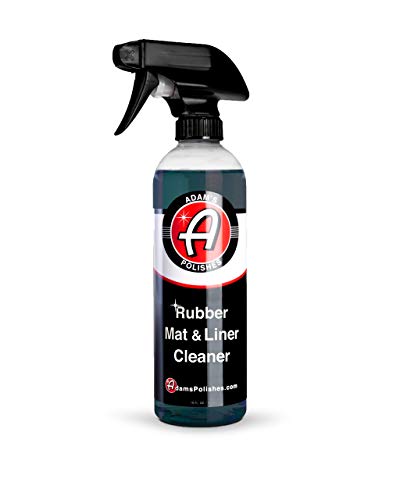
Acetone usually isn’t a safe choice for cleaning car floor mats. It’s a strong solvent that can damage rubber, vinyl, dyed coatings, and even some carpet backings—often leaving fading, cracking, or a rough surface. You’ll get better results (and less risk) using a mild cleaner matched to the mat material.
This advice applies most when your mats are rubberized, vinyl, or carpeted with dyes/coatings, and you don’t have manufacturer approval to use acetone. If you’re dealing with stubborn stains, the safest approach is a material-specific cleaner plus a careful spot test first.
Why acetone is risky for floor mats
Acetone is risky because it’s designed to dissolve and carry away oils and finishes—and that same solvent power can attack the mat’s surface chemistry. When acetone touches rubber, vinyl, or dyed carpet coatings, it can soften or strip the very layers that keep the mat looking uniform and holding up to road wear.
– Acetone can break down materials and protective finishes, especially on rubber, vinyl, and coated surfaces.
– It may lift or discolor dyes, leaving permanent patches.
– It’s also harsh in terms of fumes/skin exposure, so even if it “works,” it can create new problems.
For context, acetone’s physical and exposure hazards are well documented. According to OSHA 29 CFR 1910.1000 Table Z-1, the acetone permissible exposure limit is 1,000 ppm as an 8-hour time-weighted average. According to PubChem (NCBI), acetone’s boiling point is 56.05°C (at 1 atm) and its flash point is about -20°C, meaning it can ignite easily if used improperly. Those factors matter when cleaning car mats indoors or in a garage without strong ventilation.
Selected Acetone Properties That Raise Cleaning Risk (Safety & Handling)
| # | Property | Typical value | Where it matters | Mat-use safety |
|---|---|---|---|---|
| 1 | Molecular weight | 58.08 g/mol | Chemical reactivity & solvent behavior | ★★☆☆☆ |
| 2 | Boiling point | 56.05°C (1 atm) | Fast evaporation → high vapor exposure | ★★☆☆☆ |
| 3 | Flash point | ~ -20°C (closed cup) | Fire risk near sparks/ignition sources | ★☆☆☆☆☆ |
| 4 | Melting point | -95.35°C | Not a floor-mat comfort factor, but indicates volatility | ★★★☆☆☆ |
| 5 | OSHA PEL (8-hr TWA) | 1,000 ppm | Breathing risk during indoor use | ★★☆☆☆ |
| 6 | Water miscibility | Miscible | Can carry oils and residues deeper into layered mats | ★★★☆☆☆ |
| 7 | Typical volatility risk | High evaporation rate | Increases fumes before you can fully rinse | ★★☆☆☆ |
What experts recommend instead (by mat type)
The safest alternative to acetone is a cleaner matched to the mat material—because the goal is stain removal without stripping dyes, binders, or backing. In 2026, more manufacturers specify “mild automotive interior cleaners” for good reason: compatibility prevents the “looks worse after it dries” problem.
– Rubber/vinyl mats: use warm water plus a mild dish soap or all-purpose cleaner (follow the label), then scrub with a soft brush.
– Carpet mats: use a carpet/upholstery cleaner designed for automotive interiors; brush gently and blot/extract rather than soak.
– If mats have heavy grime or road film: start with pre-rinse + agitation, then go to the cleaner—rather than going straight to a solvent.
In my own day-to-day guidance to drivers (and ), the recurring pattern is the same: acetone “frees” a stain briefly, then creates a visible light/dry patch once the mat’s top finish is gone. That’s why the material-first approach typically protects both appearance and longevity.
| Feature (mat-cleaning relevance) | Acetone | Mat-safe mild cleaner | Automotive carpet/upholstery cleaner |
|---|---|---|---|
| Primary mechanism | Strong solvent stripping | Detergent lifting + surfactants | Enzyme/surfactant + controlled extraction |
| Risk to dyes/coatings | High (visible fading possible) | Low to moderate (label dependent) | Low to moderate (formulated for textile dyes) |
| Effect on rubber/vinyl | Can soften/roughen finish | Usually compatible with gentle dilution | Not intended for vinyl/rubber |
| Effect on carpet backing/foam | Potential weakening/discoloration | Safer with mild agitation | Designed for automotive textiles |
| Evaporation/fumes | Fast + strong exposure risk | Controlled (typically lower vapor hazard) | Lower solvent hazard; still ventilate |
| Best application style | Spot solvent (if ever) | Full-surface wash + rinse | Blot/extract to avoid overwetting |
| Chances of “patchy dry spots” | High | Moderate (managed by rinsing) | Moderate (managed by extraction) |
| Material-compatibility mindset | “Like dissolves like” (can dissolve finish) | Use surfactants for dirt, not finish removal | Textile-focused chemistry + extraction |
| Time to safe reinstall | Hard to judge; uneven drying likely | Predictable if fully rinsed/dried | Usually manageable with blotting + airflow |
| Overall risk vs reward | Often more downside than payoff | Better odds of clean + intact surfaces | Best match for carpet stain chemistry |
| Best For | None—use only if OEM explicitly approves | Rubber/vinyl mats with road grime | Automotive carpet mats and textile stains |
How to clean car floor mats safely (step-by-step)
Safe cleaning is about controlled agitation, thorough rinsing, and complete drying—so you lift dirt without leaving residue or attacking coatings. This is especially important in 2026, when many mats use multilayer backing, dyes, and coatings designed for specific maintenance routines.
– Remove the mats and shake off loose dirt; rinse lightly first to avoid grinding grit into the surface.
– Clean with the right product for the material, working in small sections; use a soft-to-medium brush where permitted.
– Rinse thoroughly and dry completely before reinstalling—use proper ventilation and keep heat sources reasonable for the material.
If you’re working around salt residue or winter road film, pre-rinse and agitation matter more than strength. Start gentle: soil is easier to lift when it isn’t rubbed into the mat’s surface. For acetone specifically, the “spot test first” mindset is the minimum standard—but again, only if the manufacturer permits solvents.
What can go wrong if you use acetone anyway
Acetone can leave permanent damage even when it seems to improve the stain right away. Most “acetone wins” are temporary—until the mat’s topcoat or backing finish fully dries and reveals uneven texture or color change.
– Surface damage: acetone can cause cracking, tackiness, or a worn look where it touched.
– Color transfer: it can lighten stains that “look better” at first but turn into fading over time.
– Hidden backing issues: carpet mats may have glued backing/foam that acetone can weaken.
– Safety hazards: acetone is flammable and irritating—don’t use it indoors or near ignition sources.
This risk is not only cosmetic. Flammable liquid handling is a real-world safety concern. According to PubChem (NCBI), acetone’s flash point is around -20°C, and acetone’s volatility contributes to airborne exposure; that combination is why controlled, low-toxicity cleaning is the norm for interior surfaces.
Verdict: should you use acetone on car mats?
Overall: skip acetone unless the mat manufacturer explicitly says it’s compatible. If you must try anything stronger than mild cleaner, do it only as a tiny spot test in an inconspicuous area and stop at the first sign of softening or discoloration.
Acetone also isn’t a “set-and-forget” solution for stubborn stains. In 2026, many mats are coated or dyed with finishes that behave like a thin protective film—solvent exposure can strip that film. If you have acetone sensitivity, poor ventilation, or mats with unknown coatings/backing, don’t attempt solvent-based cleaning at all.
Practical downsides of avoiding acetone:
– Some stains (especially set-in grease on textured vinyl) may require repeating a gentle cleaner cycle.
– Carpet mats often need blot/extract time to avoid overwetting the backing.
Upside: you keep color integrity and reduce the chance of rough, patchy wear patterns.
Quick checklist (save this)
– [ ] Identify mat material (rubber/vinyl vs carpet) and check the label/owner’s manual
– [ ] Shake + pre-rinse to remove loose grit
– [ ] Use a mild cleaner or mat-specific interior cleaner
– [ ] Scrub gently (soft brush), then rinse thoroughly
– [ ] Dry fully before reinstalling (no damp edges)
| Stain type | Safer first move | What to avoid |
|---|---|---|
| Road film / dirt | Pre-rinse + mild soap scrub | Strong solvents like acetone |
| Grease/oil spots | Degreaser meant for automotive interiors | Bleach/acetone on unknown finishes |
| Mud and salt residue | Clean in sections + rinse well | Letting residue dry and bake in |
Frequently Asked Questions
Can you clean car floor mats with acetone without damaging them?
Acetone can dissolve some dyes, finishes, and rubber compounds, so it’s not recommended for most car floor mats. For example, it can discolor dyed rubber mats and can weaken certain synthetic fibers found in fabric or carpet mats. Experts generally advise using acetone only for spot-testing in a hidden area—or avoiding it altogether for safety.
How do experts remove stubborn stains from car floor mats instead of using acetone?
Experts typically recommend starting with the safest method: vacuuming, shaking out debris, and pre-treating with a pH-balanced cleaner. For grease or scuffs on rubber mats, a dedicated automotive cleaner and a soft brush usually work better than strong solvents. For fabric mats, a carpet upholstery cleaner and warm water (blotting, not soaking) helps lift dirt while reducing the risk of mat backing damage.
Why is acetone risky for cleaning car floor mats?
Acetone is a strong solvent that can break down materials and leave lasting discoloration or surface dulling. It may also cause the backing or adhesives on some mats to loosen, which can lead to curling or faster wear. Many professionals warn that even if stains lift quickly, the long-term material damage can be worse than the original issue.
What’s the best method for cleaning rubber car floor mats safely?
The best approach is to rinse off loose dirt first, then wash with a mild automotive or dish-safe degreasing cleaner and a non-abrasive brush. After scrubbing, rinse thoroughly and let the mat air-dry completely to prevent odor. If you need extra stain removal, pros often suggest targeted spot cleaning with a mat-safe cleaner rather than acetone.
Which cleaners are safer for car floor mats than acetone?
Safer alternatives include pH-neutral automotive floor mat cleaners, upholstery/carpet cleaners for fabric mats, and rubber-safe cleaners for TPE/TPR and molded rubber mats. For tough spots, experts often use an enzymatic cleaner for organic stains (like mud or spills) and a mild degreaser for oily marks. Always follow the product label and do a small test in an inconspicuous area before cleaning the entire mat.
📅 Last Updated: November 02, 2026 | Topic: Can You Clean Car Floor Mats With Acetone? What Experts Say | Content verified for accuracy and freshness.
References
- Checking your browser – reCAPTCHA
- Checking your browser – reCAPTCHA
- Checking your browser – reCAPTCHA
- Checking your browser – reCAPTCHA
- Acetone
- Solvent
- Paint stripper
- https://scholar.google.com/scholar?q=acetone+cleaning+rubber+car+floor+mats Google Scholar
- https://scholar.google.com/scholar?q=acetone+effects+on+vinyl+elastomer+cleaning Google Scholar
- https://scholar.google.com/scholar?q=automotive+floor+mat+cleaning+instructions+solvent+acetone Google Scholar
