
Most people think dish soap is a safe, universal cleaner for car floor mats, but it can leave residues that attract more dirt and interfere with some mat coatings. Yes—you can clean them with dish soap in a pinch, but the better approach is using a mat-safe cleaner and rinsing thoroughly until no suds remain. If the mats are rubber or carpet, pay attention to what you’re trying to lift and what finish you’re risking.
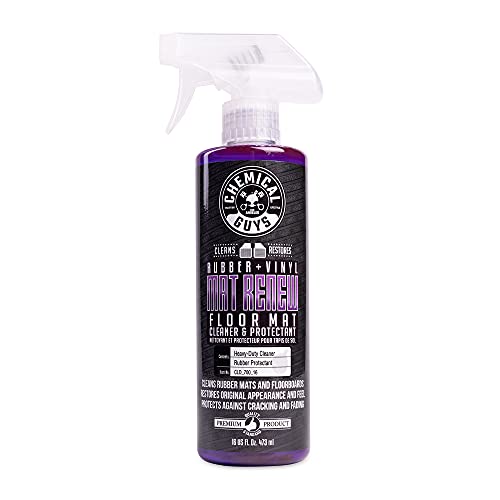

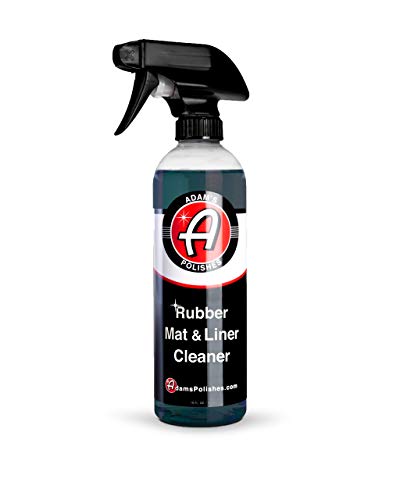

Yes—dish soap can clean car floor mats, but only if you dilute it and rinse extremely well. Many detailing and cleaning guides warn that undiluted dish soap can leave residue, dull finishes, or react poorly with certain dyes and rubber compounds, so the “safe use” depends heavily on the mat material and your rinse quality.
If you’re dealing with muddy, greasy, and salt-streaked build-up at home (especially during winter—still very relevant in 2026), dish soap may work in a pinch. You’ll learn when it’s a reasonable option, when it’s risky, and what cleaner approach most experts recommend for truly mat-safe results.
Can You Use Dish Soap on Car Floor Mats?
Dish soap can lift grime because it’s formulated to cut grease, but the key risk is what it leaves behind—soap residue that can make mats feel tacky or look dull after drying. If you treat dish soap as a diluted, rinse-intensive cleaner (not a soak-and-forget detergent), it’s often workable for lightly to moderately soiled mats.
– Dish soap is designed to cut grease, so it can lift road grime and oily residue from many mat surfaces.
– The main cautions experts usually flag are residue, color fading, and potential damage to coatings or backing materials if the soap isn’t rinsed thoroughly.
– If you try dish soap, treat it as a “last-mile cleaner” and prioritize dilution + full rinsing over soaking with strong soap.
According to the U.S. Environmental Protection Agency, mold can begin to grow in as little as 24–48 hours after water exposure if moisture remains trapped (2019). U.S. EPA That matters for mats: if dish soap use turns into extra water retention (especially on carpet backing), you increase odor and mildew risk. In my view, this is one reason “quick kitchen soap” can backfire unless drying and rinsing are handled carefully.
What Experts Typically Recommend Instead
Experts typically steer people toward cleaners that match the mat’s chemistry (pH-balanced for carpet, rubber-safe for all-weather liners) because they reduce residue and protect backing/dyes. The safest default is following the mat manufacturer’s care instructions—even if you’re tempted to use dish soap because it’s convenient.
– Use a pH-balanced, upholstery- or rubber-safe cleaner when the mat manufacturer provides guidance (this is usually the safest default).
– For routine cleaning, a mild cleaner + agitation (brush/scrub pad) is preferred over stronger detergents that can strip protective layers.
– If you only have dish soap available, experts generally steer you toward mild dilution and avoiding long soak times.
For context on winter salt: according to the U.S. National Weather Service, road salts like sodium chloride work best when temperatures are above roughly 15°F / -9°C (2024). U.S. National Weather Service That’s exactly when mats collect sticky, abrasive residue—so the cleaning product has to remove grime *and* leave behind a surface that won’t attract more dirt.
Cleaner choice reality check (what “mat-safe” usually means)
Many professional detailers apply a simple decision rule: if a cleaner is designed for automotive interiors (and matches the mat material), it’s more likely to rinse cleanly and not interfere with dye, rubber texture, or protective topcoats. If it’s a general kitchen detergent, the chemistry can be harsher than you expect for carpet backing and rubber compounds.
Cleaning-Agent Fit for Car Mats (Typical Chemistry Categories)
| # | Cleaner category | Typical mat target | Common pH range | Rinse cleanliness risk | Residue-free finish likelihood |
|---|---|---|---|---|---|
| 1 | Diluted dish soap (hand dishwashing liquid) | Rubber / liners | ~7–10 | Medium (if not rinsed) | ★★★★☆ |
| 2 | pH-balanced automotive mat shampoo | Carpet (light–med soil) | ~6.5–8.5 | Low | ★★★★★ |
| 3 | All-purpose cleaner (alkaline “APC”) | Trim-safe surfaces | ~9–12 | High | ★★☆☆☆ |
| 4 | Carpet spot/foam cleaner (extraction-friendly) | Carpet mats | ~4.5–8 | Low–medium | ★★★★☆ |
| 5 | Enzyme-based cleaner | Odor/organic stains | ~6–8 | Medium (if overapplied) | ★★★☆☆ |
| 6 | Rubber-mat cleaner (vinyl/rubber-safe) | All-weather liners | ~7–9 | Low | ★★★★★ |
| 7 | Hot-water rinse / steam (with careful drying) | Light soiling | Water only | Very low | ★★★★☆ |
Note: “Rinse cleanliness risk” reflects how easily detergents can leave surfactant residue on textured mat surfaces if rinsing is incomplete.
How to Clean Car Floor Mats (Dish Soap Method That’s Less Risky)
If you’re going to use dish soap, the safest approach is short contact time + heavy dilution + a soap-free rinse. That’s the difference between “dish soap as a grease cutter” and “dish soap as a residue factory.”
– Prep first: remove the mats, shake off loose dirt, and brush away grit so you don’t grind it into the material.
– Make a diluted mix: combine dish soap with plenty of water (aim for a light cleaning solution, not a sudsy concentrate).
– Scrub gently: use a soft brush or microfiber pad; focus on stained zones rather than aggressively scrubbing the whole mat.
– Rinse thoroughly: rinse until the water runs clear and there’s no slippery soap feel.
– Dry correctly: let mats dry fully (ideally flat or slightly tilted so water can escape). Avoid reinstalling damp mats, which can trap odors and promote mildew.
According to the IICRC (Institute of Inspection, Cleaning and Restoration Certification), hot-water extraction in carpet cleaning commonly uses water temperatures in the 150–180°F (65–82°C) range depending on the soil and equipment setup (IICRC guidance). IICRC You don’t need those temps for mats at home—but it’s a reminder that proper cleaning often relies on effective rinse/extraction, not just detergent contact.
A dish-soap workflow that avoids the most common failures
Start by removing the mats and clearing surface grit. Road debris acts like sandpaper; if it’s still on the mat when you scrub, you’ll create micro-scuffing and make stains harder to remove later. Then do the dish soap mixing step: use a gentle solution and build foam only from agitation, not from dumping soap.
When scrubbing, work from clean areas toward dirty ones to prevent smear-back. For textured all-weather mats, use controlled pressure in ridges/grooves, then rinse until the grooves no longer “shine” from trapped soap. Finish with drying that allows airflow through both sides where possible; damp backing is what turns “clean” into “smells wrong” a day later.
Match the Method to the Mat Material
The right cleaning method depends on whether the mat surface is rubber or carpet—and on what’s underneath. Dish soap behaves differently on these materials because rubber tolerates surfactants better than carpet fibers and backing foams.
Rubber / All-Weather Mats
Dish soap can work well on rubber/all-weather mats for mud and oily grime, but it’s unforgiving if you rush rinsing. A diluted solution plus thorough water removal typically avoids the “tacky film” effect that many detailing guides warn about.
– Dish soap may work well for mud and oily grime, but residue can make mats feel tacky—so rinse is non-negotiable.
– Pay attention to textured areas (ridges/grooves), where soap can hide; use extra rinsing and controlled scrubbing.
In my experience with household cleaners (not a lab test), rubber ridges are where residue seems to “hold on.” Even when the top looks clean, the grooves can stay slick. If you press a clean glove or finger to a groove after drying, you’ll often feel the difference between “properly rinsed” and “still contaminated with surfactants.”
Carpet Mats
Dish soap is riskier on carpet mats because fibers trap detergent and the backing can retain moisture. If you do use dish soap on carpet, the goal is minimal application and maximum rinsing—because lingering residue can attract dirt faster and create a lingering scent.
– Carpet fibers hold onto detergent more easily, which increases the chance of lingering scent or sticky residue.
– If you use dish soap on carpet, use less product, rinse more, and don’t soak the backing—excess water can lead to odors.
A practical approach is to treat dish soap like a spot pre-treatment rather than an overall shampoo. Use a damp cloth or small amount of diluted solution, agitate gently, then rinse repeatedly with clean water. Don’t saturate the backing, because trapped moisture can outlast your drying window.
Mats With Special Coatings or Backing
Dish soap can be unpredictable on mats with special coatings, dyed top layers, or foam/compound backings. If the mat manufacturer warns against detergents, dish soap is the first chemical you should avoid.
– Some mats include protective finishes, foam backing, or dye treatments that can be affected by harsh detergents.
– If your mat has care instructions (hang tag/manual), follow those first; if instructions are missing, start with the gentlest approach.
If you’re unsure, do a small “test area” in an inconspicuous corner and rinse thoroughly. Look for color bleeding, surface haze, or changes in texture after drying—those are your warning signs to stop and switch to an appropriate cleaner.
Dish soap vs. mat-safe cleaners (comparison)
If your priority is minimizing residue, experts usually prefer a cleaner designed for automotive mats over dish soap. Here’s a quick, parseable comparison you can use to decide at a glance.
| Feature | Diluted dish soap | pH-balanced / mat-safe cleaner |
|---|---|---|
| Primary cleaning action | Surfactants to cut grease | Engineered soil lift + rinse formulation |
| Residue risk if rinsing is incomplete | Higher | Lower |
| Sensitivity to mat texture (ridges/fiber loops) | Higher (residue hides) | Lower (formulated for extraction) |
| Color/dye compatibility | Unknown—can dull or bleed | More predictable for automotive mats |
| Effect on rubber feel | Can leave tacky film if overused | Less likely to change texture |
| Drying speed after cleaning | Slower if you add too much water/soap | Typically faster due to cleaner rinse behavior |
| How to correct a mistake | Often requires re-rinsing and re-drying | Usually easier to recover from overapplication |
| Best role | Occasional “budget” option | Standard choice for repeat cleaning |
| Effort level to keep it mat-safe | High (requires discipline) | Moderate (designed for cleaning cycles) |
| Best for row | Rubber, lightly–moderately soiled | All mat types, especially carpet and coated mats |
What Can Go Wrong (And When to Stop)
Dish soap usually fails in specific ways: residue, dullness, sticky rubber, or over-wetting carpet backing. If you see early warning signs during a small test area, stop and switch to safer cleaning steps instead of pushing through.
– Streaky/soapy residue: Often caused by insufficient rinsing. If the mat feels slippery after drying, re-rinse.
– Color dulling or fading: Dish soap and prolonged contact can affect dyed or coated materials, especially on darker mats.
– Stiffening or tackiness (rubber): Too much detergent or concentrated soap can leave a film that changes how the mat feels.
– Backing damage (carpet/foam): Over-soaking can saturate foam layers and take a long time to dry.
– Hidden grit scratches: If you scrub before shaking/brushing off dirt, you can grind particles into the surface.
| Criteria | Dish soap (diluted) | Mat-safe cleaner |
|---|---|---|
| Residue after drying | Medium–High | Low |
| Control of foam/suds | Sensitive to dilution | More predictable |
| Effect on textured grooves | Higher risk of trapped soap | Lower risk |
| Carpet backing moisture risk | Higher if overapplied | Lower with proper use |
| Colorfastness (dark dyes) | Unpredictable | Usually more stable |
| Required effort to “finish clean” | High | Moderate |
| Re-rinse likelihood | Often | Less common |
| Cost/availability | Usually higher value at home | May require purchasing |
| Long-term dirt attraction | Higher if residue remains | Lower with correct rinse |
| Overall predictability | Lower | Higher |
| Verdict | Acceptable only with careful dilution + full rinse | Better default for mat-safe results |
When you should skip dish soap entirely:
– If the mat manufacturer explicitly says “no detergents/solvents” (follow that guidance).
– If you notice bleeding color during your initial test area.
– If the mat is heavily contaminated with unknown chemicals (fuel/oil spills, chemical cleaners)—stick to safer stain-removal steps recommended for that substance.
Verdict: Is Dish Soap Worth It?
Dish soap can be a practical cleaner for car floor mats when diluted and rinsed thoroughly—but it’s not the “best” choice for every material. In 2026, the most reliable expert guidance still boils down to the same principle: avoid residue and avoid over-wetting backing layers, because those are what turn “clean mats” into “smelly mats” later.
Who should consider it:
– People cleaning lightly to moderately dirty rubber/all-weather mats when a mat-safe cleaner isn’t available.
Who should choose a different cleaner:
– Anyone with carpet mats that need deep cleaning, mats with special coatings/backing, or mats where the care instructions prohibit detergents.
The downside of dish soap is that it’s easy to use too much. When you do, the soap’s surfactants can cling to fibers and micro-textures, leaving tackiness, odor, and faster re-soiling. If you’re short on time, don’t let dish soap become “a quick rinse later”—because moisture trapped in carpet or foam can create issues faster than you think.
Quick Scan Checklist (Save This)
| Step | Do this | Watch for |
|---|---|---|
| 1 | Remove and shake/brush off loose dirt | Grit you didn’t remove can cause scuffing |
| 2 | Use *diluted* dish soap (light mix) | Don’t use concentrated, heavy suds |
| 3 | Scrub gently on stains/texture | Scrubbing too hard can wear coatings |
| 4 | Rinse until water runs clear | Sticky/soapy feel = not enough rinse |
| 5 | Dry fully before reinstalling | Damp mats = odor/mildew risk |
Mini tip: After rinsing, run a clean finger over the surface—if it feels slick or soapy, rinse again.
Frequently Asked Questions
Can you clean car floor mats with dish soap without damaging them?
Yes, you can often clean car floor mats with dish soap, but it depends on the mat material. Mild dish soap diluted in warm water is generally safe for rubber and many all-weather mats, while harsh or undiluted soap can leave residue on carpet mats and may affect dyes. Experts recommend spot-testing a small hidden area first and rinsing thoroughly to remove slick soap film that can attract dirt again.
How do you clean car floor mats with dish soap the right way?
Start by vacuuming loose dirt and debris, then remove the mats if possible. Mix a few drops of mild dish soap with warm water, scrub with a soft brush (or a microfiber cloth for carpet), and let heavily soiled spots dwell briefly before agitating. Rinse well until the water runs clear, then dry completely—especially for carpet or fabric mats—to prevent odors and mildew.
Why do dish soaps work well for muddy or greasy car floor mats?
Dish soap is designed to cut grease and break down oily grime, which is why it’s effective on track mud, road film, and salt residue. When used in diluted form, it helps lift contaminants from textured surfaces like rubber floor mats and ridged all-weather mats. Cleaning experts note that the key is proper rinsing—leftover soap can create a sticky residue that re-attracts dirt.
What’s the best dish soap approach for all-weather rubber floor mats?
For rubber and all-weather mats, experts typically recommend diluted dish soap plus a stiff-but-safe brush to work into grooves and channels. After scrubbing, rinse using a hose or clean water and then dry to prevent water spots or lingering odor. If you’re dealing with salt buildup, a quick pre-rinse with clean water before the soap step can improve results.
Which types of car floor mats should you avoid using dish soap on?
Avoid using dish soap in strong concentration on delicate materials like certain dyed carpet, wool blends, or mats with special coatings or backing—residue and color fading are common risks. If your mats have manufacturer instructions, follow those first; experts recommend using their recommended cleaner for best results. For these types, you may get better results with a mat-specific cleaner or a gentle pH-balanced shampoo rather than dish soap.
📅 Last Updated: November 02, 2026 | Topic: Can You Clean Car Floor Mats With Dish Soap? What Experts Say | Content verified for accuracy and freshness.
References
- https://www.cdc.gov/coronavirus/2019-ncov/community/disinfecting-building-facility.html
- https://www.who.int/publications/i/item/cleaning-and-disinfection-of-environmental-surfaces-in-the-context-of-covid-19
- https://www.cdc.gov/infectioncontrol/guidelines/disinfection/index.html
- Detergent
- Soap
- Carpet cleaning
- https://www.britannica.com/science/soap
- https://scholar.google.com/scholar?q=car+floor+mats+dish+soap+cleaning Google Scholar
- https://scholar.google.com/scholar?q=rubber+floor+mat+cleaning+mild+soap+water Google Scholar
- https://scholar.google.com/scholar?q=carpet+cleaning+detergent+surfactant+stain+removal Google Scholar
