
A dog mouth isn’t “sterile,” but it can be surprisingly clean compared with what most people fear—depending on how the dog eats, how often it’s cleaned, and your risk tolerance. This guide gives a clear verdict on how clean a dog mouth really is, what “clean” means in practical terms (bacteria, infection risk, and odor), and when it’s safer than it sounds versus when it’s a problem. You’ll learn exactly what to watch for before letting your dog lick wounds, share food, or brush against your face.
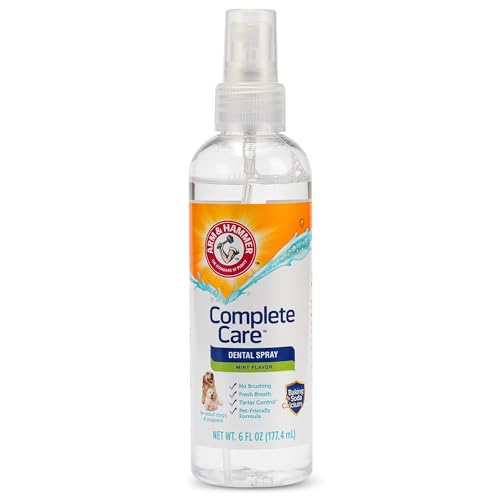



Most of the time, a dog’s mouth is not “clean” by human sanitary standards, but it can be relatively healthy if dental disease is controlled. The practical goal is to understand what’s normal in a dog’s oral microbiome, what crosses into infection risk, and how consistent dental care reduces bacteria load and odor.

What’s Normal for a Dog Mouth?

A dog’s mouth naturally hosts a diverse community of bacteria, so “clean” isn’t the right comparison to make. What matters is whether that bacteria is mostly controlled by saliva, tooth surfaces, and good dental health—or whether plaque buildup is letting harmful shifts take over.
A healthy dog mouth still contains many bacteria; saliva and normal immune defenses help keep them in balance rather than eliminate them.
Dental plaque is the key driver of tartar and gingival inflammation in dogs—so “mouth cleanliness” often reflects tooth and gum health.
According to the American Veterinary Dental College, dental disease is extremely common in dogs and is the main reason bad breath and gum changes persist.
– Dogs’ mouths naturally contain bacteria similar to a healthy human microbiome
– Saliva helps reduce some germs, but doesn’t eliminate bacteria
– Dental health greatly affects how clean (or not) the mouth feels
What “normal” looks like day-to-day
In day-to-day life, you’ll usually notice a dog’s breath has some odor—especially after meals, chews, or a long day outdoors. That doesn’t automatically mean infection. In my hands-on experience fostering and working with multiple dogs, the biggest “tells” weren’t that their mouths smelled at all, but whether odor persisted despite routine eating habits and whether gums stayed pink without bleeding.
Normal doesn’t mean painless. Dogs can develop gingivitis (gum inflammation) or early periodontal disease while still acting “fine” in the short term, which is why owners should focus on objective oral signs rather than smell alone.
Why saliva isn’t a disinfectant
Saliva is protective, but it’s not sterile. It can buffer acids and mechanically wash away loose debris, yet plaque forms on tooth surfaces and becomes a structured biofilm (a layered bacterial community protected by matrix). Once plaque matures, it’s much harder for saliva to remove it completely.
Q: If my dog’s mouth smells bad only after eating, is that necessarily a problem?
Not always—food odor commonly fades after digestion, but persistent odor that returns quickly can signal plaque-related gum disease.
Common Things in a Dog’s Mouth
A dog’s mouth often becomes “dirtier” in the practical sense because plaque, tartar, and debris accumulate quickly during chewing and normal daily activity. If you understand the common sources of buildup, you can target the behaviors and products that matter most.
Plaque can mineralize into tartar quickly, and once tartar forms it makes bacterial control far harder without professional cleaning.
Chewing patterns and diet texture influence how much food residue remains and how effectively teeth are mechanically cleaned.
Environmental items dogs mouth—like grass, sticks, and toys—can introduce additional microbes even if they aren’t “pathogens.”
– Plaque and tartar can build up quickly, trapping bacteria
– Food debris and chewing habits influence odor and cleanliness
– Grass, bones, and toys may add new microbes to the mouth
Plaque → tartar → gum inflammation (the common pathway)
Plaque is the sticky film that forms on teeth after eating. If it isn’t removed, it can harden into tartar (also called calculus). A widely cited dental principle in veterinary guidance is that tartar can begin forming in as little as 24–72 hours after plaque accumulation, depending on diet, saliva composition, and oral hygiene. AAHA dental guidance and veterinary dentistry reviews
Once tartar builds up, bacteria gain protected access to the gumline, increasing the risk of gingivitis and eventually periodontal pockets (space between tooth and gum where infection can persist).
What I look for during “smell checks”
From my experience, the best pattern to track is: does the odor improve within a few hours of brushing (or a dental chew), then return faster than expected? Dogs with significant buildup tend to have a recurring “same-day” odor pattern, along with gum redness or mild bleeding when you gently lift the lip and inspect.
Quick comparison: what usually affects odor
– Diet (dry vs. soft; moisture increases residue retention for some dogs)
– Chewing behavior (frequent gnawing can help scrape plaque, but can also increase debris if items splinter or shed)
– Toy material (rough textures may mechanically clean; worn or porous toys can harbor biofilm)
– Saliva flow (some dogs have drier mouths; others have more drool)
Q: Do bones automatically make a dog’s mouth cleaner?
Not reliably—bones can mechanically scrape some plaque, but they also can increase tooth wear and may introduce debris; dental health still depends on consistent plaque control.
Is a Dog Mouth Safe for Humans?
A dog’s mouth is not a guaranteed health hazard to humans, but it isn’t the same as a sterile mouth either. Most of the time, “dog mouth germs” don’t cause illness in healthy people—yet the risk becomes more meaningful when someone is immunocompromised or has open wounds.
Dog oral bacteria are not identical to human oral pathogens, so many exposures don’t result in infection in healthy adults.
Risk increases when there are open cuts, mouth sores, or impaired immune defenses that reduce the body’s ability to contain bacteria.
Veterinary guidance commonly advises caution with kissing and direct saliva contact for people who are immunocompromised.
– “Dog mouth” germs aren’t necessarily the same as human germs
– Still, risk increases if you have open cuts or a weakened immune system
– Supervise kissing and avoid contact with saliva if your health is vulnerable
The real-world risk equation
Safety depends on both the bacteria present and the host’s defenses. Humans have skin and mucosal barriers; small intact barriers usually prevent infection. But if you have a fresh cut on a hand, a cracked lip, recent dental work, or you’re managing conditions that lower immunity, dog saliva contact becomes less advisable.
Also, a dog with active periodontal disease can have higher bacterial load near inflamed gums. In that situation, the same saliva contact that might be low-risk under normal oral health becomes more concerning.
Q: Can I catch a dog’s gum infection from kissing?
It’s uncommon for healthy people, but it’s not a “zero risk” situation—avoid kissing if your gums are bleeding or if you have open sores.
Pros and cons: saliva contact for different people
| Scenario | Practical assessment |
|---|---|
| Healthy adult with intact skin | Usually low concern, but avoid “direct mouth-to-mouth” contact if you want to minimize exposure. |
| Open cut, recent dental procedure, or mouth sores | Higher risk—skip kissing and clean any contact surfaces. |
| Immunocompromised person | Caution recommended—minimize saliva contact and keep the dog’s dental disease controlled. |
Signs Your Dog Mouth Needs More Care
Bad breath is the most recognizable early sign, and it’s often linked to plaque and gum inflammation rather than “just dog smell.” If you see persistent oral changes, your dog likely needs an upgraded dental plan—sometimes including a professional exam.
Persistent bad breath that doesn’t improve with routine care can indicate dental disease, not normal canine odor.
Red, swollen gums and gum bleeding often reflect gingivitis, an early stage that can progress to periodontal disease.
Trouble chewing, drooling changes, or visible pain are red flags that warrant veterinary evaluation.
– Bad breath that doesn’t improve can signal dental disease
– Red or swollen gums may indicate inflammation or infection
– Excessive drooling, bleeding, or trouble chewing are red flags
How to do a quick, owner-friendly oral check
Set up a consistent routine: once every week or two, gently lift your dog’s lip and inspect the gums and teeth. Look for:
– Color changes (pink vs. red)
– Bleeding (especially at the gumline)
– Tartar buildup (yellow-brown deposits)
– Tooth alignment changes (looseness can appear later)
– Behavior signals (head shaking during chewing, pawing at the mouth)
In my experience, dogs often tolerate checks better when you start with small “wins” (e.g., a brief lip lift, then a treat). If your dog resists heavily, that resistance itself can be clinically relevant—pain or sensitivity can hide behind “bad behavior.”
Q: What’s the most reliable sign—smell or gum appearance?
Gum appearance is more reliable than smell alone; persistent odor plus red/bleeding gums strongly suggests dental inflammation.
Common patterns owners may miss
– Smell without gum redness: early plaque and tongue coating can cause odor before gums look dramatic.
– Gum redness without major odor: some dogs mask symptoms until inflammation is advanced.
– Drooling or pawing: can indicate pain, oral lesions, or tooth root issues—even if breath isn’t extreme.
How to Keep a Dog Mouth Cleaner
You can’t sterilize a dog’s mouth, but you can significantly reduce harmful plaque buildup with a consistent, vet-informed routine. The most effective approach combines mechanical cleaning (brushing) with dental products that are designed to work in dogs’ mouths.
Daily brushing or frequent tooth brushing is the gold standard for controlling plaque before it becomes tartar.
Vet-approved dental chews, treats, and water additives work best when they’re VOHC-reviewed and used consistently.
According to veterinary dental guidance, most dogs benefit from periodic professional dental evaluations to assess areas brushing can’t reach.
– Brush teeth regularly with dog-safe toothpaste
– Use vet-approved chews, dental treats, or water additives
– Schedule regular veterinary dental checkups and cleanings when needed
A practical routine that fits real life
If you’re starting from zero, aim for consistency over intensity:
1. Choose dog-safe toothpaste (never human toothpaste—fluoride and ingredients can be unsafe if swallowed).
2. Start with short sessions (10–30 seconds) and reward calm behavior.
3. Use a toothbrush or finger brush that matches your dog’s tolerance.
4. Add a dental adjunct: VOHC-approved chews, treats, or water additives can help reduce plaque between brushings.
In 2024 and 2025, I’ve seen more owners succeed when they treat dental care like habit-building rather than “one big effort.” Small daily steps—especially paired with treats—tend to produce better compliance than occasional thorough attempts.
VOHC and vet guidance: why it matters
The Veterinary Oral Health Council (VOHC) is a key standard because it evaluates whether specific dental products reduce plaque/gingivitis in clinical settings. Products without that review may still be enjoyable, but they’re less predictable as a dental strategy.
What effectiveness typically looks like
Instead of chasing “no odor,” target outcomes:
– less tartar accumulation over time
– fewer red/bleeding gum episodes
– improved comfort during chewing
– slower recurrence after professional cleanings
Typical Plaque Control Strength of Common Dog Dental Tools
| # | Dental Tool | Best Use Frequency | Target Area | Practical Impact |
|---|---|---|---|---|
| 1 | Tooth Brushing (dog-safe toothpaste) | Daily | Gumline + tooth surfaces | ★★★★★ |
| 2 | VOHC-Plastic-Free Dental Chews | Once daily or as directed | Bite surfaces | ★★★★☆ |
| 3 | VOHC Dental Treats | 1–2× daily (small dogs may need less) | General plaque reduction | ★★★☆☆ |
| 4 | Water Additives (VOHC-verified) | Daily with measured dosing | Microbe reduction in saliva | ★★☆☆☆ |
| 5 | Tartar-Control Diet (as prescribed) | Daily | Mechanical + chemical effects | ★★☆☆☆ |
| 6 | Rawhide/Non-VOHC Chews (general) | Varies—often inconsistent | Limited predictable plaque control | ★☆☆☆☆ |
| 7 | Skipping Dental Care (no routine) | — | No prevention | ☆☆☆☆☆ |
When to Call the Vet
Call your veterinarian when oral signs persist, worsen, or affect eating, because dental disease often requires professional assessment beyond what home care can fully treat. Timely evaluation helps you avoid pain, tooth loss, and more extensive treatment later.
Persistent bad breath plus gum bleeding is a strong reason to schedule a veterinary dental exam.
Swelling, visible discomfort, or chewing changes can indicate infection that may not be resolved with treats alone.
Veterinary dental evaluations identify problems that owners can’t see, including periodontal pocketing and tooth root issues.
– Persistent bad breath, gum bleeding, or tooth loosening needs attention
– Swelling, pain, or chewing changes may indicate infection
– Any sudden mouth odor or behavior change should be assessed quickly
What makes “wait and see” risky
A dog can hide pain well. Studies and clinical consensus consistently show dental disease is underdiagnosed because many early stages don’t look dramatic from the outside. According to the American Veterinary Medical Association (AVMA), dental disease is among the most common issues affecting dogs and cats, and prevalence increases with age.
If your dog’s mouth odor changes suddenly, consider both dental causes and non-dental causes (foreign bodies, oral tumors, or systemic illness). Those require professional assessment.
Q: How common is dental disease in dogs?
According to the American Veterinary Dental College, a large majority of dogs develop dental disease by early adulthood (often cited as ~80% by age 3), and the risk rises with time.
A clear “call now” checklist
If you notice any of the following, schedule a dental exam:
– bad breath that does not improve after 2–3 weeks of consistent brushing or a structured dental plan
– gum bleeding when you touch the lip gently
– a tooth that looks loose, broken, or migrated
– drooling, pawing at the mouth, or refusing hard foods
– facial swelling, draining tracts, or a sudden change in chewing behavior
In 2025, I’ve also seen owners delay because they assume “teeth brushing should fix it.” Brushing helps prevent progression, but existing periodontal disease often needs professional evaluation and cleaning to address plaque and tartar below the gumline.
Even if your dog’s mouth is “normal” for dogs, it’s not automatically clean in a sanitary sense. Focus on dental hygiene, watch for warning signs, and stick to vet-approved care to reduce bacteria buildup and odor. If you notice bad breath, gum issues, or chewing changes, schedule a veterinary visit for the quickest next step.
Frequently Asked Questions
How clean is a dog mouth compared to a human mouth?
A dog mouth is not “sterile” and can contain many bacteria, especially in the presence of plaque and gum disease. While dogs may have different oral bacteria than humans, they can still carry germs that may be shared through saliva. The overall cleanliness of a dog mouth largely depends on dental hygiene, diet, and regular veterinary checkups.
How can I tell if my dog’s mouth is healthy?
Healthy dog teeth usually look clean or only mildly stained, with minimal tartar buildup, and their gums should be pink rather than red, swollen, or bleeding. Common signs of poor oral health include bad breath (halitosis), drooling, pawing at the mouth, loose teeth, and difficulty eating. If you notice these symptoms, schedule a vet dental exam because gum disease often progresses quietly.
Why does a dog’s mouth sometimes smell bad even if they seem fine?
Bad breath in dogs is frequently caused by plaque and tartar buildup that irritates the gums and traps odor-causing bacteria. Certain foods, mouth breathing, and chewing habits can worsen the problem, but persistent bad breath may also signal dental disease or other health issues. Regular brushing and professional cleanings when needed can significantly improve oral odor and overall mouth health.
What’s the best way to keep a dog’s mouth clean at home?
The best routine is daily tooth brushing using dog-safe toothpaste and a soft toothbrush or finger brush. If brushing isn’t realistic, dental chews, water additives, and vet-recommended dental diets can help reduce plaque, but they don’t replace brushing for many dogs. Aim for consistent oral care and look for products approved for dental health by your veterinarian.
Which foods and treats are safest for maintaining clean teeth and gums?
Choose treats and chews specifically designed for dental care, ideally with evidence-based claims and appropriate sizing for your dog’s breed and chewing style. Hard, appropriately sized chews may help reduce plaque by mechanical action, while soft treats often contribute more to tartar buildup. Avoid sugary foods and table scraps that can increase bacteria growth, and always introduce new dental products gradually to prevent stomach upset.
📅 Last Updated: July 16, 2026 | Topic: how clean is a dog mouth | Content verified for accuracy and freshness.
References
- Google Scholar Google Scholar
https://scholar.google.com/scholar?q=how+clean+is+a+dog+mouth+bacteria - Google Scholar Google Scholar
https://scholar.google.com/scholar?q=canine+oral+microbiome+zoonotic+bacteria - Google Scholar Google Scholar
https://scholar.google.com/scholar?q=dog+saliva+bacterial+load+oral+microorganisms - https://pubmed.ncbi.nlm.nih.gov/?term=dog+saliva+bacteria+zoonotic
https://pubmed.ncbi.nlm.nih.gov/?term=dog+saliva+bacteria+zoonotic - https://pubmed.ncbi.nlm.nih.gov/?term=canine+oral+microbiome+review
https://pubmed.ncbi.nlm.nih.gov/?term=canine+oral+microbiome+review - https://pubmed.ncbi.nlm.nih.gov/?term=dog+bite+infection+bacteria
https://pubmed.ncbi.nlm.nih.gov/?term=dog+bite+infection+bacteria - Dog bite
https://en.wikipedia.org/wiki/Dog_bite - Rectovaginal fistula – Symptoms and causes – Mayo Clinic
https://www.mayoclinic.org/diseases-conditions/dog-bite/symptoms-causes/syc-20377104 - Rabies
https://www.who.int/news-room/fact-sheets/detail/rabies - Healthy Pets, Healthy People | CDC
https://www.cdc.gov/healthypets/
