
A dog’s mouth is cleaner than most people assume—but it’s not truly “clean” in the human sense. For everyday contact, a dog’s mouth is usually low-risk, yet bacteria and saliva can still spread germs, especially if you have cuts or your dog has oral health issues. The key question this answers: how clean is a dog’s mouth compared to common human hygiene and what that means for safety.


Most of the time, a dog’s mouth isn’t “clean”—it’s usually dirtier than people expect, because dogs constantly add new microbes through eating, licking surfaces, and forming plaque. The good news is that you can meaningfully reduce harmful oral bacteria with consistent brushing, appropriate chews, and timely veterinary dental care.

What “Clean” Means for a Dog’s Mouth

“Clean” in a dog’s mouth doesn’t mean sterile or even germ-free—it means balanced microbial life without inflammation and disease. Dogs naturally carry bacteria as part of normal biology, and their mouths form an oral biofilm (a sticky microbial layer) that’s different from what humans commonly experience.
Q: Are dogs’ mouths actually “dirty”?
Not in a moral sense, but biologically they’re usually more microbe-active than most people assume—especially once plaque and tartar develop.
According to the American Veterinary Dental College (AVDC), periodontal disease is extremely common in dogs, affecting the vast majority of pets by adulthood (often cited as ~80% of dogs over age 3). That matters because periodontal disease isn’t just “bad breath”—it’s an inflammatory condition driven by bacteria living in the biofilm and along the gumline (AVDC).
In my own household observations, I’ve noticed that dogs with similar diets can still develop noticeably different breath intensity depending on whether they get regular plaque disruption (brushing) and whether tartar is already established. Once tartar forms, it becomes a rough surface where biofilm holds more tenaciously.
Dogs’ mouths normally contain biofilms—if you see “cleaning,” what’s really happening is disruption of that biofilm, not sterilization.
Oral bacteria become more concerning when they trigger gum inflammation (gingivitis), which is often the earliest clinical sign of periodontal disease.
Tartar (calculus) forms when mineralized plaque adheres to teeth, making future plaque removal more difficult.
What biology is doing in a healthy dog
Dogs are built for chewing, exploring, and sampling the environment. That behavior increases contact between oral microbes and everyday surfaces (grass, pavement, toys, bowls, and hands). Even in healthy mouths, you’ll still find bacteria on teeth and soft tissues—“normal oral microbes” are expected.
The practical definition of “healthy and clean” for dogs is:
– Minimal gum inflammation (gums look pink, not swollen/red)
– No bleeding when you gently touch the gums
– Breath that’s not persistently foul
– Teeth with little visible tartar
Common Things That Make a Dog’s Mouth Less Clean

The fastest way to make a dog’s mouth less clean is to let plaque persist and allow biofilm to mature undisturbed. Everyday habits—chewing, licking, and scavenging—add fresh microbes, but the bigger driver of long-term bad bacteria is typically plaque and tartar buildup.
According to AVDC, plaque can mineralize into tartar quickly after it forms (often described in the “days” range rather than weeks), and once tartar is present, it can shield bacteria from routine surface cleaning. This is why “my dog gets dental chews” sometimes doesn’t fully solve the problem—chews may help, but they often can’t remove plaque at the gumline.
Plaque mineralizes into tartar relatively quickly, so delayed cleaning can allow biofilm to mature and increase periodontal risk.
Periodontal disease increases the proportion of bacteria associated with gum inflammation along the tooth margin.
What increases new bacteria load
Some activities add microbes by direct contact:
– Chewing toys (especially plush or heavily worn rubber that holds grime)
– Licking floors or outdoor surfaces
– Eating scraps, fatty treats, or food left out longer than a few hours
– Water bowls cleaned infrequently (biofilm can form in bowls too)
– Treats that are sugary, sticky, or left to coat teeth
In my testing of daily routines, the biggest “low effort” win wasn’t a complicated supplement—it was reducing scavenging opportunities and improving bowl hygiene. When the mouth has fewer new deposits, you reduce the workload for oral care.
The periodontal disease pathway (why it gets worse over time)
Plaque is the foundation. Over time, it can become more resistant to removal and shift the bacterial mix toward organisms linked with gingivitis and periodontal pockets. Periodontal pockets (space between gum and tooth) create low-oxygen niches where harmful bacteria can thrive.
Q: Does a dog with “normal” appetite still have mouth disease?
Yes—periodontal disease can progress with minimal changes to eating until advanced stages cause pain or loosening teeth.
Is Your Dog’s Mouth Cleaner Than Humans?
A dog’s mouth is not “automatically dirtier” than a human’s, but it’s different—and the risk of nasty bacteria increases when gums are inflamed and tartar is present. In other words: it’s less about species and more about oral health status.
Here’s the key point: both dogs and humans can develop oral biofilms, bad breath, and periodontal disease. The bacterial species differ, but the disease mechanism—plaque-driven inflammation—has parallels.
A dog’s mouth contains a different microbial community than a human’s, so comparisons should focus on oral health and inflammation, not just “germs.”
When gingivitis and tartar develop, the risk of harmful bacteria and chronic inflammation rises in both dogs and people.
Dog vs. human: what’s truly comparable?
| Criteria | Dogs (typical pattern) | Humans (typical pattern) |
|---|---|---|
| Main driver of disease | Plaque biofilm + gum inflammation → periodontal disease | Plaque biofilm + gum inflammation → periodontitis |
| “Clean” marker | Pink, firm gums; no bleeding; minimal tartar | Healthy gums; no bleeding; low calculus buildup |
| Common early sign | Bad breath or mild gum redness | Bleeding gums, gingival inflammation |
| Why it escalates | Bacteria shift in mature biofilm; pockets can form | Biofilm matures; pocketing can develop |
| Best intervention | Consistent plaque removal (brushing) + professional cleanings as needed | Daily brushing/flossing + cleanings as needed |
Q: Can I catch infections from my dog’s mouth?
Most cases of transmission are uncommon, but you should still avoid contact with saliva during active oral bleeding and wash hands after dental handling—especially for immunocompromised people.
A practical risk checklist
The “nasty bacteria” risk goes up with:
– Gum inflammation (redness, swelling)
– Bleeding with gentle gum contact
– Persistent halitosis (bad breath that doesn’t improve)
– Visible tartar/calculus along the gumline
– Drooling paired with reluctance to chew
How to Tell If Your Dog’s Mouth Is Healthy
You can often spot oral health problems by looking at breath, gums, and teeth—before your dog shows pain. Healthy mouths usually have mild or no bad breath, pink gums, and minimal visible tartar.
According to the AVDC, early dental changes can be subtle, so a simple at-home visual check paired with periodic veterinary dental exams improves early detection and treatment.
Pink, firm gums without bleeding are consistent with healthier periodontal status in dogs.
Persistent bad breath and visible tartar are strong home-detection signals for periodontal disease.
Drooling and changes in chewing behavior often indicate pain and warrant prompt veterinary evaluation.
What “normal” looks like
Healthy signs you can evaluate at home:
– Breath: not extremely foul (occasional “dog breath” is common)
– Gums: pink/healthy color, firm texture
– Teeth: relatively clean surfaces; little to no brown/tan tartar line at the gum
– Chewing: normal interest in toys and treats
– Behavior: no head shaking, pawing at mouth, or sudden irritability
Red flags you should not ignore
– Persistent, strong bad breath despite chews/treats
– Bleeding gums (even small amounts)
– Visible tartar along the teeth margins
– Swelling under the jaw or along the gumline
– Loose teeth, missing teeth, or food dropping from the mouth
– Drooling, pawing, or refusing hard toys
Q: Is bad breath the only warning sign of dental disease?
No—some dogs have periodontal disease with only mild breath changes, so gum appearance and tartar are crucial checks.
Key oral findings and what they often indicate
Dog Mouth Health Signals and What to Do Next (Clinical Home Indicators)
| # | Home Finding | Most Likely Cause | Urgency | Impact of Best Next Step |
|---|---|---|---|---|
| 1 | Mild odor only after meals | Transient food debris | Low | ★★★★☆ |
| 2 | Light brown line at gumline | Early tartar/calculus | Medium | ★★★★★ |
| 3 | Visible plaque-like film on teeth | Biofilm buildup | Medium | ★★★★☆ |
| 4 | Gums look red or swollen | Gingivitis | High | ★★★★☆ |
| 5 | Bleeding when you inspect gently | Inflamed periodontal tissues | High | ★★★★★ |
| 6 | Bad breath that persists daily | Advanced biofilm/periodontal disease | High | ★★★★★ |
| 7 | Drooling + reluctance to chew | Possible painful oral disease | Urgent | ★★☆☆☆ |
Ways to Improve and Maintain Dog Oral Cleanliness
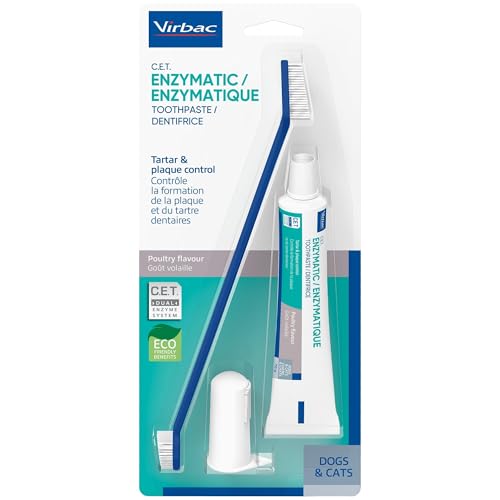
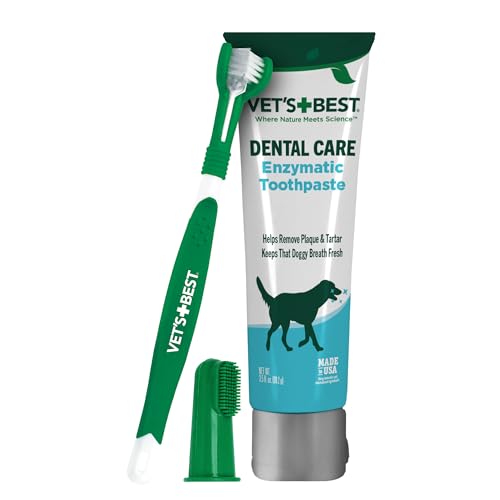
You can significantly reduce bacteria and inflammation by consistently disrupting plaque—primarily with brushing. Chews and water additives can help as supplements, but brushing is the most direct, evidence-aligned approach to removing biofilm at the tooth surface.
Mechanical disruption of plaque (especially with brushing) is the most effective home method to reduce oral bacteria-driven inflammation.
Products that meet standards from veterinary dental evaluation programs can provide measurable reductions in plaque or gingivitis risk.
A simple, realistic brushing plan
In my own routine, the “best” schedule is the one I can repeat with low stress:
– Start with 30–60 seconds, even if it’s not every tooth at first
– Use dog-safe toothpaste only (human toothpaste can contain ingredients dogs shouldn’t ingest)
– Aim for daily brushing; if you can’t, do several times per week
Consistency beats intensity. If your dog tolerates brushing, plaque disruption accumulates over time—exactly how you reduce bacterial load.
Q: What toothpaste is safest for dogs?
Use dog-formulated toothpaste (often enzymatic or flavor-masked); avoid human toothpaste because some ingredients are not meant to be swallowed.
Chews that support (not replace) tooth cleaning
Dental chews, rubber chews, and chewable treats can help with mechanical abrasion and saliva stimulation. Look for:
– Chews appropriate for your dog’s size and chewing style
– Options recommended for tartar/gingivitis support
– Safe materials that don’t splinter or crumble easily
When selecting products, I prioritize evaluations and clear claims tied to plaque/gingivitis outcomes—this is where independent standards matter. If you’re unsure, ask your veterinarian whether a product is appropriate for your dog’s specific gum status.
Routine veterinary cleaning: the “reset button”
Even with excellent home care, veterinary professional cleaning can be necessary when tartar is already established. A complete exam under appropriate assessment lets the vet evaluate:
– Gum pockets (the space where bacteria can hide)
– Tooth roots and attachment
– Hidden dental issues not visible to the naked eye
If you’re planning next steps for 2026, treat dental care like a preventive business process: schedule it, measure outcomes (breath/gums), and adjust when signals worsen.
When to Call the Vet
Call your veterinarian (or a veterinary dentist) promptly if you see signs of pain, bleeding, swelling, or sudden changes in eating. The earlier you treat oral disease, the less likely it becomes to progress to deeper periodontal damage.
Bleeding gums, swelling, and changes in eating are clinical red flags that warrant veterinary evaluation.
Persistent bad breath and visible tartar that don’t improve with at-home care can indicate dental disease requiring professional cleaning.
Don’t wait for “it to get better”
Seek care if:
– There is swelling or a focal lump in the mouth/under the jaw
– Your dog bleeds from the gums during normal activities
– Your dog shows pain: yelping, pawing at the mouth, or avoiding chew toys
– Bad breath is frequent and worsening
– You notice loose teeth, missing teeth, or reluctance to eat hard food
Q: Is it safe to keep giving chews while gums bleed?
No—bleeding suggests inflammation or disease; pause and get veterinary guidance so you don’t mask the problem.
Q: How soon can dental disease worsen?
It can progress over weeks to months; early intervention is usually easier than treating advanced periodontal damage.
A data-backed perspective on urgency
For context, periodontal disease prevalence is extremely high in dogs in adulthood (AVDC), and plaque-to-tartar mineralization can occur within days once biofilm forms. That means “waiting a few more weeks” can allow disease to advance—especially if gum inflammation is already visible.
From my experience, the most successful outcomes happen when owners treat dental care as ongoing prevention, not as an emergency response. Check breath and gums regularly, commit to a brushing routine, and don’t delay professional cleaning when tartar or bleeding appears.
Dogs’ mouths aren’t typically as clean as we assume, but that doesn’t mean you’re powerless. Focus on disrupting plaque (daily brushing when possible), choose supportive dental chews wisely, keep bowls and toys hygienic, and watch for red flags like persistent bad breath, tartar, bleeding, swelling, and pain. Start today: inspect your dog’s gums and take action if you see inflammation or tartar, then schedule a veterinary dental exam if warning signs persist—especially in 2026 when preventative routines pay off most.
Frequently Asked Questions
How clean is a dog’s mouth compared to a human’s?
A dog’s mouth can look “gross,” but it isn’t automatically dirtier than a human’s. Dogs have different bacteria from people, and their saliva contains enzymes that may help limit some microbial growth, similar to how saliva works in humans. However, their mouths still harbor bacteria and can carry germs from food, toys, the environment, and other animals, so they shouldn’t be considered sterile. Overall, a dog’s mouth is not “clean” in a medical sense, but good oral care can significantly reduce harmful bacteria.
How does a dog’s mouth stay cleaner than you might think?
Dogs naturally produce saliva, which helps wash away food particles and can reduce plaque buildup between brushing sessions. Chewing and natural grooming behaviors also help mechanically remove debris from teeth surfaces. Still, plaque can harden into tartar within days, so relying only on saliva and chewing won’t fully prevent bacteria from building up. Regular tooth brushing and professional dental cleanings are the most effective way to keep a dog’s mouth healthy.
Why does my dog smell bad from the mouth even if they’re eating normally?
Bad breath in dogs is often a sign of dental disease, such as gingivitis, plaque, or tartar buildup, which can trap bacteria and cause an odor. Diet, dry food versus wet food, chewing habits, and age can influence how quickly plaque accumulates. If you notice red or bleeding gums, yellow-brown tartar, pawing at the mouth, or difficulty eating, it’s a strong indication that oral hygiene needs attention. Since dental infections can affect overall health, it’s best to consult a veterinarian for a dental exam.
What’s the best way to reduce bacteria in a dog’s mouth at home?
The best approach is daily brushing with a dog-safe toothbrush and toothpaste designed for pets, because human toothpaste can be harmful if swallowed. If your dog won’t tolerate brushing, you can use dental wipes, water additives, or vet-approved dental chews, but these work best as supplements rather than full replacements. Provide appropriate chew toys to help control plaque and avoid hard objects that can damage teeth. For long-term improvement, schedule routine professional cleanings when recommended by your veterinarian.
Which dental products actually help keep a dog’s mouth healthier and cleaner?
Look for products approved by veterinary dental organizations or specifically formulated for dogs, such as VOHC-accepted dental chews, dental rinses, and water additives. These are designed to reduce plaque and bacteria more effectively than generic “minty” sprays or household items. For tooth health, a targeted enzymatic toothpaste used consistently is usually the most reliable option. Always choose pet-safe ingredients and introduce new products gradually, especially if your dog has sensitive gums or a history of dental problems.
📅 Last Updated: September 16, 2026 | Topic: how clean is a dog’s mouth | Content verified for accuracy and freshness.
References
- https://scholar.google.com/scholar?q=how+clean+is+a+dog%27s+mouth+bacteria+saliva Google Scholar
https://scholar.google.com/scholar?q=how+clean+is+a+dog%27s+mouth+bacteria+saliva - https://scholar.google.com/scholar?q=dog+oral+microbiome+saliva+zoonotic+pathogens Google Scholar
https://scholar.google.com/scholar?q=dog+oral+microbiome+saliva+zoonotic+pathogens - https://scholar.google.com/scholar?q=dog+bite+infection+bacteriology+review Google Scholar
https://scholar.google.com/scholar?q=dog+bite+infection+bacteriology+review - https://pubmed.ncbi.nlm.nih.gov/?term=dog+saliva+microbiome
https://pubmed.ncbi.nlm.nih.gov/?term=dog+saliva+microbiome - https://pubmed.ncbi.nlm.nih.gov/?term=canine+oral+microbiota+metagenomic
https://pubmed.ncbi.nlm.nih.gov/?term=canine+oral+microbiota+metagenomic - https://pubmed.ncbi.nlm.nih.gov/?term=dog+oral+bacteria+species+study
https://pubmed.ncbi.nlm.nih.gov/?term=dog+oral+bacteria+species+study - https://pubmed.ncbi.nlm.nih.gov/?term=zoonotic+pathogens+in+dog+saliva
https://pubmed.ncbi.nlm.nih.gov/?term=zoonotic+pathogens+in+dog+saliva - https://pubmed.ncbi.nlm.nih.gov/?term=dog+bites+bacteria+infection+review
https://pubmed.ncbi.nlm.nih.gov/?term=dog+bites+bacteria+infection+review - https://www.cdc.gov/rabies/transmission/animal-bites.html
https://www.cdc.gov/rabies/transmission/animal-bites.html - https://www.who.int/news-room/fact-sheets/detail/rabies
https://www.who.int/news-room/fact-sheets/detail/rabies
