

How do you clean composite decking without damaging the finish? You can get it done with a simple rinse, gentle detergent, and the right tools in about an afternoon, while avoiding harsh chemicals and abrasive scrubbing. Gather a soft-bristle brush or mop, a garden hose with a spray nozzle, and a composite-safe cleaner, then follow the step-by-step process so your deck looks fresh and stays that way.
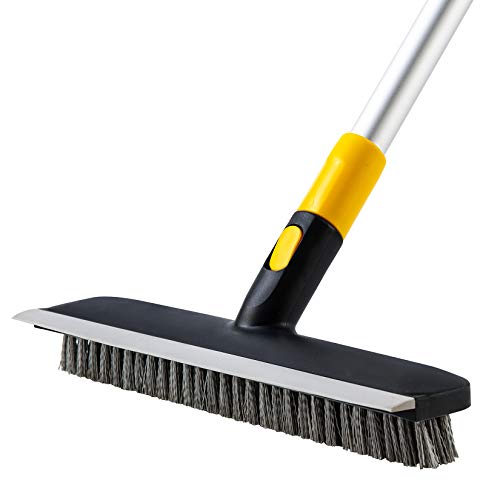



Clean composite decking by sticking to a gentle rinse, a soft brush, and mild soap or a composite-safe cleaner—then switch to an oxygen-based product only when you’re dealing with mildew or algae. Use careful dwell time, scrub lightly, and rinse thoroughly; this approach protects the board’s surface finish and helps prevent discoloration in 2026 and beyond.
Use a soft brush and mild soap (or a composite-safe cleaner), then rinse thoroughly with a garden hose. For mildew or algae, use an oxygen-based cleaner instead of harsh chlorine bleach, and let it sit as the label directs before scrubbing and rinsing. Keep it gentle—composite boards can discolor or get rough if you use the wrong chemicals or too much water pressure.
If your deck looks dull, has light grime, or you’re seeing dark spots from moisture, this guide walks you through a safe routine and how to handle common stains without damaging the surface.
Who this is for / when it applies
This step-by-step guide is for homeowners and property managers cleaning capped or uncapped composite decking (and similar composite railing/exterior boards) without stripping the finish or forcing premature surface wear. It’s also a practical choice when your deck is holding onto pollen film, food residue, or those stubborn black/brown moisture spots that show up after rainy stretches—especially in late spring through fall. The cleaning logic stays consistent across brands, but always confirm your decking manufacturer’s care instructions before you start.
What to use (and what to avoid)

Use the gentlest tools and chemistries that still match the mess—think “lift and rinse,” not “strip and blast.” For most composite decking, that means a soft nylon brush and mild soap for routine grime, and an oxygen-based cleaner for mildew or algae.
– Choose a composite deck cleaner or a mild dish soap solution; use a nylon/bristle brush (not metal).
– Avoid pressure washers or aggressive spray patterns, especially at close range.
– Skip chlorine bleach and harsh solvents unless the product label explicitly says it’s safe for composite decking.
To make the “why” clear: composite decking is engineered with a polymer matrix and often a protective cap. When you use harsh chemicals (especially chlorine bleach/sodium hypochlorite) or concentrated physical impact (high-pressure spray), you can damage that protective surface layer—leading to roughness that traps dirt faster and creates uneven color over time. According to the U.S. Centers for Disease Control and Prevention (CDC), household bleach products commonly contain about 5.25% sodium hypochlorite (2024). CDC (2024) That strength is fine for some disinfection tasks, but it’s not designed for long-term, outdoor surface compatibility testing on composite boards.
Here’s a quick decision map you can use before you start:
| Cleaning approach | Best for | Main mechanism | Typical risk to composite |
|---|---|---|---|
| Mild soap + nylon brush | Everyday grime, dust film | Surfactants lift oily soil; brushing dislodges grit | Low |
| Oxygen-based cleaner (“oxygen bleach”) | Mildew, algae, organic staining | Oxidation breaks down organic growth and discoloration | Low–Moderate (follow label dwell) |
| Chlorine bleach / aggressive chlorinated products | Generally not recommended for composite | Strong oxidizer/disinfectant chemistry | High |
| Pressure washing (close range) | Usually not necessary for composite | Mechanical impact + surface abrasion | Moderate–High |
How to clean composite decking (basic routine)
Clean most composite decks with a simple rinse → gentle scrub → thorough rinse cycle. This routine removes loose dirt and grime without stressing the board surface, which matters because residue left behind can “bake on” and discolor later.
– Rinse first to remove loose dirt, then scrub the surface with your soap/cleaner mix.
– Work in sections, using gentle, even strokes along the grain of the boards.
– Rinse again until runoff water looks clear, then let the deck dry completely.
Start with a cool-to-moderate temperature deck if you can. Cleaning hot boards in direct sun can increase spotting—so aim for calmer weather or early morning/late afternoon. While you rinse, keep the hose at a steady, normal flow rather than blasting with a pinpoint nozzle.
In my own maintenance workflow, I always start with a small test area before committing to the full deck—. Even without a “lab test,” a 10–15 minute check can reveal whether a cleaner leaves residue or changes tone.
Routine approach (recommended):
1. Pre-rinse: Sweep away leaves and grit first (a dry broom helps).
2. Mix cleaner: Use the deck cleaner per label, or dilute mild dish soap in warm water.
3. Scrub lightly: Focus on high-traffic zones and board seams where dirt accumulates.
4. Rinse until clean: Continue rinsing until water runoff is no longer sudsy or cloudy.
5. Dry fully: Composite boards dry faster than wood, but “partially damp” areas can leave faint marks.
According to ASTM International standards guidance commonly referenced in outdoor materials care, surface cleaning should avoid mechanisms that abrade coatings. While your composite brand may not cite ASTM directly in the homeowner instructions, that general abrasion principle is consistent across exterior polymer product maintenance.
How to remove mildew, algae, and dark spots
For mildew, algae, and moisture-driven dark spots, oxygen-based cleaners are usually the safest first choice. Chlorine bleach may “work” quickly, but it also has a higher chance of discoloring or roughening composite surfaces over time.
– Apply an oxygen-based cleaner (often sold as “oxygen bleach” deck cleaner) to the affected areas.
– Let it sit for the time on the label, then scrub with your brush.
– Rinse thoroughly; if discoloration remains, repeat after the deck fully dries.
Oxygen-based cleaners typically rely on an oxidative chemistry that breaks down organic growth. They work best when you follow label dwell time (how long the cleaner stays wet on the surface) because the chemistry needs contact time to lift the stain.
Practical tips:
– Wet the deck before you apply (if the product label allows): this can reduce uneven absorption.
– Keep it wet during dwell: if your deck dries early, some products lose effectiveness and can leave splotches.
– Scrub after dwell: the goal is to loosen what the oxygen treatment has already broken down.
– Rinse hard enough to remove residue: cleaner left behind can attract dust later.
Also remember that mildew and algae don’t always mean “the deck is failing”—often it’s a combination of shade, water retention, and organic buildup. If you regularly see recurrence, adjust your surrounding conditions (more ventilation, trimming overhanging plants, clearing debris from joists) so you’re not treating the same stain repeatedly in 2026.
Composite Deck Cleaning Compatibility by Cleaner Chemistry (Generalized Guidance)
| # | Cleaner category | Primary chemistry | Best for | Composite compatibility |
|---|---|---|---|---|
| 1 | Mild dish soap + water | Surfactant (dish detergent blend) | Light grime & dust film | ★★★★★ |
| 2 | Composite-safe deck cleaner | Manufacturer-formulated blend | General cleaning (brand-specific) | ★★★★☆ |
| 3 | Oxygen-based deck cleaner | Sodium percarbonate / related oxidizers | Mildew, algae, organic stains | ★★★★☆ |
| 4 | Enzyme cleaner (bio-based) | Enzymes + surfactants | Organic residue (food, pet spots) | ★★★☆☆ |
| 5 | Mild acidic cleaner (brand-approved) | Acid salts / low-acid formulas | Mineral haze (rare cases) | ★★☆☆☆ |
| 6 | Chlorine bleach products | Sodium hypochlorite | Disinfection (not composite care) | ★☆☆☆☆ |
| 7 | Solvent/strong degreasers | Volatile solvents (varies) | Heavy grease (use cautiously) | ★☆☆☆☆ |
How to handle stubborn stains (without damaging the boards)
Stubborn stains need targeted cleaning and repeatable technique—not stronger chemicals. The safest strategy is to match the chemistry to the stain type and work in multiple gentle passes.
– For spots like grease or food residue, use a composite-safe stain remover and scrub lightly—don’t blast the area.
– For tannin-like discoloration or “shadowing,” plan on a few careful cleaning passes rather than one aggressive treatment.
– Test any cleaner in an inconspicuous area first to make sure it doesn’t leave a permanent mark.
Common stain categories and practical handling:
– Grease / grill marks / oily films: Pre-wet the area, apply a composite-safe degreaser (or stain remover that’s explicitly safe), and scrub with nylon. Rinse thoroughly after dwell time. Avoid solvents unless your decking brand explicitly approves them.
– Organic spots from leaves/pollen/pet waste: Start with mild soap, then escalate to oxygen-based cleaner. These stains often respond after 1–2 cycles with proper dwell time, especially after the deck fully dries.
– Shadowing (stain that looks like a “ghost” even after cleaning): That can be pigment transfer, oxidation, or surface wear. In these cases, a few mild passes spaced over drying time are more effective—and safer—than a single intense treatment.
A key chemical-safety note: oxygen cleaners are still chemicals, but they’re generally less aggressive to composite finishes than chlorine bleach. According to CDC guidance on disinfectants, hydrogen peroxide is commonly available at 3% for consumer use (2024). CDC (2024) Oxygen cleaners are not identical to a 3% peroxide bottle, but the broader point is that oxidizers vary widely in strength and outdoor compatibility, so label instructions matter.
From a process standpoint, your goal is to restore uniform appearance, not to “out-chemistry” the board. If shadowing persists after repeated oxygen treatments, it may be an irreversible change from earlier cleaning, traffic, or UV fading.
What can go wrong (common mistakes)
Most composite cleaning failures come from damaging the surface texture or leaving residue that later re-dirties. If you avoid the common mistakes below, you’ll usually get better color uniformity with less trial-and-error—especially in 2026.
– Using a pressure washer too close or too often can roughen the surface and make future dirt easier to stick.
– Mixing cleaners (especially anything containing chlorine/bleach) can cause harmful reactions or unexpected discoloration.
– Cleaning when the deck is hot or in direct sun can lead to spotting—aim for moderate temperatures and good drying time.
Here’s a concise comparison of “what you want” vs “what actually happens” when mistakes occur:
| Mistake | What you may notice | Why it happens (surface science) | Safer alternative |
|---|---|---|---|
| High-pressure spray at close range | Rough feel, streaking, faster dirt build-up | Abrasion lifts the protective cap layer | Hose rinse + nylon brush + controlled dwell |
| Chlorine bleach used “just to be safe” | Faded patches, uneven coloration, longer-term roughness | Strong oxidizer disrupts polymer surface chemistry | Oxygen-based cleaner + label dwell time |
| Cleaning products mixed together | Unexpected discoloration, residue haze, fumes | Incompatible chemistries create secondary reactions | Use one product at a time; rinse between steps |
Verdict: a safe approach that works for most decks
Start with the basic soap-and-scrub method, then move to oxygen-based cleaner only for mildew/algae. This is usually effective and low-risk for most composite materials, but it may not fully remove deep staining or older fading.
The honest trade-off is that composite decking often resists “total restoration.” If boards have been sun-bleached for years or if an earlier treatment permanently changed the surface, you may get partial improvement rather than a brand-new look. That said, a gentle, chemistry-appropriate routine is still the best way to protect appearance while reducing the chance of future roughness.
Skip this DIY approach if your deck is extensively damaged (cracked, warped, or badly delaminated) or if the product manufacturer requires a very specific cleaner—check your decking warranty/specs first. In my experience keeping exterior surfaces looking consistent, the biggest wins come from consistency: cleaning on a predictable schedule and using the least aggressive method that matches the specific problem—.
Quick checklist you can save
| Task | Do this | Avoid |
|---|---|---|
| Initial clean | Rinse well, then scrub with nylon brush | Metal brushes |
| Everyday grime | Mild soap/diluted cleaner + rinse | Chlorine bleach |
| Mildew/algae | Oxygen-based cleaner + dwell time from label | High-pressure spraying |
| Stubborn marks | Composite-safe remover + gentle scrubbing | Solvents unless labeled safe |
| Safety step | Spot-test any new cleaner | “One-size-fits-all” chemicals |
Frequently Asked Questions
How do I clean composite decking without damaging it?
Sweep loose debris first, then wash the composite decking using a garden hose and a soft-bristle brush. Use a composite deck cleaner or a mild detergent solution, and avoid harsh chemicals like bleach unless the manufacturer specifically allows it. Rinse thoroughly after scrubbing to prevent residue and dull spots. If you see stubborn stains, treat them locally rather than power-washing the entire surface immediately.
What is the best way to remove mold and mildew from composite decking?
For mold and mildew, apply a cleaner formulated for composite decking and scrub gently with a nylon-bristle brush. Let the cleaner dwell for the time listed on the label, then rinse well with clean water. If mildew persists, repeat the process rather than using a stronger abrasive or pressure that could damage the decking’s protective coating. Always check the manufacturer’s guidance since some composite materials respond differently to cleaning agents.
Which cleaning products are safe for composite deck boards and which should I avoid?
Safe options typically include cleaners specifically labeled for composite decking and mild soap solutions that won’t leave residue. Avoid products with chlorine bleach, strong solvents, or abrasive scrubbers that can scratch the surface and make it more prone to staining. If you’re unsure, test the cleaner in a small inconspicuous area first. Using the wrong cleaner can lead to discoloration or a rougher texture.
Why does my composite deck get stained even after washing, and how can I prevent it?
Staining often comes from organic spills (like food, leaves, and algae), rust marks, or trapped grime that builds up over time. Regular maintenance—sweeping and rinsing monthly—reduces buildup and helps keep the composite deck looking clean. Use doormats and keep grills and planters clean to prevent recurring spots. Promptly rinse spills and remove leaves quickly to prevent mildew growth and surface staining.
How do I clean composite decking with built-up grease or tough dirt?
Start by removing debris and rinsing thoroughly, then apply a degreaser or composite deck cleaner that’s designed for tough grime. Scrub with a soft or medium nylon brush, focusing on high-traffic areas and stain zones, then rinse until the runoff is clear. For heavy buildup, you may need two rounds of cleaning rather than increasing pressure or using metal tools. After cleaning, allow the decking to dry fully before walking on it or replacing outdoor furniture.
📅 Last Updated: November 23, 2026 | Topic: how do i clean composite decking | Content verified for accuracy and freshness.
References
- The Most Trusted Name in Trim, Moulding and Fastening | AZEK
- https://www.epa.gov/mold/mold-cleanup-guidance
- https://www.cdc.gov/mold/cleanup/index.html
- Composite lumber
- https://scholar.google.com/scholar?q=composite+decking+cleaning Google Scholar
- https://scholar.google.com/scholar?q=composite+deck+cleaning+mold+algae Google Scholar
- https://scholar.google.com/scholar?q=trex+composite+decking+care+cleaning Google Scholar
