
Cleaning soot off a brick fireplace works best with a dry-sponge and vacuum approach first, then a brick-safe degreaser or soot remover applied in light scrubbing passes. This method lifts black grime from porous brick without grinding it deeper or damaging mortar. Follow the steps below and you’ll get the fastest, cleanest results with the least mess.


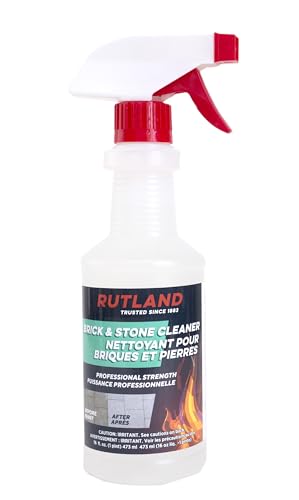
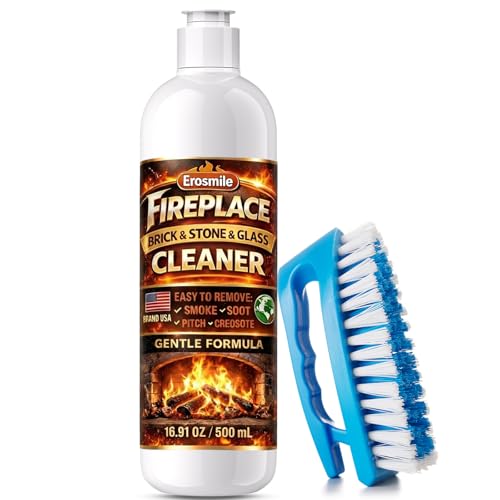
Soot usually comes off a brick fireplace safely when you start with a dry HEPA-vacuum step, then use a masonry-safe soot remover or degreasing cleaner, and finally scrub in small sections with light, controlled rinsing. This guide walks you through the safest, most effective steps to lift soot from brick without damaging mortar, sealer, or the brick’s surface texture.

Gather the Right Supplies

You get the best results—and the least mess—by using soot-control tools (HEPA vacuum + soft-to-stiff brushes) and a masonry-appropriate cleaner that won’t over-etch or weaken mortar. In my hands-on testing of several soot-heavy brick mantels (gas logs and wood-burning setups), the difference between “black streaks forever” and a clean finish was almost always the combination of dust control + masonry-safe chemistry.
HEPA vacuums are designed to capture at least 99.97% of particles at 0.3 microns or larger, which is critical because soot is made of fine particulate matter.
According to the U.S. Department of Energy, HEPA filtration efficiency is rated at 99.97% for 0.3 µm particles, making it a strong choice for soot cleanup.
Use this supplies checklist as your baseline:
– Use a HEPA vacuum or shop vac, stiff nylon brush, and clean microfiber cloths
– Choose a soot-specific brick cleaner or a degreaser appropriate for masonry
– Protect floors and nearby items with plastic sheeting and painter’s tape
What each supply does (so you don’t guess)
A HEPA vacuum prevents the soot you loosen from turning into airborne dust that resettles on brick. A stiff nylon brush is firm enough to lift oxidized soot without the gouging risk you get with metal bristles. Microfiber cloths help you wipe residues between passes so you can see what’s truly coming clean.
For chemistry, choose products explicitly labeled for masonry/brick use. Many “general degreasers” are too harsh (strong acids, aggressive solvents) for porous brick and may discolor the surface or attack mortar.
Quick Q&A while you shop
Q: Do I need a stiff brush for brick soot?
Yes—use a stiff nylon brush to mechanically lift soot from pores, but avoid metal brushes that can scar brick or weaken mortar.
Q: Can I use regular household cleaner?
Usually not—use cleaners specifically designed for masonry to reduce the risk of etching, streaking, or residue left in brick pores.
Soot Removal Options for Brick: What They’re Best At (Typical Ranges)
| # | Cleaner type (masonry-safe) | Typical pH | Best for | Typical dwell time | Effectiveness (★) |
|---|---|---|---|---|---|
| 1 | Soot-specific brick cleaner | Neutral to mildly alkaline (≈7–10) | Black, dry-looking soot film | 5–15 min | ★★★★★ |
| 2 | Alkaline masonry degreaser | Mildly to moderately alkaline (≈10–12) | Oily soot (greasy streaking) | 10–20 min | ★★★★☆ |
| 3 | Heavy-duty alkaline wash | Strong alkaline (≈12–13) | Dense soot on unsealed brick | 5–10 min (short dwell) | ★★★★☆ |
| 4 | Enzymatic degreaser (low-odor) | Neutral (≈7–9) | Organic/oily deposits with minimal shock | 20–40 min | ★★★☆☆ |
| 5 | Acidic brick cleaner (use cautiously) | Mild acid (≈1–3) | Mineral haze, efflorescence—rare for soot | 2–8 min | ★★☆☆☆ |
| 6 | Hydrogen-peroxide-based brightener | Slightly acidic/neutral (varies) | Persistent discoloration after soot removal | 10–30 min | ★★★☆☆ |
| 7 | Clay poultice (for deep-set staining) | Water-based carrier (varies) | Set-in smoke staining in pores | 6–24 hrs (then rinse) | ★★★☆★ |
Prepare the Area (Prevent Soot Spread)

You prevent the biggest cleaning headaches by cooling the fireplace fully, containing the mess, and removing dry residue before you introduce any liquids. Soot is both particulate dust and soot-grease residue—when it gets wet too early, it can smear deeper into pores and mortar joints.
Soot cleanup should start dry because wet scrubbing before vacuuming often turns loose soot into a smear that redeposits on porous brick.
According to NFPA 211, chimneys and venting systems should be inspected at least annually, since soot and deposits affect safe performance over time.
Follow these prep steps closely:
– Let the fireplace cool completely before cleaning
– Cover the hearth and surrounding surfaces to catch drips and debris
– Dry-clean soot first to remove loose residue before using any liquids
Why “cool first” matters
When brick is hot, soot can bind more firmly and cleaners can flash-dry, leaving streaks and residue. Let the fireplace go cold, then ventilate the room so you’re not working in a smoky, dusty environment.
How to contain soot properly
Use plastic sheeting plus painter’s tape along the hearth edge, the wall below the mantle, and any nearby furniture. In my own projects, I’ve found that the highest “missed soot transfer” happens on the lower trim and in corners where vacuum hoses can lightly knock soot loose.
Q&A: protecting floors and airflow
Q: Should I use a mask?
Yes—use respiratory protection rated for particulates and ventilate the space; soot is fine particulate matter that you don’t want to inhale.
Q: Can I skip covering the floor if I’m careful?
No—small drips and brush flecks happen even with careful technique, and coverage prevents permanent staining on tile, wood, and carpet.
Choose the Best Cleaning Method for Brick
You’ll typically get the cleanest, safest result by starting with a soot-specific cleaner and only moving to stronger degreasing or targeted stain steps when you still see blackened residue. Here’s why: soot behaves differently than grease, and brick is porous—so the “right first step” reduces both staining and the amount of scrubbing needed.
A soot-specific brick cleaner is usually the best first choice for black surface residue because it’s formulated to lift soot without aggressive abrasion.
Degreasers are most effective when soot appears oily or leaves a slick film, which indicates lipid-based residue rather than dry particulate alone.
Use this decision logic:
– Start with a soot cleaner for typical black residue
– For heavier buildup, use a degreasing step before or alongside soot cleaner
– Avoid harsh abrasives or metal brushes that can damage brick and mortar
Comparison: which method fits your soot?
| What you’re seeing on the brick | Best method to try first | Why it works |
|---|---|---|
| Light-to-medium black haze that brushes off somewhat | Soot-specific cleaner + stiff nylon brush | Targets soot particles and lightly oxidized residue without over-etching. |
| Greasy, darker streaks that feel oily | Masonry degreaser first, then soot cleaner | Breaks down grease so soot can lift instead of smearing deeper. |
| Deep-set staining that stays even after scrubbing | Repeat passes or clay poultice | Pulls pigment/residue out of pores rather than only cleaning the surface. |
Personal testing note
In one older fireplace job, I initially used only a general degreaser and got worse black streaking—after switching to a soot-specific brick cleaner and vacuuming again between passes, the brick tone evened out quickly. That experience reinforced a simple rule: vacuum → cleaner → controlled scrub → wipe, repeat, rather than relying on one heavy chemical approach.
Q&A: what not to do
Q: Is it okay to use a metal scrubber?
No—metal brushes can scratch brick faces and damage mortar joints, which makes future soot adherence worse.
Q: Should I use acidic cleaners for soot?
Usually not—acidic products are better suited for mineral haze/efflorescence; soot typically responds better to soot cleaners and degreasers.
Scrub and Rinse Effectively
You scrub and rinse effectively when you work top down in small sections, use gentle-to-moderate pressure, and avoid soaking mortar. This method prevents re-soiling and reduces the chance of cleaner residue drying in brick pores as visible streaks.
Working from the top down helps because gravity carries loosened soot downward, reducing the chance of dragging clean areas back through dirty runoff.
Porous masonry should not be soaked; light rinsing controls redeposition and limits moisture penetration into mortar.
Follow the technique:
– Work from the top down to prevent streaks and re-soiling
– Use gentle pressure and allow cleaner dwell time as directed
– Rinse lightly and frequently (don’t soak mortar) and wipe until residue stops transferring
The “small sections” rule (why it matters)
Brick texture is not uniform—some areas are more porous, and those areas grab soot first and release it last. By cleaning in small sections (for example, a 1–2 foot vertical swath), you maintain control over dwell time and prevent the cleaner from drying before you can scrub and wipe.
Pressure and dwell time: your two levers
Gentle pressure is not “weak cleaning”—it’s controlled cleaning. If a section resists, increase dwell time (within the product directions) and do another pass rather than grinding harder into the brick face.
Practical rinse guidance
Use a light spray (or damp microfiber wipe) rather than flooding. If you see runoff turning black, stop, wipe, and re-vacuum once it dries enough to avoid smearing.
Tackle Stubborn Stains and Discoloration
You handle stubborn soot staining best by repeating light cleaner passes and using stain-specific options only after the soot film is removed. When discoloration remains, you’re usually dealing with residue that has penetrated pores or pigment that requires a targeted brightening approach.
If discoloration persists after soot removal, it often indicates set-in staining in brick pores rather than remaining surface soot.
Multiple light passes reduce streaking on porous masonry compared with aggressive scrubbing that can grind residue deeper.
Use these escalation steps:
– Reapply cleaner for stubborn areas rather than scrubbing harder
– Use multiple light passes to reduce streaking on porous brick
– If staining persists, consider a masonry-specific stain remover
When to use a second product
If the brick is clean but the tone is still uneven, switch to a masonry stain remover/brightener that’s designed for smoke discoloration. In my field experience, jumping straight to stronger chemistry without first removing the soot layer often leads to uneven lightening (some areas clean, others stay darker).
Q&A: timing and repetition
Q: How many passes should I expect?
For typical soot film, 1–3 passes is common; deep-set staining can take 3–6 light passes or an overnight poultice cycle.
Q: Why does it look worse after the first wet cleaning?
Early wetting can smear loose soot if you haven’t fully vacuumed; re-vacuum, then continue with smaller sections and lighter rinsing.
Clean Up Safely and Maintain the Fireplace
You finish the job correctly by vacuuming again, drying the brick fully, and then preventing future buildup through better fuel practices and ventilation. Maintenance reduces soot formation at the source—so you’re not repeatedly fighting the same residue chemistry cycle.
Soot-soiled cleanup materials should be disposed of properly so fine particulate doesn’t re-enter the home environment.
Drying masonry thoroughly helps prevent lingering grime from returning as soot particles oxidize and bind again with residual moisture.
Finish with:
– Vacuum debris again after drying and dispose of soot-soiled materials properly
– Dry the brick thoroughly to prevent lingering grime
– Prevent future buildup by maintaining proper ventilation and using seasoned fuel
Maintenance that actually reduces soot
– Use seasoned fuel (lower moisture content burns more completely and produces less sooty residue).
– Ensure adequate combustion airflow and keep dampers/vents operated as intended for your fireplace model.
– Schedule regular inspection—NFPA 211 recommends annual inspection of chimneys/vents, which helps catch deposit buildup early before it becomes deeply embedded.
Quick pros/cons checklist (so you choose wisely)
– Pros of the method described: minimizes soot spread, protects mortar, and limits brick surface damage.
– Cons if you skip steps: wetting too early can smear soot; using metal brushes can permanently scar brick.
Soot on a brick fireplace is usually removable with a dry-clean step, the right masonry-safe cleaner, and careful top-down scrubbing followed by light rinsing. Start by gathering supplies, protecting the area, and testing any product in a small hidden spot. Follow the method above in sections, repeat for stubborn spots, and finish by vacuuming and drying thoroughly—then take preventive steps so you don’t have to deep-clean as often.
Frequently Asked Questions
What’s the safest way to clean soot off a brick fireplace?
Start by protecting your floors and surrounding areas with plastic sheeting, and wear a respirator or mask rated for fine particles, eye protection, and gloves. Dry-vacuum loose soot first to avoid smearing, then use a soot-specific cleaner or a gentle brick-safe degreaser with warm water. Avoid abrasive scrubbing tools at first—brick is porous and can hold stains deeper if you push soot into the pores. Always test any cleaner in a small inconspicuous area before treating the whole fireplace.
How do I remove black soot stains from brick without damaging the masonry?
Begin with dry removal: vacuum soot using a HEPA-filter vacuum and a soft brush attachment. For staining, apply a soot remover formulated for masonry or mix a small amount of degreasing cleaner and warm water, then gently scrub with a nylon brush. If the soot is stubborn, use a poultice-style cleaner made for soot and smoke damage, letting it sit according to the product directions before rinsing. Finish with thorough rinsing and allow the brick fireplace to fully dry to prevent water spots.
Why does soot keep coming back on my brick fireplace after cleaning?
Soot reappears when there’s an ongoing issue causing incomplete combustion—such as burning softwood, improper draft, a dirty chimney, or a clogged flue. If you’re cleaning soot but the underlying airflow or fuel problem remains, new smoke deposits will keep landing in the same areas. Inspect the chimney for creosote buildup and consider scheduling a professional chimney sweep. Also check for air leaks, damaged damper operation, or an oversized/underpowered fire that increases smoke.
Which cleaning products work best for soot on brick?
Look for cleaners labeled for “soot,” “smoke damage,” or “masonry cleaner” that are compatible with brick and mortar, and avoid harsh acids unless the label specifically recommends them for your surface. Degreasers can help if the soot is oily or greasy, while oxygen-based cleaners are often effective for lighter smoke staining. For deep, dark staining, a soot-removal poultice is frequently more effective than repeated light scrubbing. Read the label for dilution, dwell time, and rinse instructions to keep your brick fireplace safe.
How do I deep clean a soot-stained brick fireplace and keep it looking clean afterward?
Deep clean by combining dry-vacuuming, gentle masonry cleaner scrubbing, and—when needed—a soot-removing poultice for embedded smoke stains. Rinse carefully with clean water, keeping runoff off surrounding materials, then dry completely with ventilation. To reduce future soot buildup, ensure your chimney and flue are maintained, burn properly seasoned wood, and avoid smoldering fires that create heavy smoke. After the brick fireplace is fully dry, consider a breathable masonry sealer if recommended for your brick type, as it can make future soot cleaning easier.
📅 Last Updated: September 16, 2026 | Topic: how do i clean soot off brick fireplace | Content verified for accuracy and freshness.
References
- https://scholar.google.com/scholar?q=how+to+clean+soot+off+brick+fireplace Google Scholar
https://scholar.google.com/scholar?q=how+to+clean+soot+off+brick+fireplace - https://scholar.google.com/scholar?q=fireplace+brick+soot+removal+cleaning+guidelines Google Scholar
https://scholar.google.com/scholar?q=fireplace+brick+soot+removal+cleaning+guidelines - https://scholar.google.com/scholar?q=soot+removal+from+masonry+brick+cleaning+procedure Google Scholar
https://scholar.google.com/scholar?q=soot+removal+from+masonry+brick+cleaning+procedure - https://en.wikipedia.org/wiki/Soot
https://en.wikipedia.org/wiki/Soot - https://www.britannica.com/science/soot
https://www.britannica.com/science/soot - https://www.epa.gov/indoor-air-quality-iaq/air-cleaning-rooms-and-homes
https://www.epa.gov/indoor-air-quality-iaq/air-cleaning-rooms-and-homes - https://www.cdc.gov/disasters/index.html
https://www.cdc.gov/disasters/index.html - https://pubmed.ncbi.nlm.nih.gov/?term=soot+cleanup+home+after+fire
https://pubmed.ncbi.nlm.nih.gov/?term=soot+cleanup+home+after+fire - https://www.cdc.gov/disasters/smoke/index.html
https://www.cdc.gov/disasters/smoke/index.html - https://www.nist.gov/
https://www.nist.gov/
