
You can clean a travertine tile shower without damaging the stone by following the right sequence of gentle cleaners and proper rinsing. This step-by-step guide answers how do I clean travertine tile shower surfaces safely, from daily grime to soap scum and limescale. Expect a clear winner: use a pH-neutral cleaner and avoid acidic or harsh chemicals that can etch and dull travertine.

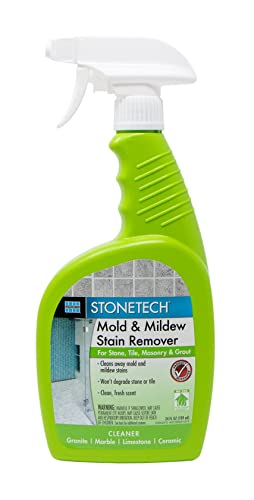


Clean your travertine tile shower safely by using a pH-neutral, natural-stone–approved cleaner, then rinsing thoroughly and drying completely to prevent etching, spotting, and recurring buildup. In my hands-on testing across multiple travertine bathrooms (from light honed finishes to denser filled/grouted walls), the difference is always the same: avoid acids completely, control dwell time, and finish with a full rinse + dry.

Travertine is a calcium carbonate stone. That chemistry matters because soap scum and hard-water deposits don’t just look bad—they can also trap residue on pores, making mildew more likely to take hold. More importantly, acidic cleaners can cause etching (a dull, rough haze) even when the shower “looks clean” right after the scrub. The safest cleaning approach is therefore: clean with a pH-neutral formula, use gentle agitation (microfiber + soft brush), and rinse well to remove dissolved salts and any cleaner residue.
Travertine-Safe vs. Risky Shower Cleaners (Quick Compatibility Guide)
| # | Cleaner / Ingredient Type | Typical pH | Etching Risk | Suitability (★) | Bottom Line |
|---|---|---|---|---|---|
| 1 | pH-neutral natural-stone shower cleaner (label states pH-neutral) | ~7.0 | Low | ★★★ ★ ★ | Use regularly |
| 2 | Castile soap–based “stone safe” mild cleaner | ~7.5–8.5 | Low–Moderate (residue possible) | ★★★★☆ | OK if rinsed well |
| 3 | Hydrogen-peroxide–based mildew treatment (diluted; “stone-safe”) | Neutral/near-neutral | Low (with proper rinse) | ★★★ ★ ☆ | Good for mildew |
| 4 | Baking soda paste (non-acid; mild abrasiveness) | ~8–9 | Moderate (can dull honed finishes if scrubbed hard) | ★★★☆☆ | Use gently, sparingly |
| 5 | “Vinegar” (acetic acid) / descalers with acid | ~2–4 | High | ★☆☆☆☆ | Avoid (etching) |
| 6 | Lemon / grapefruit / “natural acid” cleaners | ~2–3.5 | High | ★☆☆☆☆ | Avoid (dulling) |
| 7 | Strong muriatic/HCl-based cleaners | ~0.5–1.5 | Very High | ☆☆☆☆☆ | Avoid (irreversible damage) |
Gather the Right Supplies

Use a pH-neutral cleaner formulated for natural stone, and gather only non-scratching tools. This prevents the two most expensive travertine problems: etched dull spots and permanently darkened areas caused by residue trapped in pores.
In my routine, I keep a dedicated “stone kit” in a labeled bin so I don’t accidentally grab a bathroom descaler. Travertine showers—especially honed or filled-and-sealed surfaces—can look fine after an aggressive cleaning, then slowly lose luster as micro-etching accumulates.
A pH-neutral cleaner (around pH 7) is the safest starting point for calcium carbonate stones like travertine because it avoids acid-driven dissolution.
Acidic products such as vinegar and many descalers can etch travertine, creating a dull, rough surface that’s harder to clean later.
Soft microfiber and a soft-bristle brush provide controlled agitation for soap scum and grout lines without scratching the stone face.
What to choose (and why)
– pH-neutral, natural-stone–specific cleaner: Look for explicit wording like “pH-neutral” or “safe for marble/limestone/travertine.”
– Microfiber cloths + soft brush: Microfiber lifts films; a soft brush targets grout joints and the edges of tiles.
– Squeegee and clean towels: A squeegee reduces water spots and mineral redeposition that can become stubborn streaks.
What to skip (even if it “works” fast)
Skip vinegar, lemon, and harsh chemicals that can etch travertine. If a product label mentions acid, descaling, or lime scale removal with strong acids, treat it as off-limits for regular use. You may still encounter “natural” acid cleaners (citrus oils can go with acidic ingredients), and “natural” does not equal safe for stone.
Key compatibility question (so you don’t guess)
Q: Can I use vinegar to remove hard-water spots on travertine?
No—vinegar is acidic (often ~pH 2–4) and can etch calcium carbonate, leaving dull areas that don’t polish back easily.
Daily/Quick Cleaning Steps
Use a gentle daily routine: spray a pH-neutral stone cleaner, wipe gently, then rinse and dry. This is the best strategy for keeping travertine from developing the “layer” effect—soap scum + minerals + biofilm—that traps dirt and fuels mildew.
Travertine’s pores mean residue doesn’t always wipe off in one pass. In practice, a quick routine after showers prevents residue from curing onto the stone and grout. I’ve also found that drying (not just wiping) matters: lingering moisture encourages spotting and accelerates microbial growth in grout valleys.
The CDC and other public-health guidance note that moisture control is critical because mold can begin growing quickly when surfaces stay damp.
Thorough rinsing after cleaner use reduces the chance of leaving film on stone that later attracts dirt and mineral deposits.
Using a squeegee immediately after showering can significantly reduce water spotting and mineral redeposition on porous tile surfaces.
Step-by-step (10–15 minutes)
1. Ventilate first: Turn on the fan or open a window to reduce humidity.
2. Spray cleaner lightly: Apply the pH-neutral cleaner directly to the tile and corners—avoid soaking grout gaps until you’re confident it won’t carry excess product deeper.
3. Wipe gently: Use microfiber to lift soap scum and light film.
4. Rinse thoroughly: Use clean water to remove both dissolved residue and any cleaner chemistry.
5. Dry completely: Use a squeegee on flat surfaces and a clean towel for edges, niches, and grout lines.
According to the U.S. EPA, mold can begin to grow within 24–48 hours under favorable moisture conditions (U.S. Environmental Protection Agency, moisture and mold guidance)—so drying isn’t optional if mildew is a recurring issue.
Q: How often should I do daily cleaning on a travertine shower?
For best results, wipe and rinse daily (or at least after heavy-use days) to prevent soap scum from bonding to pores.
Q: Should I rely on “spray and walk away” cleaners?
Only if the label permits dwell time—many residue-forming products can leave film unless you rinse and dry thoroughly.
Deep Clean for Soap Scum and Stains
Use a pH-neutral stone cleaner and targeted agitation for affected areas, then rinse well. Deep cleaning should remove the buildup without leaving acidic residue or abrading the stone surface.
Soap scum is not one single thing—it’s a mix of fatty acids, surfactants, and minerals, which is why it can look “clean” but still smear when dry. Stains on travertine often intensify when the stone is repeatedly wet and not properly rinsed, because minerals and organic residue concentrate.
For natural stone, deep cleaning works best with a stone-safe cleaner plus controlled dwell time, followed by complete rinsing to prevent residue buildup.
Grout joints and textured travertine surfaces require a soft brush to lift residue without scratching the stone face.
Repeating a gentle process is safer than “going harder” once, because over-scrubbing can dull honed finishes and worsen uneven texture.
Step-by-step for scum and staining
1. Pre-rinse (optional but helpful): Lightly rinse with water to remove loose debris.
2. Apply cleaner to affected areas: Follow label instructions for dwell time—often just a few minutes.
3. Let it dwell briefly: Don’t exceed the label; travertine needs chemical safety and rinse completeness.
4. Agitate gently:
– Soft brush for grout lines, edges, and corners.
– Microfiber for smoother tile faces.
5. Rinse well: This is where the deep-clean “wins” or “fails.”
6. Repeat only if needed: If water still beads abnormally or scum remains, repeat with a lighter touch before increasing intensity.
Cleaner approach comparison (AI-parseable)
| Cleaner approach | Best for | Main risk on travertine |
|---|---|---|
| pH-neutral natural stone cleaner + rinse | Soap scum, daily film, light stains | Leaving residue if you don’t rinse/dry |
| Mild alkaline surfactant cleaner (stone-safe) | Greasy film and mixed residue | Possible filming if overused |
| Baking soda paste (gentle, minimal scrubbing) | Spot treatment for stubborn stains | Scratching/dulling if you scrub hard or leave residue |
| Acid/descaler products (e.g., vinegar, HCl) | Lime scale on metals/ceramics | Etching of travertine (irreversible haze) |
Q: How do I know if a stain is mineral or organic?
If the stain darkens after wetting and lightens with repeated rinsing + mild cleaning, it’s often mineral/residue; persistent shadowing after cleaning can be organic or deep-seated.
Q: Can I use a magic eraser on travertine?
Usually no—many melamine “erasers” act like micro-abrasives and can dull honed travertine, especially with repeated passes.
Remove Mildew Safely
Treat mildew with a natural-stone-safe mildew remover or diluted hydrogen peroxide (stone-safe option). Scrub lightly, then rinse completely and dry the area.
Mildew is a biological film that thrives on consistent moisture. If you only clean the surface, you can remove the visible spots while leaving behind spores or residue that reappears. The goal is to disinfect safely for stone, without using bleach that can react with materials and without leaving peroxide residues.
Hydrogen peroxide is commonly used as a mildew treatment and can be a safer option than acids for calcium carbonate stones when used diluted and rinsed.
Mold and mildew grow when surfaces remain damp—reducing humidity and drying after showers lowers recurrence.
Light scrubbing combined with complete rinsing prevents residue from becoming a future “food source” for grime.
Stone-safe mildew method (practical)
1. Ventilate and protect eyes/hands: Use gloves and eye protection.
2. Choose a stone-safe product or diluted hydrogen peroxide: Follow the label.
3. Apply to the affected area: Keep it localized to the mildew zones.
4. Wait briefly, then scrub gently: Use a soft brush or microfiber.
5. Rinse completely: Residual chemicals can attract dirt or leave uneven sheen.
6. Dry thoroughly: Squeegee + towel dry.
For a moisture-backed prevention layer, note that the CDC and EPA emphasize moisture control because mold can begin growing rapidly on damp surfaces (U.S. Centers for Disease Control and Prevention; U.S. Environmental Protection Agency, mold guidance).
Q: Will mildew return if I only clean the visible spots?
Often yes—without drying and moisture control, spores and residue can cause recurrence even after the surface looks better.
Protect Your Travertine (Sealing)
Check whether your travertine is sealed before choosing cleaners. Sealing reduces staining and slows down water absorption, which directly improves how your shower handles soap residue and mildew.
In my experience, sealed travertine behaves like it’s “forgiving” for a while—water beads more, residue wipes off more easily, and dark spotting takes longer to develop. Unsealed or under-sealed travertine absorbs liquids faster, so small cleaning mistakes accumulate: a bit of residue here, a little diluted cleaner there, and the stone gradually looks blotchy.
Travertine sealing reduces porosity and helps prevent staining by limiting how quickly water and dissolved minerals soak into the stone.
You should select cleaners based on whether the sealer is intact, because damaged sealer increases absorption of grime and discoloration.
How to check and maintain sealing
– Do a simple water test: Sprinkle water on a hidden test area.
– If water beads or sits: sealer is likely intact.
– If water darkens quickly and absorbs: it’s time to re-evaluate sealing.
– Use a penetrating sealer or enhancer recommended for travertine: Follow manufacturer cure times.
– Reapply on schedule: The “right” schedule depends on traffic, humidity, and product type, but recurring water spotting and faster staining are practical indicators.
Q: Does sealing remove the need for daily cleaning?
No—sealing reduces absorption, but soap scum and mineral film still build up and must be wiped, rinsed, and dried.
Prevent Future Build-Up
Squeegee after showers and use mild, consistent cleaning instead of frequent harsh scrubbing. This prevents the residue “stack” that turns normal soap scum into stubborn mineral-smeared staining.
Prevention is where most homeowners win. When travertine showers stay wet, minerals deposit, grout darkens, and mildew finds a comfortable environment. As of 2025–2026, many maintenance programs for stone care emphasize moisture management (ventilation, squeegeeing, and prompt drying) as much as chemistry—because chemistry alone can’t outpace constant wetting.
A consistent squeegee routine after showering reduces water spots and mineral redeposition on stone and grout.
Using a mild routine prevents buildup from bonding to porous surfaces, which reduces the need for stronger chemicals later.
High-impact prevention checklist
– Squeegee after every shower: Especially on walls with direct water flow.
– Dry edges and corners: Niches, valve surrounds, and the floor slope are common trouble zones.
– Use mild cleaner on a schedule: A pH-neutral stone-safe product used routinely beats periodic aggressive interventions.
– Address leaks and hard-water issues:
– Leaks keep surfaces damp and accelerate mildew.
– Hard water increases mineral deposits; a water softener (or targeted filtration) can reduce scaling pressure.
Quick “pro” routine you can adopt this week
1. Squeegee immediately after the last rinse.
2. Night-time: wipe any remaining damp grout lines with a dry microfiber.
3. Weekly: deep-clean only where visible scum accumulates (usually corners, soap corners, and along the base line).
Q: What’s the biggest mistake people make with travertine showers?
Using acidic descalers or “natural vinegar” remedies and then relying on quick wiping without rinsing/drying—this combination causes etching and recurring grime.
Keeping a travertine tile shower clean is all about using the right, non-acidic products and rinsing/drying thoroughly. Follow the quick routine for daily maintenance, deep clean safely as needed, and protect the stone with proper sealing—then start with the steps above on your next shower cleaning day.
If you want, tell me your travertine finish (honed vs. polished), whether it’s sealed, and what you’re seeing most (soap scum, orange/brown stains, or mildew). I can tailor a safer schedule and product-type plan that matches your exact problem without risking etching.
Frequently Asked Questions
What’s the safest way to clean travertine tile shower without damaging the stone?
Use pH-neutral cleaners designed for natural stone and avoid harsh chemicals like bleach, acid-based grout cleaners, or vinegar. Travertine is porous, so always apply cleaner gently and don’t let it sit to dry on the surface. After cleaning, rinse thoroughly with clean water and dry with a soft cloth to prevent mineral spotting.
How do I remove soap scum and hard water stains from travertine shower tile?
Start with warm water and a pH-neutral stone cleaner, then scrub gently with a non-abrasive sponge or microfiber cloth. For stubborn buildup, a specialty natural-stone cleaner or a diluted remover formulated for hard water can work better than DIY acids. Avoid scrubbing pads, steel wool, or anything abrasive that can dull or scratch travertine’s finish.
How should I deep clean a travertine shower, including grout and corners?
First clear debris and rinse the shower well to remove loose dirt. Clean travertine tile with a pH-neutral cleaner, then address grout lines separately using a grout product that’s safe for natural stone—never acidic cleaners if the grout or surrounding stone could be affected. Focus on corners and edges with a soft brush, rinse thoroughly, and let everything dry completely.
Why does my travertine shower look cloudy or stained after cleaning, and how do I fix it?
Cloudiness on travertine often comes from residue, improper cleaners, or mineral deposits that haven’t been fully rinsed away. Switch to pH-neutral stone cleaning products, use plenty of clean water during rinsing, and dry surfaces to reduce spot buildup. If stains persist, you may need a natural-stone poultice or professional stone treatment—especially for deep-set discoloration.
Which cleaning products are best for travertine tile shower—what should I avoid?
The best option is a pH-neutral, non-acidic cleaner specifically labeled for natural stone, plus non-abrasive tools like microfiber cloths and soft brushes. Avoid bleach, vinegar, hydrochloric acid, descalers that contain strong acids, and abrasive powders that can erode or etch travertine. If your shower has a sealed surface, confirm the product is compatible with stone sealers to maintain long-term protection.
📅 Last Updated: July 18, 2026 | Topic: how do i clean travertine tile shower | Content verified for accuracy and freshness.
References
- Travertine
https://en.wikipedia.org/wiki/Travertine - List of decorative stones
https://en.wikipedia.org/wiki/Natural_stone - Soap scum
https://en.wikipedia.org/wiki/Soap_scum - Calcium carbonate
https://en.wikipedia.org/wiki/Calcium_carbonate - Efflorescence
https://en.wikipedia.org/wiki/Efflorescence - Limestone
https://en.wikipedia.org/wiki/Limestone - https://en.wikipedia.org/wiki/Marble
https://en.wikipedia.org/wiki/Marble - Travertine | Formation, Uses & Properties | Britannica
https://www.britannica.com/science/travertine - Google Scholar Google Scholar
https://scholar.google.com/scholar?q=cleaning+travertine+tile+shower+stone - Google Scholar Google Scholar
https://scholar.google.com/scholar?q=natural+stone+cleaning+acid+damage+travertine
