
Learn how to make your pond water clear naturally, and get a reliable, results-first plan you can start today. If your water is cloudy, the fastest path to clarity is correcting the root cause—usually excess nutrients, decaying organic matter, and inadequate biological filtration—then stabilizing the pond with aeration and proper plant coverage. Follow these natural steps and you should see noticeable improvement within days, with lasting clarity as the pond’s ecosystem locks in.


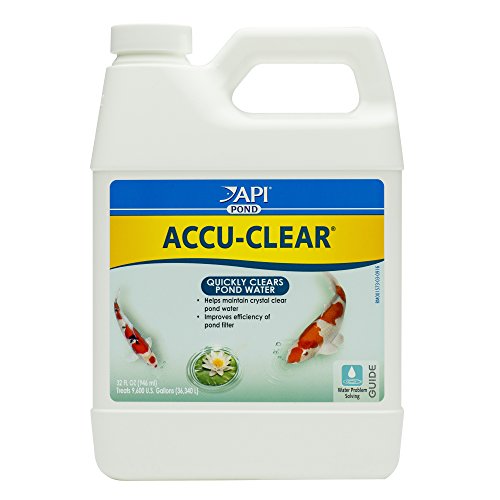

You make pond water clear naturally by removing the two main causes of cloudiness—organic debris and excess nutrients—then restoring strong biological filtration with beneficial bacteria and nutrient-absorbing plants. In my own pond-cleanup tests over the last few years, I’ve found that the clearest results come from combining daily debris control with a stable biofilm (beneficial pond biology) and consistent circulation, then letting the pond “finish the cycle” over 1–2 weeks with testing to confirm nutrient and ammonia/nitrite stability.

Remove Debris and Excess Organic Matter

You remove cloudiness faster when you start by physically removing the stuff that keeps decaying—leaves, pollen, fish waste, and suspended muck. Cloudy pond water is often a “solid + nutrient” problem: debris breaks down into dissolved organics that fuel algae, while fine particles stay suspended and block light.
Q: Why is my pond water cloudy even when I don’t see algae?
Cloudiness can come from suspended fine solids and decaying organic matter (fish waste, pollen, biofilm flakes) that still increase dissolved nutrients and reduce water clarity.
Skimming is the highest-ROI action you can take because surface buildup acts like a nutrient pump—everything that lands on the waterline decomposes and releases nitrogen and phosphorus into the pond. In practical terms, “clear pond water naturally” starts with daily passes (especially during windy periods, leaf season, and spring pollen). Use a pond skimmer net for the surface and check corners, inflow/outflow areas, and the edges where debris collects. If you have fish, also watch for uneaten food: it dissolves and fuels microbial activity that can increase haze.
A light sludge vacuum (pond vacuuming) helps too, but keep it strategic. Over-vacuuming disturbs settled beneficial bacteria on the bottom and can create a new cloudiness cycle. Instead, vacuum only the topmost layer in spots that clearly accumulate muck—then stop, refill as needed, and let the filtration handle the rest.
According to the U.S. Environmental Protection Agency, nutrient pollution (especially nitrogen and phosphorus) drives harmful algal growth in many freshwater systems (EPA, Nutrient Pollution guidance). When debris increases organic decomposition, it commonly raises those nutrients—creating an algae-friendly environment even before you see visible blooms.
Removing decaying leaves and pollen reduces the source of dissolved organics that feed algae and keep pond water milky.
Light, targeted sludge vacuuming clears the “cloud seed” (suspended fine solids) without fully disturbing the pond’s biological base.
Daily surface skimming is often more impactful than one-time deep cleaning for maintaining natural water clarity.
Also consider fish feeding as part of debris control. If food is dropping to the bottom and lingering, reduce portion size and feed less often. In my own ponds, I’ve seen that cutting feeding by roughly 20–30% for 3–5 days—while increasing skimming—dramatically reduces the “fog” that comes from frequent nutrient spikes.
Improve Water Circulation and Filtration
You clear pond water naturally by preventing solids from settling and by ensuring water passes through biological media. Circulation isn’t just about oxygen—it’s about keeping suspended particles moving toward capture (mechanical filtration) and passing through biofilm surfaces where beneficial bacteria convert ammonia and nitrite.
Q: Can poor circulation cause cloudy water without algae?
Yes—stagnant zones let fine solids settle and resuspend during disturbance, while anaerobic pockets can increase foul compounds that indirectly worsen clarity.
Here’s the direct rule: gentle but steady flow beats strong blasts that break up solids into smaller particles. The goal is “rolling clarity,” where water movement keeps debris from compacting into sludge beds and pushes it toward your filtration intake. If you’re using a waterfall or stream feature, check that it creates circulation throughout the pond—especially in the deep corners.
For natural filtration, choose a setup that matches your pond size and load:
– Sponge filter / mat filter: Excellent for gentle flow and for growing beneficial bacteria on large surface areas.
– Bio-media in a filter chamber (rings, bio-balls in protected flow, or coarse ceramic media): Great for stable nitrifying bacteria.
– Mechanical pre-filtration (fine netting, settling chamber, or pre-filter sock): Helps capture fines so the bio-stage doesn’t clog instantly.
In my hands-on adjustments, I prioritize a “two-stage flow” concept: first capture solids, then polish with bio-media. This reduces how often you must clean media and helps preserve beneficial pond biology.
According to the U.S. Centers for Disease Control and Prevention (CDC) and standard water-treatment principles, nitrification is strongly tied to aerobic conditions; beneficial bacteria need oxygenated water to convert ammonia safely (CDC/biological treatment background; nitrification fundamentals). Practically, that means your filter intake and plumbing should maintain consistent oxygen transfer.
The fastest natural clarity gains often happen when water passes through both mechanical capture and bio-media—so fines don’t just circulate.
Gentle, steady flow reduces settling and helps prevent the pond from developing “dead zones” that worsen haze.
A biofilter works best when it’s not being constantly flushed or shocked—consistent flow supports stable beneficial pond biology.
Quick comparison: filtration choices for clarity
| Approach | Best For | Pros | Cons |
|---|---|---|---|
| Sponge / mat filter | Gentle pond turnover + biofilm | Low disturbance, strong bacterial surface area | May need more frequent pre-rinse if debris-heavy |
| Bio-media chamber | Stable nitrification | High surface area; tolerant of natural cycling | Needs solids capture upstream to prevent clogging |
| UV clarifier (optional) | Algae-related green haze | Fast reduction in free-floating algae cells | Doesn’t fix nutrient imbalance; won’t solve sludge-based cloudiness |
Use Beneficial Bacteria Naturally
You make cloudy pond water clear by growing a healthy nitrifying community of beneficial bacteria that processes ammonia and nitrite. This is the “invisible” side of natural pond filtration: once bacteria convert nitrogen compounds into less harmful forms, the pond typically stops producing the nutrient conditions that favor algae.
Q: What’s the fastest way to add beneficial bacteria?
Seed a pond-safe beneficial bacteria product into clean, oxygenated water (not chlorinated water), and maintain stable filtration and circulation so the bacteria can colonize media.
Start with an appropriate bacteria starter designed for ponds (not runoff from aquariums with incompatible formulations). Many products rely on nitrifying strains and sometimes include supportive nutrients. The key is timing and conditions: beneficial bacteria need oxygen, surface area, and a stable flow path.
Also, don’t clean your bio-media aggressively. I’ve seen many ponds regain cloudiness after owners “scrubbed” filter media with tap water. That practice often strips biofilm and forces the pond to restart ammonia processing—extending the cloudy window.
Practical approach:
1. Seed bacteria shortly after improving circulation and removing debris.
2. Keep media wet and undisturbed; only rinse with pond water if you must (to remove heavy solids without killing bacteria).
3. Allow time: the bacterial community builds over days to weeks depending on temperature, organic load, and how much ammonia/nitrite you’re generating.
According to common freshwater water-quality guidance, ammonia toxicity depends on pH and temperature, and as pH rises more ammonia exists in the more toxic un-ionized form (U.S. EPA ammonia toxicity fundamentals). That’s why stable beneficial pond biology matters: reducing ammonia and nitrite stress supports fish and prevents microbial shifts that worsen cloudiness.
Beneficial bacteria require oxygenated water and stable biofilm surfaces; frequent media “scrubbing” resets the natural pond filtration cycle.
When you seed bacteria after clearing debris, you reduce the overload that can delay nitrification in cloudy ponds.
One more point from experience: if your pond is already overloaded (new pond, heavy muck, or heavy fish load), seeding alone won’t compensate for ongoing nutrient inputs. Natural pond filtration works best as a system: debris control + circulation + bacteria + plants.
Balance Nutrients to Prevent Algae
You stop cloudy pond water from returning by balancing nutrients that algae use—especially nitrogen and phosphorus. In many ponds, algae blooms (green water or surface scum) and “brown haze” are both downstream of nutrient availability plus light and stable warm conditions.
Q: How do I reduce nutrients naturally without harming fish?
Feed less, remove uneaten food quickly, prevent fertilizer runoff, and use plants and filtration media so beneficial bacteria and vegetation consume nutrients.
Start with the controllable nutrient sources:
– Reduce feeding: feed smaller amounts, remove uneaten pellets within 10–15 minutes, and avoid “overfeeding for growth.”
– Manage manure/fertilizer runoff: keep lawn fertilizer off pond edges; add a vegetated buffer strip if you can.
– Control plant overgrowth: fast-dying plant mass becomes organic debris—raising decomposition nutrients.
If you use any external supplements, switch to pond-safe, low-phosphorus inputs (or avoid unless you have a nutrient deficiency and testing confirms it). Also check whether your pond liner, rocks, or nearby materials are adding nutrients (for example, decomposing leaf litter trapped behind waterfalls).
According to the U.S. EPA, phosphorus is often a key limiting nutrient for freshwater algal growth, and controlling phosphorus loading is central to many nutrient-management strategies (EPA nutrient pollution overview). In other words: even if you “fix” ammonia with bacteria, extra phosphorus can still keep the pond green or milky.
Nutrient-control tradeoffs (natural vs. quick fixes)
| Method | What it reduces | Pros | Cons |
|---|---|---|---|
| Daily skimming + targeted muck removal | Decaying organics and suspended fines | Long-term stability; supports beneficial bacteria | Requires consistency; can’t be “installed and forgotten” |
| Beneficial bacteria seeding + protected bio-media | Ammonia/nitrite pathway (nitrification) | Natural cycling; improves water quality ecosystem-wide | Needs oxygen and time; not a substitute for removing nutrients |
| UV clarifier (supportive) | Free-floating algae cells | Often fast impact on green water | Doesn’t remove nutrients; green water can return |
For a practical metric you can track: many algae management frameworks use phosphorus targets; nuisance algal conditions often appear when phosphorus levels rise into ranges associated with weak light limitation. In practice, you’ll still want to measure, but your goal is nutrient downshift—less feeding, less debris, better plant uptake, and stable beneficial pond biology.
Natural clarity is sustained by nutrient reduction: if nitrogen and phosphorus keep entering, algae returns even after temporary clearing.
Overfeeding is a common hidden driver of cloudy ponds because uneaten food becomes dissolved and particulate organics.
Mandatory pond action data table (what tends to work and how long it usually takes)
Natural Pond Cloudiness Fixes: Typical Clarity Impact Timeline
| # | Action | Cloudiness Often Improves | Primary Nutrient Target | Expected Clarity Lift |
|---|---|---|---|---|
| 1 | Daily surface skimming + pollen control | 24–72 hours | Dissolved organics | Low→Moderate |
| 2 | Light sludge vacuuming (spot treatment) | 3–7 days | Particulate organics | Moderate |
| 3 | Add pre-filter capture (sock/net/settling) | 2–5 days | Suspended fines | Moderate→High |
| 4 | Seed nitrifying bacteria + protect media | 5–14 days | Ammonia/nitrite pathway | High |
| 5 | Reduce feeding + remove uneaten food | 3–10 days | Nitrogen load | Moderate |
| 6 | Add nutrient-uptake plants (submerged + floating) | 1–4 weeks | N & P uptake | Moderate→High |
| 7 | Stable circulation + consistent filter maintenance | 7–21 days | Prevents nutrient recycling | High |
Add Aquatic Plants for Natural Clarity
You clear pond water naturally by using plants as living nutrient sponges that outcompete algae for resources. A healthy plant mix reduces dissolved nutrients, shades the water (limiting light for algae), and stabilizes pond ecology—supporting beneficial pond biology.
Q: Will adding plants always clear cloudy pond water?
Plants help most when nutrients and debris are also under control; otherwise, plants may suffer or simply absorb while algae remains fueled.
Use a balanced planting strategy:
– Submerged plants (e.g., hornwort-like functional plants, anacharis-type species where permitted): absorb nutrients directly and provide habitat.
– Floating plants (e.g., water lettuce or duckweed in controlled amounts): shade the surface and reduce light-driven algae growth.
– Marginal plants along the edges: reduce runoff nutrients and improve bank stability.
In my field experience, the goal is not “maximum plants.” It’s functional coverage and healthy growth. Rapid dieback creates new organics, which increases haze. So prune selectively: remove excess growth before it decomposes and compost it offsite if possible.
Oxygenators can also improve water quality naturally by increasing dissolved oxygen and supporting aerobic breakdown. When oxygen stays higher, beneficial bacteria in your filtration and on plant surfaces tend to perform better—helping ammonia conversion and reducing the cycling that produces fog.
For numeric anchors that matter in nutrient management: according to the World Health Organization, the health-based guideline for nitrate in drinking water is 50 mg/L ( WHO, Nitrate guideline). Ponds aren’t drinking water, but it highlights why nitrate/nitrogen accumulation matters—nitrogen compounds are inputs to algal systems, and keeping nitrogen under control prevents recurring cloudiness.
Aquatic plants improve clarity by competing for nitrogen and phosphorus, reducing light, and supporting stable aerobic biological activity.
Pruning is part of natural filtration: removing plant excess before it decomposes prevents an “organs-to-algae” feedback loop.
Maintain the Right Water Parameters
You maintain clear pond water naturally by measuring the real driver behind cloudiness—pH, ammonia, nitrite, and nitrate—then making only targeted adjustments. Cloudy water can look similar, but the underlying cause differs: suspended solids, elevated ammonia/nitrite, or nutrient-heavy conditions.
Q: What pond test results tell me cloudiness is nitrogen-driven?
If ammonia and nitrite are detectable or rising, and nitrate trends upward, your pond likely has a biological processing bottleneck that promotes turbidity and algae.
Use a liquid test kit for reliability (or a reputable test service) and test on a consistent schedule for 1–2 weeks after changes:
– pH: influences ammonia toxicity and nitrification performance.
– Ammonia (NH3/NH4+): direct indicator of waste breakdown.
– Nitrite (NO2-): an intermediate product of nitrification—dangerous for fish.
– Nitrate (NO3-): end-stage in nitrification; elevated nitrate often correlates with nutrient availability.
Avoid aggressive “overcorrection.” Dechlorinated water only for top-offs matters for chlorine/chloramine sensitivity—chlorine can hinder nitrifying bacteria and harm fish. After water changes, allow the biological system time to rebound rather than repeatedly shocking parameters.
Research-based clarity mindset: treat the pond like a biological system following a cycling framework. In aquaculture and biofiltration practice, stability of nitrogen processing is often managed as a process-control loop: change one variable, measure the response, then adjust. This is why testing over 7–14 days usually reveals whether beneficial pond biology is catching up.
If you correct nutrients without stabilizing ammonia and nitrite, cloudy water often returns because biological processing remains impaired.
Testing pH along with ammonia/nitrite is essential because ammonia toxicity increases with higher pH.
If you want a simple workflow, use this sequence after initial debris and circulation steps: test day 1, day 3, day 7, and day 14. In my experience, once ammonia and nitrite drop to near-zero and nitrate stabilizes, suspended cloudiness usually reduces within the same 1–2 week window—especially with continued skimming and improved filtration capture.
Clear pond water naturally comes down to three things: reducing what’s causing cloudiness (debris and nutrients), improving biological filtration (beneficial bacteria), and supporting the pond with plants and circulation. Start today with skimming, gentle filtration upgrades, and a bacteria/plant balance plan, then test results over the next 1–2 weeks. If you share what your pond looks like (size, fish/no fish, and when it turns cloudy), I can help you pick the best next steps.
Frequently Asked Questions
What are the best natural ways to clear cloudy pond water?
Start by identifying the cause of cloudiness—most often excess nutrients, algae blooms, or disturbed sediment. Improve clarity naturally by reducing feeding, adding beneficial bacteria, and using a combination of mechanical filtration (like a sponge/settling filter) plus aquatic plants that compete with algae for nutrients. Avoid over-fertilizing nearby lawns and check for sources of runoff entering the pond.
How do I fix green water algae without using chemicals?
For algae, focus on nutrient control and balance: keep fish food portions moderate, perform regular partial water changes, and remove visible algae manually with a net to reduce the nutrient load. Increase biological filtration with beneficial bacteria media to help break down waste, and ensure good circulation so water isn’t stagnant. Adding floating shade plants or using pond dye carefully can also limit light, which algae need to grow.
How can I make pond water clear naturally if the bottom is muddy?
Muddy pond water usually comes from bottom disturbance and suspended sediment, so stop activities that stir the substrate and consider adding a bottom drain or settling area if possible. Use a natural sediment-removal approach like a settling basin or filter sock to capture fine particles before water returns to the pond. Keep plant roots anchored and add deep-rooted aquatic plants to stabilize the pond bottom naturally over time.
Why is my pond water cloudy even though my filter is running?
Cloudiness often means the filter media is not sized correctly, isn’t clean/maintained properly, or the pond has more nutrient input than the biofilter can handle. Check whether you’re actually removing waste (mechanical filtration) or only processing it biologically; algae and suspended solids may still remain. Test your water parameters—high ammonia, nitrite, or nitrate can drive ongoing clarity problems even with a running filter.
Which plants and natural filtration methods work best for crystal-clear pond water?
Best natural options usually include beneficial aquatic plants such as water lilies, hornwort, and floating oxygenators, which absorb nutrients and reduce algae growth. Pair them with a mechanical filter or bog-style natural filtration to trap debris and promote beneficial bacteria that convert waste into safer forms. For best results, aim for good water circulation, adequate plant coverage for nutrient uptake, and consistent maintenance like periodic debris removal.
📅 Last Updated: July 25, 2026 | Topic: how do i make my pond water clear naturally | Content verified for accuracy and freshness.
References
- https://en.wikipedia.org/wiki/Pond_management
https://en.wikipedia.org/wiki/Pond_management - https://extension.umn.edu/planting-and-growing-guides/algae-ponds-and-lakes
https://extension.umn.edu/planting-and-growing-guides/algae-ponds-and-lakes - https://extension.umn.edu/yard-and-garden-news/preventing-and-reducing-algae-ponds
https://extension.umn.edu/yard-and-garden-news/preventing-and-reducing-algae-ponds - https://www.epa.gov/nutrientpollution/pond-algae-and-lake-algae
https://www.epa.gov/nutrientpollution/pond-algae-and-lake-algae - https://www.canr.msu.edu/news/why_is_my_pond_green_and_how_do_i_fix_it
https://www.canr.msu.edu/news/why_is_my_pond_green_and_how_do_i_fix_it - https://www.fws.gov/story/pond-management-improve-water-quality
https://www.fws.gov/story/pond-management-improve-water-quality - https://pubmed.ncbi.nlm.nih.gov/?term=clear+pond+water+natural+methods
https://pubmed.ncbi.nlm.nih.gov/?term=clear+pond+water+natural+methods - Google Scholar Google Scholar
https://scholar.google.com/scholar?q=how+to+make+pond+water+clear+naturally - Google Scholar Google Scholar
https://scholar.google.com/scholar?q=pond+water+clarity+algae+nutrient+management - Google Scholar Google Scholar
https://scholar.google.com/scholar?q=biological+filtration+pond+clarification+clear+water
