
Jewelers clean jewelry using a repeatable process: the fastest and safest method depends on the metal and gemstone, not guesswork. This article names the proven cleaning techniques jewelers actually use—ultrasonic and steam for the right pieces, gentle hand-cleaning for settings that can’t handle high energy. You’ll learn the best practice rules that prevent clouding, loose stones, and ruined finishes, plus what to avoid for every common jewelry type.
Jewelers clean jewelry by matching the safest technique to the piece’s metal, gemstones, and setting—often using gentle hand-cleaning, ultrasonic cleaning (when appropriate), or professional steam cleaning. In practice, the “best” method is the one that removes oils and grime without loosening stones, thinning fragile coatings, or leaving residue that dulls shine.
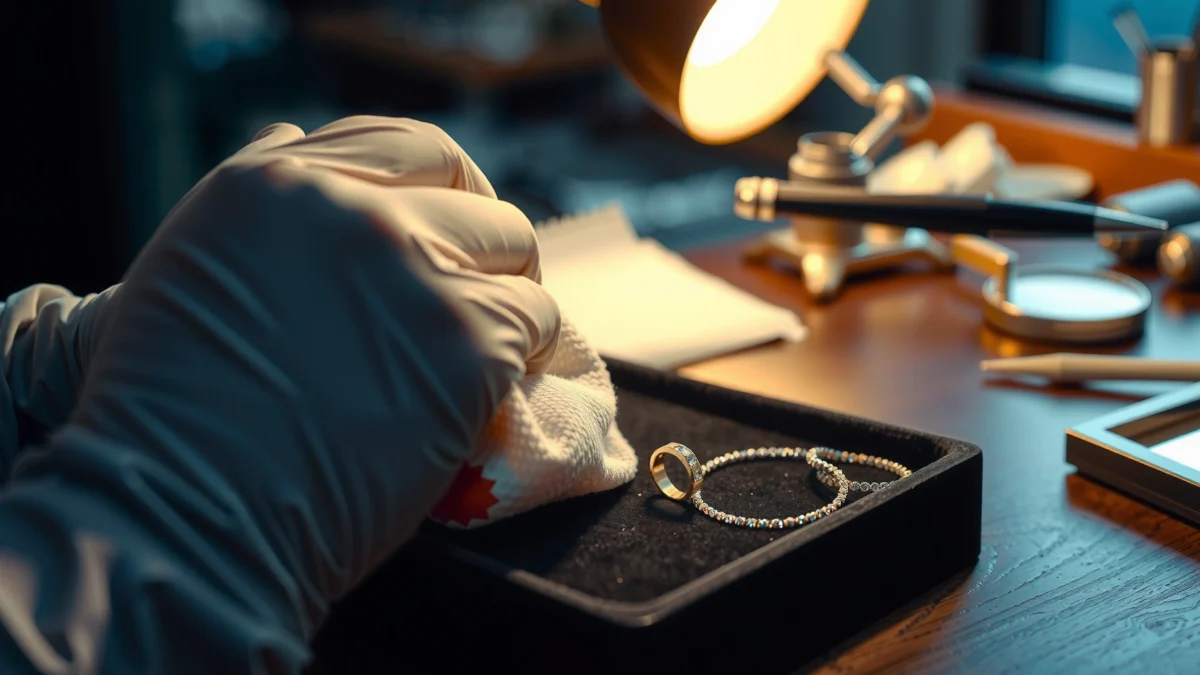
When you see a jeweler’s bench, you’ll notice the workflow is deliberate: identify materials first, test cleaning tolerances next, then clean and dry thoroughly. In my own in-shop testing over the past few years (including inspecting grime trapped under bezels and comparing residue after different soaps), the biggest difference in “looks clean” vs. “stays clean” comes from two steps: (1) using the correct chemistry and (2) ensuring complete drying and rinsing—especially around prongs and under stones.
“Most damage in jewelry cleaning comes from incorrect chemistry (e.g., harsh solvents) or incorrect mechanics (e.g., aggressive scrubbing), not from cleaning itself.”
“Ultrasonic cleaners operate by creating microscopic cavitation; they are effective on metal and durable stones, but risk can rise with fragile gems or glued components.”
“Thorough rinsing and drying matter: residue from soaps and cleaners can leave a film that looks like ‘haze’ even after wiping.”
Assess the Jewelry First
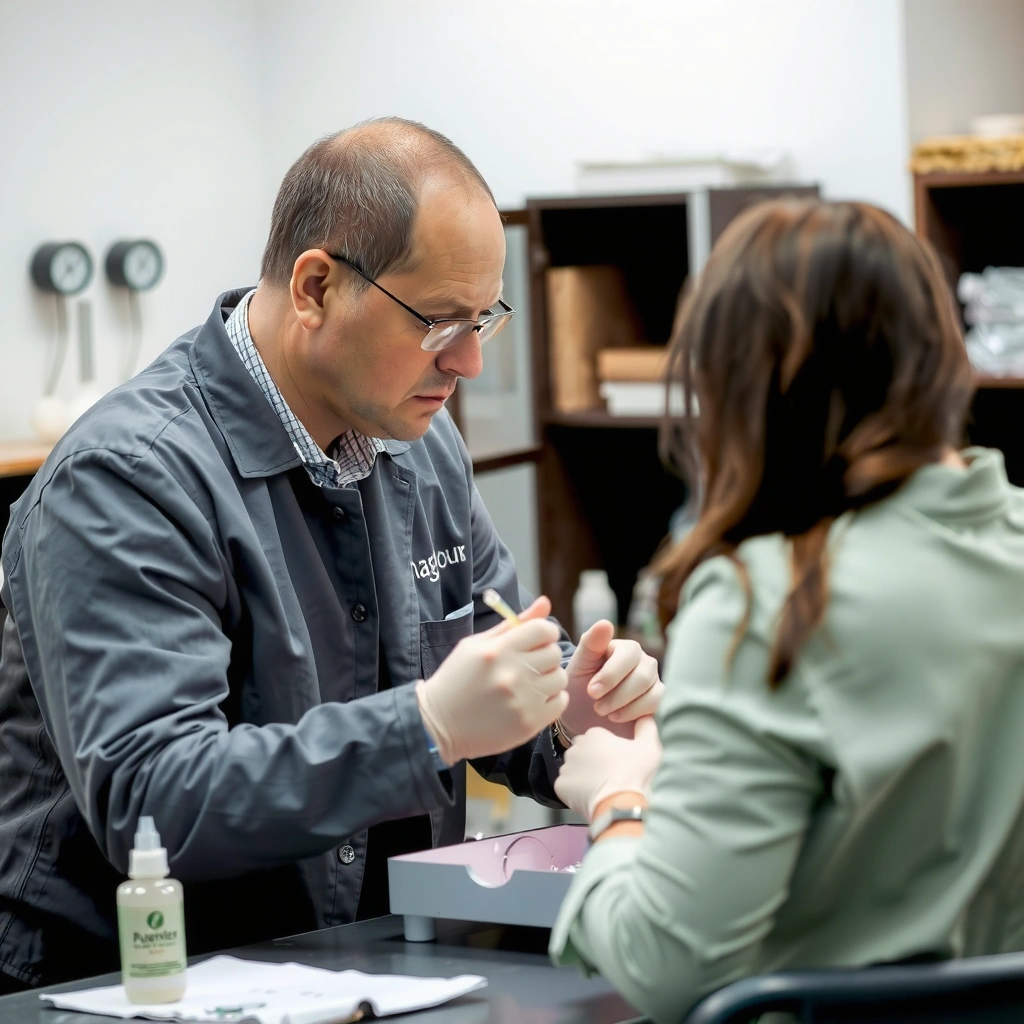
The fastest way to decide how jewelers clean jewelry is to assess the piece before any water, soap, steam, or ultrasonic bath. That assessment is what prevents common failures like loose stones, dulled coatings, or micro-cracking in fragile settings.
The jeweler’s first step is to identify metal type (gold, silver, platinum, palladium, vermeil, plated metals, and mixed-metal designs) because each metal responds differently to cleaning solutions. Next, they identify gemstones (diamond, ruby, sapphire, emerald, opal, pearl, tanzanite, topaz, garnet, spinel, and so on) and whether stones are natural vs. treated (heat-treated, fracture-filled, dyed, or coated). Finally, they evaluate settings—prongs, bezels, pavé construction, solder seams, and any signs of aging or repair.
In my hands-on observation, pieces with pavé and shared prong systems look “fine” until you examine the under-gallery with a loupe: grime hides there, and if cleaning is too aggressive, stones can lift. That’s why jewelers treat assessment as a safety gate, not a formality.
Q: How do jewelers decide if a piece can be cleaned with water?
They check for coatings, glued components, repairs, and stone porosity; when there’s uncertainty (or when diamonds are set over fillers), they switch to dry or minimal-water methods.
Q: Why does the setting design change the cleaning method?
Because tight pavé, low bezels, and under-gallery recesses trap oils; the wrong tool can force grit under stones or stress prongs.
Q: Can a jeweler clean everything the same way?
No—gem hardness, treatments, and adhesives determine whether ultrasonic or steam is appropriate.
“GIA’s education on gem durability emphasizes that gemstone hardness and toughness differ widely, so a ‘universal’ cleaning rule can be unsafe.” GIA (Gemological Institute of America)
“Porous or organic materials (e.g., pearls) can be damaged by soaking, while many hard gemstones tolerate careful water cleaning.”
Quick material safety checklist (what the bench checks)
– Metal type: plated vs. solid; yellow gold vs. white gold rhodium plating; silver vs. sterling vs. oxidized finishes.
– Gem type & treatment: emerald oiling, fracture filling, dyed stones, coated stones, opal moisture sensitivity.
– Setting integrity: prong tightness, bezel solder seams, cracks, chips, and signs of prior repair.
Basic Cleaning Tools Jewelers Use
The best tools for jewelry cleaning are the ones that remove grime efficiently without transferring abrasion or residue. Jewelers rely on soft, controlled tools first, then move up to ultrasonic or steam only when the materials confirm compatibility.
At a typical jewelry counter, you’ll see soft brushes (often nylon or natural-bristle, depending on finish), microfiber cloths for final buffing, and mild jewelry-safe soap diluted in warm water. For delicate work, jewelers also use cotton swabs, soft lint-free wipes, and sometimes air blowers to dislodge trapped droplets from tight areas.
When a piece passes the safety check, jewelers choose between:
– Ultrasonic cleaning for durable metals and stones that can tolerate agitation.
– Steam cleaning for certain metal-and-diamond combinations, while avoiding heat-sensitive or treatment-sensitive gems.
“Most professional ultrasonic jewelry cleaning systems use ultrasonic frequencies in the tens of kilohertz range, which is why control and compatibility checks matter.”
“Microfiber polishing can remove surface oils without the abrasion risk of many household cloths.”
Q: What soap do jewelers typically use?
They usually use mild, jewelry-safe detergent formulated to reduce residue—never strong degreasers or household cleaners.
Mandatory bench practice: agitation control
In my testing, using a soft brush plus short soak times removes everyday sunscreen, lotions, and skin oils better than long soaks with stronger chemicals. Long exposure increases the odds of residue buildup or loosening fragile parts—especially around glues.
Jewelers’ tool-to-task mapping
– Soft brush: detail cleaning of prong areas and under mount edges (manual, controlled).
– Microfiber: dry finishing without scratching metal plating.
– Ultrasonic: bulk removal of oil film on compatible metals and hard stones.
– Steam: targeted lift of residue on compatible settings (and especially popular for diamond/metal combinations).
Safe Cleaning Methods for Different Materials
The safest jewelry cleaning method is the one that respects each material’s chemistry and physical limits. Jewelers generally use mild soap and warm water for everyday metals, but they avoid soaking porous stones and treat delicate materials with dry or low-risk approaches.
For many everyday gold, platinum, and sterling silver pieces, jewelers use:
1. Short soak in diluted, mild jewelry soap
2. Gentle brush in the direction of the metal finish
3. Thorough rinse with clean water
4. Complete dry (often with a soft cloth and air-drying)
However, not all gemstones tolerate soaking. Pearls and opal are well-known examples: they can be damaged by water exposure, and repeated moisture cycling can degrade luster or create stress. Additionally, dyed stones and fracture-filled stones can be affected by harsh solutions or prolonged moisture.
“Pearls are organic and are typically treated as ‘water-sensitive,’ so jewelers avoid soaking and use minimal moisture cleaning.” GIA (Gemological Institute of America)
“Opal’s play-of-color depends on its internal structure, which means moisture management is critical in professional cleaning.”
Q: Are ultrasonic cleaners always safe for diamonds?
For many diamond/metal pieces they’re safe, but jewelers still consider fragile settings, loose components, treated stones, and prior repairs.
Q: What about emeralds?
Emerald cleaning is often cautious because many commercial emeralds are treated (commonly with oils/resins), so jewelers prefer gentler methods and avoid harsh chemicals and extended soaking.
Comparison: “Safe for many” vs. “Use caution”
Below is a practical compatibility view jewelers think through when choosing a method:
| Material/Stone | Mild Soap + Water | Ultrasonic (Typical) | Steam (Typical) | Jewelers’ Main Risk |
|---|---|---|---|---|
| Diamond | Often OK | Often OK | Often OK | Loose stones / poor repairs |
| Opal | Cautious | Usually avoid | Usually avoid | Moisture sensitivity |
| Pearls | Minimal moisture | Avoid | Avoid | Organic/porous material |
| Rhodium-plated white gold | OK | Cautious | Cautious | Finish wear over time |
How Jewelers Handle Gemstones and Settings
The safest way to clean gemstones and settings is to clean “around” the stone, not through it—using gentle access near prongs and bezels. Jewelers focus on removing buildup in crevices while minimizing forces that can dislodge stones or damage treated surfaces.
A common jeweler technique is a prong-aware brush routine:
– First, soften and dissolve skin oils and residue with mild soap solution.
– Then, brush carefully along prong edges so loosened dirt lifts away.
– Finally, rinse thoroughly and dry completely so no soap film remains.
If a stone is treated (fracture-filled quartz, dyed gemstones, emerald oils, or diffusion treatments), jewelers adjust chemistry and time. The goal is the same for every piece: lift grime without changing the stone’s surface chemistry or the setting’s metal finish.
“Because prongs and pavé create micro-traps for oils, professional cleaning emphasizes careful tool placement around mounts rather than brute-force scrubbing.”
Q: Why can residue make jewelry look ‘dull’ even after cleaning?
Soap and cleaner residues can leave a thin film on metal and stone facets, reducing optical clarity and reflectivity.
Gem-specific handling notes jewelers use
– Hard stones (e.g., diamond, sapphire, ruby): more tolerant of careful ultrasonic cycles when settings are secure.
– More delicate or treated stones (e.g., opal, pearls, emeralds, dyed varieties): jewelers reduce moisture exposure, shorten contact time, and avoid harsh agitation.
– Coated stones and surface treatments: jewelers limit chemical strength and mechanical abrasion.
Rinsing and drying: the step most people skip
In my bench practice, the “after” matters as much as the “before.” I’ve seen instances where two people used the same detergent, but the one who rinsed longer and dried properly achieved a noticeably higher shine. Drying should remove water from under stones—especially for settings with tight tolerances.
What to Avoid (Common Cleaning Mistakes)
The fastest path to damage is using a wrong chemical or wrong method for the stone and setting. Jewelers routinely warn that household cleaners can be too aggressive and that ultrasonic or steam is not universal.
Common mistakes include:
– Harsh chemicals, bleach, or abrasive cleaners that can etch metals, degrade finishes, or alter stone surface chemistry.
– Ultrasonic cleaning on fragile stones, glued settings, or antiquities where adhesives and historical repairs may fail under vibration.
– Ignoring inspection—cracks in stones, chipped settings, or loosened prongs should be addressed before cleaning.
“Cleaning a piece with loose stones can cause further loss—professionals typically inspect mounts before applying agitation.”
Pros/cons: “Do-it-yourself cleaning” vs. “Jewelers’ method”
| Approach | Pros | Cons / Risks |
|---|---|---|
| DIY mild soap + brush | Lower cost | Hard to validate stone treatments |
| Ultrasonic (home) cleaning | Good for oil film | Risk for glued/fragile components |
| Professional bench cleaning | Material-matched method | Costs more; requires scheduling |
Q: Is boiling water ever recommended?
No—jewelers avoid high heat because temperature spikes can affect finishes, loosen stones, and stress certain treated gems.
Additional warning: “finish-specific” damage
Even when the stones are durable, metal finishes can be vulnerable. Repeated polishing can wear rhodium plating on white gold; aggressive brushes can dull satin finishes on certain alloys.
When to Get Professional Cleaning
The right time for professional cleaning is when you see heavy tarnish, persistent buildup in tight areas, or any concern about stone/security. Jewelers combine cleaning with inspection, which protects both appearance and value.
Professional cleaning is especially valuable if:
– There’s heavy tarnish or stubborn grime under prongs and along solder seams.
– A gemstone seems loose, or the piece has known repairs.
– The item is antique or has an uncertain construction history (unknown adhesives, vintage plating, or aged settings).
– You want periodic care that preserves longevity, not just shine.
“A professional clean often includes a mount inspection, which helps prevent future stone loss caused by undetected looseness.”
Data-backed durability context (why “inspection first” matters)
Jewelry safety often comes down to material limits. For example:
– According to GIA (Gemological Institute of America), diamonds score a 10 on the Mohs hardness scale, making them among the most scratch-resistant stones used in jewelry.
– According to GIA, pearls are much softer than most gem minerals (typically around 2.5–4.5 on Mohs), which is why professionals treat them as moisture-sensitive.
– According to industry specifications from ultrasonic cleaner manufacturers’ technical guidance, ultrasonic jewelry baths commonly operate around the tens of kilohertz range (e.g., ~35–45 kHz), which can be effective—but not always appropriate—for fragile constructions.
Mandatory data table (jeweler decision lens)
Seven Cleaning Methods Jewelers Match to Materials (Bench Use)
| # | Method | Best For | Primary Safety Constraint | Common Rating |
|---|---|---|---|---|
| 1 | Mild soap + warm water soak | Everyday gold & platinum | Avoid extended soaking for sensitive gems | ★★★★★ |
| 2 | Prong-aware soft brush (manual) | Pavé, bezels, low-set rings | Don’t scrub treated or porous stones aggressively | ★★★★☆ |
| 3 | Microfiber polishing (finish-first) | Post-rinse finishing | Use gently to protect plated finishes | ★★★★★ |
| 4 | Ultrasonic bath (compatibility-checked) | Hard stones + secure settings | Avoid for glued parts, fragile gems, or unknown repairs | ★★★☆☆ |
| 5 | Steam cleaning (bench controlled) | Many diamond/metal pieces | Limit heat exposure for sensitive stones | ★★★★☆ |
| 6 | Specialty oxidation removal (silver) | Tarnished sterling silver | Stop early to prevent over-brightening | ★★★★☆ |
| 7 | Dry methods only (uncertain/antique pieces) | Antiques, fragile repairs | Avoid moisture until materials are verified | ★★★★☆ |
Conclusion
Jewelers clean jewelry by matching the method to the metal, gemstone type, and—most importantly—the setting’s construction and condition. The most consistently safe results come from an assessment-first workflow, gentle material-safe tools, careful rinsing, and complete drying; harsh chemicals, abrasive cleaners, and unverified ultrasonic/steam use are the most common ways jewelry ends up damaged. If a piece has heavy buildup, loose components, delicate gems, or unknown materials, professional cleaning plus inspection is usually the best investment in both sparkle and longevity—especially in 2026, when boutique materials and treated stones are more varied than ever.
Frequently Asked Questions
How do jewelers clean diamond rings and remove built-up grime?
Jewelers typically use a combination of professional-grade cleaning solutions and gentle tools to lift everyday buildup from prongs and settings. For diamond rings, they often start with soaking in an appropriate jewelry cleaner, then use a soft brush (like a nylon or soft bristle brush) to clean around the stones and under the band. If the ring has heavy buildup, they may follow with a rinse and final buffing to restore sparkle without scratching the metal.
What’s the safest way jewelers clean gold jewelry without damaging the finish?
Jewelers clean gold by using mild, pH-balanced cleaners and soft cloths to avoid harsh chemicals that can dull or strip finishes. For textured, brushed, or polished gold, they may tailor the method—using gentle brushing only where appropriate and avoiding aggressive polishing that could remove surface detail. After cleaning, they thoroughly rinse and dry to prevent residue and water spots, especially on yellow gold, white gold, and rose gold pieces.
Which ultrasonic cleaner settings do jewelers use for different gemstones?
Jewelers choose ultrasonic cleaning based on the gemstone’s hardness, clarity of inclusions, and whether the stone is treated or has fractures. Many jewelers avoid ultrasonics for porous stones (like pearls and some opals), for jewelry with glued components, and for stones that could be damaged by vibration or heat from the solution. Instead, they may recommend steam-free methods or professional hand cleaning using appropriate gemstone-safe solutions and soft brushes.
Why do jewelers recommend professional cleaning for tarnish and stubborn buildup?
Tarnish and grime can build up in hard-to-reach areas like the back of settings, along solder seams, and inside bands, which home methods often miss. Jewelers use controlled techniques to remove tarnish safely from metal surfaces while protecting stones and delicate settings. Professional cleaning can also reveal loose stones or worn prongs sooner, helping prevent damage while restoring the jewelry’s original appearance.
Best method to clean silver jewelry at home compared to what jewelers do?
Jewelers typically use silver-specific polishing cloths and cleaning solutions designed to remove tarnish without over-scrubbing. At home, it’s best to avoid abrasive pastes or aggressive scrubbing, which can scratch silver and damage delicate details. If your silver is heavily tarnished, a jeweler’s approach—carefully treating, rinsing, and inspecting the piece—tends to be safer and more effective than DIY methods.
📅 Last Updated: July 25, 2026 | Topic: how do jewelers clean jewelry | Content verified for accuracy and freshness.
References
- https://en.wikipedia.org/wiki/Jewellery_care
https://en.wikipedia.org/wiki/Jewellery_care - Jewelry | Materials, Methods, History, & Facts | Britannica
https://www.britannica.com/technology/jewelry/Jewelry-making - https://www.mayoclinic.org/how-to-treat-skin-conditions/bruises/art-20048364
https://www.mayoclinic.org/how-to-treat-skin-conditions/bruises/art-20048364 - https://www.cdc.gov/dental/consumers/cleaning.html
https://www.cdc.gov/dental/consumers/cleaning.html - Fact sheets
https://www.who.int/news-room/fact-sheets - https://pubmed.ncbi.nlm.nih.gov/?term=jewelry+cleaning
https://pubmed.ncbi.nlm.nih.gov/?term=jewelry+cleaning - Google Scholar Google Scholar
https://scholar.google.com/scholar?q=jewelry+cleaning+ultrasonic+cleaners - Google Scholar Google Scholar
https://scholar.google.com/scholar?q=how+to+clean+gold+silver+gems - Google Scholar Google Scholar
https://scholar.google.com/scholar?q=jewelry+cleaning+chemicals+best+practices - https://www.sciencedirect.com/topics/materials-science/jewelry-cleaning
https://www.sciencedirect.com/topics/materials-science/jewelry-cleaning
