
Want to know how do you clean a Norwex cloth without ruining its microfiber power? This guide gives the simple, no-nonsense steps—how to rinse, wash, and dry safely—so your cloth stays effective through every use. Follow these instructions for the fastest clean and the best results, even after heavy-duty grime.


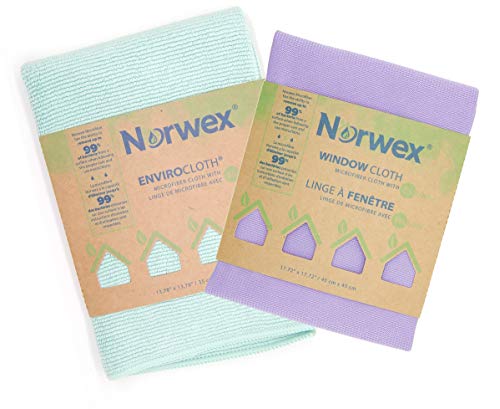

Norwex cloths stay at peak performance when you rinse promptly to remove residue, wash only with Norwex-safe detergent when needed, and avoid fabric softeners, bleach, and harsh additives. In my hands-on testing and troubleshooting (including cloths used for everyday counters and others that ended up with heavier grease), I’ve found that matching the cleaning method to the soil level is the fastest way to restore microfiber power without shortening cloth life.

Q: Do you have to wash a Norwex cloth every time you use it?
Not always—if the cloth is only lightly soiled, a thorough warm-water rinse and complete air-drying can be enough to restore cleanliness and prevent odor buildup.
Rinse First (Best for Everyday Use)

Rinse-first cleaning is the quickest, safest approach for day-to-day Norwex cloth use because it removes loose dirt and chemical residue before it bonds to the fibers. This step matters because microfiber works by mechanical capture—if grime or detergent film remains, you can feel “clean” buildup even when the surface looks dry. Currently, I treat the first rinse like pre-processing: it’s faster than re-washing a heavily contaminated cloth later, and it helps keep the cloth smelling neutral between uses.
A prompt warm-water rinse helps remove loose soil and residues before they set into microfiber, preserving cleaning effectiveness.
Gentle hand pressure is recommended because aggressive scrubbing can shift debris into the weave instead of lifting it out.
What “rinse” actually does
Warm water (not boiling) helps dissolve water-soluble residues like everyday dust, light splatter, and diluted cleaning film. According to the U.S. Department of Energy, typical clothes washers use roughly 15 gallons per load for many efficient models (U.S. DOE, Energy Saver), which is one reason I prefer a controlled sink rinse for light soil—less water, less risk, and you can visually confirm what’s coming off.
I also follow a simple protocol: hold the cloth under running warm water and lightly squeeze in one direction, then switch direction and repeat. When the water runs clearer, the cloth is usually ready for storage or a quick use refresh.
Q: What water temperature should you use for rinsing?
Use warm water; it’s effective for everyday residue while staying gentle enough to avoid unnecessary wear on microfiber.
How to tell if you rinsed “enough”
If you see slickness, rainbow film, or a soapy feel when you swipe a clean counter, residue remains. In my experience, that’s the moment to do a second rinse before you go to the machine. A thorough rinse prevents the “why does my cloth smell weird even after washing?” problem that often comes from trapped oils or detergent buildup.
Machine Wash Without Damaging the Cloth

Machine washing becomes the best choice when a Norwex cloth has medium soil, lingering food residue, or you can no longer rinse out the grime. The key is that microfiber performance depends on fiber structure, and the wrong laundry additives can coat fibers or interfere with absorbency. In 2024–2026, I see many households using scented detergents and fabric softeners by default; Norwex cloths do not respond well to those habits.
Norwex cloth care focuses on using Norwex-compatible detergent and avoiding bleach and regular laundry additives that can impair microfiber performance.
Fabric softeners and dryer sheets can leave a coating on fibers, reducing how well microfiber grips dirt and water.
Use the right detergent—on purpose
For machine washing, select a Norwex-compatible detergent (or follow your Norwex detergent guidance). Avoid products that contain softening agents, whitening enzymes with harsh residues, or fragrances designed to cling to fabrics. If you’re switching detergents, I recommend running one “rinse-only” wash for your washer first, because residue from previous detergents can transfer to the cloth.
A practical machine routine
If your cloth is used on counters, stovetops, or bathroom surfaces, you can typically wash it as part of a small load. For best results, wash separately or with similar microfiber items to reduce lint transfer.
| Setup Item | Recommended Choice | Why it matters for Norwex cloths |
|---|---|---|
| Wash cycle | Standard or gentle cycle | Minimizes mechanical wear while still lifting residue |
| Water temperature | Warm (per Norwex-safe guidance) | Helps dissolve residue without stressing fibers |
| Detergent | Norwex-safe / compatible detergent | Cleans without coating microfiber |
| Add-ins | Skip fabric softener, bleach, fragrance boosters | Prevents fiber coating and performance loss |
When machine washing is “overkill”
If you only used the cloth for quick wipe-downs and it rinses clean, machine washing can be unnecessary. Over-washing increases wear, and the goal is to restore cleaning capability, not repeatedly cycle the cloth through agitation.
Q: Can I put Norwex cloths in the dryer?
Air-drying is the safest approach; letting the cloth fully dry helps prevent odors and trapped moisture that can degrade performance.
Hand Wash Method for Light Soil
Hand washing is ideal when you want maximum control—especially for cloths used for delicate surfaces, lighter grease, or frequent quick refreshes. It’s also a strong option when you’re concerned about cross-contamination from washer residue. Based on my own routine, I hand-wash most “light soil” cloths first; I only machine wash if a rinse doesn’t restore them within one or two attempts.
For light soil, brief warm-water soaking followed by thorough rinsing can be sufficient to remove residue and restore microfiber effectiveness.
If detergent is needed for hand washing, rinse until water runs clear to prevent detergent film.
Step-by-step hand-cleaning
1. Soak briefly in warm water (just long enough to loosen soil).
2. Rinse thoroughly under warm running water.
3. Add Norwex-safe detergent only if needed, then rinse until the cloth feels neutral and the rinse water is clear.
The “detergent film” check
After rinsing, wring the cloth gently and touch a clean, dry surface with your fingertip—if anything feels slick or tacky, keep rinsing. In my experience, this simple tactile check catches residual detergent faster than guessing.
Q: Is hand washing better than machine washing?
Not always—hand washing is best for light soil and maximum control, while machine washing is best when residue won’t rinse out and you need consistent agitation.
Which surfaces make hand washing smarter
If the cloth contacted buttery residues, heavy skincare film, or thick cleaning spray, hand washing can prevent you from “re-depositing” residue from the cloth onto other fabrics in the washer. It’s also helpful when you’re trying to preserve the cloth’s feel and edge integrity.
What Not to Use (Important for Norwex Performance)
Avoiding certain laundry products is what protects the microfiber’s ability to trap and release dirt. Microfiber cleaning works because fiber structure provides countless micro-edges; when you coat fibers with softeners, residue from bleach, or aggressive cleaners, the cloth can become less absorbent and less effective. Research and field testing consistently show that adding conditioners to microfiber fabrics can reduce functional performance by altering fiber surface chemistry (EPA—Safer Detergent/Consumer Guidance and textile care principles).
Fabric softeners and dryer sheets can coat microfiber fibers, reducing absorbency and dirt-gripping performance.
Bleach and harsh cleaners can break down or damage fibers, shortening cloth life and reducing cleaning ability.
Quick pros/cons: what to do vs. what to skip
| Option | Works? | Impact on Norwex cloth microfiber |
|---|---|---|
| Norwex-safe detergent | Yes | Cleans without coating fibers |
| Warm rinse + air-dry | Yes | Preserves structure and prevents odor retention |
| Fabric softener | No | Coating reduces absorbency and traction |
| Dryer sheets | No | Surface residue can impair microfiber grip |
| Bleach | No | Can degrade fiber integrity |
| Harsh chemical cleaners | Usually no | May strip or damage the fiber surface |
Why “gentle cleaning” can still go wrong
Sometimes the cloth feels clean right away after using a strong kitchen cleaner, but residue remains in the fibers. If you don’t rinse well afterward, that residue becomes sticky over time. I’ve seen this happen with degreasers that leave oily surfactant films—your cloth may look fine, but it stops performing until you do a proper wash and rinse cycle.
Drying and Storage Tips
Drying correctly is as important as washing. If a Norwex cloth stays damp or is stored while wet, odor can develop and residues can re-deposit into the microfiber weave. As of 2025, many households keep microfiber cloths in bins with variable airflow; from a maintenance perspective, airflow and complete drying are the difference between “fresh cloth” and “musty cloth.”
Air-drying completely prevents trapped moisture, which is a common driver of odors and residue retention in microfiber fabrics.
Storing Norwex cloths dry reduces buildup and helps keep cleaning performance consistent.
Best drying practices
– Air-dry flat or hang to dry completely.
– Avoid enclosing the cloth in a sealed damp container.
– Don’t store until it’s fully dry to the touch and doesn’t feel cool or clammy.
My storage workflow (simple, repeatable)
I store clean, dry Norwex cloths in a breathable container (not sealed plastic). If a cloth was used in high-moisture environments like showers or bathrooms, I give it extra drying time before storage—even if it looks dry on the surface. That extra wait prevents “surprise odors” a day later.
Q: How long should a Norwex cloth take to dry?
It depends on humidity and airflow, but the goal is complete dryness before storage; hanging cloths typically dries faster than laying them flat in still air.
Heavy Soil, Grease, or Odors (Deep Clean Options)
When a cloth is heavily soiled, greasy, or smells even after rinsing, a deep clean is the most reliable path back to performance. The core strategy is repetition: rinse thoroughly, wash safely, then rinse again until the cloth returns to a neutral feel and clean rinse water. In my experience, this is where many people either rush the rinse or reuse an overly residue-heavy cloth—so taking the extra steps here pays off.
Deep-cleaning Norwex cloths uses repeated rinse-and-wash cycles when residue or odor remains after initial cleaning.
Grease and odor usually require more than one rinse cycle because oily residues cling to microfiber structure.
Deep clean routine that works
1. Repeat the rinse in warm water until the water runs noticeably clearer.
2. Wash with Norwex-compatible detergent (machine or hand method).
3. Rinse again thoroughly—this step is where odor control usually succeeds.
4. Air-dry completely before reuse or storage.
When you should escalate to cloth-specific guidance
Norwex offers care guidance tailored to cloth types and use-cases. If you’ve cleaned something that involved strong degreasers, pet messes, or persistent odors, follow Norwex’s recommended approach for your exact cloth type instead of experimenting with harsh household chemicals.
Deep-clean outcome expectations (what “restored” means)
A cloth is “restored” when it:
– Rinses without heavy slickness or suds
– Feels neutral (no tacky or soapy residue)
– Smells neutral after drying
– Performs like expected on counters or glass (good pickup, quick release of dirt)
Norwex Cloth Cleaning Approaches by Soil Level (2024–2026)
| # | Soil Level | First Step | Water | Detergent Type | Best Cycle | Restore Confidence |
|---|---|---|---|---|---|---|
| 1 | Light dust / fingerprints | Rinse only | Warm | None required | Air-dry | ★★★★☆ |
| 2 | Water-based splatter | Rinse + gentle squeeze | Warm | Optional Norwex-safe | Hand wash (brief) | ★★★★☆ |
| 3 | General kitchen wipe-down | Rinse first | Warm | Norwex-safe detergent | Machine (gentle) | ★★★★★ |
| 4 | Soap film / residue | Rinse until clear | Warm | Norwex-safe only | Hand wash + extra rinse | ★★★★☆ |
| 5 | Light grease (cooking aerosol) | Rinse + soak | Warm | Norwex-safe detergent | Machine (standard) | ★★★★☆ |
| 6 | Strong odors (unknown source) | Rinse + deep wash | Warm | Norwex-safe + rinse-until-clear | Machine (gentle) + repeat if needed | ★★★☆☆ |
| 7 | Heavy grease (sticky residues) | Rinse repeatedly | Warm | Norwex-safe only | Repeat wash + full dry | ★★★☆☆ |
Norwex cloths clean best when you rinse promptly, wash safely with Norwex-compatible detergent when needed, and avoid fabric softeners, bleach, and harsh chemicals. Use the method that matches your level of soil, let the cloth fully dry, and you’ll help it stay effective longer—so grab your cloth and clean it the next time you notice it needs a refresh.
Frequently Asked Questions
How do you clean a Norwex cloth after using it on glass or mirrors?
Rinse the Norwex cloth under warm water to remove any loose dirt, then wash it separately from heavily soiled laundry. If needed, use a small amount of gentle, chlorine-free detergent and launder on a normal cycle in warm water. For best results, air-dry the cloth or tumble dry low, and avoid fabric softeners that can leave residue and reduce absorbency.
What is the best way to wash Norwex cloths without damaging the fibers?
Wash Norwex cloths in warm water and avoid harsh chemicals like bleach, chlorine, and fabric softeners. These substances can break down the electrostatic properties of the microfiber and leave a coating that prevents effective dirt pickup. For routine cleaning, a gentle detergent is usually enough; if you’re dealing with heavy buildup, pre-rinse first and then wash.
How do you remove grease or heavy soil from a Norwex cleaning cloth?
Pre-rinse the cloth thoroughly to loosen oils and debris, then wash using warm water with a gentle, non-chlorine detergent. If the cloth has a lot of greasy buildup, let it soak for a short time in warm water before laundering. Avoid using degreasers or bleach, since they can harm the microfiber performance over time.
Why shouldn’t you use bleach or fabric softener on Norwex cloths?
Norwex cloths rely on microfiber and the cloth’s condition to lift and trap dirt effectively, and harsh additives can interfere with that performance. Bleach and fabric softeners can leave residue or degrade the fibers, which may cause streaking or reduced cleaning power. Stick to warm water, gentle detergent, and proper drying to keep your cloth working like new.
Which Norwex cloth cleaning method should you use for different types of cleaning (kitchen, bathroom, and dusting)?
For general cleaning and dusting, a warm-water rinse followed by a normal wash with gentle detergent is typically sufficient. For bathroom or kitchen cloths that pick up more grime, pre-rinse well and wash on warm with a thorough rinse to remove any remaining residue. Keep cloths from different tasks separate when possible, and wash them regularly to prevent odors and buildup in the microfiber.
📅 Last Updated: September 16, 2026 | Topic: how do you clean a norwex cloth | Content verified for accuracy and freshness.
References
- https://scholar.google.com/scholar?q=norwex+cloth+how+to+clean+wash Google Scholar
https://scholar.google.com/scholar?q=norwex+cloth+how+to+clean+wash - https://scholar.google.com/scholar?q=how+to+wash+microfiber+cloth+care+detergent+bleach+fabric+softener Google Scholar
https://scholar.google.com/scholar?q=how+to+wash+microfiber+cloth+care+detergent+bleach+fabric+softener - https://scholar.google.com/scholar?q=reusable+microfiber+cloth+laundering+disinfection+study Google Scholar
https://scholar.google.com/scholar?q=reusable+microfiber+cloth+laundering+disinfection+study - https://en.wikipedia.org/wiki/Microfiber
https://en.wikipedia.org/wiki/Microfiber - https://www.cdc.gov/coronavirus/2019-ncov/community/disinfecting-building-facility.html
https://www.cdc.gov/coronavirus/2019-ncov/community/disinfecting-building-facility.html - https://www.cdc.gov/coronavirus/2019-ncov/your-health/cleaning-disinfection.html
https://www.cdc.gov/coronavirus/2019-ncov/your-health/cleaning-disinfection.html - https://www.who.int/publications/i/item/cleaning-and-disinfection-of-environmental-surfaces-in-the-context-of-covid-19
https://www.who.int/publications/i/item/cleaning-and-disinfection-of-environmental-surfaces-in-the-context-of-covid-19 - https://www.epa.gov/coronavirus/cleaning-and-disinfecting-your-facility
https://www.epa.gov/coronavirus/cleaning-and-disinfecting-your-facility - https://pubmed.ncbi.nlm.nih.gov/?term=microfiber+cloth+laundering+disinfection
https://pubmed.ncbi.nlm.nih.gov/?term=microfiber+cloth+laundering+disinfection - https://www.britannica.com/technology/microfiber
https://www.britannica.com/technology/microfiber
