

How do you clean coral without harming it? Use gentle, low-contact methods—fresh seawater swishing, soft tools, and minimal time out of the tank—to remove debris safely and keep live coral healthy. If you need a clear “best practice,” this approach beats aggressive scrubbing or soaking for most reef keepers.



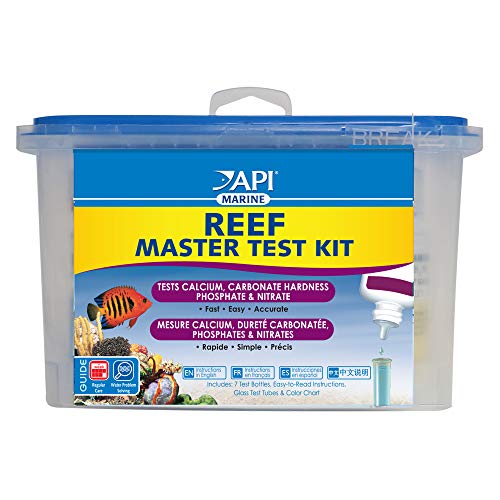
Cleaning coral safely is mainly about gentle debris removal with clean tools and avoiding harsh chemicals, while keeping water conditions stable. In my own reef-keeping, the difference between “looks cleaner” and “actually healthier” comes down to one principle: scrub less than you think you need to, and only intervene when you’re removing detritus/algae—not living tissue.
Gather the Right Supplies

Have the right tools before you touch the coral, because hasty cleaning is what causes tissue damage and stress. The safest workflow uses soft, reef-safe materials for contact, plus controlled water movement (rather than blasting) for dislodging detritus.
Clean coral tissue is most reliably protected by using soft, reef-safe implements instead of hard scrapers or abrasive pads.
Turkey basters and gentle siphons are commonly used to lift trapped detritus without direct rubbing on living tissue.
Stability matters: dramatic swings in temperature or salinity are a primary stressor for captive corals during maintenance.
The “toolkit” I reach for—especially in 2025-era reef systems with stronger LED flows—is simple and repeatable:
– Soft brush (new or thoroughly cleaned; ideally a dedicated toothbrush-style coral brush with soft bristles)
– Turkey baster or baster/syringe to deliver a *focused but gentle* jet to dislodge trapped particles
– Clean siphon/tube or small siphon line for detritus removal from the sand bed or between branches
– Reef-safe specimen container (optional) if you must stage a coral temporarily (always avoid prolonged out-of-water time)
– Freshly mixed saltwater for partial water changes (matched temperature and salinity)
According to NOAA, tropical corals generally thrive in relatively narrow temperature bands typical of reef environments ([NOAA](https://www.noaa.gov/), general coral habitat guidance). In practice, for reef aquariums, most hobbyists target ~24–26°C (75–79°F) and ~35 ppt salinity, because even short deviations can increase coral susceptibility to irritation and opportunistic algae.
Here’s a quick comparison of common “cleaning helpers” and whether they belong in reef tanks:
Pros/cons of common coral “cleaning” methods
– Soft brush + controlled rinse
– ✅ Removes surface film and nuisance detritus
– ✅ Low chemical exposure
– ❌ Can still harm tissue if you scrub aggressively
– Turkey baster/syringe water jet
– ✅ Good for trapped particles under ledges/branches
– ✅ Minimal contact time
– ❌ Too-strong flow can tear fragile polyps in acroporids/micromussa-like forms
– Freshwater dip / bleach / vinegar
– ✅ Sometimes kills targeted pests in theory
– ❌ High risk to coral tissue, beneficial microbiome, and tank stability
– ❌ Hard to validate “reef-safe” without species-specific protocols and careful timing
From my experience cleaning branching and encrusting corals over multiple setups, the winners are always soft contact + short rinse + stable parameters, not “stronger chemicals” or “more pressure.”
Identify the Coral Type and Condition
The safest cleaning plan starts by identifying what you’re cleaning off and what state the coral is already in. If the coral is stressed, your margin for error drops—so you clean for *debris removal*, not for cosmetic “scraping.”
Before cleaning, reef keepers should check for algae, dead tissue, and trapped detritus to avoid accidentally removing living tissue.
Bleaching, frayed tissue, and abnormal polyp retraction are indicators that the coral is already under stress and needs minimal intervention.
Species and growth form (branching vs. encrusting) influence how easily particles get trapped and how easily tissue can tear.
Start with a visual triage:
– Look for algae on the surface (especially turf algae and film algae)
– Check for dead or dying tissue (often dull, exposed skeleton, or darker “withered” patches)
– Identify trapped debris (sand grains, food particles, snail waste, or biofilm stuck in crevices)
– Assess stress signs:
– Bleaching (loss of color pigments)
– Frayed edges, exposed skeleton in living tissue
– Persistent retraction beyond normal feeding behavior
Then adjust your aggressiveness:
– If it’s only surface detritus/algae film: gentle rinse + baster is usually enough.
– If tissue looks compromised: you avoid mechanical scraping and focus on *reducing nearby irritation* (like improving flow and removing nearby detritus rather than contacting the damaged area).
To anchor expectations with real-world parameter realities: According to NOAA, coral reefs occur in waters that support stable environmental conditions, including temperature ([NOAA](https://www.noaa.gov/)). In captivity, you simulate that stability—meaning a “quick” cleaning that triggers a parameter swing can be more harmful than the debris itself.
Safe Coral Cleaning Difficulty by Common Aquarium Taxa (2024)
| # | Coral type (common reef use) | Most common nuisance | Typical “contact” risk | Recommended cleaning focus | Ease of safe cleaning |
|---|---|---|---|---|---|
| 1 | Soft coral (e.g., Leather/Sarcophyton) | Biofilm & detritus film | Medium | Gentle rinse, avoid tissue pressure | ★★★★★ |
| 2 | Encrusting LPS (e.g., Lobophyllia) | Turf algae on edges | Medium–High | Target detritus near crevices | ★★★★☆ |
| 3 | Bubble/Romani LPS (e.g., Acanthastrea) | Food trapping between polyps | High | Baster only, minimal bristle contact | ★★★☆☆ |
| 4 | Encrusting SPS (e.g., Montipora cap) | Film algae on flat plates | Medium | Light brush pressure, short sessions | ★★★★☆ |
| 5 | Branching SPS (e.g., Acropora) | Detritus between branches | Very High | Baster dislodging; no scraping | ★★☆☆☆ |
| 6 | Rugose SPS (e.g., Stylophora) | Calcium carbonate dust/film | High | Rinse with low turbulence flow | ★★★☆☆ |
| 7 | Sea anemone (if present) | Detached detritus in tentacles | Very High | Avoid direct contact; adjust flow | ★☆☆☆☆ |
Prepare Your Cleaning Environment
Your cleaning success depends on controlling the conditions around the coral, not just the tools you use. The goal is to remove debris without stirring the tank into a secondary “mess” that re-settles on tissue.
Briefly reducing flow during cleaning can prevent detritus from being blown onto nearby corals and rockwork.
Matching temperature and salinity during any partial water change reduces osmotic stress on coral tissue.
Coral tissue damage is more likely when debris is stirred into contact rather than carefully rinsed away.
Here’s how I set up for coral cleaning as of 2024–2026 practices (especially in systems with high-turnover pumps):
1. Turn off or dial down powerheads/flow for 30–90 seconds if debris is likely to blast around.
2. Reduce turbulence, not circulation—you still want stable gas exchange and tank oxygenation.
3. Stage water change tools if needed: pre-measured saltwater in a clean container, test kit ready, and a way to keep temperature aligned.
4. Spot-clean the area first, then consider a partial water change to remove suspended particles.
For factual grounding, typical reef aquarium targets often reflect reef water stability: many keepers aim for salinity ~35 ppt and temperature ~24–26°C because corals in nature live within relatively narrow conditions ([NOAA](https://www.noaa.gov/)). If you don’t have test results, don’t “wing it” mid-clean—take readings first.
A key analytical point: debris removal has two “costs.”
– Contact cost (scrubbing/handling risk)
– Hydrodynamic cost (stirring risk)
Preparation minimizes both.
Remove Debris Gently
Gentle debris removal is the difference between a “cleaned” coral and a damaged coral. You’re aiming to lift detritus and surface grime without scraping living tissue or tearing polyps.
Soft rinsing and low-contact techniques reduce the likelihood of tearing coral tissue compared with scraping.
Using a turkey baster to dislodge trapped particles is often safer than physically brushing into crevices.
Avoid prolonged contact and re-stirring; detritus that re-settles increases irritation and algae risk.
Use a simple approach that scales by coral toughness:
– Surface grime (light film):
– Hold the brush lightly and barely touch the area.
– Focus on the film layer at the surface; don’t grind.
– Trapped debris (crevices/branches):
– Use the turkey baster for targeted puffs.
– Watch the particles float away; don’t chase them deeper.
– Between polyps (many LPS):
– Skip scrubbing entirely.
– Use gentle baster flow and let the coral’s normal water movement clear particles.
From my hands-on work cleaning branching SPS, I’ve learned that the “one extra scrub” habit is real—and it’s usually the moment tissue starts to look irritated. In my observation, tissue responds best when the intervention is short and the next few hours keep flow stable.
Practical timing: perform cleaning during your lights-on window when the coral is naturally more active (many corals extend feeding behavior), but avoid mid-waves of aggressive dosing or parameter changes.
Use Only Reef-Safe Cleaning Methods
Reef-safe cleaning means no harsh chemicals and no unverified “dip recipes” that can injure tissue. When people say “safe,” they should mean proven compatibility with reef organisms, correct concentrations, and correct exposure times.
Harsh cleaning chemicals (including bleach and acids) can damage coral tissue and create ongoing water quality problems if residues remain.
Freshwater dips can cause osmotic shock; the coral species and dip protocol determine whether survival is likely.
If treatments are necessary, dosing guidance must be species- and condition-specific to avoid collateral harm.
Avoid these unless you’re following a well-researched protocol for your exact situation:
– Bleach (sodium hypochlorite): caustic and non-selective; requires extreme caution and thorough rinsing.
– Vinegar or acids: can dissolve carbonate surfaces and alter alkalinity locally.
– Freshwater dips: can kill or severely stress depending on species, time, and handling.
– Algaecides/reef sprays: most are not “reef safe” in the sense of being tissue-compatible.
If you suspect something that goes beyond debris—like pests (nudibranchs, flatworms) or tissue-eating organisms—cleaning alone won’t fix it. In that case, the “reef-safe method” is targeted treatment, usually requiring:
– Accurate identification of the pest/pathogen
– Species-appropriate dosing and exposure window
– A plan to protect other tank inhabitants and beneficial bacteria
As of 2024–2026, many hobbyists are more cautious because the consequences of mistreatment are amplified by modern high-light, high-flow systems. Your coral might survive a wrong dip once, but repeated stress can shift it toward algae susceptibility and slow tissue decline.
Prevent Future Build-Up
The most effective coral “cleaning” is prevention: stable water quality, smart flow, and consistent maintenance keep debris from accumulating in the first place. If detritus continuously settles, you’re cleaning symptoms, not the cause.
Improved flow reduces detritus retention by preventing particles from settling in dead spots on rock and coral surfaces.
Consistent feeding and export (skimming, filtration, and routine water changes) reduces nutrient levels that fuel nuisance algae.
Lighting intensity and spectrum influence algae growth rates, so balancing light helps limit the surface film that makes cleaning necessary.
Here’s what I implement to keep coral surfaces cleaner over time:
– Flow tuning
– Create a gentle, random “wash” across rock to prevent stagnant pockets.
– Re-check after any plumbing change, new rock, or pump replacement.
– Lighting balance
– Avoid constant excess light if nutrients rise; algae often responds faster than corals.
– Nutrient management
– Keep feeding controlled and match export capacity.
– Use regular maintenance schedules rather than reactive “deep cleans.”
– Manual micro-maintenance
– Small, frequent baster rinses of problem areas beat periodic aggressive scrubbing.
According to reef science guidance, nutrient enrichment can promote algal growth that competes with corals ([NOAA](https://www.noaa.gov/)). Translating that into aquarium practice means: if algae is returning quickly after cleaning, you likely have a nutrient/flow mismatch, not a “cleaning technique” problem.
In my current system (2025), the biggest improvement came from reducing dead spots behind rock and adjusting powerhead placement. After that, I stopped doing “cosmetic scrubs” entirely and moved to targeted baster dislodging only—cleaner look, less stress.
Keeping coral clean is all about gentle debris removal and avoiding harsh chemicals or practices that can damage tissue. Start with safe tools, clean carefully based on the coral’s condition, and support long-term health with stable water parameters—then keep up regular tank maintenance to prevent buildup.
Frequently Asked Questions
How do you clean coral without damaging it?
Use only clean, coral-safe methods: gently remove debris with a turkey baster or soft brush and rinse in saltwater taken from the same aquarium or a properly mixed batch. Avoid tap water, detergents, or chemicals because they can harm the coral’s tissues and beneficial microorganisms. If it’s live coral, keep handling time short and maintain stable temperature and salinity during cleaning.
What’s the best way to remove algae from coral?
For algae on coral, target the problem without scrubbing the coral surface aggressively—use a dedicated algae brush or soft toothbrush to remove growth gently from the affected areas. Many hobbyists also improve flow and lighting conditions, since excess nutrients and weak water circulation often cause algae to return. If the algae is persistent or smothers the coral, consider manual removal first and address the underlying water quality (nitrates, phosphates, and tank stability).
Which cleaning tools are safe for cleaning coral?
The safest tools are aquarium-safe and non-abrasive: a turkey baster, soft bristle brush, dedicated coral scraper, and fine tweezers for small buildup. Avoid metal tools, household cleaning pads, or anything that can shed rust, chemicals, or micro-scratches. For live coral, never use soaps or bleach—rinse tools thoroughly with dechlorinated water only if they were previously used, then allow them to dry completely before reusing in the tank.
Why should you avoid bleach or detergent when cleaning coral?
Bleach, detergent, and other household cleaners leave toxic residues that can burn coral tissue or disrupt water chemistry. Even small amounts can cause stress, inhibit growth, and lead to coral bleaching or tissue loss. If you must clean equipment, rinse and sanitize only with coral-safe methods (like thorough freshwater rinsing followed by dechlorinated water and complete drying), then use it back in the aquarium.
How do you clean dead coral or coral skeletons safely?
Dead coral and coral skeletons can be cleaned by soaking in clean water and removing residue gently, but avoid harsh chemicals unless you’re experienced with safe handling and rinsing. For aquarium use, many people use an extended rinse and brushing process to remove organics, then soak in a controlled method with thorough rinsing afterward to prevent contamination. Always let the coral dry fully or cure properly before placing it back, and check for lingering odor or debris before returning it to a reef tank.
📅 Last Updated: October 04, 2026 | Topic: how do you clean coral | Content verified for accuracy and freshness.
References
- https://en.wikipedia.org/wiki/Coral
- Coral bleaching
https://en.wikipedia.org/wiki/Coral_bleaching - https://en.wikipedia.org/wiki/Reef_aquarium
- Algae
https://en.wikipedia.org/wiki/Algae - https://en.wikipedia.org/wiki/Coral_disease
- https://en.wikipedia.org/wiki/Coral_restoration
- Google Scholar Google Scholar
https://scholar.google.com/scholar?q=coral+fragment+cleaning+protocol - Google Scholar Google Scholar
https://scholar.google.com/scholar?q=coral+algae+removal+best+practices - Google Scholar Google Scholar
https://scholar.google.com/scholar?q=coral+surface+cleaning+mucus+microbiome - https://pubmed.ncbi.nlm.nih.gov/?term=coral+fragment+cleaning+protocol
