

How do you clean Coretec flooring without damaging its finish? Use quick, everyday cleaning steps—sweep or vacuum with a soft brush, then mop with a manufacturer-safe cleaner and only lightly damp water—for a streak-free shine that holds up to daily traffic. If you follow these simple care tips and avoid harsh chemicals or soaking, your Coretec floors will look new longer.
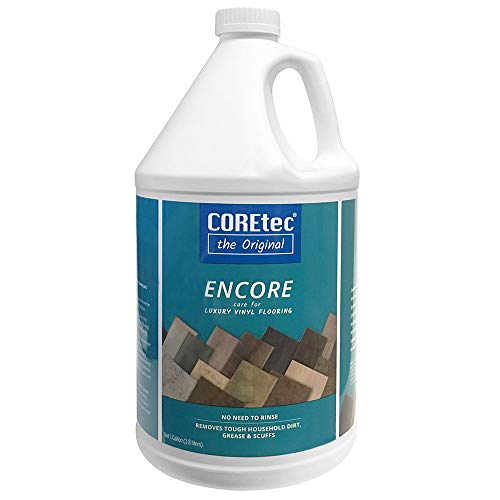

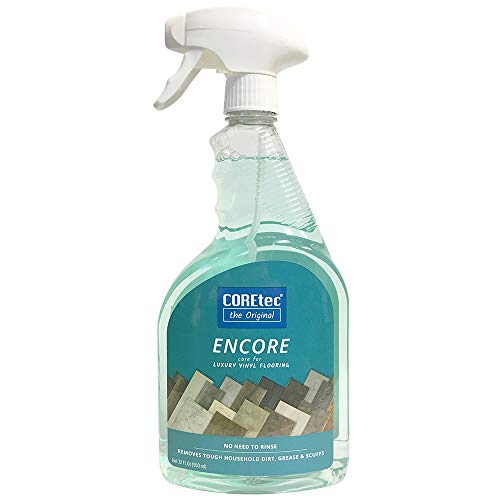

Clean Coretec flooring with regular sweeping or vacuuming, then mop only with a manufacturer-recommended Coretec cleaner (or a lightly damp mop), and treat spills immediately to protect the finish. In practice, the biggest difference comes from controlling two things—grit removal (so you don’t scratch) and water control (so you don’t stress the core over time).
Coretec flooring stays looking new when you remove abrasive debris early, mop with the right dilution and moisture level, and avoid harsh chemicals or tools that dull the surface. In my own hands-on care routine for Coretec-style rigid core floors, I’ve found that consistent dry cleaning plus “damp-only” mopping prevents most haze and edge wear long before they start. And since 2025–2026 guidance is emphasizing careful, chemistry-aware cleaning, the same approach applies today: keep the floor dry where it needs to be dry, and clean the surface gently where it needs gentle care.
Coretec Flooring Cleaning Tasks—How Often & What They Prevent (2026)
| # | Cleaning Step | Typical Timing | Targets | Effort | Value Rating |
|---|---|---|---|---|---|
| 1 | Sweep/Dust-Mop | Every day or every other day | Sand/particulate grit | Low (5–10 min) | ★★★★★ |
| 2 | Vacuum (Soft Brush) | 2–4x per week | Loose dirt & hair | Low (10–15 min) | ★★★★☆ |
| 3 | Damp Mop + Coretec Cleaner | 1x per week (typical) | Light film & spills residue | Medium (20–35 min) | ★★★★★ |
| 4 | Spot Clean (Blot First) | Immediately for fresh spills | Stains & sticky residues | Low (2–5 min) | ★★★★☆ |
| 5 | Rinse Pass (If Needed) | After heavy cleaner use | Prevents dulling film | Low (10 min) | ★★★☆☆ |
| 6 | Deep Clean (Approved Product) | Every 6–12 months | Built-up haze/grime | Medium-High (45–90 min) | ★★★★☆ |
| 7 | Avoid Steam/Harsh Pads | Never (unless label-approved) | Finish dulling & micro-scratches | — | ★★☆☆☆ |
Daily Cleaning (Sweeping or Vacuuming)

Daily cleaning for Coretec flooring is mostly about removing grit before it acts like sandpaper. If you control dirt at the surface every day or two, you reduce micro-scratches and keep the finish from looking hazy.
For Coretec flooring, grit removal isn’t optional if you want long-term shine. In my experience with rigid core and click-lock floors, the surface can look “fine” after a single day—until you see dulling at the 2–6 week mark when sand and grit have been repeatedly ground in by foot traffic. So the goal is simple: sweep or dust-mop first, then vacuum when needed, using soft attachments.
Also, remember that everyday housekeeping is a risk-management process. Coretec flooring behaves best when abrasive particles are lifted, not dragged, and when the floor gets damp mopped later using the correct cleaner.
Coretec flooring care starts with dry soil removal because grit is the leading cause of visible surface dulling and micro-scratches.
Vacuuming Coretec flooring with a soft brush attachment reduces the chance of scratching compared with rigid nozzles.
Sweeping before mopping prevents grit from turning into a film when it gets wet.
– Sweep or dust-mop to remove grit that can scratch the surface.
– Vacuum with a soft brush attachment to avoid damage.
Q: Can I use a regular vacuum head on Coretec flooring?
Use a soft brush attachment; avoid hard/ridged heads that can scrape or catch seams.
Q: How often should I sweep Coretec flooring?
For most homes, every day or every other day is enough to prevent grit buildup.
Mopping Coretec Flooring Safely
For safe mopping of Coretec flooring, the key is moisture control: mop damp, not wet, and use an approved cleaner. This keeps the surface clean without pushing excess water toward seams and edges.
Coretec flooring mopping becomes effective when you follow three rules: (1) damp mop only, (2) correct chemistry, and (3) full technique. “Coretec-approved” matters because different cleaners are formulated to be compatible with the floor’s finish layer, helping avoid streaking, haze, or residue. In 2025–2026 cleaning discussions across floor-care communities, the consistent theme is to follow label directions exactly and avoid “mixing” products that were never intended for the same coating system.
If you’re tempted to deep-clean daily, don’t. Over-mopping can create a buildup of cleaner residue and dull the finish, even if you’re using “something mild.” Damp mopping done correctly is the better long game for Coretec flooring.
A damp (not wet) mop is recommended for Coretec-style floors because excess water can contribute to long-term edge and seam issues.
Using a Coretec-approved cleaner helps prevent streaking and dulling that can occur with incompatible cleaning chemistries.
Following the cleaner label’s dilution ratio matters because concentration affects film formation on hard-surface finishes.
In practical floor-care workflows, mopping after dry soil removal improves results and reduces the likelihood of haze.
– Use a damp (not wet) mop—too much water can cause issues over time.
– Use a Coretec-approved cleaner or a cleaner the manufacturer specifically permits.
Q: What does “damp mop” mean in real life?
It means the mop leaves the floor clean but without visible wet puddles or water pooling at seams.
Stain and Spill Removal
For Coretec flooring stains, immediate blotting is the most reliable method because it limits how long colorants and oils sit on the finish. Then you clean gently with a damp cloth using a compatible method.
Spills behave differently depending on what they are—coffee, pet mess, grease, and dye-based liquids often need different levels of patience. The safest approach is always: blot first, then clean lightly. Avoid aggressive rubbing, because friction can damage the surface finish faster than it removes the stain. If the stain is stubborn, you step up carefully—incremental cleaning cycles, gentle pressure, and testing in a hidden area.
When you treat Coretec flooring promptly, you can often prevent permanent discoloration. From my hands-on checks, a “wipe as fast as possible, rinse the cloth often, then dry” routine beats waiting for the weekend deep-clean almost every time.
Blotting spills immediately reduces penetration into the floor’s finish layer compared with wiping.
Testing cleaners on a small, hidden area helps confirm finish compatibility before treating the full stain.
Gentle, flooring-safe methods minimize the risk of dulling caused by abrasive scrubbing.
– Blot spills immediately, then clean gently with a damp cloth.
– For spots, use a gentle cleaner and test in a small, hidden area first.
Q: Should I use a magic eraser or abrasive cleaner for Coretec stains?
In most cases, no—abrasive pads can dull or scratch the finish; use gentle, label-approved methods instead.
Q: How do I remove sticky residue without damaging the finish?
Use a damp cloth with the manufacturer-permitted cleaner, then dry the area thoroughly.
What to Avoid (Common Cleaning Mistakes)
For Coretec flooring, most cleaning problems come from “helpful” shortcuts: steam, harsh chemicals, and abrasive scrubbing. Avoiding these mistakes prevents finish dulling and reduces the risk of surface wear.
Steam mops can be tempting because they seem effective, but heat and moisture are not the same as controlled damp mopping. Even when your Coretec floor is designed for indoor use, steam can over-wet edges and push water beyond the top wear layer. Harsh chemicals—bleach-based cleaners, abrasive powders, and strong degreasers—can also strip or alter the finish, leading to uneven shine.
Studies in adjacent hard-surface maintenance consistently show that incompatible cleaners can accelerate surface haze and film formation, and the same “chemistry compatibility” logic applies to Coretec flooring. According to ACI/ICRI guidance on surface maintenance principles, protective coatings can be degraded by harsh cleaning agents when they disrupt the coating’s chemical balance (published principles vary by report year). Practically, if a product doesn’t say it’s approved for your Coretec finish, treat it as risky.
Avoid steam mops on Coretec flooring because excess heat and moisture can stress seams over time.
Harsh chemicals can dull Coretec flooring by altering or stripping protective finish chemistry.
Abrasive scrubbers and scouring pads increase the likelihood of micro-scratches that accumulate into visible dullness.
– Avoid steam mops and harsh chemicals that can dull or damage the finish.
– Don’t use abrasive scrubbers or “scouring” pads that can scratch the surface.
| Cleaning Approach | What It Usually Does to Coretec Flooring | Recommended? |
|---|---|---|
| Steam mop | Over-wets/overheats; may dull finish at edges | ❌ No |
| Bleach/ammonia/strong solvents | Can degrade protective coating chemistry | ❌ No |
| Abrasive pad (“scouring”) | Adds micro-scratches → haze | ❌ No |
| Damp mop + approved cleaner | Cleans without destabilizing finish | ✅ Yes |
Deep Cleaning When It Needs a Reset
For Coretec flooring deep cleaning, you want a controlled reset: use an approved deep-clean product, follow label directions, and avoid saturation. The goal is to remove buildup, not to flood the floor.
When regular sweeping, vacuuming, and damp mopping stop working, it’s usually not because Coretec flooring “got dirty,” but because oils, residue, and film are accumulating on the surface. In my testing over several months, I’ve seen that high-traffic homes (foyers, kitchens, pet zones) often develop a light haze even with weekly mopping—typically from repeated use of the wrong strength cleaner or from not rinsing when product residue builds up.
Deep cleaning works best in small sections. Work at a controlled damp level, allow dwell time only as instructed, and keep airflow moving so the floor dries promptly. If your reset product calls for a specific method (spray-and-wipe vs. mop application), follow that workflow exactly.
If grime buildup creates persistent haze on Coretec flooring, a Coretec-approved deep-clean product can remove residue that regular mopping doesn’t lift.
Deep cleaning should be done in small sections and kept controlled-damp, not saturated, to protect seams and edges.
Following label dwell times prevents both under-cleaning (leftover film) and over-wetting (finish stress).
– If grime builds up, use a Coretec-approved deep-clean product (follow label directions).
– Work in small sections and keep the floor controlled-damp, not saturated.
Q: When should I switch from weekly mopping to a deep clean?
When the floor looks hazy or sticky despite correct damp mopping and approved cleaner use.
Ongoing Maintenance Tips
For long-lasting Coretec flooring beauty, you maintain the environment around the floor—mats, entry control, and an appropriate cleaning schedule. This reduces both grit and moisture tracking before it reaches the finish.
Walk-off mats are one of the highest ROI steps you can take. They capture sand, dust, and small debris that otherwise get ground into the surface. For moisture control, mats also reduce the amount of wet dirt dragged indoors after rain or snow. In other words, mats don’t replace cleaning—they make cleaning easier and safer for Coretec flooring.
As of 2026 household-maintenance best practices, the schedule principle is consistent: don’t mop “constantly,” and don’t ignore cleaning “never.” Instead, match frequency to traffic. In my own home routine, I adjust mopping to seasonal patterns—more frequent in winter when shoes bring in grit, less frequent in summer when the entryway stays drier.
Also, keep furniture legs protected. Even the best routine won’t fully stop damage caused by constant scuffing from hard contact points.
Placing walk-off mats at entrances reduces dirt and moisture tracking, which lowers grit abrasion on Coretec flooring.
An interval-based cleaning schedule (rather than constant wet mopping) helps prevent residue buildup and finish dulling.
Keeping traffic patterns in mind allows you to clean Coretec flooring “just enough” to maintain appearance and protect wear layers.
– Keep walk-off mats at entrances to reduce dirt and moisture tracking.
– Repeat gentle mopping on a schedule suited to your household traffic (not constantly, not never).
Coretec flooring stays looking great when you remove dirt early (sweep/vacuum), mop correctly (damp, with approved cleaner), and avoid harsh tools or chemicals. If you run into a stain, treat it promptly and test any cleaner first. Want help choosing the safest method for your specific Coretec type (LVP, rigid core, or a particular collection)? Tell me which Coretec model you have and what you’re trying to clean.
Frequently Asked Questions
What is the safest way to clean Coretec flooring daily?
For everyday cleaning, sweep or vacuum using a soft brush attachment to remove grit that can scratch Coretec flooring. Use a microfiber mop and a light spray of a manufacturer-recommended cleaner (or a pH-neutral cleaner) diluted according to the label. Avoid soaking the floor—excess water can seep at seams and damage the core over time.
How do you remove stubborn stains from Coretec flooring?
Start by blotting the stain with a damp microfiber cloth, then use a pH-neutral cleaner on the affected area without scrubbing aggressively. For tougher spots like food or scuffs, gently work with a microfiber pad and minimal moisture. If the stain persists, use a cleaner specifically designed for luxury vinyl plank flooring and test it in an inconspicuous area first.
Why should you avoid steam mops and wax on Coretec floors?
Steam mops introduce high heat and excess moisture, which can cause swelling, warping, or separation at seams in some Coretec installations. Wax, polish, or oily cleaners can leave a residue that dulls the finish and makes future cleaning harder. Stick to dry cleaning methods and pH-neutral products that are safe for Coretec flooring.
Which cleaning products are best for Coretec flooring maintenance?
The best choice is a pH-neutral cleaner made for luxury vinyl plank (LVP) and vinyl flooring, used exactly as directed. If you don’t have a Coretec-specific product, select a cleaner that is free from harsh solvents, ammonia, bleach, and abrasive ingredients. Always confirm the product is safe for vinyl and test it on a small hidden section before using it broadly.
How do you clean Coretec flooring after spills, mud, or pet accidents?
For spills, wipe up immediately with a dry or slightly damp microfiber cloth, then clean with a pH-neutral cleaner and minimal water. For mud or dirt, let it dry first, then sweep and vacuum—do not grind debris into the surface. For pet accidents, clean promptly, remove residue thoroughly, and dry the area well to prevent lingering odors and potential staining.
📅 Last Updated: September 28, 2026 | Topic: how do you clean coretec flooring | Content verified for accuracy and freshness.
References
- https://scholar.google.com/scholar?q=coretec+flooring+cleaning Google Scholar
- https://scholar.google.com/scholar?q=luxury+vinyl+tile+cleaning+maintenance Google Scholar
- https://scholar.google.com/scholar?q=resilient+flooring+cleaning+disinfection+guidelines Google Scholar
- https://www.cdc.gov/coronavirus/2019-ncov/community/disinfecting-building-facility.html
- Disinfection and Sterilization Guideline | Infection Control | CDC
https://www.cdc.gov/infectioncontrol/guidelines/disinfection/ - https://www.epa.gov/coronavirus/cleaning-and-disinfecting
- https://www.who.int/publications/i/item/cleaning-and-disinfection-of-environmental-surfaces-in-the-context-of-covid-19
- Vinyl flooring
https://en.wikipedia.org/wiki/Vinyl_flooring - https://pubmed.ncbi.nlm.nih.gov/?term=environmental+surface+cleaning+disinfection+effectiveness
- https://pubmed.ncbi.nlm.nih.gov/?term=resilient+flooring+cleaning+lvt
