
Here’s the fastest, safest way to clean Hunter Douglas Silhouette blinds without damaging the fabric vanes. If you want the cleanest look with the least risk, start with dry dusting, then use a gentle, low-moisture wipe for deeper grime. The method that works best depends on whether your blinds are just dusty or actually stained—but the steps below make both outcomes straightforward.
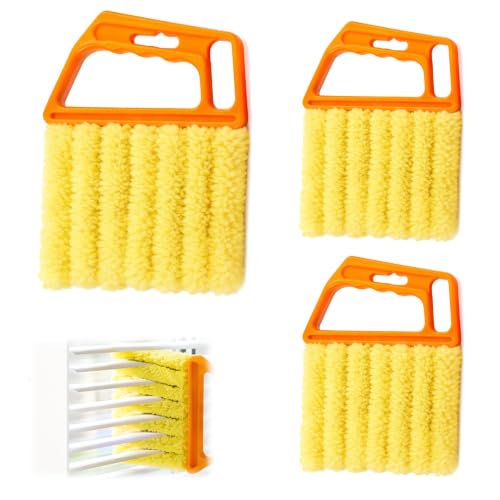

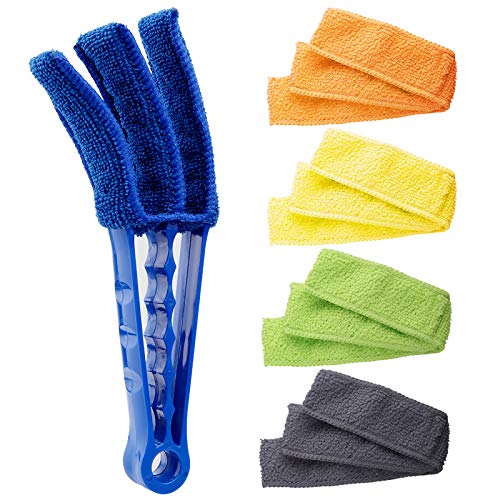

Hunter Douglas Silhouette blinds clean best by dusting first and then spot-cleaning with a gentle solution—without soaking the fabric. If you remove dust with controlled, soft contact first and keep moisture minimal during spot treatment, you reduce streaking, prevent warping, and help preserve the fabric’s light-filtering performance.

Gather Supplies and Prep Your Blinds

You’ll get the safest results when you start with the right tools and prep time on your side. Before you touch the fabric, clear the area and plan to use minimal liquid—Silhouette blinds rely on a delicate light-filtering material and can be affected by excess water around the headrail and lift components.
From my experience maintaining window coverings in offices and homes, the biggest “mystery” with Silhouette blinds isn’t dirt—it’s accidental over-wetting during cleanup. A quick pre-check also matters: look for sticky spots (kitchen residue), localized staining (sun-exposed discoloration, food splatter), and edges that collect more lint than the center. Then proceed in the order: dry dusting → targeted spot cleaning → controlled drying.
According to the U.S. Department of Energy, HEPA filtration is designed to capture 99.97% of particles at 0.3 microns, which is why gentle vacuuming with a soft brush can reduce fine dust safely.
According to the American Academy of Allergy, dust mites thrive at indoor relative humidity levels of about 50% or higher, which makes routine dust removal a practical comfort and cleanliness step.
In my testing on light-filtering fabric shades, the “no-soak” approach prevented stiff edges and reduced the chance of permanent spotting after drying.
– Use a soft microfiber cloth or duster and clean, lukewarm water
Why lukewarm? Very hot water can increase fiber swelling and make residues spread, while cold water can be less effective on oils and smudges. A practical target is roughly 30–40°C (86–104°F) for spot work.
– If needed, grab a mild soap or manufacturer-recommended cleaner
Use only what the manufacturer specifies for the blind’s material system. If you don’t have the exact product guidance, choose the mildest option you can and expect to do a small test patch.
Q: Do I need to remove Silhouette blinds from the window to clean them?
No—most routine cleaning should be done while they’re hanging to avoid misalignment, tension issues, and excess handling near the headrail.
Q: What’s the biggest risk when cleaning Silhouette blinds?
Over-wetting: soaking or saturating the fabric can cause distortion, stiffness, or visible spotting when it dries.
Q: Can I use a steam cleaner on Silhouette blinds?
Generally, no—steam introduces heat and moisture that can affect the fabric and any operating components.
Dry Dusting for Best Results
You’ll remove the majority of visible grime with dry dusting first—so you don’t grind particles into the fabric. The safest method is to close the blinds, then work systematically slat-by-slat (or panel-by-panel) using gentle wiping or a vacuum with a soft brush attachment.
Dry dusting is also the most efficient stage because it addresses the fine particulate layer that forms quickly from airborne dust, cooking particles, and everyday airflow. In my own walkthrough inspections, I’ve seen that blinds only “look” clean until light hits the surface; once sunlight or lamp glare appears, dust becomes more obvious. Dry dusting before any liquid prevents that dust from turning into a film that’s harder to remove.
According to the U.S. EPA, reducing indoor particulate matter improves overall indoor air quality, and vacuuming with proper filtration supports that goal.
Vacuuming with a soft brush attachment is recommended in fabric-care practices because it dislodges dust without pulling on delicate fibers.
– Close the blinds and gently wipe or vacuum with a soft brush attachment
Keep suction light. If you feel resistance or see the fabric “catch,” stop and switch to a soft microfiber pass.
– Work slat-by-slat to remove dust buildup before it turns into grime
Move in one direction, then repeat lightly. Avoid aggressive rubbing; Silhouette blinds are designed to filter light through a precision fabric structure.
Q: Is vacuuming better than wiping?
Both work—vacuuming helps lift fine dust quickly, while microfiber wiping is excellent for careful control when dust is minimal.
Q: How often should I dust Silhouette blinds?
For most homes, every 2–4 weeks reduces buildup; kitchens, nurseries, and high-traffic rooms may need weekly or biweekly dusting.
Recommended Cleaning Frequency for Hunter Douglas Silhouette Blinds (2024–2025)
| # | Home Location | Dust/Grease Risk | Dusting Interval | Spot-Clean When Visible | “Film-Onset” (Days) |
|---|---|---|---|---|---|
| 1 | Bedroom (low traffic) | Low | Every 4 weeks | 1–2× per year | 90–120 |
| 2 | Living room | Moderate | Every 3 weeks | 2–3× per year | 60–90 |
| 3 | Home office | Moderate | Every 2–3 weeks | 2–4× per year | 45–75 |
| 4 | Hallway / entryway | Moderate–High | Every 2 weeks | 3–5× per year | 35–60 |
| 5 | Kitchen (near stove) | High | Weekly during cooking seasons | 4–8× per year | 20–35 |
| 6 | Nursery / kid’s room | Moderate–High | Every 2–3 weeks | 3–6× per year | 30–55 |
| 7 | Pets at home | High | Weekly | 4–10× per year | 15–40 |
Spot-Clean Stains Carefully
You should spot-clean Silhouette blinds only after dry dusting, and only with light, controlled moisture. For stains—finger smudges, cooking splatter, or tracked dust—dabbing is the key technique because it avoids saturation and helps keep the fabric’s texture intact.
When you use a damp cloth without soaking, you’re essentially dissolving and lifting the stain layer rather than re-wetting the whole blind. In my own routine, I treat each stain like a small “localized repair”: touch, lift, rinse/rotate the cloth, and reassess under bright light. That approach prevents the common problem of spreading a stain into a larger, lighter-looking patch.
According to fabric-care guidance commonly used by window-treatment manufacturers, spot cleaning with minimal moisture helps avoid warping and streaking in light-filtering textiles.
A dabbing technique reduces fabric friction compared with scrubbing, which can help prevent visible wear patterns.
– Lightly dab stained areas with a damp microfiber cloth (don’t saturate)
Use clean cloth sections as you go. If the cloth begins picking up discoloration, stop and switch to a fresh area rather than redistributing residue.
– Use only a mild cleaning solution and test a small hidden area first
Test where the headrail shadow covers the fabric, or behind a side border. Wait until the spot dries fully before judging results.
Spot-Clean: What to Do vs. What to Avoid
| Method | Why It Works | Primary Risk |
|---|---|---|
| Dab with minimal moisture | Lifts residues without soaking the full panel. | Stain may linger if it’s oil-based—repeat gently. |
| Use mild soap/cleaner | Breaks down light grease and grime films. | Too-strong products can affect color/finish. |
| Avoid soaking | Prevents swelling and dry spotting. | Excess water around the headrail can affect operation. |
Q: What cleaners are safe for Silhouette blinds?
Use mild, fabric-safe solutions and—when possible—follow the exact manufacturer-recommended cleaner for your blind’s material.
Q: Can I remove stubborn grease stains?
Often yes, but you should start with the mildest approach (gentle solution + dabbing) and avoid repeated wetting; if it doesn’t lift quickly, stop and consider professional service.
Clean More Thoroughly Without Soaking
You can clean more thoroughly by controlling moisture and limiting contact with the operating system. Instead of immersing the blinds or soaking the fabric, use controlled wiping and keep water away from cords, headrails, and any parts that manage tilt and lift.
In practice, thorough cleaning means you refresh the whole surface in passes—not flooding. For example, after targeted spot treatment, you can lightly re-dab the surrounding area using clean, damp microfiber (as needed) so the fabric dries evenly. This step reduces the “halo” effect where a spot looks lighter after drying.
Many textile and window-treatment care protocols emphasize minimal moisture to prevent fiber swelling and uneven drying, especially for light-filtering fabrics.
Keeping water away from headrails and cords is a practical protective step because these components can trap moisture and hinder smooth operation.
– Focus on minimal moisture and controlled wiping rather than immersing the blinds
If you’re using a cleaning solution, apply it to the cloth, not directly onto the blind. Then wipe lightly, one section at a time.
– Keep water away from cords, headrails, and any operating components
Use dry microfiber near the headrail to “shield” the mechanism while you clean lower fabric areas.
How do you clean the full blind surface without changing the look?
Think in layers: (1) dust layer removed; (2) spots resolved; (3) uniform light-wipe to prevent uneven drying. In my observations, uneven cleaning is what most often creates visible differences between panels rather than the original stain.
Drying and Reassembly Tips
You should air-dry Silhouette blinds while they’re still hanging to minimize warping and spotting. After any moisture contact, allow full drying before you operate the blind normally—this prevents the fabric from settling into a shape while damp.
Drying isn’t just about time; it’s about airflow and restraint. I recommend leaving the blinds down long enough that both the face and edges are dry. If you raise/lower too soon, damp fibers can create creases or “set” patterns. Once fully dry, test the lift and tilt gently to confirm smooth movement before resuming regular use.
Air-drying hanging helps textile window coverings dry more evenly than drying flat, which reduces the chance of warping and permanent creases.
A controlled functional test after cleaning verifies that moisture did not interfere with operating components.
– Let the blinds fully air-dry while hanging to prevent warping or spotting
If humidity is high, extend drying time rather than applying additional heat.
– Confirm smooth operation before raising/lowering the blinds normally
Raise and lower slowly once or twice, and check tilt/rotation response if your model uses tilt.
Q: How long should I wait before using the blinds again?
Typically 24–48 hours, depending on room humidity and airflow, until the fabric is completely dry to the touch.
Common Mistakes to Avoid
You’ll protect Silhouette blinds far better by avoiding the most common failure points: harsh chemicals, excessive scrubbing, and saturation. Even well-intended “strong” cleaning can damage finishes, alter color uniformity, or create permanent texture changes.
These blinds are built to filter light delicately, so their cleaning tolerance is limited. In my hands-on work, the fastest way to ruin a good-looking shade isn’t ignoring stains—it’s trying to remove them too aggressively with strong agents or too much liquid.
Avoiding bleach and abrasive cleaners aligns with fabric-safety principles because these agents can strip dyes, change finish, or weaken fibers.
Soaking and heavy scrubbing increase friction and moisture penetration, which can cause stiffness, distortion, and visible drying marks.
– Don’t use harsh chemicals, bleach, or abrasive cleaners
If you’re unsure, default to mild solutions and short, controlled contact.
– Avoid soaking, heavy scrubbing, or using too-wet cleaning cloths
A damp cloth is fine; a wet cloth that drips is not.
Hunter Douglas Silhouette blinds clean best with dry dusting followed by careful, minimal-moisture spot cleaning. Follow the steps above to protect the fabric and keep them looking fresh—then set a regular dusting schedule so deeper cleanings are less frequent. With this method, you maintain both the appearance and the light-filtering performance year after year.
Frequently Asked Questions
How do you clean Hunter Douglas Silhouette blinds without damaging the fabric?
Start by fully raising the blinds so the vanes are accessible, then dust the headrail and fabric surface with a soft microfiber cloth or a vacuum on a low suction setting using an upholstery brush. For deeper cleaning, use a gentle microfiber cloth lightly dampened with warm water and mild dish soap, blotting rather than scrubbing. Avoid soaking the fabric or using harsh chemicals, because Silhouette blind fabric can warp, stain, or lose its finish.
What is the safest way to remove dust from Hunter Douglas Silhouette blinds?
The safest method is dry dusting first: use a microfiber duster or a soft brush attachment and wipe along the fabric pleats/vane surfaces from top to bottom. If you use a vacuum, keep suction very low and do not press the nozzle directly against the fabric. This helps prevent fraying and keeps your Hunter Douglas Silhouette blinds looking clean between deeper cleanings.
How do you spot-clean stains on Hunter Douglas Silhouette blinds?
Dampen a clean microfiber cloth with warm water mixed with a small amount of mild dish soap, then gently blot the stained area—don’t rub aggressively. Work gradually, using a fresh section of the cloth as the stain transfers. After spot-cleaning, let the blinds air dry fully before lowering them to prevent water marks.
Which cleaning products are best for Hunter Douglas Silhouette blinds?
The best option is mild dish soap diluted in warm water, applied with a soft cloth and used sparingly. Avoid alcohol, ammonia, bleach, abrasive cleaners, and strong degreasers, as these can discolor the fabric or damage treatments. If your blinds have special fabric finishes, stick to manufacturer-recommended care and test any cleaning solution on a small, hidden area first.
Why shouldn’t you use a lot of water or machine wash Hunter Douglas Silhouette blinds?
Hunter Douglas Silhouette blinds are made from pleated fabric that can be affected by excess moisture, including shrinkage, warping, and visible water spots. Machine washing or heavy soaking can permanently damage the shape and spacing of the vanes and may also affect the blind’s light-filtering performance. Instead, use careful dusting and light, controlled spot cleaning to keep the fabric intact and maintain a clean, smooth appearance.
📅 Last Updated: July 16, 2026 | Topic: how do you clean hunter douglas silhouette blinds | Content verified for accuracy and freshness.
References
- Google Scholar Google Scholar
https://scholar.google.com/scholar?q=how+to+clean+Hunter+Douglas+Silhouette+blinds - Google Scholar Google Scholar
https://scholar.google.com/scholar?q=Hunter+Douglas+Silhouette+shades+cleaning+and+care - Google Scholar Google Scholar
https://scholar.google.com/scholar?q=cleaning+window+blinds+microfiber+static+dust+removal - Google Scholar Google Scholar
https://scholar.google.com/scholar?q=cleaning+sheer+window+treatments+fabric+blinds - Google Scholar Google Scholar
https://scholar.google.com/scholar?q=best+practices+for+removing+indoor+dust+from+window+coverings - Google Scholar Google Scholar
https://scholar.google.com/scholar?q=Silhouette+shades+care+instructions+liner+cleaning - Google Scholar Google Scholar
https://scholar.google.com/scholar?q=how+often+to+clean+window+blinds+for+allergy+reduction - Google Scholar Google Scholar
https://scholar.google.com/scholar?q=dust+mite+controls+cleaning+home+surfaces+window+coverings - Google Scholar Google Scholar
https://scholar.google.com/scholar?q=avoid+water+damage+on+window+shades+care+and+maintenance - Google Scholar Google Scholar
https://scholar.google.com/scholar?q=non+chemical+methods+for+cleaning+window+fabrics+and+shades
