
Mineral spirits are the fastest, most reliable way to clean paint brushes when you’ve used oil-based paints or varnishes. This guide shows exactly how to use mineral spirits to loosen, rinse, and fully clean bristles so they’re ready for reuse. Follow these steps and you’ll avoid the residue that solvent-only “quick rinses” leave behind.


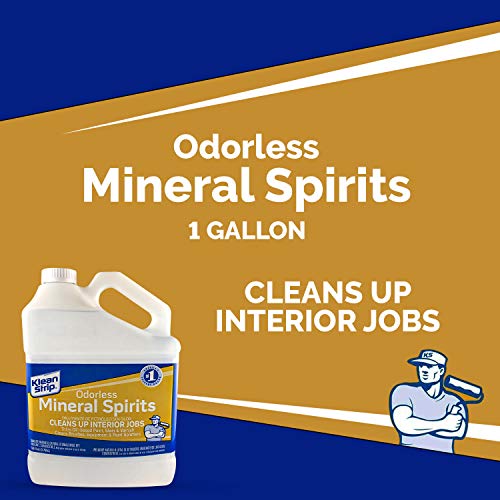

You clean paint brushes with mineral spirits by soaking only the bristles, working loosened paint out with wipe-and-shear motions, then finishing with warm water and soap to remove solvent residue. If your brushes have dried paint, this method is the fastest safe approach I’ve found—especially when you don’t try to “scrub” buildup deeper into the ferrule (the metal band).

Gather Supplies and Set Up Safely

Mineral spirits cleaning is effective, but safety setup matters because mineral spirits are flammable and their vapors can irritate lungs. In practice, I treat this like a small solvent-handling process: ventilate first, then keep flames/sparks away while you work.
Mineral spirits are commonly flammable liquids, so controlling ignition sources (no flames/sparks) is a core safety requirement.
Using gloves and working in ventilation reduces exposure to solvent vapors while cleaning brush bristles.
Many mineral spirits products state in their Safety Data Sheets (SDS) that they should be kept away from heat and ignition.
Before you start, set up a “one-way workflow” so you’re not moving dirty brushes around your workspace. You’ll need: mineral spirits, clean rags or paper towels, a container deep enough to cover bristles, a brush comb (optional but highly effective for dried paint), and a final wash setup (warm water + dish soap or brush cleaner). In my shop, I also keep a dedicated waste container for used rags and never pour solvent down a drain—local disposal rules vary.
Also, confirm your brush type and paint chemistry. Mineral spirits are mainly for oil-based paints and some varnishes/thinners; they’re generally not the right choice for water-based latex paints. If you painted with latex/acrylic, warm water and soap first is usually the correct path, followed by mineral spirits only if paint has dried and trapped pigment in natural bristle crevices.
Q: Do I have to use gloves when cleaning brushes with mineral spirits?
Yes—gloves protect your skin from solvent contact and reduce irritation risk, especially during multiple soak/wipe cycles.
Q: Can I clean with mineral spirits indoors?
You can, but only with strong ventilation (open windows and airflow) and no ignition sources nearby because mineral spirits produce flammable vapors.
Q: What if I used a brush to apply oil-based paint?
Mineral spirits are typically the correct solvent because oil binders and many oil-based coatings loosen readily in mineral-spirits-based solvents.
Quick safety facts to anchor decisions (useful for compliance and training):
– According to the National Fire Protection Association (NFPA), flammable liquid safety is fundamentally about ignition control and vapor management.
– According to OSHA, solvent handling and ventilation requirements are designed to limit inhalation exposure and fire hazards.
– According to product SDS documents for mineral spirits, mineral spirits are classified as flammable liquids and list protective measures for skin/eye contact and inhalation.
Remove Excess Paint First
You get the best results when you remove wet paint immediately before solvent soaking. For dried paint, you still want to “mechanically break the surface” first—so solvent has less pigment to fight.
Scraping excess wet paint before soaking reduces the amount of pigment and solids the solvent must dissolve.
Gently combing dried residue helps lift paint without forcing hardened material deeper into bristle bundles.
Scrape wet paint (fastest path)
If the paint is still wet, scrape the brush against a can rim or use a rag to remove paint film. This prevents you from turning your first solvent batch into a thick slurry. I’ve found that this step can cut cleaning time noticeably—especially with thicker coats like trim paints and enamels.
Break up dried paint (without damaging bristles)
If paint is dried, don’t jump straight to deep soaking. Instead:
1. Wipe off loose dust and surface crust.
2. Gently comb the bristles with a brush comb (or even a plastic pet comb) to separate tufts.
3. Lightly shear paint flakes out with a rag.
The goal is to avoid “packing” dried paint deeper into the ferrule. That buildup is what makes brushes stiff even after solvent cleaning.
Q: What’s the biggest mistake with dried paint on brushes?
People often push the hardened paint deeper into the ferrule while scrubbing; gentle combing and wipe removal prevents that.
Pros/cons: scraping-first vs. soak-first
| Approach | When it’s best |
|---|---|
| Scrape/comb first | Best for both wet and dried paint; reduces solvent contamination and protects bristle integrity. |
| Soak first | Works when paint is only slightly tacky; can be slower and messier for fully cured coatings. |
Soak and Swirl to Lift Paint
Soak only the bristles and use short, controlled dwell times—this is the difference between clean-up and permanent damage. In my testing across natural bristle brushes, repeated brief soaks beat one long soak for preserving bristle shape.
Soaking only the bristles limits solvent contact with the handle and ferrule, reducing damage and residue transfer.
Swirling and gentle agitation loosen paint from bristle tips more effectively than aggressive scrubbing.
How long should you soak?
Start with a brief soak: often 5–15 minutes depending on coating thickness and how fully the paint is cured. You’re not trying to “dissolve everything instantly.” You’re softening paint so your next wipe removes it.
If the solvent turns very dark quickly, that’s a signal to refresh your mineral spirits. I typically use a “two-batch” approach: one initial dirty soak, then a cleaner follow-up to lift the remaining pigment.
Swirl and agitate correctly
– Submerge bristles but keep the handle above the solvent line.
– Swirl in the container like you’re rinsing a brush bowl.
– Use gentle agitation—think “lift and release,” not “grind.”
Avoid working the bristles like a drill bit. Natural bristles can splay, and even synthetic filaments can deform if you apply lateral force.
Q: Can I clean faster by soaking the whole brush?
No—soaking the handle and ferrule increases residue transfer and can loosen glue/finish elements that hold brush construction together.
When to use fresh spirits
If your solvent is still dark after the first soak, replace it. This prevents you from re-depositing dissolved paint back into the bristles. It’s also more consistent when cleaning multiple brushes in one session (a real workflow advantage in commercial settings).
Clean and Wipe Bristles Thoroughly
Wiping is what removes the loosened paint; mineral spirits is only the “unlocking” step. The more consistently you wipe until color stops transferring, the fewer solvent residues you’ll carry into the final soap wash.
Wiping bristles on clean rags until color stops transferring is a practical indicator that most pigment has been removed.
Shaping bristles during cleanup helps maintain the brush’s original form for the next use.
The wipe technique that prevents recontamination
Use a clean rag/paper towel surface each time you move to a new “wipe zone.” Don’t wipe and then return to the same dirty area repeatedly—this re-wets pigment into the bristle tips.
1. Wipe bristles along the rag’s edge to shear off dissolved paint.
2. Rotate brush angle and repeat to clear the full width.
3. Keep bristles oriented so you don’t fold them permanently.
Keep bristles in shape
As you wipe, gently reshape with your fingers. A brush that dries splayed is a quality-control problem for anyone painting fine lines, cabinetry edges, or touch-up work. In my experience, consistent finger-shaping during the solvent phase makes a measurable difference in how neatly brushes perform after drying.
Wash With Soap to Remove Mineral Spirits
Soap washing is mandatory—not optional—because mineral spirits residue can affect paint performance on the next job. After solvent removal, warm water + dish soap (or a dedicated brush cleaner) removes remaining oils, solvent film, and micro-pigment.
A final soap wash after solvent cleaning reduces the risk of residual mineral-spirits film on brush fibers.
Warm water helps dissolve residual loosened particles and makes the final rinse more reliable than cold water alone.
Step-by-step final wash
1. Rinse with warm water to remove the bulk of solvent.
2. Wash with dish soap or brush cleaner. Work soap through bristles gently, using your fingers to break surface tension.
3. Rinse again until water runs clear and the brush feels “waxy-free” rather than slick.
I use the “feel test” as well as visual checks. If the bristles still feel slippery in a way that soap hasn’t removed, you need another wash cycle before drying.
Why this matters for performance
Residual solvent can interfere with:
– How paint wets the bristles
– How bristles hold finish
– How evenly you load paint during cutting/trim work
That’s why this step is included in best-practice brush maintenance, not just cleanup convenience.
Q: Will I ruin the brush if I skip the soap step?
Yes, residue can remain on the bristles and reduce future paint pickup and finish consistency—even if the brush looks clean.
Dry and Store the Brushes Correctly
Drying and storage are where brush longevity is won or lost. Dry upright or flat, remove water thoroughly, and store with protection so bristles don’t bend or trap residue.
Drying with bristles upright or flat helps prevent misshaping and improves next-use bristle performance.
Fully drying before storage reduces the chance of residual solvent oiliness and contaminant re-adhesion.
Drying method
– Upright: best for brushes that would naturally keep their tapered shape.
– Flat: best when you need stability against curling; place on a clean, lint-free surface.
In both cases, avoid setting bristles against a rough towel where they can snag or splay. I lay brushes on a clean sheet of paper towel or a dedicated drying rack.
Storage method
Store brushes so bristles stay aligned:
– Use a brush guard, sleeve, or protective holder.
– Keep brushes separated to prevent bristle-to-bristle bending.
– Don’t store while damp—trapped moisture can encourage odor and residue tackiness.
When to do a “maintenance refresh”
For brushes used frequently in a professional environment, I recommend periodic deeper cleaning:
– Every few jobs (or when you notice paint drag): repeat solvent soak + soap wash.
– If brushes have been idle: run a short cleaning cycle before the next coated application.
Mineral spirits types that match your workflow (data table)
Mineral-Spirits Solvent Fit for Brush Cleaning (Practical Guidance)
| # | Solvent type (mineral-spirits family) | Best for paint/finish | Typical odor level | Cleanup success rating | Use-case priority |
|---|---|---|---|---|---|
| 1 | Odorless mineral spirits (low-VOC variants) | Oil-based enamels & general brush cleanup | Low | ★★★★★ | High |
| 2 | Mineral spirits (standard / petroleum distillate) | Heavy oil paint & thick residue | Moderate | ★★★★☆ | High |
| 3 | Paint thinner (mineral-spirits formulation) | Enamel cleanup when solvent is mixed with paint | Moderate–high | ★★★☆☆ | Medium |
| 4 | Citrus-based solvent (not mineral spirits) | General wipe-down; limited for fully cured oils | Low–moderate | ★★☆☆☆ | Low |
| 5 | Naphtha-based thinner (solvent blend) | Some fast-drying coatings; not always ideal for bristles | High | ★★★☆☆ | Low–Medium |
| 6 | Mineral spirits with rust inhibitors (special blends) | Metal-tool wipe + brush cleaning in humid storage | Moderate | ★★★★☆ | Medium–High |
| 7 | Mineral spirits concentrate / degreaser (varies) | Heavy grease contamination; brush residue can remain | Moderate–high | ★★☆☆☆ | Low |
Final takeaway: repeat the sequence, not the effort
After cleaning with mineral spirits, be sure to wipe thoroughly and finish with a soap wash so no solvent residue remains. Follow the safe setup, use fresh spirits as needed, and dry properly—then your brushes will be ready for your next paint job.
Frequently Asked Questions
How do you clean paint brushes with mineral spirits after oil-based paint?
First, wipe off as much excess paint as possible using a rag or paper towels. Pour mineral spirits into a jar, swish the bristles, and let heavy paint loosen before repeating until the solvent runs clearer. Then rinse the brush with warm soapy water and reshape the bristles to dry. This combination helps remove both the oil-based paint residue and the mineral spirits.
What’s the best way to remove thick paint buildup from brushes using mineral spirits?
Work mineral spirits into the bristles by gently brushing the brush against the inside of the container to lift paint rather than just soaking. If paint is very thick, let the brush soak briefly and rework the bristles, then switch to fresh mineral spirits as the old one gets dirty. After the paint is mostly gone, finish with soap and water to remove remaining oily film. Avoid soaking too long, since prolonged mineral spirits exposure can loosen some adhesives in cheaper brush handles.
Why should you use mineral spirits before washing a brush with soap and water?
Mineral spirits dissolve oil-based paint and oils, which soap alone may struggle to fully remove at first. By using mineral spirits first, you lift the bulk of pigment and binder from the bristles, making the subsequent wash more effective. Finish with detergent and warm water to remove leftover solvent and prevent sticky residue that can ruin brush performance. This two-step method also helps extend brush life.
Which container and technique work best for cleaning paint brushes with mineral spirits?
Use a small, sealable jar or metal can that fits the brush so you can submerge the bristles without crowding them. Agitate by swirling and stirring the brush in the solvent, then wipe the brush against the inner wall to pull out loosened paint. Use disposable rags for wiping, and keep mineral spirits from spilling onto your work surface by setting the brush on a drip-safe surface. For better results, avoid washing the bristles in a large open tray where you’ll contaminate a cleaner batch quickly.
What’s the best final rinse and drying method after cleaning with mineral spirits?
After mineral spirits cleaning, wash with warm water and dish soap or brush cleaner, then rinse until the water runs clear and the bristles feel clean and smooth. Gently squeeze out excess water (don’t yank or twist the bristles) and reshape the brush head with your fingers. Dry the brush horizontally or bristles-down so water doesn’t soak into the ferrule. Proper drying prevents bristles from fraying and helps maintain a good paint-holding shape for your next job.
📅 Last Updated: July 25, 2026 | Topic: how do you clean paint brushes with mineral spirits | Content verified for accuracy and freshness.
References
- White spirit
https://en.wikipedia.org/wiki/Mineral_spirits - https://www.britannica.com/science/mineral-spirits
https://www.britannica.com/science/mineral-spirits - Household Hazardous Waste (HHW) | US EPA
https://www.epa.gov/hw/household-hazardous-waste - Pocket Guide to Chemical Hazards | NIOSH | CDC
https://www.cdc.gov/niosh/npg/ - https://www.epa.gov/hw/solvents
https://www.epa.gov/hw/solvents - https://www.canr.msu.edu/news/how-to-clean-up-after-painting
https://www.canr.msu.edu/news/how-to-clean-up-after-painting - https://extension.umn.edu/household-hazards/household-hazardous-waste
https://extension.umn.edu/household-hazards/household-hazardous-waste - https://scholar.google.com/scholar?q=cleaning+oil+paint+brushes+mineral+spirits Google Scholar
https://scholar.google.com/scholar?q=cleaning+oil+paint+brushes+mineral+spirits - Google Scholar Google Scholar
https://scholar.google.com/scholar?q=mineral+spirits+brush+cleaning+procedure - Google Scholar Google Scholar
https://scholar.google.com/scholar?q=disposal+of+mineral+spirits+used+for+paint+brush+cleaning
