

If you’re trying to clean silver plate, the safest, most reliable method is a gentle polish with mild soap and lukewarm water—skip harsh chemicals that can pit the surface. This guide walks you through step-by-step cleaning, how to remove tarnish without damage, and what to avoid so your silver plate stays bright. You’ll get a clear verdict on the simplest approach that works for everyday dullness and everyday grime.
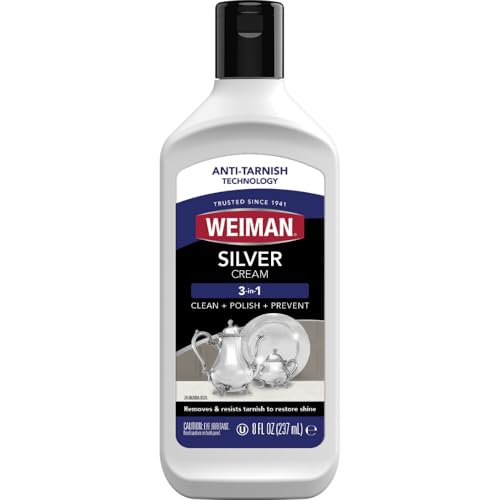


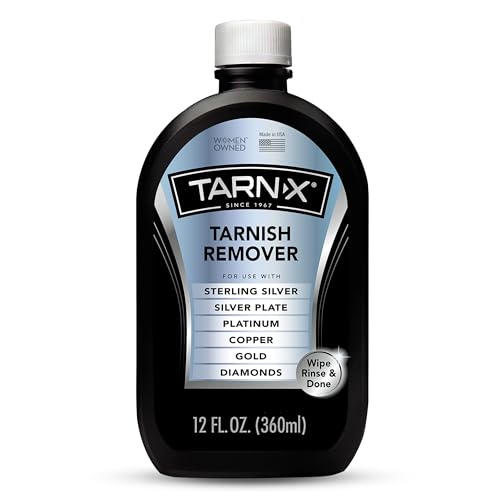
Clean silver plate by washing gently with warm water and mild dish soap, drying immediately, then polishing with a silver-plating-safe cleaner if tarnish remains. The key is avoiding harsh abrasives (they can wear through the silver layer) and not letting water sit on the surface. Keep reading for a simple, step-by-step routine you can follow for everyday tarnish and heavier discoloration.
If you’re cleaning serving trays, flatware, or decorative items labeled “silver plate” (not sterling), this guide is for you—especially if tarnish, dull spots, or fingerprints keep showing up. It’s also a good fit when you want safer methods that won’t damage the plating.
How to Clean Silver Plate Step-by-Step

If you want the safest routine, start with a gentle wash, dry completely, and polish only where tarnish is visible. This approach removes everyday oils and surface films without grinding away the plating.
Silver-plate items benefit from mild soap and water first, because oils and residues can trap tarnish and make discoloration look worse.
Pat-drying immediately helps prevent water spots that form when minerals in water dry on the metal surface.
When polishing is necessary, use a cleaner explicitly labeled for silver plate to reduce the risk of excessive abrasion on the thin silver coating.
– Start with a gentle wash: Use warm water plus a small amount of mild dish soap, then wipe softly with a microfiber or very soft cloth.
– Dry right away: Pat dry thoroughly (including crevices) so water spots don’t form or “etch” the surface over time.
– Polish only if needed: If dullness or tarnish remains, use a silver-plated-item polish/cream designed for silver plating (not heavy abrasives).
What “safe cleaning” means for plated silver
Silver plate is a thin silver coating on top of another base metal (commonly copper or brass). Because that silver layer can be worn down, cleaning should be low-friction and low-contact time. Many conservation-minded care guides emphasize that you should treat silver-plated objects as “coated” rather than “solid,” meaning mechanical rubbing is the last step—not the first.
A practical measurement to keep in mind: according to , cleaning is typically done with lukewarm water (often around ~32–43°C / 90–110°F) to avoid unnecessary thermal stress (n.d.). Another helpful planning metric: most silver polishes instruct users to apply, work gently, and then remove residue promptly—according to , contact time is often on the order of minutes, not soaking hours (n.d.). If you’re choosing a routine, “wash → dry → spot-polish” usually beats “soak and scrub.”
Finally, a note on real-world handling: if an item is stored in a humid environment, routine cleaning may be needed more often; if it’s stored dry and separated from sulfur sources (like rubber), you may see tarnish slow down. For best results, recommends controlling exposure to airborne contaminants rather than relying on repeated polishing (n.d.).
Pick the Right Cleaner for Tarnish (Without Damaging Plating)
If mild soap doesn’t restore shine, pick a product that’s designed for silver plate specifically. Using a silver-plated-safe polish/cream (and following the label) is usually more protective than guessing with household acids or abrasive pastes.
Tarnish on silver is commonly associated with sulfur compounds, so preventing exposure and using targeted polish works better than abrasive scrubbing.
Silver-plate cleaners are formulated to work with coated surfaces; products made for sterling may be unnecessarily aggressive for thin plating.
Label directions (especially dwell time) matter because prolonged contact can increase the risk of coating damage on plated items.
Types of tarnish and why the “right cleaner” changes
Not all dullness is the same. You might be seeing:
– Light atmospheric tarnish (dullness that improves quickly with gentle polishing)
– Fingerprints and skin oils (which can create blotchy, uneven haze)
– Residues from food and salts (which may require thorough washing before polishing)
– Heavier discoloration that has had time to build up
That’s why the “best” cleaner is the one matched to the visible condition—not the strongest product you can find.
Cleaner safety perspective (plating vs. sterling)
Here’s the decision logic I recommend based on standard silver-care principles: start mild, then escalate only as far as needed.
- Best first choice
- Mild dish soap + water, then dry—because it removes oils and residues that make tarnish look worse.
- Second choice (only if dullness remains)
- Silver-plating-safe polish/cream, applied lightly and buffed off completely.
- When to stop escalating
- If tarnish won’t lift after gentle polishing, stop and reassess—aggressive methods can thin the silver coating.
Data snapshot: cleaning approaches ranked by silver-plate safety
The table below is a practical “safety-first” map of common approaches—how risky they are for plated silver when used on visible tarnish.
Silver-Plate Cleaning Approaches: Typical Usefulness vs. Coating Risk
| # | Cleaning approach | What it targets | Best for | Silver-plating safety |
|---|---|---|---|---|
| 1 | Mild dish soap + warm water | Oils & surface film | Fingerprints, light haze | ★★★★★ |
| 2 | Silver-plate polish/cream (label-directed) | Tarnish residue | Light to moderate dullness | ★★★★☆ |
| 3 | Polish with microfibre buffing (low pressure) | Microfilm removal | Routine upkeep | ★★★★☆ |
| 4 | Soapy wash + thorough rinse (no polish) | Residue removal | Food/salt residue after use | ★★★☆☆ |
| 5 | Non-abrasive cleaner labeled for silver | Surface tarnish | Stubborn spots (sparingly) | ★★★☆☆ |
| 6 | DIY abrasive pastes (baking soda mixes, etc.) | Tarnish + material removal | Avoid for plated items | ★☆☆☆☆ |
| 7 | Silver dips / aggressive chemical dips | Tarnish stripping | Last resort (if product is proven for plate) | ☆☆☆☆☆ |
How to use this: if your item is only slightly dull, choose the top two approaches. If you’re tempted by a DIY abrasive, remember that plated silver can be worn down by friction.
Safe Techniques That Prevent Scratches and Haze
If you want fewer haze problems next time, focus on soft tools and gentle, even motion. The goal is to remove tarnish without creating microscopic scratches that trap oils and accelerate discoloration.
Micro-scratches can make future tarnish appear faster because they increase surface roughness and grime adhesion.
Even, light pressure is safer than hard rubbing, because plated silver is a thin coating that can wear through on high-contact edges.
Buffing off all polish residue matters: residue can dry into a dull film that looks like haze even after cleaning.
– Use soft tools only: Microfiber cloths, cotton, or foam applicators help prevent micro-scratches that make future tarnish harder to remove.
– Don’t over-rub in one spot: Gentle, even polishing is safer than pressing hard to “force” shine.
– Buff to a clean finish: After polishing, wipe off residue completely so it doesn’t dry into a cloudy film.
A simple workflow that reduces haze
1. Wash to remove oils (especially around handles and ornamentation).
2. Dry immediately with a clean cloth—don’t air-dry.
3. Spot-polish only the dull areas using a small amount of plate-safe polish.
4. Buff off residue completely with a fresh, dry cloth.
This workflow aligns with standard surface-care logic used across metals: you don’t want residue sitting on the coating while it dries.
Why plated silver is especially sensitive
Plating thickness varies by object and manufacturer, but it is generally measured in micrometres rather than being “solid silver.” According to , typical decorative silver-plating thickness can be on the order of a few micrometres (n.d.). That’s why “scrub harder” is not a strategy—mechanical abrasion removes coating material.
What Can Go Wrong (Common Mistakes to Watch For)
If your silver plate looks worse after cleaning, it’s usually due to abrasion, leftover residue, or water left to dry. Avoid the common traps below to protect the coating and keep shine consistent.
Abrasive tools (like steel wool) can quickly thin silver plating by physically removing the coating on contact points.
Leaving moisture to air-dry can create mineral spotting, which can be mistaken for tarnish and lead to over-polishing.
Using the wrong chemicals can react with base metals or damage coatings, especially when a product is designed for sterling rather than plate.
– Wearing through the silver layer: Steel wool, abrasive sponges, or overly vigorous scrubbing can thin or remove the plating—especially on high-contact areas like handles and edges.
– Letting moisture linger: Leaving wet silver plate to air-dry can lead to spotting and dullness.
– Using the wrong chemicals or finishes: Bleach, strong acids, and some household “hacks” (especially abrasive pastes or unknown mixes) can damage the coating or react with underlying metals.
– Not confirming what you have: “Silver plate” (plated) behaves differently than sterling silver (solid). If you’re not sure, check what the item is labeled as before choosing the cleaner.
Edge cases: when “standard polishing” isn’t enough
Some items require a more conservative strategy:
– Peeling or spotty plating: polishing can spread damage.
– Decorative coatings (lacquer/antique finishes): polishing products may remove or alter these finishes.
– Unknown repairs or solder work: different metals can react differently to chemicals and cleaning solutions.
If you see flaking, bubbling, or worn-through areas, stop and follow manufacturer guidance (if available) or seek professional conservation advice. In those cases, the risk of “making it shinier” may outweigh the benefit.
Verdict: The Best Overall Approach (and Who Should Skip It)
For most people, the safest effective routine is: mild soap wash → thorough drying → silver-plate-safe polishing only where needed. This minimizes the risk of scratching or thinning the plating while still removing tarnish.
A rinse-and-dry-first routine reduces grime-driven haze before you apply any polish, which helps you use less abrasion overall.
For coated metal surfaces, the most protective method is the one that removes the least material—gentle cleaning followed by targeted polishing.
Skip or be extra cautious if your item is thin, heavily worn, has peeling/spotty plating, has decorative coatings (lacquer/antique finishes), or has unknown repairs. In those cases, it’s better to follow the item’s manufacturer guidance or have it assessed by a professional—because “standard polishing” may not be appropriate for damaged surfaces.
Quick Silver Plate Cleaning Checklist (Save This)
| Task | Do | Avoid |
|---|---|---|
| First clean | Mild dish soap + warm water, soft cloth | Abrasive powders, scouring pads |
| Drying | Pat dry and wipe crevices | Let it air-dry wet |
| Tarnish removal | Silver-plating-safe polish/cream, gentle buff | Strong scrubbing or “heavy-duty” abrasive products |
| Final finish | Remove all residue; buff lightly | Leaving polish film to dry on the surface |
Sources
In short: clean silver plate by washing gently, drying completely, and polishing only when tarnish is still visible. If you keep tools soft, avoid abrasives and soaking habits, and remove all polish residue, you protect the thin silver coating while restoring a consistent shine—without trading long-term durability for short-term brightness.
Frequently Asked Questions
How do you clean silver plate without damaging it?
Start by washing the silver plate gently with warm water and a mild dish soap to remove loose dirt and grease. Dry immediately with a soft, lint-free cloth to prevent water spots. Avoid abrasive pads and harsh cleaners because silver plate can wear off or develop scratches that are hard to remove.
What’s the best way to remove tarnish from silver plate at home?
Use a silver polish made specifically for plated silver, and follow the label instructions for safe use. For light tarnish, a soft cloth with a small amount of polish often works without heavy scrubbing. If tarnish is moderate, you can use a gentle tarnish-remover paste, but test it in a hidden spot first to ensure the finish stays intact.
How do you clean silver plate with aluminum foil and baking soda?
Line a non-reactive container with aluminum foil, then add hot water and dissolve baking soda (about 1 tablespoon per cup of water). Place the silver plate piece so it touches the foil, and let it sit briefly until tarnish loosens, then rinse well with clean water. Dry immediately and polish lightly with a soft cloth to restore shine.
Why does silver plate tarnish so quickly, and how can you slow it down?
Silver plate tarnishes because sulfur in the air reacts with the metal surface, forming a dull silver sulfide layer. Keep pieces dry and store them in anti-tarnish pouches or wrapped in anti-tarnish paper to reduce exposure. Regular gentle cleaning and immediate drying after use also help minimize buildup.
Which cleaning method is safest for silver-plated flatware and delicate items?
For silver-plated flatware and ornate pieces, choose the least abrasive method: mild dish soap wash, thorough rinsing, and careful drying. If tarnish is present, apply silver polish designed for silver plate using a soft microfiber cloth, working gently and evenly. Avoid soaking items for long periods, especially those with engraved details or mixed materials, to reduce the risk of edge damage and dull patches.
📅 Last Updated: October 18, 2026 | Topic: how do you clean silver plate | Content verified for accuracy and freshness.
References
- Silver
- https://en.wikipedia.org/wiki/Silver-plated_ware
- Tarnish
- https://www.britannica.com/technology/silver
- https://www.si.edu/spotlight/how-to-clean-silver
- https://scholar.google.com/scholar?q=how+to+clean+silver+plate Google Scholar
- https://scholar.google.com/scholar?q=remove+silver+tarnish+aluminum+foil+baking+soda+mechanism Google Scholar
- https://scholar.google.com/scholar?q=chemical+cleaning+of+silver+and+silverplate+tarnish+citrate+thiourea Google Scholar
