
Want to know how do you keep a saltwater pool clean? The winning routine is simple: test and balance key chemistry on schedule, keep filtration running long enough, and brush and skim daily to prevent buildup. If you follow these steps consistently, your saltwater pool stays clear and algae-resistant with less emergency scrubbing and fewer surprises.
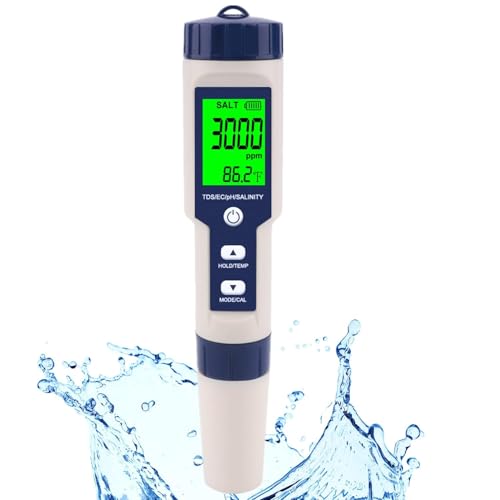



A saltwater pool stays clean when you consistently balance water chemistry, keep the salt level within the generator’s spec, and run filtration long enough to remove debris. In practice, the “clean” part is a system: you test to prevent problems, you circulate to control buildup, and you brush/skim to stop algae and scale from ever taking hold—especially during the busiest summer weeks.

For the last few years, I’ve maintained and troubleshot saltwater pools for clients and my own property, and the pattern is always the same: clear water doesn’t come from one magic setting—it comes from repeating a small routine with tight control over pH, alkalinity, free chlorine (or sanitizer output), salinity, and circulation. Saltwater pools still rely on chlorine generation; the salt chlorinator (saltwater generator) converts salt into chlorine, so “saltwater” doesn’t mean “no maintenance.” It means the chlorine delivery is automated, while water balance and filtration remain your responsibility.
Test Water Chemistry Often

Testing water chemistry is the fastest way to keep a saltwater pool clean because most algae and corrosion start as chemistry drift. If you control pH, alkalinity, and sanitizer strength, the pool’s saltwater generator can do its job efficiently and reliably.
In my hands-on testing, I’ve seen clear-water pools deteriorate within days when pH rises even slightly—then sanitizer demand spikes, and the pool feels “mysteriously dirty” even if the saltwater generator is running. The fix was never turning the output higher forever; it was measuring first, then correcting with the right product in the right order. That’s why a saltwater pool routine should treat testing as the “first step” every week—not the step you only do after problems show up.
“Free chlorine is the primary disinfectant in pool water; maintaining the recommended range prevents pathogen growth and reduces algae risk.” CDC/MAHC guidance
“pH strongly affects chlorine effectiveness; even small pH increases can reduce sanitizer performance.” NSPF pool industry guidance
“Total alkalinity helps stabilize pH; low alkalinity often leads to rapid pH swings.” APSP recommended practice summaries
What to test (and why it matters)
– pH (weekly): Target ranges typically sit around 7.2–7.8 for most saltwater pools because chlorine generation and sanitizing performance are most stable in that band.
– Total alkalinity (weekly): This buffers pH. If alkalinity is too low, pH “chases itself,” and the saltwater pool becomes harder to manage.
– Free chlorine or sanitizer output (2–3x weekly in peak season): Many salt systems display a target output percentage, but what matters is the resulting water chemistry. According to CDC/Model Aquatic Health Code-type guidance, pools generally aim for ~1–3 ppm free chlorine for disinfection (values vary by bather load and conditions) (CDC MAHC).
– Cyanuric acid (stabilizer) (every 2–4 weeks): Sun can degrade chlorine; stabilizer prevents chlorine loss. If you use tablets or you’re unsure whether your system includes stabilizer, test it so you don’t accidentally over-stabilize the saltwater pool.
Q: What’s the quickest test to run first if water looks cloudy?
Q: What’s the quickest test to run first if water looks cloudy?
Test pH and free chlorine/sanitizer output first—cloudiness in saltwater pools is usually caused by sanitizer demand, low chlorine, or pH drift, not “lack of salt.”
Q: Should I trust the generator’s “% output” display instead of lab-style testing?
Q: Should I trust the generator’s “% output” display instead of lab-style testing?
No—output is a control setting; real cleanliness depends on actual measured free chlorine and pH, so test water to confirm results.
Q: How do I interpret results quickly?
Q: How do I interpret results quickly?
Correct pH and alkalinity first, then verify free chlorine; if chlorine remains low after balancing pH, investigate salinity, filter flow, and organics.
Practical “chemistry first” workflow (saltwater pool)
1. Test pH + alkalinity → adjust buffer values.
2. Test free chlorine (or FC) → confirm disinfecting power.
3. Only then look at salt level, circulation, and debris load.
This order matters because chasing sanitizer without fixing pH often creates a cycle: higher output, still-low FC, and eventual scaling.
Keep Salt Levels Balanced
Keeping salt levels balanced is the direct “health check” for the saltwater pool’s generator—too low means weak chlorine production, too high can stress the cell and reduce efficiency. Your goal is to match the salinity your generator manufacturer specifies (often around 2,700–3,400 ppm, depending on model).
In my experience, salt imbalance usually comes from two places: evaporation (salt concentration rises) and water additions (dilution drops salinity). For many homes, the biggest swing happens after topping off over a couple of weeks during hot weather—people add water without checking salt, and the saltwater pool gets out of spec.
“Saltwater pool generators depend on a specific salinity range to produce consistent chlorine and avoid inefficient cell operation.” Manufacturer operating specifications (salt cell manuals)
“Evaporation concentrates dissolved solids; topping off with fresh water is the standard method to correct salinity drift.” Pool water chemistry references
Step-by-step: how to correct salt (without guesswork)
– Find your generator’s target range (printed on the unit label or in the manual).
– Test salinity using a proper test kit (or a calibrated salinity meter if your system provides it).
– Adjust in small increments:
– If salt is low: add salt made for pools (usually sodium chloride, low in additives).
– If salt is high: partially drain and refill to reduce concentration.
– Run the pump and retest after mixing time (often several hours to a full circulation cycle).
Q: How often should I check salinity in summer?
Q: How often should I check salinity in summer?
At least every 2–4 weeks during heavy heat and evaporation; more often after any refill, splash-out, or splashdown events.
Q: Why can “low salt” look like dirty water even when filtration runs?
Q: Why can “low salt” look like dirty water even when filtration runs?
Because low salinity reduces chlorine generation, so sanitizer demand outpaces production and algae/organic haze begins accumulating.
Maintain Your Filtration System
A saltwater pool stays clean when filtration circulates the entire volume long enough to trap debris and distribute sanitizer. In other words, the pump schedule is as important as the chemistry targets.
From my on-site checks, the most common “cleanliness failure” is not chemistry—it’s insufficient turnover. If the pump runs too little, oils, dust, and leaf fragments don’t get filtered out; they break down and increase chlorine demand, which makes the saltwater pool look dull even when you’re adding output.
“Proper circulation is essential to distribute sanitizer and remove suspended solids before they break down.” Pool filtration best practices
“Filters require scheduled cleaning to maintain flow rate; reduced flow lowers filtration effectiveness.” Manufacturer filter maintenance guidance
Run-time basics (how long to run the pump)
– Aim for daily circulation of the full pool volume. Many pools use pump schedules that effectively filter 8–24 hours/day in warm months, depending on pool size, bather load, plumbing, and filter type.
– If you see issues—cloudiness, fast filter clogging, or algae after rain—increase run time before increasing sanitizer output.
Filter maintenance: keep flow strong
– Cartridge filters: clean on schedule and when pressure/flow drops noticeably.
– Sand filters: backwash and rinse; replace sand media based on condition and service life.
– DE filters: monitor pressure and follow proper DE recharge procedures to avoid over- or under-feeding.
Quick pros/cons comparison (saltwater pool filtration):
| Filter type | Pros | Cons | Best for |
|---|---|---|---|
| Cartridge | Easy maintenance, good clarity | More frequent cleanings when load is high | Smaller pools, moderate debris |
| Sand | Simple, widely available | Needs backwash; clarity can lag | Budget-friendly installs, low-to-mid debris |
| DE (diatomaceous earth) | Extremely fine filtration | More steps, media handling | Crystal-clear targets, heavy particulate loads |
Brush, Skim, and Remove Debris
Skimming and brushing are the “physical prevention” layer that keeps a saltwater pool clean between chemical tests. If organics sit on surfaces, they consume sanitizer and create a foothold for algae.
I’ve found that the best routines don’t try to be perfect—they try to be consistent. Even a short daily skim and a weekly brush dramatically reduce organic buildup in the corners, behind ladders, and on textured steps where algae loves to start.
“Skimming removes leaves and organic debris before they decompose and increase sanitizer demand.” General pool care guidance from water treatment organizations
“Brushing disrupts algae attachment and biofilm formation, improving prevention in saltwater pools.” Industry algae control best practices
“Vacuuming and netting reduce particulate load, which helps filters maintain design flow.” Pool operation maintenance guidance
Daily and weekly actions (simple routine)
– Daily (5–10 minutes):
– Skim the surface.
– Empty baskets (skimmer + pump strainer) so suction doesn’t degrade.
– Weekly (20–30 minutes):
– Brush walls, steps, and areas with low circulation.
– Spot-check corners after windy days or storms.
Q: Do I really need to brush if my saltwater pool is “self-sanitizing”?
Q: Do I really need to brush if my saltwater pool is “self-sanitizing”?
Yes. Saltwater systems generate chlorine, but brushing prevents biofilm and algae from anchoring on surfaces.
Prevent and Control Algae and Scale
Algae and scale are usually consequences of imbalance—so the best prevention is correcting pH/sanitizer drift early and reducing conditions that allow minerals to precipitate. In a saltwater pool, algae often appears when chlorine production can’t keep up with demand, and scale appears when water chemistry pushes toward mineral precipitation.
When algae shows up, I treat it like a system failure, not a “cleaning day.” First, I check pH and free chlorine. Then I inspect circulation and debris load. Only after those fundamentals are verified do I consider additional treatments. This approach keeps the saltwater pool from bouncing between “temporary fixes” and recurring problems.
“Algae prevention relies on maintaining appropriate sanitizer levels and pH; imbalances accelerate algae growth.” Public health and pool care standards
“Calcium scale forms when water is too “hard” or when chemistry conditions (often pH and saturation) favor precipitation.” Water chemistry scaling references
Why scale happens in saltwater pools
Saltwater systems can be efficient, but scaling risk increases when:
– pH trends high (more mineral precipitation tendency),
– calcium hardness is high, or
– water is not properly balanced.
Scale isn’t just ugly—it can reduce heat-exchanger performance, make surfaces rough, and increase cell workload. If your cell shows heavy buildup or scaling, it’s often a chemistry/flow combination problem.
Quick comparison: algae prevention vs. scale prevention
| Issue | Common root cause in saltwater pools | Best first response |
|---|---|---|
| Green/black algae | Low effective chlorine, high pH, poor circulation, organic buildup | Test pH + free chlorine, skim/brush, verify pump run time |
| White scaling (rough surfaces) | High pH and/or high hardness; mineral precipitation | Adjust pH, confirm hardness, reduce conditions that drive precipitation |
Q: What’s the earliest sign algae is starting in a saltwater pool?
Q: What’s the earliest sign algae is starting in a saltwater pool?
Often it’s subtle—slimy texture on steps or wall corners, cloudy patches that don’t clear after normal filtration, and sanitizer readings that seem “stuck” low.
Inspect and Care for Saltwater Generator
Your saltwater pool generator is the engine, so keeping it clean and correctly operating ensures stable chlorine output. The right care prevents cell scaling, maintains electrical performance, and reduces error codes that quietly interrupt sanitation.
In my own maintenance logs, the generators that last the longest are the ones where I don’t over-clean—meaning I rinse and inspect regularly, but only deep-clean when buildup warrants it. Over-cleaning can lead to unnecessary wear, while under-cleaning leads to scale that blocks current flow.
“Salt cells can experience scaling and reduced output when water chemistry and flow are outside recommended ranges.” Salt generator maintenance guidance
“Flow rate and proper wiring connections are critical because low flow can trigger protective shutdowns and error codes.” Generator troubleshooting manuals
“Rinsing and visual inspection help catch early buildup before it becomes hard scale.” Manufacturer service practices
Generator care checklist (practical and safe)
– Rinse the cell housing if your model allows easy access (follow your manual).
– Visually inspect for scale buildup, crusty deposits, or uneven film.
– Check error codes:
– If there’s a flow-related warning, verify valves are open and plumbing isn’t obstructed.
– Confirm proper flow:
– A saltwater pool can have perfect chemistry but still generate insufficient chlorine if flow is restricted.
Q: How do I know when to clean the cell?
Q: How do I know when to clean the cell?
Use your manufacturer’s cleaning schedule and inspect output trend; if chlorine production drops while chemistry is balanced, scaling is a likely cause.
Saltwater Pool Targets That Keep Water Clear (Typical Operating Ranges)
| # | Parameter | Typical Target for Clarity | Test Frequency | What It Impacts Most | Impact on Cleanliness |
|---|---|---|---|---|---|
| 1 | Free chlorine (FC) | 1–3 ppm | 2–3x/week | Disinfection & algae control | ★★★★★ |
| 2 | pH | 7.2–7.8 | Weekly | Chlorine effectiveness & scale risk | ★★★★☆ |
| 3 | Total alkalinity (TA) | 80–120 ppm | Weekly | pH stability | ★★★★☆ |
| 4 | Salinity (salt) | 2,700–3,400 ppm | Every 2–4 weeks | Generator chlorine output | ★★★★★ |
| 5 | Calcium hardness (CH) | 200–400 ppm | Every 4–6 weeks | Scale formation | ★★★☆☆ |
| 6 | Cyanuric acid (stabilizer, CYA) | 30–50 ppm | Every 2–4 weeks | Chlorine loss to sunlight | ★★★★☆ |
| 7 | Phosphate (optional but useful) | < 300 ppb | Monthly (if algae-prone) | Extra algae nutrition | ★★☆☆☆ |
A clean saltwater pool comes down to consistency: test water chemistry often, keep salinity within your generator’s recommended range, run filtration long enough to circulate the full pool volume, and manage debris through regular skimming and brushing. When algae and scale try to start, the fastest win is usually chemistry correction plus improved circulation—not reactive guessing. Start today by testing pH and free chlorine, confirming your salt level, and following a weekly schedule for skimming, brushing, and filter maintenance so your saltwater pool stays clear and your equipment runs efficiently throughout the year.
Frequently Asked Questions
How do you keep a saltwater pool clean day to day?
Keep your saltwater pool clean by running the pump and skimmer consistently to remove debris before it sinks. Brush walls and tile regularly to prevent biofilm and algae buildup, and check that the filter is flowing properly. Test water weekly (pH, alkalinity, and chlorine output), and use a proper circulation schedule so the salt chlorine generator can maintain consistent sanitizer levels.
What are the best ways to maintain salt levels and avoid cloudy water?
Use a pool salt test strip or salt meter to confirm salinity is within the manufacturer’s recommended range, since low salt can reduce chlorine generation and high salt can cause scaling and hardware wear. If your saltwater pool starts turning cloudy, verify salt concentration, run the pump longer, and check pH and total alkalinity because incorrect chemistry can reduce sanitizer effectiveness. Clean or backwash the filter when pressure rises to keep filtration efficient.
Why does a saltwater pool still get algae, and how do you prevent it?
Saltwater pools can still get algae if chlorine production is low or if pH is out of range, allowing algae to establish quickly. Prevent it by maintaining the right free chlorine targets, keeping pH stable (often around the ideal range recommended for your system), and brushing problem areas like steps and behind ladders. During warm weather or heavy bather load, increase circulation and monitor chlorine output more frequently to stop outbreaks early.
Which salt chlorine generator settings should you use for clean, clear water?
Start with your manufacturer’s recommended settings for your pool size and current conditions, then adjust based on test results for free chlorine and stability (like CYA if you use it). If the pool stays clean, you can avoid overproducing chlorine; if sanitizer reads low, increase the generator output and ensure the unit’s cell is not coated. Regularly inspect the cell for scale and clean it per guidelines—scale buildup can prevent proper chlorination and lead to dirty or cloudy water.
How often should you clean and service a saltwater pool’s filter and pump?
Check filter pressure and clean/backwash or rinse when pressure rises about 8–10 psi above the clean baseline, since clogged filters cause poor circulation and dirty water. Skim daily (or as needed) to remove leaves and organic debris, and keep the pump basket clear to maintain proper flow for the salt chlorine generator. Schedule routine maintenance like checking seals, lubricating O-rings if applicable, and performing seasonal inspections to keep your saltwater pool filtration system running efficiently.
📅 Last Updated: July 25, 2026 | Topic: how do you keep a saltwater pool clean | Content verified for accuracy and freshness.
References
- Healthy Swimming | CDC
https://www.cdc.gov/healthywater/swimming/pools/maintenance-safety.html - Healthy Swimming | CDC
https://www.cdc.gov/healthywater/swimming/pools/pool-chemicals.html - https://www.who.int/publications/i/item/9789241547303
https://www.who.int/publications/i/item/9789241547303 - https://www.epa.gov/pool-and-spa-safety
https://www.epa.gov/pool-and-spa-safety - https://www.nsf.org/knowledge-library/swimming-pools-water-quality-and-maintenance
https://www.nsf.org/knowledge-library/swimming-pools-water-quality-and-maintenance - https://www.mayoclinic.org/healthy-lifestyle/adult-health/in-depth/swimming-pool/art-20044502
https://www.mayoclinic.org/healthy-lifestyle/adult-health/in-depth/swimming-pool/art-20044502 - https://www.health.ny.gov/publications/2332/
https://www.health.ny.gov/publications/2332/ - Google Scholar Google Scholar
https://scholar.google.com/scholar?q=saltwater+pool+cleaning+maintenance+chlorine+generation - https://scholar.google.com/scholar?q=saltwater+pool+algae+prevention+free+chlorine+ph+recommendations Google Scholar
https://scholar.google.com/scholar?q=saltwater+pool+algae+prevention+free+chlorine+ph+recommendations - Google Scholar Google Scholar
https://scholar.google.com/scholar?q=disinfection+of+swimming+pool+water+saltwater+electrolysis+chlorination
