
Clear retainers typically last between 1 to 3 years, depending on various factors such as usage, care, and the material quality. Understanding these aspects is essential for maintaining your dental alignment and ensuring your investment in orthodontic treatment is protected. In this article, we will explore the lifespan of clear retainers, the factors affecting their durability, maintenance tips, and when to consider replacements.

Understanding Clear Retainers

Clear retainers, also known as Essix retainers, are custom-made dental appliances designed to maintain the positioning of teeth after orthodontic treatment, such as braces or Invisalign. These retainers are made from a thin, clear plastic material, making them virtually invisible when worn. Their aesthetic appeal and comfort are significant advantages over traditional metal retainers, which can be bulky and more noticeable.

The design of clear retainers allows them to fit snugly over the teeth, providing a level of comfort that enables most wearers to adapt quickly. They can be easily removed for eating and cleaning, making them a practical option for many patients. However, the effectiveness of clear retainers relies heavily on proper usage and care.
Factors Influencing Lifespan


The lifespan of clear retainers can vary significantly based on several key factors:
– Material Quality: The quality of the plastic used in the retainer plays a critical role in its durability. High-quality, medical-grade materials tend to withstand wear and tear better than cheaper alternatives. Investing in retainers made from superior materials can lead to a longer lifespan.
– Daily Wear and Tear: The frequency and duration of wear directly impact how long a retainer will last. Individuals who wear their retainers as prescribed, typically every night, will find that their retainers last longer than those who use them inconsistently. Additionally, activities such as teeth grinding or clenching can accelerate wear and tear.
– Environmental Factors: Exposure to extreme temperatures can also affect the integrity of clear retainers. For example, leaving retainers in a hot car or placing them in hot water can warp the material, leading to a reduced lifespan.
– Type of Retainer: There are different types of clear retainers available, including those made specifically for overnight wear and others designed for full-time wear. The type of retainer recommended by your orthodontist will also influence how long it lasts.
Lifespan Comparison of Clear Retainers
Estimated Lifespan of Clear Retainers
| # | Type of Retainer | Average Lifespan | Usage Frequency |
|---|---|---|---|
| 1 | Essix Retainers | 1-3 years | Nightly wear |
| 2 | Vivera Retainers | 3-5 years | Full-time wear |
| 3 | Clear Hawley Retainers | 2-5 years | Nightly wear |
| 4 | Permanent Retainers | 5+ years | Continuous wear |
Proper Care and Maintenance

To maximize the lifespan of your clear retainer, following a proper care and maintenance routine is essential. Here are some key tips:
– Cleaning Routine: Regularly clean your retainer with a gentle cleanser specifically designed for dental appliances. Avoid using harsh chemicals or abrasives, as these can scratch the surface and lead to discoloration. A mixture of warm water and mild soap can effectively remove bacteria and plaque build-up.
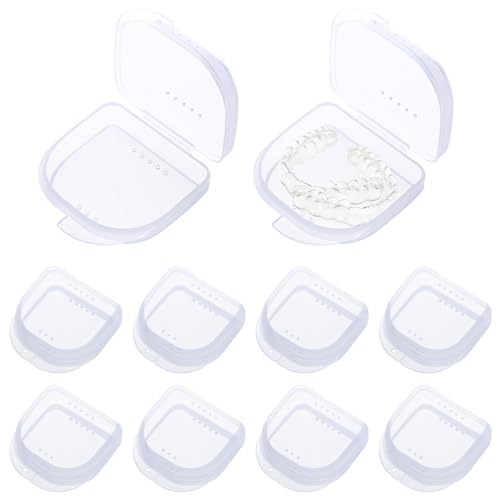
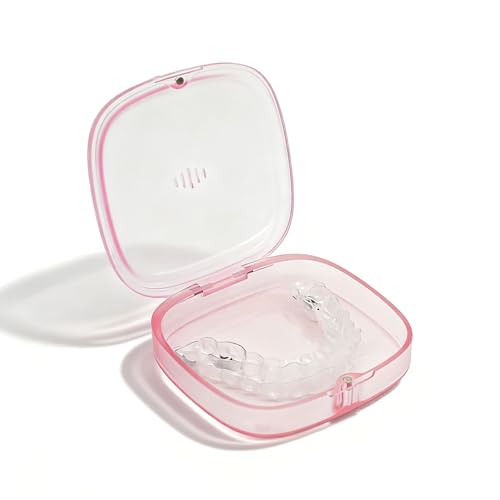
– Storage Practices: Always store your retainers in a protective case when not in use. This prevents damage from accidental drops or exposure to harmful elements. Avoid wrapping them in a tissue or napkin, as this can lead to accidental disposal.
– Avoid Hot Water: When cleaning your retainer, avoid using hot water, as it can warp the plastic. Instead, use lukewarm water to ensure the retainer maintains its shape and integrity.
– Check for Damage: Regularly inspect your retainer for cracks, discoloration, or any signs of wear. Addressing these issues promptly can prevent further damage and ensure the retainer continues to fit properly.
Signs Your Retainer Needs Replacement
Understanding when your retainer may need replacement is crucial for maintaining dental alignment. Here are some signs to watch for:
– Cracks or Breaks: Visible damage can compromise the effectiveness of the retainer. Any cracks or breaks may hinder its ability to hold teeth in place, making it essential to seek a replacement.
– Loss of Fit: If the retainer begins to feel loose or uncomfortable, it may no longer be serving its purpose. An ill-fitting retainer can fail to maintain your teeth’s position, potentially leading to a regression in your orthodontic results.
– Discoloration: Over time, retainers may become discolored due to food, beverages, or inadequate cleaning. While this may not affect functionality, it can be a sign that the retainer is aging and may need replacing.
– Bacterial Growth: If you notice persistent odors or visible deposits on your retainer that do not come off with cleaning, it may indicate that bacteria have built up. This can pose risks to oral health, necessitating a replacement.
The Replacement Process
When it comes time to replace your clear retainer, the process typically involves the following steps:
– Consultation with Orthodontist: Schedule an appointment with your orthodontist to evaluate the condition of your retainer. They can provide recommendations based on its wear and your dental alignment needs.
– Cost Considerations: The cost of a new retainer can vary widely based on factors such as the type of retainer, your location, and your orthodontist’s fees. Generally, you can expect to pay anywhere from $100 to $500 for a new clear retainer. It is wise to inquire about the costs during your consultation to avoid any surprises.
Alternatives to Clear Retainers
While clear retainers are a popular choice, there are alternatives that may suit different needs and preferences:
– Permanent Retainers: Some patients may opt for a fixed retainer, which is bonded to the back of the teeth. These retainers do not require daily removal and can provide continuous support for maintaining tooth alignment.
– Other Types: Explore options like Hawley retainers, which feature a combination of plastic and metal. These are adjustable and can be a good alternative for those who prefer more traditional methods.
– Removable vs. Fixed Options: Consider the advantages and disadvantages of removable versus fixed retainers. Removable options provide flexibility, while fixed options ensure consistent retention without the need for daily compliance.
In conclusion, understanding the lifespan of clear retainers and the factors that influence their durability is essential for maintaining your orthodontic results. Proper care and timely replacements are crucial for ensuring that your smile remains aligned. If you have any doubts about the condition of your retainer, consulting with your orthodontist is the best course of action. Keeping your smile aligned is just a conversation away!
Frequently Asked Questions
How long do clear retainers typically last before needing replacement?
Clear retainers generally last between 1 to 3 years, depending on factors such as wear and tear, oral hygiene, and the material used. Regular maintenance and proper care can extend their lifespan, so it’s essential to clean them daily and store them safely when not in use.
What factors affect the lifespan of my clear retainer?
Several factors can impact how long your clear retainer lasts, including the frequency of wear, the quality of the retainer material, and your oral hygiene habits. Additionally, habits such as teeth grinding or improper storage can lead to quicker deterioration, so it’s crucial to follow your orthodontist’s recommendations for care.
Why do clear retainers need to be replaced periodically?
Clear retainers need to be replaced periodically because they can become worn, discolored, or lose their effectiveness over time. As you wear them, they may not fit as snugly, which can compromise their ability to keep your teeth in the desired position, making it important to replace them as needed.
How can I extend the lifespan of my clear retainer?
To extend the lifespan of your clear retainer, it’s important to clean it daily using a gentle soap and a soft toothbrush, avoiding harsh chemicals. Additionally, storing it in a protective case when not in use and avoiding exposure to extreme temperatures can help maintain its clarity and shape over time.
Which is better: clear retainers or traditional metal retainers for longevity?
While both clear and metal retainers can be effective, traditional metal retainers are generally more durable and may last longer than clear retainers, which can become brittle over time. However, clear retainers offer aesthetic advantages and comfort, so the choice ultimately depends on personal preference and orthodontic needs.
References
- https://www.mayoclinic.org/healthy-lifestyle/adult-health/in-depth/retainers/art-20045930
https://www.mayoclinic.org/healthy-lifestyle/adult-health/in-depth/retainers/art-20045930 - https://www.nih.gov/news-events/nih-research-matters/dental-retainers-help-keep-teeth-straight
https://www.nih.gov/news-events/nih-research-matters/dental-retainers-help-keep-teeth-straight - https://www.ncbi.nlm.nih.gov/pmc/articles/PMC5013771/
https://www.ncbi.nlm.nih.gov/pmc/articles/PMC5013771/ - https://www.sciencedirect.com/science/article/pii/S1877056820300014
https://www.sciencedirect.com/science/article/pii/S1877056820300014 - https://www.cdc.gov/oralhealth/publications/retainers.html
https://www.cdc.gov/oralhealth/publications/retainers.html - https://www.nature.com/articles/s41598-021-01486-0
https://www.nature.com/articles/s41598-021-01486-0 - Google Scholar Google Scholar
https://scholar.google.com/scholar?q=how+long+does+clear+retainer+last - Google Scholar Google Scholar
https://scholar.google.com/scholar?q=clear+retainer+durability - how long does clear retainer last – Search results
https://en.wikipedia.org/wiki/Special:Search?search=how+long+does+clear+retainer+last - https://www.ncbi.nlm.nih.gov/search/research-articles/?term=how+long+does+clear+retainer+last
https://www.ncbi.nlm.nih.gov/search/research-articles/?term=how+long+does+clear+retainer+last
