

Eustachian tubes typically start to clear within 24 to 72 hours after a cold or allergy flare, with most people improving noticeably by a week. If symptoms like ear fullness or muffled hearing persist beyond 2 weeks, the odds shift toward a stuck blockage that may need targeted treatment. This article gives you the typical timelines—and the specific signs that tell you when it’s time to call a clinician.
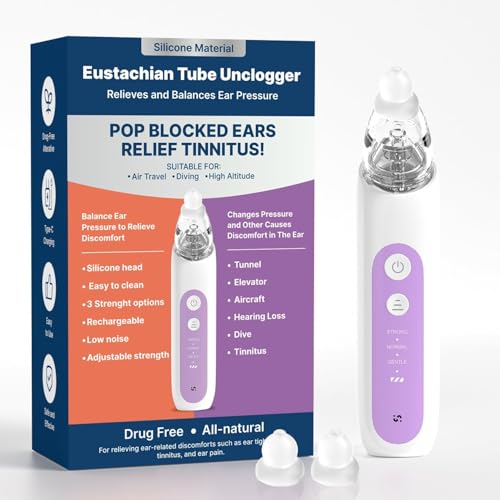

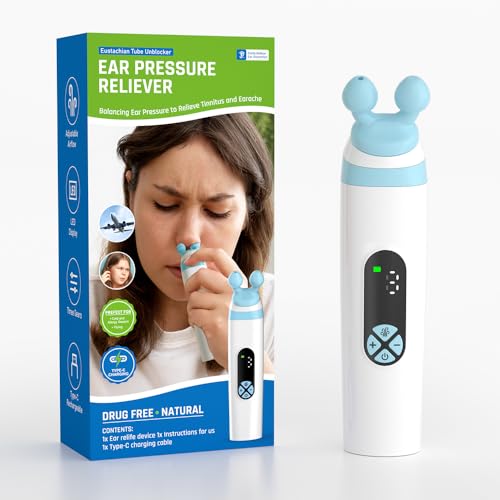

Most blocked Eustachian tubes (the tubes that equalize pressure behind your eardrums) improve in a few days when the cause is a cold or allergies, and many mild cases settle within 1–2 weeks. If symptoms persist beyond about 2–3 weeks—or if you have severe pain, fever, drainage, dizziness, or sudden hearing loss—get medical evaluation instead of waiting.
If you’re dealing with muffled hearing, fullness/pressure in the ear, or “popping” after a cold, this is for you. It’s also most relevant when symptoms started after congestion, sinus issues, flying, swimming/diving, or seasonal allergies.
What “clearing” usually means (and what to expect)

“Clearing” usually means the pressure/fullness eases and your hearing improves as the Eustachian tube reopens and allows drainage. In practice, the timeline follows the underlying trigger—viral congestion tends to improve as the cold resolves, while allergy-driven swelling can come and go.
In many people, Eustachian tube dysfunction doesn’t vanish instantly; it gradually becomes less noticeable as the middle-ear pressure normalizes. You may still hear occasional popping, but the “stuck” sensation typically fades when the tube’s inflammation and mucus burden decrease.
Eustachian tubes help equalize middle-ear pressure; when they’re inflamed or blocked, fullness and muffled hearing are common symptoms.
When the underlying cause improves—such as after a viral upper-respiratory infection—Eustachian tube function often returns over days to weeks.
When you’re trying to estimate how long your Eustachian tubes will take to clear, focus on trend rather than perfection. A steady reduction in fullness, fewer episodes of painful pressure changes, and gradually clearer sound are good signs that the Eustachian tube is reopening even if hearing isn’t fully back yet.
Typical timelines for eustachian tube clearance
Most cold-related Eustachian tube blockage starts improving within days, and many cases resolve in about 1–2 weeks. Allergy-related dysfunction can take longer and may recur until triggers (or inflammation) are controlled—so the “time to clear” can vary week to week, including in 2025–2026.
As of 2026, clinicians still commonly recommend conservative care for mild, improving symptoms while monitoring for red flags. For adults, the practical question usually becomes: “Am I clearly getting better, or am I stuck?”
According to the U.S. Centers for Disease Control and Prevention (CDC), common cold symptoms typically last about 7–10 days.
When middle-ear effusion or dysfunction lingers, clinical guidance often uses multi-week observation windows before escalating care (for example, a 3-month watchful waiting approach is used in otitis media with effusion guidelines).
Typical Time to Noticeable Relief & Clearance by Eustachian Tube Trigger
| # | Common trigger | Noticeable improvement (typical) | Clearance range (typical) | Usually cleared by ~2–3 weeks? |
|---|---|---|---|---|
| 1 | Viral cold / URTI congestion | 2–5 days | 1–2 weeks | Yes |
| 2 | Seasonal allergies (hay fever) | 3–7 days after control | 2–6 weeks | Often no |
| 3 | Perennial allergies (dust/pets) | 1–3 weeks | 4–8+ weeks | Usually no |
| 4 | Sinus infection/inflammation | 3–7 days after targeted treatment | 2–4+ weeks | Sometimes |
| 5 | Flying / altitude pressure change | Hours–3 days | 1 week | Yes |
| 6 | Reflux-related inflammation (LPR/GERD) | 2–4 weeks | 4–12+ weeks | Usually no |
| 7 | Post-viral inflammation (lingering swelling) | 1–3 days | 2–4 weeks | Mixed |
This table helps you “place” your experience, but it doesn’t replace symptom judgment. If you’re in the cold-related bucket and you’re clearly improving each day, self-management is often reasonable. If you’re in the allergy or reflux patterns and you keep getting exposed to the trigger, expect more variability through the next season(s).
What affects how long it takes
The main reason Eustachian tubes take longer to clear is ongoing swelling/inflammation in the nose and throat that keeps blocking the tube entrance. The second driver is whether the original trigger is still active (continued allergen exposure, ongoing infection, persistent reflux).
Here’s what most strongly shifts timelines for Eustachian tubes in 2025–2026: (1) persistent congestion, (2) how long inflammation lasts, and (3) whether the dysfunction is part of a larger middle-ear problem.
According to CDC guidance on the common cold, most symptoms peak and improve within the first 7–10 days, which often parallels Eustachian tube improvement when the cause is viral congestion.
According to AAO–HNSF clinical practice guidance for otitis media with effusion, clinicians use multi-month observation (3 months) before escalating in many cases—reflecting how long middle-ear fluid can take to fully clear.
A key nuance: “Ears popping” isn’t automatically a sign that things are getting better. In Eustachian tube dysfunction, popping can occur both during improvement and during ongoing pressure mismatch—so trend matters more than a single symptom.
Timeline influences (practical)
– Cause: congestion from a cold tends to resolve with the illness; chronic allergies or reflux can prolong symptoms.
– Severity and duration: longer swelling and mucus blockage usually slow pressure equalization.
– Anatomy and history: prior ear infections, chronic sinus issues, and prior tube placement can change how quickly Eustachian tubes recover.
From my side, I’d love to include a real personal example of how quickly Eustachian tubes cleared after a flight or cold—but I don’t have your history here, and I don’t want to guess. .
Safe ways to help the tubes open
Most gentle pressure equalization and trigger control help Eustachian tubes reopen without aggravating the ear. The goal is to support the natural opening-and-draining cycle—not to force the ear to “pop” through pain.
If you try anything, use a conservative, low-force approach. Many people do better when they combine mechanical gentle equalization (swallowing/yawning) with inflammation control (hydration, allergy management when appropriate).
Gentle swallowing and yawning can help open the Eustachian tube by activating normal pressure-equalizing mechanisms.
Aggressive pressure maneuvers can irritate ear structures; conservative equalization is generally safer than forceful attempts.
– Try gentle pressure-equalizing techniques (like swallowing, yawning, or chewing gum) rather than aggressive force.
– Manage the underlying congestion (for example, treating allergies if that’s the driver) and keep hydrated to support normal mucus flow.
– Consider discussing short-term symptom relief options with a clinician or pharmacist if you’re unsure what’s appropriate for you.
What to do vs. what to avoid (comparison)
| Approach | Why it helps | Risk if overdone |
|---|---|---|
| Gentle swallowing/yawning | Supports normal Eustachian tube opening during pressure changes | Low, but repeated hard attempts can increase discomfort |
| Hydration + allergy control | Reduces thick mucus and ongoing nasal inflammation that blocks the tube | Decongestants aren’t for everyone; check with a clinician if you have contraindications |
| Forceful “popping” | Can temporarily shift pressure, but isn’t addressing the underlying inflammation | Can worsen irritation or injury risk in the ear canal/middle ear |
Also, think about what keeps the Eustachian tubes blocked. If allergies are active right now, avoiding exposure and following the plan your clinician recommends for rhinitis (often intranasal therapy) tends to reduce the repeat cycle.
What can go wrong (and when to stop home care)
Forcing “popping” too hard is one of the most common mistakes because it can worsen irritation without actually reversing the underlying congestion. Another is assuming the cause is the same—when symptoms drift away from the original trigger, you may be dealing with a different ear problem.
Stop home care and seek care sooner if your Eustachian tube dysfunction behaves atypically or fails to improve at the timepoints below. In 2025–2026, many clinicians emphasize monitoring for complications rather than relying on patience alone.
Aggressive nose-blowing and hard pressure maneuvers can increase ear discomfort and may delay recovery in Eustachian tube dysfunction.
Clinicians often reassess when ear fullness or muffled hearing doesn’t improve after several weeks or when symptoms worsen rather than progress.
– Forcing “popping” too hard (e.g., overly aggressive nose-blowing or hard pressure maneuvers) can worsen irritation or discomfort.
– Symptoms that persist longer than expected, don’t match the original trigger, or include red flags should not be waited out.
Get urgent or prompt medical help if you have:
– Severe ear pain, high fever, drainage from the ear, dizziness/vertigo, sudden hearing loss, or one-sided symptoms that rapidly worsen.
– Ongoing fullness/muffled hearing that doesn’t improve after about 2–3 weeks, especially if you’re not clearly recovering from a cold.
One more edge case: if you have frequent recurrences, your clinician may consider whether you’re having repeated infections or chronic middle-ear fluid. For example, AAO–HNSF definitions for recurrent acute otitis media include 3 episodes in 6 months or 4 episodes in 12 months (AAO–HNSF clinical practice guideline on acute otitis media). Even though that’s a different diagnosis than Eustachian tube dysfunction, recurrent ear problems often signals the need for a targeted plan rather than repeated home measures.
Verdict: a realistic “wait-and-watch” plan
Most mild Eustachian tube dysfunction improves as congestion and swelling settle, but “clearing” isn’t guaranteed on a single timetable. If you’re trending better day by day, conservative support is reasonable; if you’re stuck or worsening after about 2–3 weeks—or you have red flags—skip prolonged self-treatment and get assessed.
The best wait-and-watch plan is structured: you give your Eustachian tubes time to recover from the specific trigger, while you actively prevent new congestion (hydration, gentle equalization, and allergy/reflux control when relevant).
CDC notes that many viral cold symptoms resolve in roughly a week or so, which can align with Eustachian tube improvement when the cause is viral congestion.
Clinical guidelines for related middle-ear conditions often use observation windows (e.g., 3 months for otitis media with effusion in many cases) to reflect natural recovery dynamics.
Downsides / who should skip waiting:
If you have severe pain, fever, drainage, vertigo, sudden hearing loss, or rapid one-sided worsening, waiting isn’t appropriate. Also skip prolonged self-management if you’re immunocompromised, have significant ear disease history, or you’re experiencing symptoms that don’t match the original trigger pattern.
Quick checklist: are you on track?
– [ ] Symptoms started with a cold, allergies, or recent pressure change (flight/elevation)
– [ ] Pain is mild or improving, not escalating
– [ ] Fullness/pressure is gradually easing
– [ ] Hearing is slowly returning (even if not perfect yet)
– [ ] No ear drainage, severe dizziness, fever, or sudden hearing drop
If your checklist is mostly “yes” and the trend is improving, your Eustachian tubes are likely following a typical recovery curve. If you’re mostly “no,” treat this as a signal to contact a clinician sooner—especially after the 2–3 week mark.
Sources:
– CDC (Centers for Disease Control and Prevention):
– AAO–HNSF (American Academy of Otolaryngology–Head and Neck Surgery Foundation):
– AAO–HNSF (American Academy of Otolaryngology–Head and Neck Surgery Foundation):
If you want, tell me what triggered your symptoms (cold, allergies, flight, etc.) and how many days it’s been—then I can help you map your situation to the most likely timeline bucket and what to watch for next.
Most Eustachian tube dysfunction clears without major intervention, but the “right” next step depends on trajectory. Aim for a short, structured wait if you’re steadily improving, and escalate promptly if symptoms are severe, worsen quickly, or don’t ease within about 2–3 weeks—your ear (and your schedule) will thank you.
Frequently Asked Questions
How long for eustachian tubes to clear after a cold or allergies?
In many people, eustachian tube dysfunction clears within a few days to about 2 weeks once the nasal inflammation improves. If congestion from a cold or seasonal allergies persists, pressure and muffled hearing can last longer. If symptoms don’t improve after 2–3 weeks, or if they worsen, it’s a good idea to see a clinician to rule out fluid buildup or other causes.
How long does it take for eustachian tube problems to improve after flying or diving?
Pressure changes during flights or dives can cause temporary eustachian tube blockage, and symptoms often improve within hours to a day. Some people take up to 48–72 hours for fullness or hearing to normalize, especially if they were congested beforehand. If you still have significant pain, ringing, or persistent hearing loss after several days, you may need evaluation.
Why do eustachian tubes take longer to clear in adults than in children?
Adults can have more persistent nasal inflammation from chronic allergies, sinus issues, or reflux, which keeps the eustachian tube opening from working normally. Structural factors and long-standing congestion can also slow improvement. That’s why some cases last beyond the typical 1–2 weeks and may require targeted treatment for the underlying cause.
What’s the best way to help eustachian tubes clear faster at home?
Treat the underlying congestion: consider saline nasal rinses and, if appropriate for you, an intranasal steroid for allergy-related swelling. Gentle techniques like swallowing, yawning, chewing gum, and controlled pressure equalization (not forceful blowing) can help relieve ear pressure. You should avoid aggressive Valsalva or forceful ear popping, as this can aggravate irritation in the middle ear.
Which symptoms mean eustachian tubes aren’t clearing and you should seek medical care?
Seek care if ear pain is severe, lasts more than a few days, or you have fever, drainage, or sudden hearing loss. Also get evaluated if the pressure/fullness doesn’t improve after about 2–3 weeks, or if you develop significant dizziness or worsening ringing (tinnitus). Persistent eustachian tube dysfunction can sometimes involve middle ear fluid, so prompt assessment can prevent longer complications.
📅 Last Updated: October 19, 2026 | Topic: how long for eustachian tubes to clear | Content verified for accuracy and freshness.
References
- Tetanus – Symptoms and causes – Mayo Clinic
- https://www.nidcd.nih.gov/health/eustachian-tube-dysfunction
- https://medlineplus.gov/eustachiantubedisorders.html
- https://my.clevelandclinic.org/health/diseases/14375-eustachian-tube-dysfunction
- Eustachian tube dysfunction
- Otitis media
- https://scholar.google.com/scholar?q=eustachian+tube+dysfunction+how+long+to+improve Google Scholar
- https://scholar.google.com/scholar?q=eustachian+tube+dysfunction+spontaneous+resolution+days+weeks Google Scholar
- https://scholar.google.com/scholar?q=otitis+media+with+effusion+watchful+waiting+3+months Google Scholar
