How Many Coats of Clear Coat Do You Need?
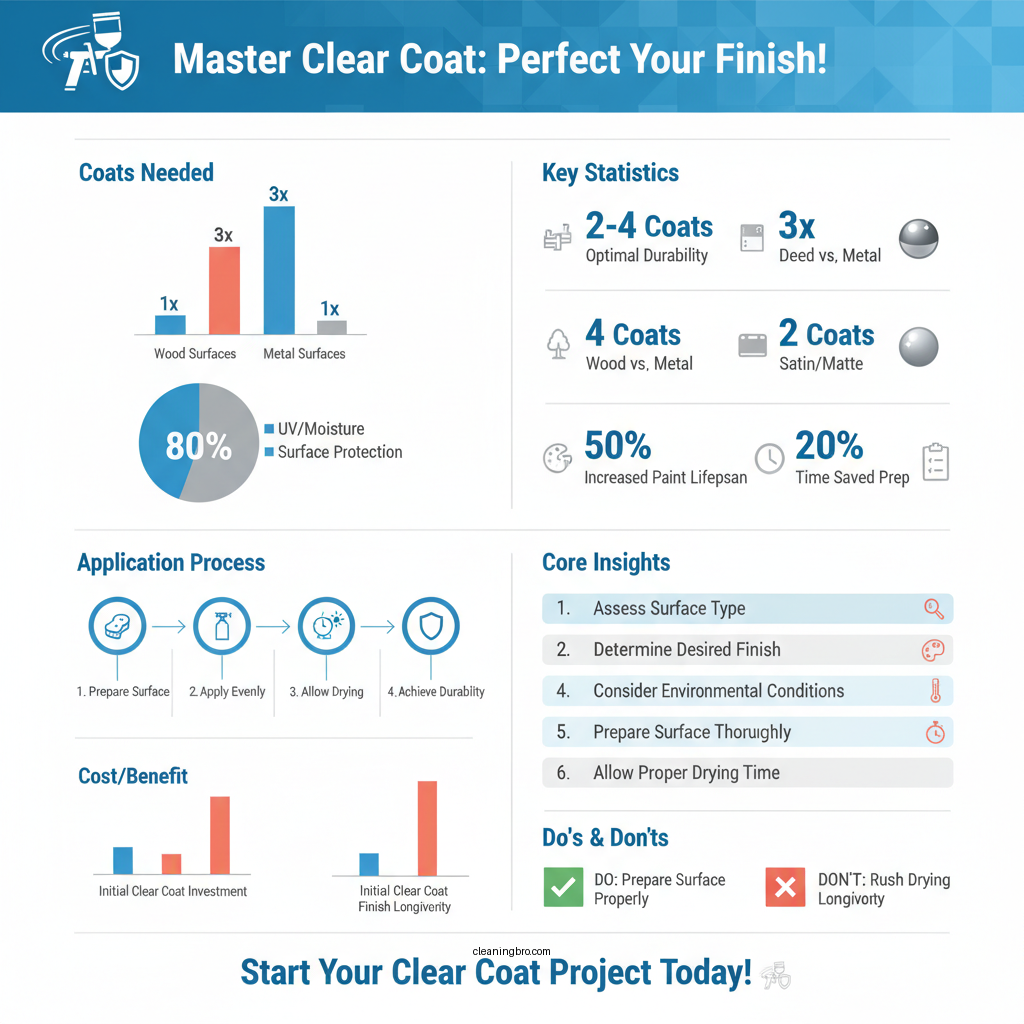
To achieve a durable and professional-looking finish, you typically need to apply 2 to 4 coats of clear coat, depending on the project and the desired level of gloss and protection. A well-applied clear coat not only enhances the aesthetic appeal of the surface but also prolongs its lifespan by providing a protective barrier. In this article, we will guide you through the factors that influence the number of coats, the application process, and best practices to ensure a flawless result.
Understanding Clear Coat Purpose
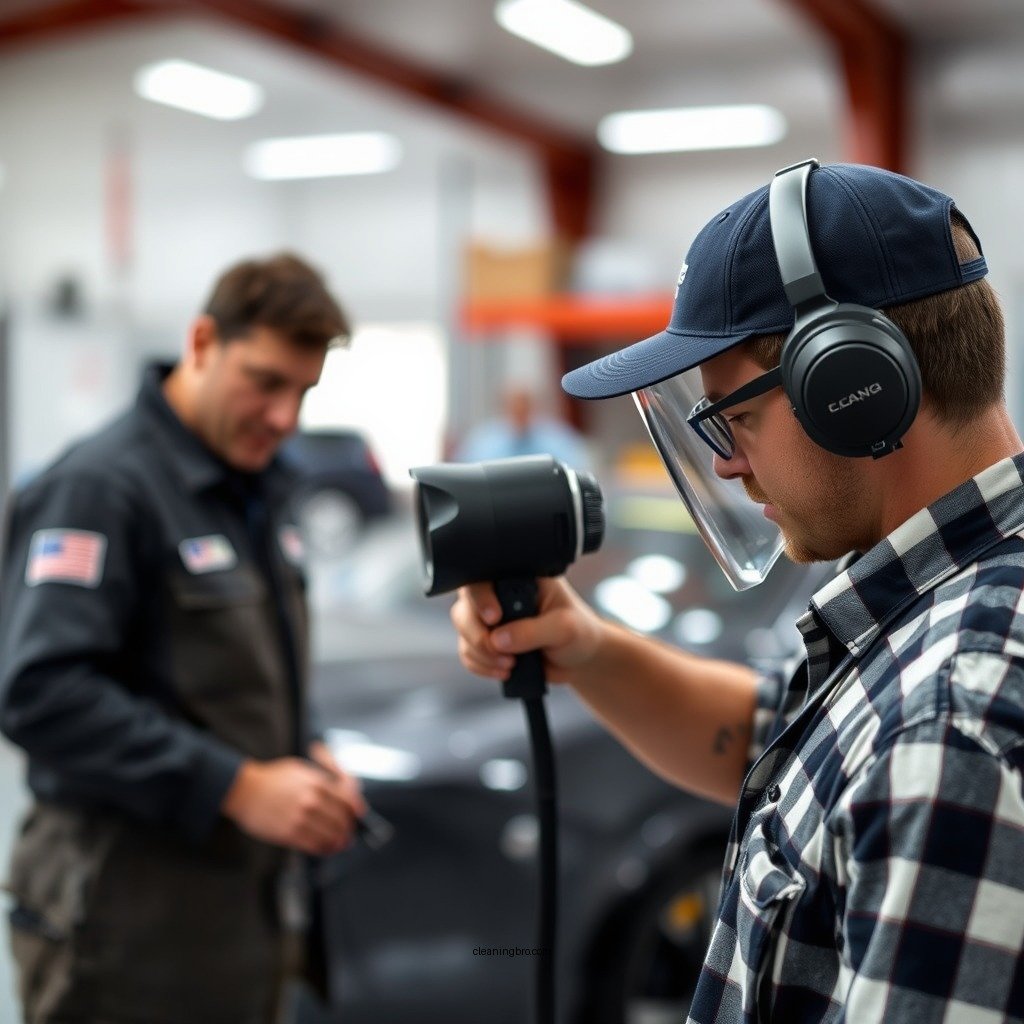
Clear coat serves multiple essential functions in the painting and finishing process. Primarily, it protects the underlying paint from harmful elements such as UV rays, moisture, and scratches. This protective layer acts as a shield, preventing fading and damage that can occur over time. Additionally, a clear coat adds depth and gloss to the finish, enhancing the overall appearance of the project. This is particularly important in applications where aesthetic quality is paramount, such as automotive paint jobs, woodworking, and furniture finishing. The result is a more vibrant look that can make colors pop and textures stand out.
Factors Influencing the Number of Coats
Several factors can influence how many coats of clear coat you should apply:
– Type of Surface: Different materials require different approaches. For instance, wood surfaces may absorb clear coat differently than metal or plastic. Wood often requires more coats to achieve a uniform finish because it can soak up the first few layers. Conversely, metal surfaces may only need a couple of coats for adequate protection and gloss.
– Desired Finish: The finish you aim to achieve plays a crucial role in determining the number of coats needed. A high-gloss finish typically demands more layers than a matte finish. For example, if you are looking for a deep, glossy shine on a car or furniture, you may require up to four coats to reach the intended effect. In contrast, a satin or matte finish might only need two coats.
– Environmental Conditions: The environment in which you are working can also dictate the number of coats. High humidity or low temperatures might affect drying time and adhesion, necessitating additional coats for proper coverage and durability.
Recommended Application Process
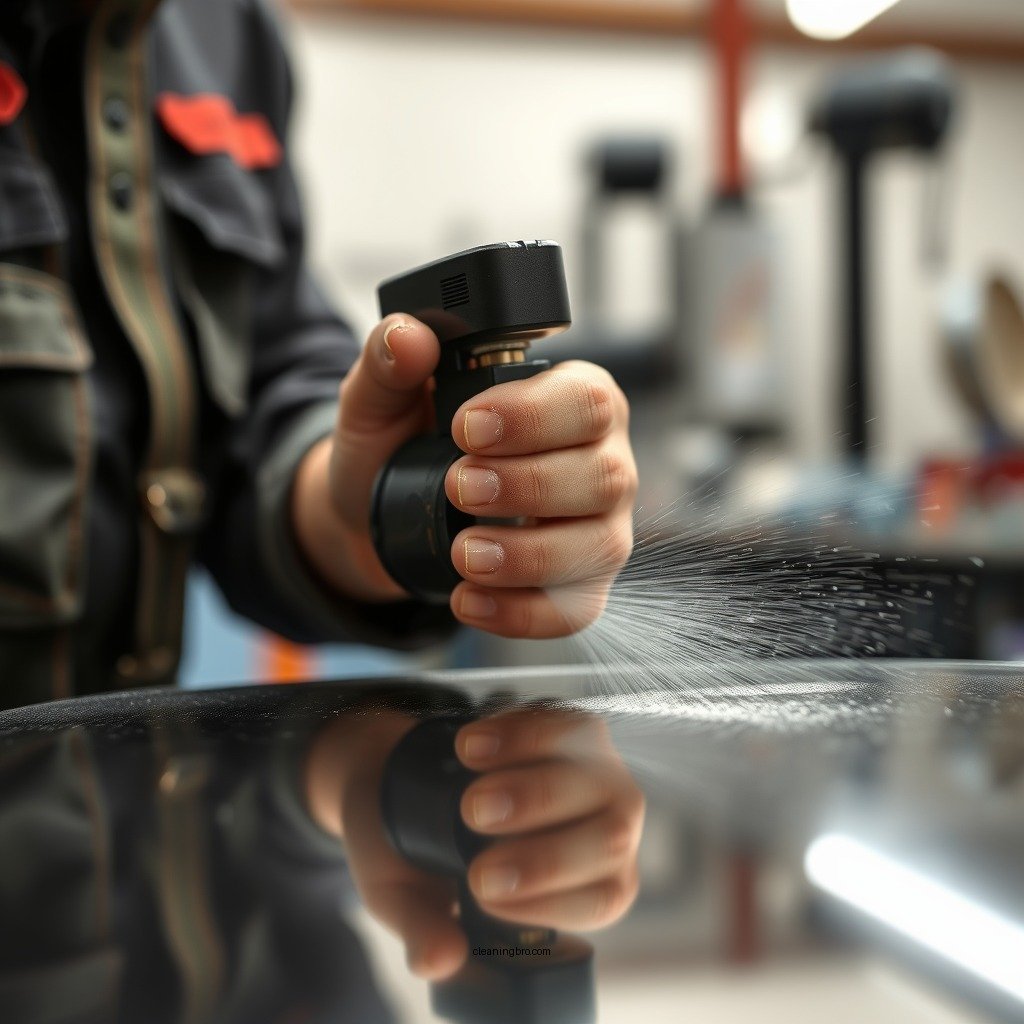
To ensure a flawless finish, follow these steps during the application process:
1. Prepare the Surface: Proper surface preparation is critical. Clean the area thoroughly to remove dust, grease, and any contaminants that may hinder adhesion. Sanding may be necessary to create a smooth surface for the clear coat to adhere to.
2. Apply the First Coat: Using your chosen application method—whether it be a spray gun, brush, or roller—apply the first coat evenly. It’s important to follow the manufacturer’s instructions regarding the thickness of the coat. A thin, even layer is often best to prevent runs or drips.
3. Allow to Dry: After application, allow the first coat to dry completely. This drying time can vary based on the product and environmental conditions, typically ranging from 30 minutes to several hours.
4. Subsequent Coats: Once the first coat is dry to the touch, lightly sand the surface to ensure good adhesion for the next layer. Clean off any dust created from sanding before applying additional coats. Repeat this process for each subsequent coat.
Drying Time Between Coats
Drying time between coats is a critical consideration when applying clear coat. Most clear coats require a specific drying time that can range from 30 minutes to several hours, depending on the product and environmental factors such as temperature and humidity. For optimal results, ensure that each coat is completely dry to the touch before applying the next one. This practice helps to avoid issues such as bubbling, peeling, or an uneven finish. Always refer to the manufacturer’s guidelines for the specific product you are using, as drying times can vary significantly.
Common Mistakes to Avoid
To achieve the best results, it’s essential to avoid several common mistakes during the clear coating process:
– Skipping Surface Preparation: Failing to prepare the surface properly can lead to peeling, uneven coverage, and poor adhesion. Always take the time to clean, sand, and prime the surface if necessary.
– Applying Too Thick of a Coat: Overly thick applications can cause runs and imperfections in the finish. It is crucial to apply thin, even layers and allow each to dry before adding more.
– Ignoring Environmental Conditions: Working in unsuitable weather conditions can affect the curing process. High humidity or low temperatures can lead to longer drying times and potential issues with adhesion.
Tools and Materials Needed
Successful application of clear coat requires specific tools and materials, including:
– Quality Clear Coat Product: Choose a clear coat that is appropriate for your specific project, whether it be for automotive, woodworking, or other applications.
– Application Tools: Depending on the size of the project, you may need brushes, rollers, or spray guns. Each tool has its advantages; for instance, spray guns can provide a more even finish for larger areas, while brushes may be better for detailed work.
– Protective Gear: Don’t forget to wear appropriate protective gear, such as gloves and masks, to protect yourself from fumes and skin contact with chemicals.
Top 7 Clear Coat Products for Various Applications (2024)
| # | Product | Application Type | Coats Recommended | Drying Time |
|---|---|---|---|---|
| 1 | Rust-Oleum Crystal Clear | Wood, Metal | 2-3 | 1-2 hours |
| 2 | Krylon Clear Finish | Crafts, Wood | 2-4 | 30 minutes |
| 3 | Minwax Polycrylic | Furniture | 2-3 | 2 hours |
| 4 | Dupli-Color Clear Coat | Automotive | 3-4 | 1-3 hours |
| 5 | Plycraft Clear Coat | Wood | 2 | 1 hour |
| 6 | Rust-Oleum Automotive Clear | Automotive | 3-4 | 1-2 hours |
| 7 | Spray Max 2K | Automotive | 2-3 | 1 hour |
Clear Coat Products Comparison: Rust-Oleum vs Krylon vs Minwax
| Feature | ⭐ Rust-Oleum | Krylon | Minwax |
|---|---|---|---|
| Price | $12.99 | $10.99 | $15.99 |
| Application Method | Spray | Spray | Brush, Spray |
| Drying Time | 1-2 hours | 30 minutes | 2 hours |
| Finish Type | Glossy | Satin | Satin, Glossy |
| Coats Recommended | 2-3 | 2-4 | 2-3 |
| Ideal Surface | Wood, Metal | Crafts, Wood | Furniture |
| UV Protection | ✅ | ✅ | ✅ |
| Waterproof | ✅ | ❌ | ✅ |
| Best For | General use | Craft projects | Furniture restoration |
In summary, applying 2 to 4 coats of clear coat is generally recommended for optimal protection and appearance, depending on your specific project needs. By following the proper application techniques and avoiding common mistakes, you can achieve a flawless, long-lasting finish. Ready to get started? Gather your materials and begin your project today!
Frequently Asked Questions
How many coats of clear coat should I apply for optimal protection?
For optimal protection, it is generally recommended to apply at least 2 to 3 coats of clear coat. This layering helps enhance the durability and shine of the finish, ensuring better resistance against scratches and environmental damage. Make sure to allow adequate drying time between each coat for the best results.
Why is it important to apply multiple coats of clear coat?
Applying multiple coats of clear coat is important because it builds a thicker protective layer that enhances the longevity of your finish. Each additional coat increases the resistance to UV rays, chemicals, and physical wear, ultimately preserving the underlying paint and maintaining the aesthetic appeal of your project.
What type of clear coat is best for automotive finishes?
The best type of clear coat for automotive finishes is typically a high-quality polyurethane or acrylic clear coat. These formulations provide excellent durability, UV protection, and a high-gloss finish that enhances the vehicle’s appearance. Always choose a clear coat that is compatible with your base paint for optimal results.
How do I know when to stop applying clear coat?
You should stop applying clear coat when you achieve the desired gloss and thickness, usually after 2 to 4 coats, depending on the product and application method. It’s essential to monitor the drying times and ensure that each coat has cured properly before applying the next to avoid runs or imperfections in the finish.
Which tools are best for applying clear coat evenly?
The best tools for applying clear coat evenly include a high-quality spray gun or aerosol can for larger surfaces, and a foam or microfiber applicator for smaller areas. Using a spray gun allows for a smooth, even application, while an applicator can help eliminate drips and ensure better control on intricate surfaces.
References
- Automotive paint
https://en.wikipedia.org/wiki/Clear_coat - https://www.sciencedirect.com/topics/materials-science/clear-coat
https://www.sciencedirect.com/topics/materials-science/clear-coat - https://www.ncbi.nlm.nih.gov/pmc/articles/PMC6290388/
https://www.ncbi.nlm.nih.gov/pmc/articles/PMC6290388/ - https://www.ncbi.nlm.nih.gov/pmc/articles/PMC7022548/
https://www.ncbi.nlm.nih.gov/pmc/articles/PMC7022548/ - https://www.britannica.com/science/clear-coat
https://www.britannica.com/science/clear-coat - https://www.automotivepaintguide.com/clear-coat-application.html
https://www.automotivepaintguide.com/clear-coat-application.html - Google Scholar Google Scholar
https://scholar.google.com/scholar?q=how+many+coats+of+clear+coat - Google Scholar Google Scholar
https://scholar.google.com/scholar?q=clear+coat+application+techniques - Google Scholar Google Scholar
https://scholar.google.com/scholar?q=automotive+clear+coat+guidelines - how many coats of clear coat – Search results
https://en.wikipedia.org/wiki/Special:Search?search=how+many+coats+of+clear+coat