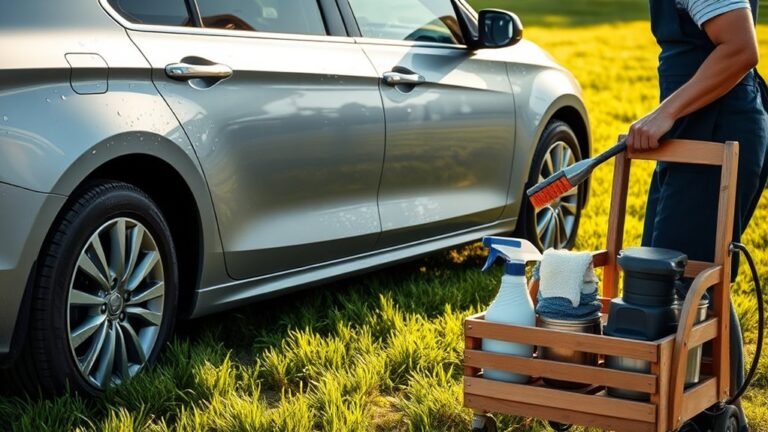
How Many Coats of Clear Coat Should You Apply on a Car?
Applying 2 to 4 coats of clear coat is generally recommended for optimal protection and shine on your car’s paint. This multi-layer application not only enhances the aesthetic appeal of your vehicle but also ensures that the underlying paint is protected against environmental factors. In this article, you will learn about the reasons behind the recommended number of clear coats, the application process, and tips for achieving a professional finish that can withstand the test of time.
Understanding Clear Coat
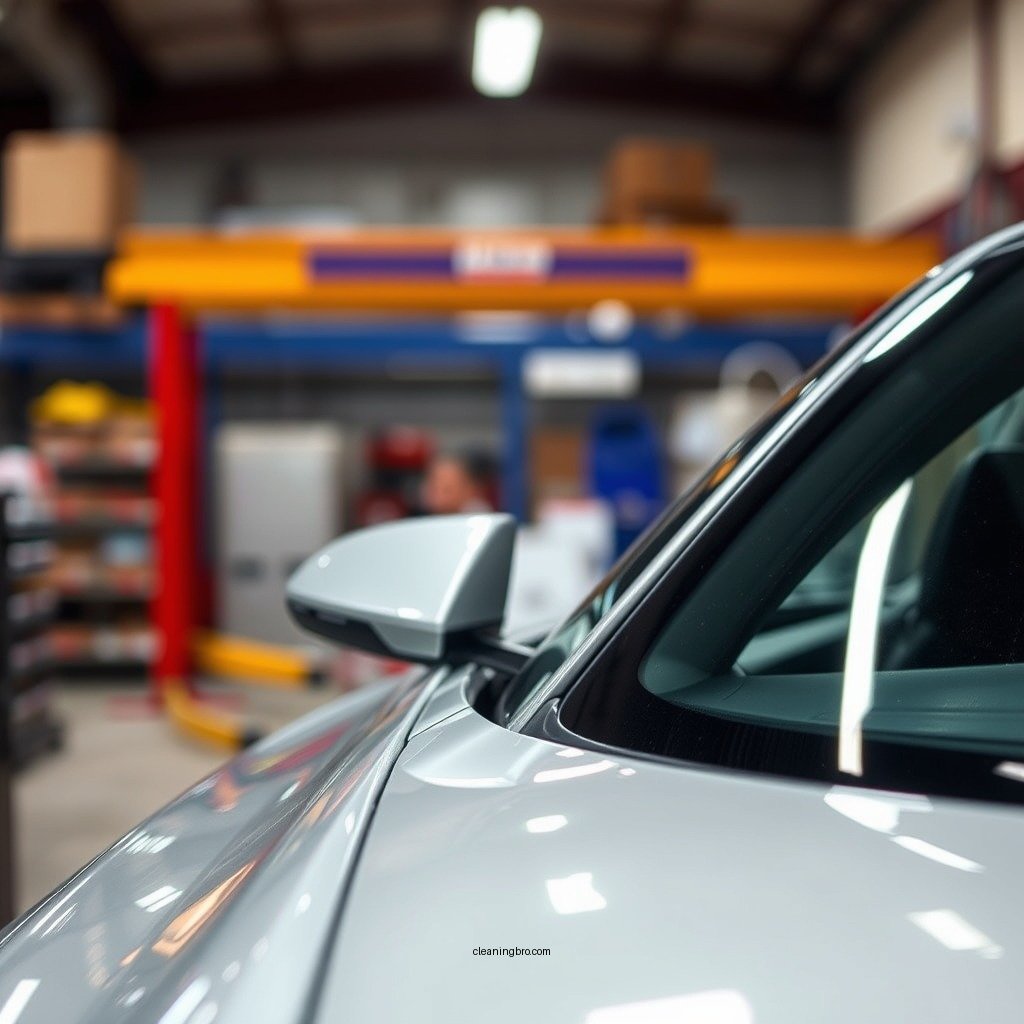
Clear coat is a transparent layer that is applied over the base paint of a vehicle. Its primary function is to protect the underlying paint from various forms of damage, including UV rays, dirt, and scratches. By serving as a shield, clear coat helps to maintain the car’s aesthetic appeal for longer periods. Furthermore, it enhances the shine and depth of the color beneath it, giving the vehicle a glossy and professional look. Without a clear coat, the paint would be more vulnerable to fading, oxidation, and other forms of wear and tear, ultimately compromising its appearance and longevity.
Why Multiple Coats Matter
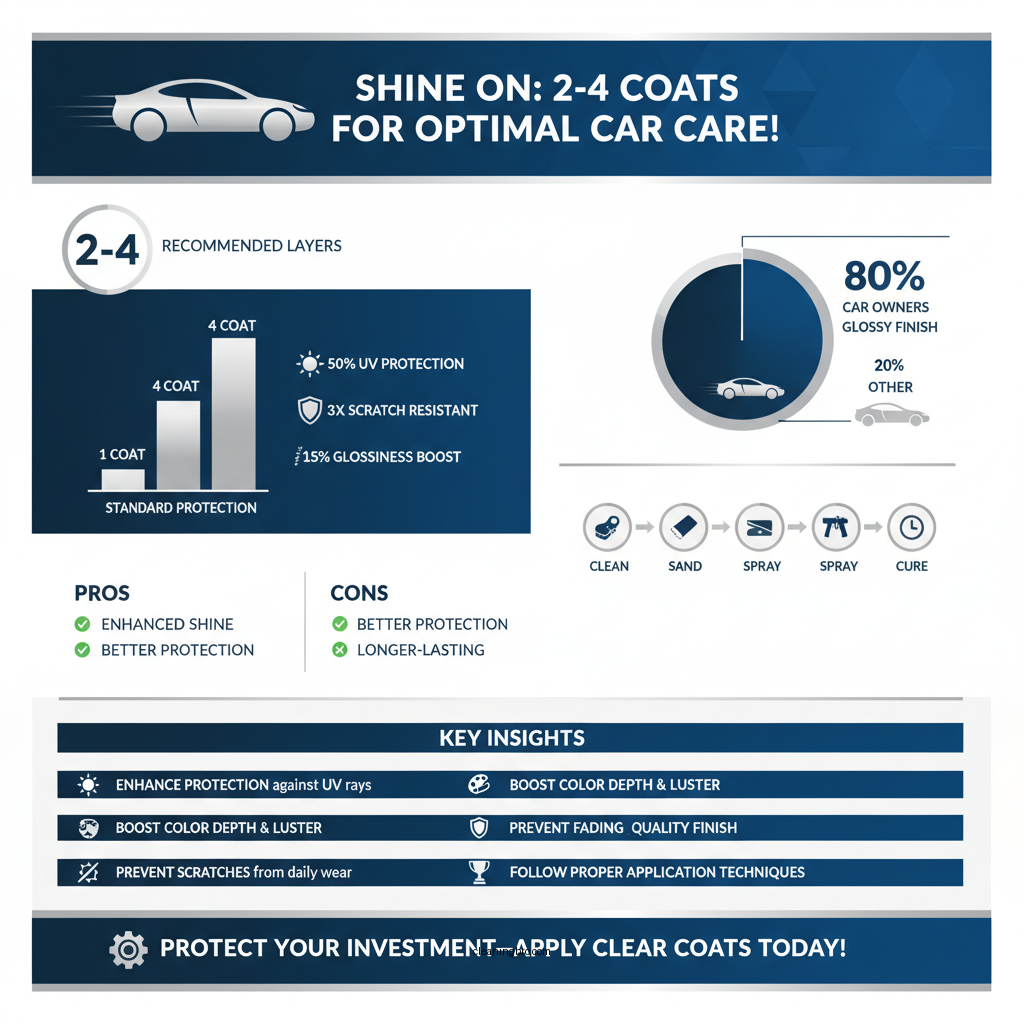
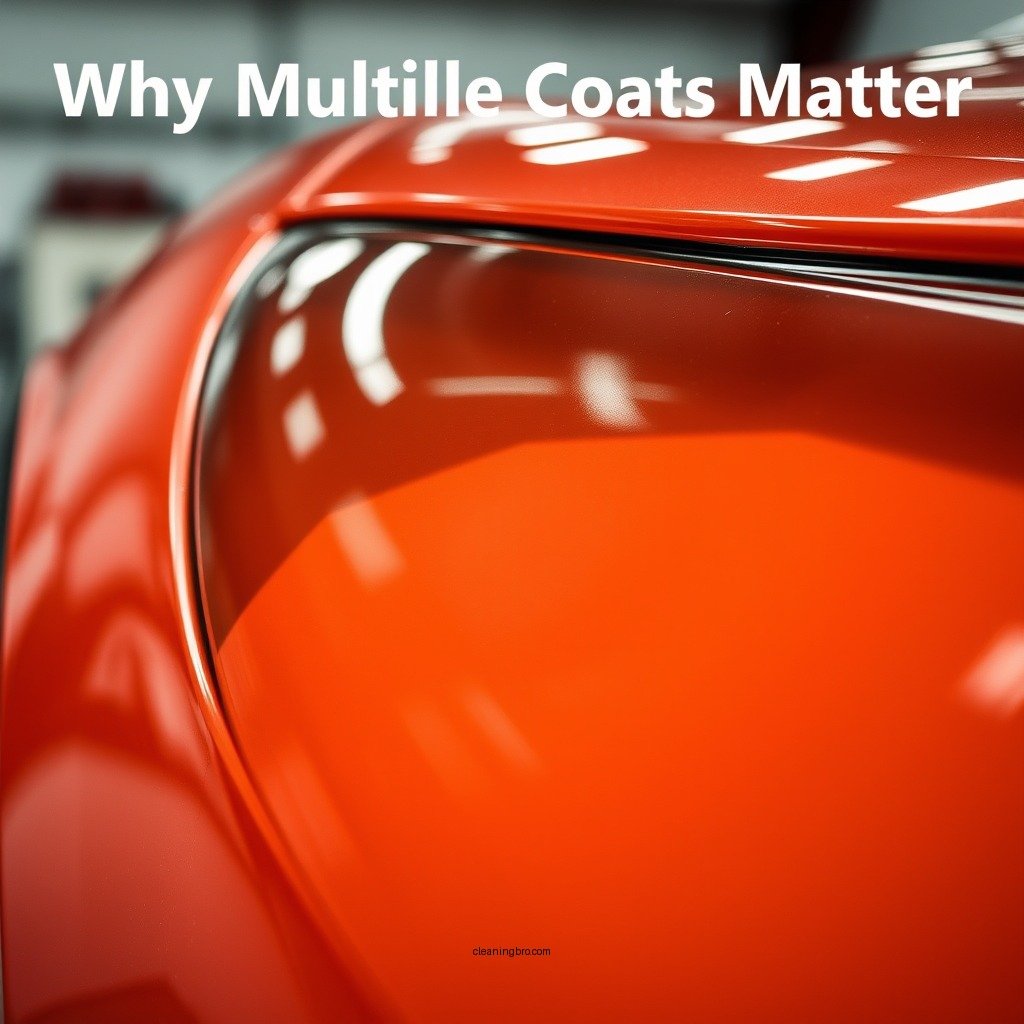
Applying multiple coats of clear coat is essential for several reasons. First and foremost, additional layers provide enhanced protection against harmful UV rays, which can cause fading and discoloration over time. Moreover, each layer contributes to a thicker barrier that can resist scratches and environmental contaminants, such as tree sap, bird droppings, and road debris. This is particularly important for vehicles that are frequently exposed to harsh conditions or that are parked outdoors.
In addition to protection, multiple coats add depth and a glossy finish to the vehicle’s appearance. A single coat may appear shiny but can lack the richness and luster that several layers can provide. The result is a deeper, more vibrant color that stands out and enhances the overall look of the car. In professional automotive detailing, it is common to apply 2 to 4 coats for optimal results, allowing for a balance between protection and visual appeal.
Application Process
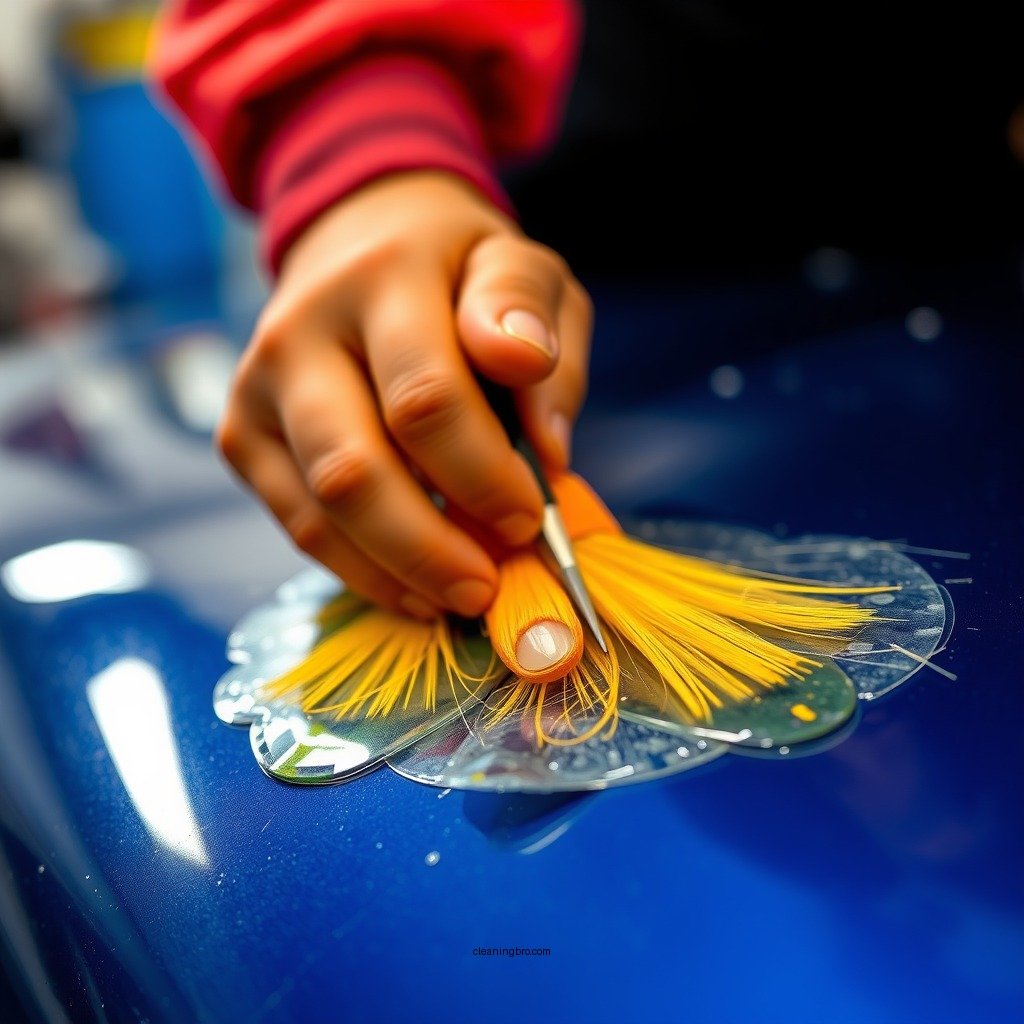
The application of clear coat is a meticulous process that requires attention to detail. Proper surface preparation is crucial; this includes thoroughly cleaning the surface to remove any dirt, grease, or old wax. Sanding the surface lightly can also help to create a better bond between the clear coat and the paint. Once the surface is prepared, a spray gun is recommended for applying the clear coat. This method allows for an even application and helps to avoid drips or runs that can mar the finish.
When applying the clear coat, it is vital to use smooth, even strokes and maintain a consistent distance from the surface. It is often recommended to apply the first coat as a light mist to avoid heavy buildup, followed by more substantial coats to achieve the desired thickness.
Top Clear Coat Brands and Their Features (2024)
| # | Brand | Coats Recommended | Type | Durability |
|---|---|---|---|---|
| 1 | 3M | 2-3 Coats | Polyurethane | High |
| 2 | Dupli-Color | 3-4 Coats | Acrylic | Medium |
| 3 | Eastwood | 2-4 Coats | Urethane | High |
| 4 | Rust-Oleum | 2 Coats | Enamel | Low |
| 5 | KBS Coatings | 3-4 Coats | Urethane | High |
| 6 | TCP Global | 2-3 Coats | Acrylic | Medium |
| 7 | House of Kolor | 3-4 Coats | Urethane | High |
Recommended Number of Coats
Typically, applying 2 to 4 coats of clear coat is ideal, depending on the type of clear coat used and the desired finish. For most automotive applications, a minimum of two coats is recommended to ensure sufficient protection while three or four coats can enhance the gloss and depth of the vehicle’s appearance. It is essential to follow the manufacturer’s instructions for the specific product being used, as different clear coats may have varying application requirements.
For high-performance finishes or custom jobs, thicker applications may be necessary to achieve the desired look and durability. In such cases, consulting with automotive professionals can provide valuable insights into the best practices for applying multiple coats effectively.
Drying and Curing Times
Drying and curing times are crucial components of the clear coat application process. After applying a coat, it is imperative to allow adequate drying time between coats, usually around 30 minutes to an hour, depending on environmental conditions and the specific product used. This waiting period is essential to ensure that the subsequent coat adheres properly and does not disrupt the previous layer.
Full curing can take several days. While the surface may feel dry to the touch, the chemical processes involved in curing require time to complete. It is recommended to avoid washing or exposing the vehicle to harsh conditions during this curing period to ensure the longevity of the clear coat finish.
Common Mistakes to Avoid
When applying clear coat, several common mistakes can negatively impact the final result. One of the most significant errors is skipping the surface preparation phase. Neglecting to clean and sand the surface can lead to poor adhesion and an uneven finish.
Another mistake is applying too thick of a coat in a single application. This can cause runs, drips, and imperfections that ruin the overall appearance. Instead, it is better to build up the clear coat gradually with thinner layers, ensuring that each layer dries adequately before applying the next.
Finally, not allowing sufficient drying and curing time can compromise the durability of the finish. Patience is key in achieving a professional-looking clear coat.
Maintenance of Clear Coat Finish
Once the clear coat has been successfully applied, proper maintenance is essential to prolong its lifespan. Regular washing with mild soap and water can help remove dirt and contaminants that may accumulate on the surface. It is crucial to avoid abrasive cleaners or scrubbing pads that can scratch the clear coat.
Additionally, applying a high-quality wax every few months can enhance the shine and provide an extra layer of protection against UV rays and environmental damage. If any scratches or chips occur, addressing them promptly can prevent further damage and maintain the integrity of the clear coat finish.
In summary, applying 2 to 4 coats of clear coat is the best practice for achieving a durable and glossy finish on your car. By following the right application techniques and maintenance tips, you can ensure your vehicle looks great for years to come. For further guidance, consider consulting a professional or exploring additional resources on automotive care.
Frequently Asked Questions
How many coats of clear coat should I apply on my car?
Typically, applying 2 to 3 coats of clear coat is recommended for optimal protection and shine on your car’s paint. The first coat acts as a base, while the subsequent coats enhance durability and depth of gloss. Ensure each coat is properly cured before applying the next to achieve the best results.
What is the purpose of applying multiple clear coat layers on a car?
Applying multiple layers of clear coat serves to protect the underlying paint from UV rays, environmental contaminants, and minor scratches. Each additional coat increases the thickness and resilience of the finish, helping to maintain the car’s appearance and prolonging its lifespan. This is especially crucial for vehicles exposed to harsh weather conditions.
Why is it important to let each clear coat layer dry before applying the next?
Allowing each clear coat layer to dry thoroughly before applying the next is essential to ensure proper adhesion and prevent issues like bubbling or peeling. Insufficient drying time can lead to a compromised finish, reducing the effectiveness of the protective coating. Following the manufacturer’s guidelines for drying times will yield the best outcomes.
What is the best method for applying clear coat on a car?
The best method for applying clear coat is by using a spray gun or aerosol can for even coverage. A spray gun provides more control and a professional finish, while aerosol cans are convenient for DIY projects. Regardless of the method, maintain a consistent distance and overlapping passes to achieve a uniform coat without runs or drips.
Which clear coat should I choose for my car’s finish?
The choice of clear coat depends on your specific needs, but a high-quality polyurethane clear coat is often recommended for its durability and resistance to yellowing. Look for products specifically designed for automotive use, as they offer the best protection against UV damage and environmental factors. Always consider the finish you desire, whether it’s glossy or matte, when making your selection.
References
- Automotive paint
https://en.wikipedia.org/wiki/Clear_coat - https://www.sciencedirect.com/topics/materials-science/clear-coat
https://www.sciencedirect.com/topics/materials-science/clear-coat - Google Scholar Google Scholar
https://scholar.google.com/scholar?q=how+many+coats+of+clear+coat+on+car - https://www.nature.com/articles/s41598-020-68291-9
https://www.nature.com/articles/s41598-020-68291-9 - https://pubmed.ncbi.nlm.nih.gov/30596430/
https://pubmed.ncbi.nlm.nih.gov/30596430/ - Google Scholar Google Scholar
https://scholar.google.com/scholar?q=car+clear+coat+application+techniques - https://www.automotivepaintguide.com/clear-coat-application.html
https://www.automotivepaintguide.com/clear-coat-application.html - how many coats of clear coat on car – Search results
https://en.wikipedia.org/wiki/Special:Search?search=how+many+coats+of+clear+coat+on+car - https://www.ncbi.nlm.nih.gov/search/research-articles/?term=how+many+coats+of+clear+coat+on+car
https://www.ncbi.nlm.nih.gov/search/research-articles/?term=how+many+coats+of+clear+coat+on+car