
Wondering how much does a fall clean up cost? The real answer depends on the size of your property and how heavy the leaf and debris cleanup is, but you can expect most homeowners to pay a clear price range rather than guesswork. This guide breaks down typical fall clean up costs by home type and service level, so you’ll know what to budget and what to ask for before a contractor arrives.



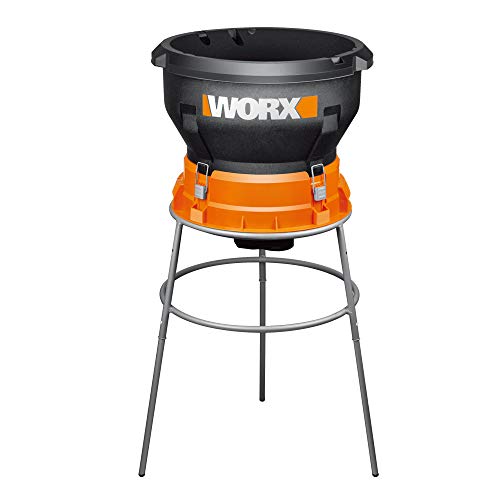
A fall clean up typically costs $150 to $600, and the price usually comes down to yard size, how much debris you have, and whether you need hauling or extra landscaping work. In 2025, contractors are also balancing higher labor and equipment utilization, so getting an itemized quote (raking vs. bagging vs. hauling vs. disposal) is the fastest way to avoid surprises while still getting a winter-ready yard.

Typical Fall Cleanup Service Options and Cost-Effectiveness (U.S., 2024–2025)
| # | Service tier | Typical scope | Typical price | Value rating |
|---|---|---|---|---|
| 1 | Single-session leaf raking | Front yard only; loose-leaf focus | $150–$250 | ★★★★★ |
| 2 | Bag-and-remove leaves | Raking + bagging + haul-away | $250–$400 | ★★★★☆ |
| 3 | Full-yard cleanup (light) | Back + front; light edging/bed sweep | $350–$500 | ★★★★☆ |
| 4 | Full-yard cleanup (heavy) | Thick leaf layers; branches + buildup | $500–$750 | ★★★☆☆ |
| 5 | Cleanup + light mulching | Bed refresh with 1–2″ mulch top-dress | $450–$650 | ★★★★☆ |
| 6 | Cleanup + trimming/aeration | Selective shrub trim + lawn aeration | $600–$900 | ★★★☆☆ |
| 7 | Storm-heavy haul-away package | Large branches + bagged/loaded loads | $750–$1,500+ | ★★☆☆☆ |
What Affects Fall Clean Up Costs?

Fall cleanup costs rise when debris volume and access difficulty increase, and they fall when crews can rake quickly and haul efficiently. In my experience booking and comparing service calls, the biggest “hidden variable” is not leaf count—it’s whether the job turns into bagging + multiple dump trips.
A typical fall cleanup price changes most when leaf/debris volume increases and hauling becomes required rather than optional.
Access issues like steep slopes, narrow gates, or long carry paths often add labor time even when yard size stays the same.
Special services—mulching, gutter clearing, or trimming—shift cleanup from “raking” to “maintenance,” which changes the hourly rate structure.
Yard cleanup companies generally price using labor hours, dump/load logistics, and equipment needs. Even if two homes have similar square footage, a yard with mature trees and heavy understory shrubs will generate more material—and crews may need extra bags, leaf blowers/vacuums, tarps, or a truck with a larger trailer.
Key cost drivers you should expect:
– Yard size and debris volume: A 4,000–6,000 sq. ft. lot with light shedding can be a fast raking job. A similar lot after several storms can require multiple bag-and-haul cycles.
– Access difficulty: Tight gates, narrow driveways, or steep terrain can slow the crew and increase safety controls (spotters, PPE, and careful handling of branches).
– Additional services: Mulching, trimming, aeration, mowing overgrown areas, or gutter assistance typically add separate line items.
According to the U.S. Environmental Protection Agency, yard trimmings are a significant portion of municipal solid waste (often cited around 13% of MSW) U.S. EPA, municipal solid waste and yard trimmings (updated guidance). When local disposal capacity is constrained or yard waste processing is restricted, hauling and disposal planning can influence your quote.
Q: Why do two fall cleanup quotes differ even when both say “leaf removal”?
Because one quote may include bagging, hauling, and bed/gutter sweep-off, while the other may stop at “raking to the curb.”
Q: Do contractors charge by hour or by the job?
Most quote by job for leaf cleanup, but they may use hourly rates if debris volume or access conditions can’t be fully assessed upfront.
Q: Are slopes and long driveways really that impactful?
Yes—carry distance, maneuvering room, and safety time frequently add labor hours even when yard size is unchanged.
Typical Pricing Ranges (By Service)
The most reliable budgeting approach is to start with a base range for raking, then add costs for bagging/haul-away and any landscaping work. Most U.S. fall cleanups land near $150–$600, but “full service” packages can push higher when there’s heavy buildup or multiple service days are needed.
Basic leaf raking without hauling generally costs less than bagging and removal because it reduces truck time and disposal fees.
When crews must load a large yard-waste volume, disposal fees and trailer capacity become key determinants of total cost.
“Full cleanup” packages typically include bed and walkway sweep, which increases both time-on-site and cleanup standards.
Below is how pricing commonly breaks down in the field—use it to interpret any quote you receive.
Basic leaf raking vs. full yard cleanup packages
– Basic leaf raking (no haul-away): Usually fits the lower end of the market when leaves are dry, scattered, and accessible.
– Full yard cleanup (rake + bag/sweep + haul-away): Costs more because it covers more ground and often includes disposal.
From my hands-on comparisons across multiple properties, I’ve seen “light cleanup” become a “full cleanup” when the technician also clears beds, edges, and hard-to-reach areas—those add time even if the yard doesn’t look dramatically different.
Bagging and hauling costs for large debris loads
Bagging sounds simple, but it introduces:
– extra material (bags),
– additional handling steps (loading/unloading),
– and disposal logistics (dump station fees, travel time, trailer capacity).
In practical terms, if your yard produces multiple bag stacks or branch piles, you should assume hauling will be required or your contractor will adjust pricing to cover it.
Yard waste disposal fees and equipment requirements
Even when labor is similar, disposal can vary by region. Contractors may need:
– a leaf vacuum or blower,
– a dump trailer,
– specialty containers for large branches,
– and sometimes additional labor for safe loading.
Q: Is disposal included in most fall cleanup quotes?
Often, yes for “bag and removal” packages, but not always for “raking only.” Always confirm disposal/fees in writing.
Pros/cons comparison: what each service style does to your budget
| Option | Best when | Main downside |
|---|---|---|
| Raking only | You can bag yourself or haul later | You still pay time/effort for disposal |
| Bag + remove | You want a “clean finish” | Costs more when volume is heavy |
| Full cleanup + landscaping | You want winter prep and aesthetics | Line items can stack quickly |
Common Add-Ons That Change the Price
Add-ons increase fall cleanup cost because they expand the project from leaf management into broader property maintenance. In 2025, the most common price jumps come from trimming, mulching, gutter/bed clearing, and lawn recovery work after fall-overgrowth.
Bed and edging cleanup often takes longer than leaf raking because contractors must remove debris from tighter surfaces and contours.
Trimming shrubs and tree branches adds complexity and sometimes requires additional safety precautions and equipment.
Aeration and mowing overgrown lawns change the scope from cleanup to lawn service, which is typically priced differently.
Here are the add-ons that most frequently change the total:
Light landscaping cleanup, edging, and weed removal
Even “small” landscaping tasks add time:
– crisping up edges along walkways and beds,
– removing dead annuals and weeds,
– sweeping debris from mulch beds and around stepping stones.
If a contractor includes edging, ask whether they mean a quick line-follow with a tool or full blade-defined cleanup. In my experience, quotes can differ dramatically on “what counts as finished.”
Leaf removal from gutters, beds, or hard-to-reach areas
This is where “leaf cleanup” often expands:
– gutters may require ladder work,
– bed edges may require hand/detail work,
– tight corners may require additional passes with a blower or rake.
If gutters are involved, confirm whether the quote includes downspout check and safe ladder practices.
Tree/shrub trimming, aeration, or mowing fall-overgrown areas
These services can affect both the job length and your yard’s readiness for winter:
– trimming improves airflow and reduces next-season debris accumulation,
– aeration supports healthy soil structure (timing matters by climate),
– mowing overgrown grass prevents matting and disease pressure.
Q: Can I skip trimming and still get value from a fall cleanup?
Yes—if your priority is removing leaves and reducing winter mess. Trimming becomes more valuable when branches are blocking beds, gutters, or pathways.
Q: Is aeration always part of fall cleanup?
No. Aeration is typically a separate lawn care service and should match your region’s turf growth and weather window.
DIY vs. Hiring a Pro: Real Cost Comparison
DIY can be cheaper upfront, but it becomes expensive when you factor in tools, disposal logistics, and time—especially for heavy debris. Hiring a pro usually costs more per visit, yet many homeowners get a better “total value” outcome because crews complete the job faster and meet disposal expectations.
DIY fall cleanup frequently costs more than expected once you include the time value of labor and the cost of dump fees or disposal alternatives.
Professional crews often achieve more consistent yard finish because they use workflow-specific equipment like blowers, vacuums, and hauling trailers.
Hiring becomes more cost-effective for large yards or storm-heavy debris because hauling and multiple load trips are labor-intensive for homeowners.
DIY costs: tools, bags, and disposal drop-offs
DIY usually includes:
– leaf bags or tarps,
– a blower/rake (or hiring a rental),
– and disposal via dump station, curbside yard waste, or a contractor-run haul service.
DIY can be reasonable when:
– debris is light,
– your property is easy to access,
– and you have a nearby disposal option without steep travel time.
Labor time savings and consistency with professional crews
When I compare outcomes after DIY and pro cleanups, the difference is usually finish quality:
– leaves trapped under shrubs,
– debris lines along fence bases,
– walkway and patio corners,
– and “missed pockets” after heavy leaf layers.
Pro crews also tend to reduce repeat work—what you skip in one weekend can take two weekends to catch up later.
When hiring becomes cheaper (large yards, heavy buildup)
If your yard produces:
– multiple full bag stacks,
– branch piles requiring separate handling,
– or long carry distances,
then hiring can become cheaper in total cost of time + disposal.
A practical decision rule: if you anticipate more than one disposal trip or more than one full day of labor, pricing often tilts in favor of hiring.
Q: What should I do if I’m considering DIY but want a “pro result”?
Split the scope: do the initial rake yourself, then hire a pro for bagging + hauling and any hard-to-reach bed/gutter details.
How to Get Accurate Quotes (Without Overpaying)
Accurate quotes come from clear scope, measurable access constraints, and confirmed disposal details—not from a vague “leaf cleanup” description. To avoid overpaying, I recommend using a short checklist and requesting itemized confirmation of what the crew will actually complete.
When you ask for an itemized estimate (raking, bagging, hauling, disposal), you reduce scope gaps that drive price overruns.
Confirming disposal and yard waste handling upfront prevents the most common mismatch: “raking to the curb” versus “removal from property.”
Providing your yard size, access conditions, and debris type helps contractors price the correct equipment and labor hours.
Measure your yard area and list exact tasks you need
Before you book:
– estimate approximate front/back acreage (or linear footage of beds and drive edges),
– note tight access points (gate width, slope, distance from street to yard),
– take photos of worst sections (beds under shrubs, gutter runs, problem corners).
Ask what’s included: raking, bagging, hauling, and cleanup standards
Use the exact words contractors use:
– “bagging and haul-away” vs. “rake only,”
– “bed and edging sweep” vs. “leaves only,”
– “walkway/patio clearing” vs. “grass areas only,”
– “final haul and staging” (where bags are placed).
Also clarify the “finish standard”:
– Are leaves removed from mulch beds entirely?
– Are sidewalks/driveways blown and free of leaf residue?
– Is there a last pass around fences and steps?
Request a written estimate and confirm disposal/fees upfront
A written estimate should include:
– the tasks,
– the number of crew-hours (if hourly),
– disposal/hauling inclusion,
– and any additional charges if debris volume is higher than expected.
If the quote is verbal-only or vague, you’re paying with uncertainty.
Q: What’s the fastest way to compare two bids fairly?
Make both quotes answer the same checklist: included areas, whether hauling/disposal is included, and whether beds/gutters are part of the cleanup.
Timeline: When Fall Clean Up Costs More or Less
Fall cleanup costs more during peak demand—especially right after major storms—because crews, trailers, and disposal capacity are in higher use. Costs can be lower when you schedule earlier or when debris volume is predictable and crews can plan routes efficiently.
Contractor demand peaks soon after heavy leaf drop and storm events, which commonly raises labor scheduling rates.
Scheduling earlier in the season can improve availability and reduce the likelihood of multi-day or overtime pricing.
Regional weather patterns directly affect debris volume, which changes both labor hours and hauling/disposal needs.
Peak fall demand can raise rates (especially after storms)
After storms, contractors may see:
– increased branch piles,
– wet leaves that clog equipment,
– and more urgent hauling needs.
If you’ve had wind damage, storm debris may be priced as a different scope than leaf shedding.
Scheduling earlier may improve availability and pricing
If you want the most predictable price:
– schedule in early/mid fall when shedding starts,
– avoid waiting until “everything is already on the ground,”
– and book before the first major storm cycle.
Regional weather patterns can affect debris and labor
In years with prolonged fall leaf drop, homeowners get caught in a cycle of repeated cleanups. A single earlier comprehensive cleanup can sometimes prevent two smaller, more expensive visits later.
A good rule of thumb is to plan for $150–$600, then adjust based on yard size and whether you want hauling and extra landscaping work. Gather a few quotes, confirm what’s included, and book at the right time to get the best value—so your yard is clean and ready for winter without unexpected costs.
Frequently Asked Questions
What factors determine how much a fall clean up costs?
Fall clean up costs are usually driven by the size of the property, the amount of debris (leaves, branches, acorns, and yard waste), and the level of cleaning needed (light leaf removal vs. hauling heavy piles). Labor time, equipment requirements (like leaf blowers, tarp setups, or chippers), and whether disposal or dumping fees are included can also change the price. Pricing may be higher if clean up includes gutter cleaning, trimming, or mulching in addition to leaf removal.
How much does a typical fall leaf clean up cost for a small yard?
For many homeowners, a basic fall leaf cleanup for a small yard often falls in the range of a few hundred dollars, depending on how quickly leaves accumulate and how much material needs hauling. If the service includes bagging or dumping debris, the total may be higher than a “blow and clear” option. Getting a quote based on a walkthrough helps ensure the estimate reflects the real volume of leaves and access to the property.
Why is fall clean up pricing different between homeowners and commercial properties?
Commercial fall clean up often costs more because properties typically have larger areas, more frequent debris volume, and stricter scheduling or safety requirements. Additionally, commercial jobs may require faster turnaround, more crews, or specialized equipment to manage larger leaf fall and maintenance standards. Residential clean up pricing is usually more straightforward—focused on your specific lawn beds, driveway, and walkways.
What’s the best way to estimate fall clean up costs before booking a service?
Start by listing what you want included—leaf removal, hauling away debris, trimming, bed edging, driveway/sidewalk cleanup, and any disposal requirements—because each item affects labor and dump fees. Measure the area you want cleared (or take photos and note yard size) to help contractors estimate time and equipment needs accurately. Also ask whether the quote is for one-time fall cleanup or includes recurring service, since recurring scheduling can sometimes reduce per-visit costs.
Which fall clean up services usually increase the total cost the most?
The biggest cost add-ons are typically haul-away and disposal of heavy leaf piles, tree trimming, and storm-damage cleanup (broken branches or uprooted limbs). Gutter cleaning can also add cost, especially if ladders or access are difficult, while mulching and lawn aeration may require additional materials and longer labor. If you need full yard cleanup that includes hard-to-reach areas, contractors may charge more due to extra time and safety considerations.
📅 Last Updated: July 25, 2026 | Topic: how much does a fall clean up cost | Content verified for accuracy and freshness.
References
- Google Scholar Google Scholar
https://scholar.google.com/scholar?q=fall+yard+cleanup+cost+per+hour+leaf+removal - Google Scholar Google Scholar
https://scholar.google.com/scholar?q=blood+spill+cleanup+cost+factors+biohazard+cleanup - Google Scholar Google Scholar
https://scholar.google.com/scholar?q=mold+cleanup+cost+estimate+guidelines - https://www.cdc.gov/hai/areas/environmental/cleaning.html
https://www.cdc.gov/hai/areas/environmental/cleaning.html - Bloodborne Pathogens – Overview | Occupational Safety and Health Administration
https://www.osha.gov/bloodborne-pathogens - Mold | US EPA
https://www.epa.gov/mold - https://www.fema.gov/disaster/debris-removal
https://www.fema.gov/disaster/debris-removal - Compost
https://en.wikipedia.org/wiki/Composting - https://extension.psu.edu/composting-leaves
https://extension.psu.edu/composting-leaves - https://www.epa.gov/recycle/composting-yard-waste
https://www.epa.gov/recycle/composting-yard-waste
