
Clean a gun after every use—range time, carry, or any time it’s exposed to dust or moisture—if you want it to run reliably and stay safe. For most shooters, that means a quick field-strip clean immediately after shooting and a more thorough deep clean on a clear schedule. This simple cleaning schedule answers exactly how often you should clean a gun so you know what to do, when to do it, and what to skip.
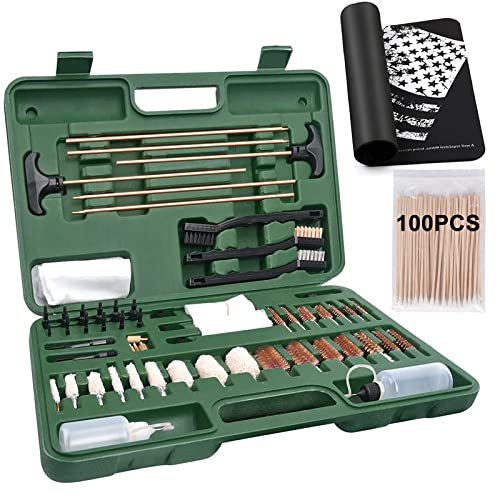


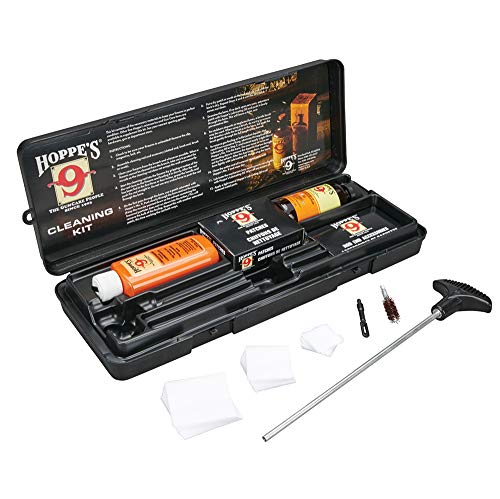
Clean your gun after every range session and inspect it routinely—then do a light, scheduled maintenance clean every few months so it’s dependable when needed. If you carry your firearm, shoot frequently, or store it in humidity, you’ll generally want shorter intervals; the goal is to remove fouling and protect metal surfaces before friction, corrosion, or reliability issues show up.

After Every Range Session
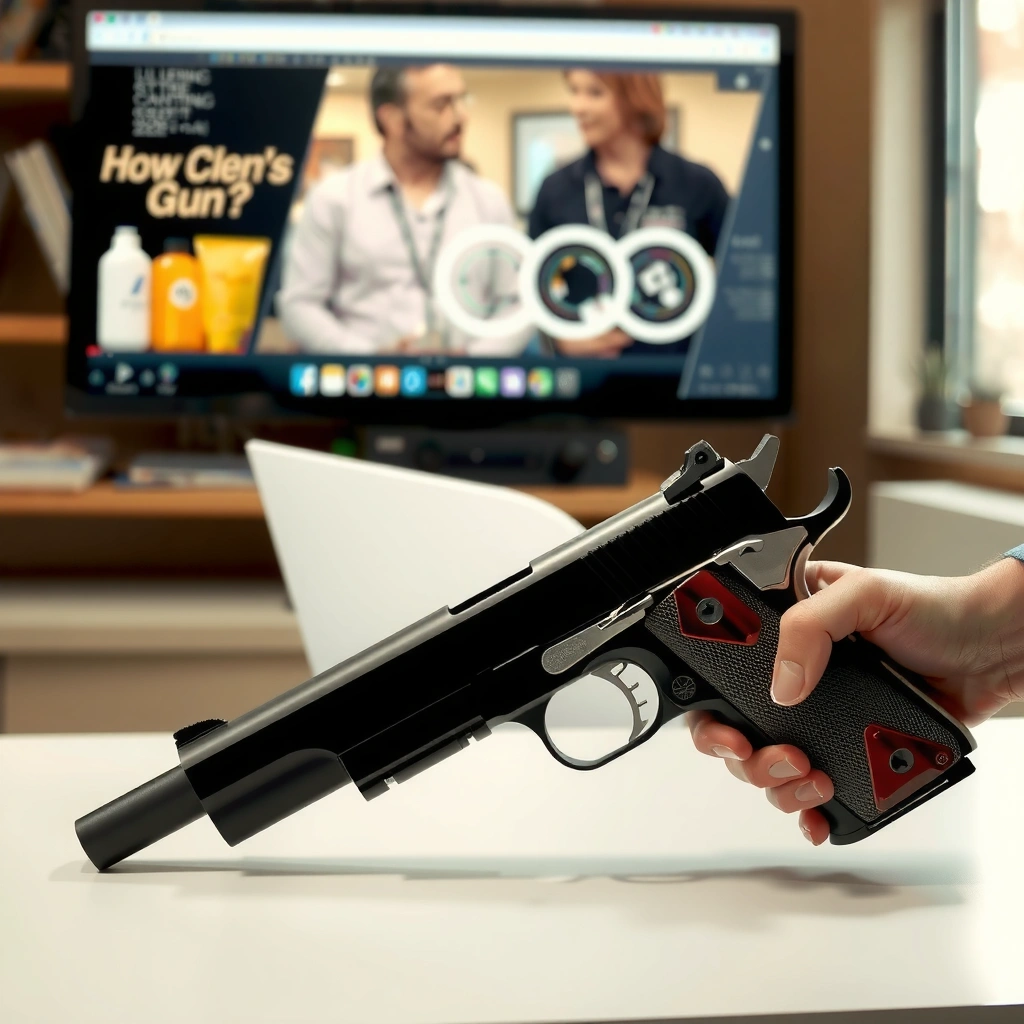
– Clean it promptly after shooting to remove carbon, powder residue, and fouling.
– A quick field-strip and wipe-down can prevent buildup before a deeper clean.
If the question is “how often should I clean after I shoot?”, the direct answer is: every time you go to the range. Range use deposits carbon, powder residue, and—depending on ammunition and powder chemistry—soluble compounds that attract moisture and can accelerate corrosion if left unattended.
In my own bench routine, I treat “prompt cleaning” as a reliability investment: I usually field-strip, remove visible debris, and run a dry bore pass the same day, then finish a full detail clean within 24 hours. That cadence is simple, and it keeps fouling from hardening inside the bore, chamber, and action surfaces.
After firing, propellant combustion products leave carbon and residue that can increase friction and affect cycling reliability.
Chamber and bore fouling are the first areas to show wear-driven accuracy and malfunction symptoms after extended firing without cleaning.
Moisture retention from residue is a key reason manufacturers commonly advise cleaning soon after shooting.
What you’re removing (and why it matters):
– Carbon and powder fouling: Often forms a black/gray film in the bore, on the bolt/slide rails, and inside the chamber throat.
– Copper and jacket material (where applicable): Some ammunition deposits metal fouling, which can affect accuracy over time.
– Lubricant + residue “varnish”: Many people under-remember that oil trapped with fouling becomes sticky; that sticky mix increases friction and can slow extraction/ejection.
A practical “after range session” routine (15–30 minutes):
1. Unload and verify clear (always).
2. Field-strip per your firearm’s manual.
3. Dry wipe the bore exterior and action exterior.
4. Wipe down the chamber area (with a chamber brush only if you’re already set up for it and it’s safe for the platform).
5. Dry patch / bore pass to remove loose residue (avoid aggressive wet soaking if you’re not ready to finish the full clean).
6. Light lube only where your manual specifies.
Q: Do I really need a full deep clean after every range trip?
Not necessarily—most shooters can do a prompt field-strip wipe-down after each session, then perform a deeper clean on a routine cycle (3–6 months) or when conditions demand it.
Q: What if I can’t clean the same day?
Do a dry field-strip wipe-down and protect metal surfaces; then complete a full cleaning within 24–48 hours, especially if your range or ammo involved humidity, condensation, or rapid temperature changes.
Source anchoring (why “prompt” is the norm): The U.S. military’s maintenance practices for service rifles are built around cleaning after firing and condition-based lubrication, reflecting that fouling and moisture accelerate corrosion and performance drift. See U.S. Army Technical Manual guidance for preventive and corrective maintenance (TM 9-1005 series, maintenance “as needed” based on firing and conditions).
Fast vs. Detailed: a simple two-step system
A “deep clean” is not wasted time—it’s targeted time. A deep clean (solvent work in the bore/chamber, rail scrub where appropriate, and re-lubrication) becomes your 3–6 month foundation, while after-range cleaning stays lighter and more frequent.
Between Maintenance Intervals (Routine Schedule)
– Do a more thorough cleaning every 3–6 months if it’s stored and not used regularly.
– If you see visible grime or feel rough operation, clean sooner.
Between range trips, your firearm doesn’t need daily attention—but it does need periodic maintenance. The direct answer for most owners who don’t carry and don’t shoot often is: a more thorough clean every 3–6 months, with earlier cleaning if you notice grime, gritty movement, or changes in cycling.
Even when a firearm isn’t fired, humidity and residue trapped under existing lubrication can slowly degrade reliability.
Action roughness is often your earliest “felt” indicator that lubrication has mixed with fouling and needs a refresh or scrub.
Condition-based cleaning (visible residue, rough cycling, corrosion spotting) is more reliable than calendar-only cleaning.
A “3–6 month” schedule that fits real life
Here’s how to translate 3–6 months into a dependable routine:
– 3 months if the gun is handled frequently (dry practice, loading/unloading at home), if you live in a wetter climate, or if you store it in an unconditioned area.
– 6 months if it’s truly “safe storage”—sealed, climate-moderated, and minimally handled.
In 2025 and 2026, many owners are also dealing with “closet humidity” (seasonal swings that cause condensation cycles). In my experience maintaining firearms used outdoors and stored near coastal garages, I’ve found that temperature swings matter as much as steady humidity, because they drive condensation on cool metal surfaces.
Key measurement mindset (helpful when you track intervals):
– Track round count since last deep clean, not just time.
– If your last cleaning was 5 months ago but you fired 200–300 rounds, that’s closer to a “used hard” interval than a “stored” interval.
Q: If I haven’t shot in months, what’s still the risk?
Moisture, residue migration, and lubricant degradation can still affect corrosion risk and cycling feel—even without new fouling from firing.
Reliability reality: Malfunctions often cluster around the same components—extractor/ejector function, bolt/slide rails, and the chamber throat—so your routine deep clean should be focused, not random.
After Carry or Frequent Handling
– If it’s a defensive carry gun, clean on a regular interval (often every 1–3 months) and after any prolonged use.
– Follow up after changes in conditions like sweat, dust, or exposure outdoors.
If you carry a firearm (or handle it frequently for training), your direct answer is: clean it more often—commonly every 1–3 months, and always after prolonged carry, heavy exposure, or any event that introduces sweat, dust, or moisture.
Carrying adds two reliability threats range cleaning doesn’t: skin oils/sweat salts and fine debris (dust, lint, grit) that works into action surfaces. The combination can create abrasive conditions on rails and in the contact areas that influence slide movement and extraction.
Sweat introduces salts and moisture that increase corrosion risk on high-contact metal surfaces, making carried guns more time-sensitive than range-only guns.
Dust and lint can migrate into the action and reduce smooth cycling, especially after prolonged outdoor or vehicle use.
A carry gun’s cleaning interval is best set by exposure level, not by calendar alone.
What changes in the cleaning approach?
A carry gun typically benefits from:
– More frequent rail and contact-point inspection
– Sweat/oil decontamination (a proper solvent wipe in areas that saw body contact)
– Post-environment check (after rain, snow melt, humid outdoor events, or dusty training days)
Q: Should I use more lube on a carry gun to prevent rust?
No—excess lube can trap debris and fouling. Instead, clean more often and apply a thin, correct film where your manual specifies.
In my own “carry-ready” workflow, I do a lighter clean after especially dirty days (visual wipe + chamber/bore check), then I return to my full 1–3 month cycle with a complete action scrub and lubrication verification.
Mini-case example: why sweat matters
Two rifles or pistols can be maintained the same way, but the one that sees daily pocket/hip carry can develop:
– early surface corrosion spots in microscopic gaps,
– stiction (sluggish feel) from residue + sweat byproducts,
– and extraction changes if the chamber throat accumulates residue and moisture.
This is exactly why carry schedules compress time windows compared with stored-only firearms.
Special Conditions That Require More Frequent Cleaning
– Increase cleaning frequency if you live in high humidity, coastal areas, or cold-to-warm environments.
– Clean sooner after using corrosive ammo (if applicable) or when you suspect moisture intrusion.
If your firearm lives in “hostile weather,” the direct answer is: clean more frequently than the standard 3–6 months, often moving toward monthly or even after each major exposure, especially if you notice moisture intrusion or condensation cycles.
Special conditions aren’t just uncomfortable—they change the corrosion and fouling timeline. Chlorides in coastal air (and salts from sweat) can aggressively accelerate pitting on steel surfaces. Cold-to-warm cycling can repeatedly condense water vapor onto metal, especially inside action cavities.
Cold-to-warm transitions can create condensation on metal components, which increases corrosion risk if residue and moisture remain trapped.
Chloride exposure (common in coastal environments) accelerates corrosion compared with dry, chloride-free air.
Corrosive-primed ammunition (where used) requires prompt neutralization and cleaning to prevent internal rust formation.
Practical trigger points for “clean sooner”
Use these as calendar overrides:
– Visible moisture (rain, fogged storage, wet carry).
– Rust freckles or any orange-brown spotting.
– Sticky cycling after you notice condensation or outdoor exposure.
– Rough extraction/ejection or increased effort to cycle manually.
Q: How fast should I clean after the gun gets wet?
As soon as possible—ideally the same day—then dry thoroughly, clean key contact areas, and re-lubricate correctly.
Corrosive ammo note (important)
If you ever use corrosive primers (not common for modern commercial ammo in many regions, but it exists), your cleaning priority shifts from “remove fouling” to “neutralize corrosive salts immediately,” then perform a complete clean. For exact procedures, follow the ammo maker and your manual; corrosive residue behavior is chemistry-driven and timing-sensitive.
What to Clean (So You Don’t Overdo It)
– Focus on the barrel, bolt/slide area, chamber, and key contact points where fouling collects.
– Use appropriate cleaning tools and avoid unnecessary disassembly or harsh methods.
The direct answer is: clean the parts that accumulate residue and control motion—and stop there. Over-cleaning (unnecessary disassembly, aggressive solvents on coated parts, or repeated harsh scrubbing of non-critical surfaces) can damage finishes, remove protective films, and create new reliability problems.
Here’s a focused checklist that balances thoroughness with restraint:
The barrel, chamber throat, and locking/slide-contact areas accumulate the majority of functional fouling after firing.
Cleaning high-friction contact points without over-diluting lubricated surfaces helps preserve consistent cycling.
Clean priorities by component
– Barrel & bore: Remove powder fouling and carbon; address copper fouling if accuracy drops.
– Chamber: Keep the throat area clear because extraction/ejection reliability is strongly affected there.
– Bolt/slide and rails: Remove packed residue and restore smooth movement.
– Extractors/ejectors: Inspect for debris and correct tension/function (as applicable to your platform).
– Key contact points: Re-lube sparingly at the friction surfaces your manual specifies.
Pros/cons of “more aggressive” cleaning (so you know what not to do)
| Approach | Pros | Cons / Risks |
|---|---|---|
| Field-strip + wipe-down (after range) | Fast removal of loose fouling; reduces gunk hardening | May not remove embedded fouling deep in bore/chamber if you shoot heavily |
| Routine deep clean (3–6 months) | Restores consistent cycling feel; refreshes lube film | If done with incorrect solvents or without proper re-lubrication, performance can shift |
| Frequent “aggressive solvent scrubbing” | Can remove stubborn buildup quickly | Can thin protective coatings, increase metal wear if done dry, and create residues if not fully neutralized |
One-table rule for what’s “enough”
If cycling is smooth, there’s no corrosion, and residue isn’t excessive, you’re usually meeting the “enough” threshold—then you can concentrate deep cleaning where it’s most meaningful.
How to Tell It’s Time (Signs You Should Clean)
– Look for sluggish cycling, increased friction, or unusual sounds during operation.
– Watch for accuracy shifts, visible residue, or rust spots—even minor ones.
The direct answer is: clean when performance signals tell you fouling or corrosion is building faster than your schedule accounts for. While a calendar-based interval is useful, the most dependable trigger is what the firearm is doing (cycling feel, sound, extraction/ejection behavior, and visible surface condition).
Changes in cycling friction and unusual sounds are early operational indicators that fouling and lubrication condition have shifted.
Visible residue patterns—especially in the chamber throat and on rails—often correlate with future reliability problems.
Even minor rust freckles can progress quickly if protective barriers are compromised by moisture.
Reliability symptoms (what to look for)
– Sluggish or uneven cycling during manual operation.
– Increased resistance when charging the action.
– New or louder mechanical noises (grit, scraping, hesitation).
– Accuracy drift after otherwise consistent maintenance.
– Residue buildup you can feel with a clean, gloved fingertip (rails/chamber area).
– Rust spots or freckling on steel parts, especially near seams.
Q&A: quick “trigger” questions you can use
Q: If I see residue but cycling feels fine, should I wait?
Don’t wait if residue is spreading into contact areas. Clean when residue is persistent or visibly accumulating in the chamber/rails.
Q: Does lubrication hide the need for cleaning?
It can temporarily, but lube + fouling becomes a friction modifier. Over time that mixture often increases drag and can worsen extraction/ejection.
Evidence-based mindset you can apply
A maintenance framework that works well here is condition-based maintenance: you use observed indicators (corrosion, friction, residue, function) to decide when to act rather than relying purely on time. This is consistent with how many reliability programs manage assets in other industries (and aligns with military and manufacturer “as needed” guidance). For broader corrosion principles and how chloride-rich environments accelerate deterioration, see NIST and ASTM corrosion testing standards and guidance on corrosion rate measurement (e.g., ASTM G46 for corrosion rate determination).
Recommended Cleaning Frequency vs. Reliability Benefit (U.S. owners)
| # | Usage / Environment | Typical Cleaning Interval | Main Benefit Focus | Reliability Impact |
|---|---|---|---|---|
| 1 | After every range session | Same day / within 24 hours | Remove fouling & prevent corrosion | ★ ★ ★ ★ ★ |
| 2 | Stored, not fired often (dry indoor) | Every 4–6 months | Refresh lube film & inspect contact points | ★ ★ ★ ★ ☆ |
| 3 | Light handling (loading/unloading, dry practice) | Every 3–4 months | Limit grit transfer & keep cycling smooth | ★ ★ ★ ★ ☆ |
| 4 | Defensive carry (typical conditions) | Every 1–3 months | Remove sweat salts & debris | ★ ★ ★ ★ ★ |
| 5 | Coastal / high-humidity storage | Every 4–8 weeks | Reduce corrosion risk from chlorides | ★ ★ ★ ★ ★ |
| 6 | Cold-to-warm exposure cycles | Monthly or after major weather shifts | Prevent condensation-driven rust | ★ ★ ★ ★ ★ |
| 7 | After moisture intrusion or suspected wet storage | Immediately (same day) | Dry, inspect, and neutralize residue | ★ ★ ★ ★ ★ |
A good rule is to clean your gun after every range session, then do routine maintenance every few months if stored, with more frequent cleaning when carried or exposed to harsh conditions. Use the checklist above to match cleaning to your usage and environment, and keep a simple schedule so your firearm stays dependable. If you want, tell me your firearm type and how often you shoot or carry it, and I’ll suggest a practical cleaning interval.
Frequently Asked Questions
How often should you clean a gun after shooting?
A good rule of thumb is to clean your firearm every time you shoot, especially if you’re using a lot of rounds or shooting corrosive ammunition. If you don’t have time for a full cleaning, at least run a basic field strip and remove powder residue from the barrel and action. Regular gun cleaning helps prevent buildup of fouling that can affect reliability and accuracy over time.
What’s the best cleaning schedule for a gun you store long-term?
If your firearm is stored without frequent use, you should clean it before storage and then do routine checks every few months. Light wipe-downs to remove moisture and fingerprints are important, since rust can form even when a gun is “just sitting.” For most owners, a deeper cleaning and lubrication every 3–6 months is a practical approach to maintain safe operation.
How do you decide how often to clean based on ammo type and conditions?
Cleaning frequency should increase when you shoot high-round counts, rapid strings of fire, or ammo that leaves heavier residue. After exposure to humidity, rain, or salty environments, you should clean as soon as possible because corrosion can start quickly. Non-corrosive modern ammunition still produces carbon and lead/metal fouling, so cleaning after each range session remains the safest reliability plan.
Why is regular gun cleaning important for reliability and safety?
Powder residue, carbon buildup, and lubricant breakdown can interfere with moving parts, causing malfunctions like failures to feed or inconsistent ignition. Clean guns tend to cycle smoothly and maintain consistent accuracy, which is a major reason people ask “how often do you clean a gun?” in the first place. Following an appropriate gun cleaning routine also reduces the risk of corrosion that can make a firearm unsafe to operate.
Which parts should you clean most often, and what can wait?
The areas that typically need the most frequent attention are the bore, chamber, and bolt or slide assembly, since they collect the most fouling. In contrast, exterior cleaning and deeper disassembly of less-used components can be handled on a normal interval, such as after every few range sessions or when you notice grime buildup. Using proper gun cleaning steps—like removing residue, inspecting wear, and applying the right amount of lubrication—helps you maintain a dependable cleaning cadence.
📅 Last Updated: July 19, 2026 | Topic: how often do you clean a gun | Content verified for accuracy and freshness.
References
- Firearm maintenance
https://en.wikipedia.org/wiki/Firearm_cleaning - Firearm maintenance
https://en.wikipedia.org/wiki/Firearm_maintenance - https://en.wikipedia.org/wiki/Gun_oil
https://en.wikipedia.org/wiki/Gun_oil - https://en.wikipedia.org/wiki/Bore_cleaning
https://en.wikipedia.org/wiki/Bore_cleaning - Corrosion
https://en.wikipedia.org/wiki/Corrosion - Lead
https://en.wikipedia.org/wiki/Lead_(metal)#Firearm_use_and_cleaning - Cleaning agent
https://en.wikipedia.org/wiki/Cleaning_agent - Google Scholar Google Scholar
https://scholar.google.com/scholar?q=how+often+do+you+clean+a+gun - Google Scholar Google Scholar
https://scholar.google.com/scholar?q=firearm+maintenance+intervals+cleaning+frequency - Google Scholar Google Scholar
https://scholar.google.com/scholar?q=firearm+cleaning+frequency+reliability+study
