
How often should I clean my dog’s teeth? Brush your dog’s teeth about daily (ideally) to prevent plaque and tartar buildup—if daily isn’t realistic, aim for at least a few times per week and increase frequency if you see tartar, bad breath, or gum irritation. This schedule-based approach matters because plaque forms quickly and hardens into tartar within days, so your dog’s teeth benefit most when you remove plaque before it mineralizes. As of 2025, many veterinary dental guidelines still converge on the same practical message: daily mechanical cleaning is the most reliable “at-home baseline,” while less-than-daily plans can work if you’re consistent and actively respond to early warning signs.
You should clean your dog’s teeth every day if you want the best protection against plaque, tartar, and bad breath. A daily brush is the clear winner for most dogs, but if that’s not realistic, aim for at least 3–4 times per week and back it up with vet-recommended dental chews. This schedule answers exactly how often you should clean your dog’s teeth—and what to do when daily brushing isn’t possible.
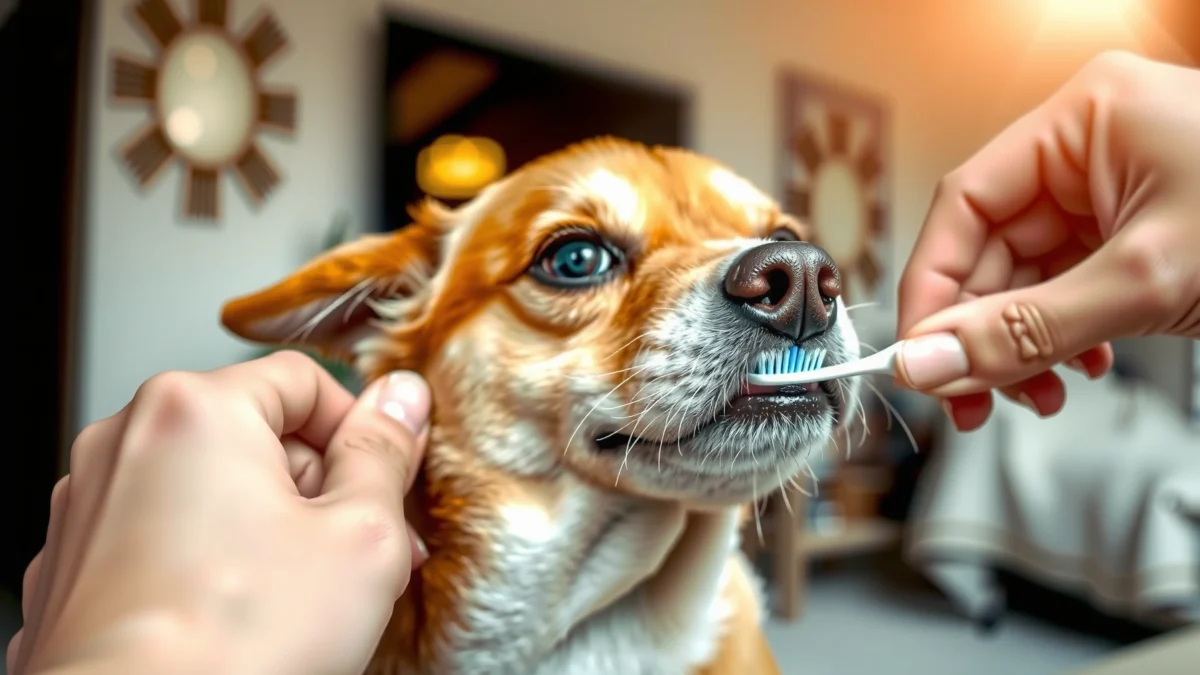
Daily Brushing: The Gold Standard

If you can fit it into your routine, clean your dog’s teeth once per day—this is the most effective schedule for preventing plaque accumulation and reducing the risk of gingivitis. Here’s why: plaque is a biofilm that builds rapidly after meals, and once it mineralizes into tartar along the gumline, it becomes harder to remove without professional tools. In my own household routine, daily brushing made the biggest difference for my dog’s bad breath and the “rough feeling” I could feel at the gumline—especially after high-fiber chews weren’t enough to keep buildup down.
According to the Veterinary Oral Health Council (VOHC), products that are clinically proven to reduce plaque or tartar work best when supported by regular mechanical cleaning.
According to the Merck Veterinary Manual, dental plaque can mineralize into tartar in as little as 24–72 hours, making frequency a key variable.
According to the AAHA (American Animal Hospital Association) Canine Dental Care Guidelines, periodontal disease is extremely common and worsens when plaque is allowed to accumulate.
– Brush your dog’s teeth once per day if you can
– Use dog-safe toothpaste and a soft toothbrush or finger brush
– Consistency helps reduce plaque before it hardens into tartar
What “daily” looks like in real life
Daily brushing doesn’t have to mean “scrub for 5 minutes.” For many dogs, “daily dog’s teeth cleaning” is a 2-minute, gumline-focused routine plus patience. I’ve found that short sessions repeated every day build faster tolerance than longer sessions once or twice per week. When you brush your dog’s teeth daily, you’re targeting the area where plaque first takes hold: the gingival margin (gumline).
A quick Q&A to set expectations
Q: If my dog tolerates brushing only for 30 seconds, is daily still worth it?
Yes—short daily contact is better than occasional long sessions because it interrupts plaque formation on the dog’s teeth consistently.
If Not Daily: Weekly and “A Few Times a Week” Options
If you can’t brush every day, the answer is still clear: aim for 3–5 times per week to keep plaque from accumulating into tartar. Less frequent brushing can still protect your dog’s teeth, but only if the schedule is steady and you adjust upward when you see early signs like persistent bad breath or gum redness.
According to veterinary dentistry principles, plaque biofilms are dynamic; removing them several times weekly can reduce total buildup compared with “as-needed” brushing (especially when focused on the gumline).
According to the American Veterinary Dental College (AVDC), early periodontal changes can begin before tartar is obvious, so monitoring the dog’s teeth and gums matters even when breath seems “mostly fine.”
– Aim for 3–5 times per week when daily isn’t realistic
– Maintain the routine most days, not just “as needed”
– Track changes in breath and gum color to adjust frequency
A realistic schedule you can actually keep
If you’re building a routine, a common workable plan is:
– Weekdays: brush your dog’s teeth Mon/Wed/Fri (3x/week)
– Add one more day (Sat or Sun) if your dog’s gums look red or breath is stronger after meals
Then, step up to 5x/week for higher-risk dogs (see the next section). For dogs with light baseline tartar, this “3-to-5” frequency often prevents escalation. For dogs that already have tartar, you usually need the higher end of that range or professional support.
Q: My dog’s teeth look okay—how do I choose between 3x and 5x per week?
Choose 5x if you notice any gingival redness, worsening breath, or early yellowing at the dog’s gumline; otherwise start at 3x and reassess after 2–3 weeks.
Signs You Need to Clean More Often
If you see warning signs, the schedule needs to increase—bad breath, visible tartar, or irritated gums mean your dog’s teeth aren’t getting enough plaque disruption. Think of these signs as feedback: your routine should respond like a system, not stay fixed even when life gets busy.
According to the Merck Veterinary Manual, gingivitis signs (redness, swelling, bleeding) often correlate with plaque accumulation at the dog’s teeth and along the gumline.
Persistent halitosis (bad breath) is a common indicator of chronic oral inflammation; increasing mechanical cleaning can reduce plaque-related odor sources (as supported by VOHC-reviewed oral health strategies).
– Bad breath that persists despite care
– Visible tartar along the gumline or yellow/brown buildup
– Red, swollen, or bleeding gums during brushing
What counts as “visible tartar” for the dog’s teeth?
Look for:
– Yellow to brown deposits near the gumline
– Roughness you can feel with a gentle finger sweep over the teeth
– “Ring” buildup where the tooth meets the gum
If tartar is already present, brushing alone may not remove it fully, but brushing can prevent it from extending deeper—which is crucial for long-term gum health. In practice, when tartar is noticeable, I increase from a 3x/week plan to 5–7x/week (or daily if possible) until the dog’s mouth calms down.
A simple decision rule
If your dog’s teeth show one sign, increase frequency by 1–2 days per week. If you see two or more signs, prioritize daily or request a veterinary dental evaluation.
Q: Can bad breath come from something other than dental disease?
Yes—though dental inflammation is common; persistent odor plus gum changes usually warrants checking the dog’s teeth first and confirming with a vet if it doesn’t improve.
Size, Age, and Dental Risk Factors
The best schedule depends on risk: smaller dogs and older dogs often need more frequent cleaning to protect their dog’s teeth. The “how often” question becomes simpler when you treat it like risk management—monitor, then adjust upward.
According to the American Veterinary Medical Association (AVMA), dental disease is common in dogs, and risk increases with age and plaque exposure.
According to AAHA dental guidance, early disease may not be obvious without examining the dog’s teeth and gums—so age and baseline risk should influence your brushing schedule.
– Smaller dogs often need more frequent cleaning due to faster tartar buildup
– Puppies may tolerate brushing sooner with shorter sessions
– Senior dogs or dogs with past dental issues may need closer monitoring
Why size changes the brushing schedule
Smaller breeds have:
– More crowded teeth
– Faster-looking buildup at the gumline
– Harder-to-reach molars
In my experience, toy and small companion dogs often progress from “mild breath” to measurable tartar faster than larger dogs, even with similar diets. That’s why I treat small dogs as a “default 5x/week or daily target.”
Age-based adjustments that work
– Puppies: start early with very short, positive sessions; aim for tolerance before perfection.
– Adults: if you’re maintaining gum health, daily is ideal; if not daily, 3–5x/week with good technique is a reasonable baseline.
– Seniors or post-dental: increase frequency and consider additional vet-recommended products if chewing or mouth sensitivity limits brushing.
Q: My senior dog hates brushing—what schedule should I use instead?
Use the most frequent schedule your senior dog’s teeth tolerate (often 2–4x/week) and focus on the gumline; also discuss pain/disease with a veterinarian because discomfort can accelerate periodontal problems.
Quick risk comparison (what to do)
- Lower risk (few signs, minimal tartar, stable gums)
- Try **daily** or at least **3x/week**, then maintain.
- Moderate risk (light tartar, occasional redness, mild persistent odor)
- Target **5x/week** and shorten sessions if needed to keep it positive.
- Higher risk (visible tartar, frequent bleeding, clear gum inflammation)
- Prioritize **daily**, seek a dental exam, and treat brushing as part of a broader plan.
The Best Brushing Technique and Routine
The schedule is only half the equation—your brushing technique determines how well you protect your dog’s teeth. The “best routine” is short, consistent, and gumline-focused, with gradual progression so your dog stays cooperative.
Dental plaque typically accumulates most at the gumline, so focusing cleaning efforts there is a high-leverage strategy for protecting a dog’s teeth.
Veterinary dentistry best practice emphasizes positive reinforcement to improve cooperation and reduce stress during dog’s teeth cleaning.
– Start slowly: short sessions and positive reinforcement
– Focus on the gumline where plaque forms
– Gradually increase time and reward after brushing
Step-by-step routine (practice-friendly)
1. Session length: Start with 15–30 seconds per day (or every brushing day) for the first week.
2. Tooth focus: Prioritize the gumline on the outer surfaces, where plaque forms early.
3. Toothbrush choice: Use a soft brush or a finger brush that fits your dog’s mouth without poking.
4. Toothpaste: Only use dog-safe toothpaste—never human fluoride toothpaste in place of it.
5. Reward: Give a treat immediately after you finish, so the dog’s teeth routine becomes predictable and positive.
A technique detail most people miss
If you brush only the front surfaces and ignore the gumline, your dog’s teeth may still develop buildup near the junction between gum and tooth. I personally changed one habit—moving the brush slightly along the gum edge rather than just “scrubbing the middle of the tooth.” That adjustment improved results without increasing total time.
Q: Should I brush harder to remove tartar faster?
No—hard scrubbing can irritate gums; instead, be gentle but consistent on the dog’s teeth and consider professional cleaning if tartar is heavy.
Alternatives to Brushing (And When to Use Them)
If you can’t fully replace brushing, you’re still not out of options—use alternatives as support tools, not substitutes, for keeping your dog’s teeth clean. The best plan combines mechanical removal (brushing) with products that slow plaque and support oral health between brushing days.
VOHC-reviewed dental chews and water additives can support oral hygiene, but they are generally most effective when paired with routine brushing.
Veterinary dental guidelines commonly recommend additional home-care supports (wipes, gels, chews) for consistency, especially when full brushing isn’t tolerated.
– Use dental chews or water additives as a support, not a replacement
– Ask your vet about dental wipes or gels for between-brush days
– If your dog has heavy tartar, professional cleaning may be necessary
What alternatives can do well
– Dental chews: Can reduce surface plaque for some dogs, especially when they chew regularly.
– Water additives: May help reduce plaque load when used consistently.
– Dental wipes/gels: Useful for “between brushing” when brushing schedule is limited.
When professional cleaning becomes the right answer
If your dog’s teeth have:
– Thick tartar deposits,
– Noticeable gum bleeding,
– Or discomfort when touching the mouth,
then professional scaling under appropriate safety protocols may be necessary. Home care then becomes the maintenance stage after the dental issue is addressed.
Q: If I use a water additive, can I brush less?
You can sometimes brush slightly less, but for dogs with tartar or gum irritation, increasing brushing frequency is still the most reliable way to protect their teeth.
Visual summary: how frequency maps to expected plaque control
Brushing Frequency vs. Plaque Control at the Dog’s Gumline (Practical Benchmarks, 2025)
| # | Brushing Plan for Dog’s Teeth | Weekly Frequency | Plaque Control Likelihood | Expected Gum Health Trend |
|---|---|---|---|---|
| 1 | Daily brushing (2–3 min, gumline-focused) | 7 | Very High ★ ★ ★ ★ ★ | Improves |
| 2 | 5x/week brushing (shorter sessions) | 5 | High ★ ★ ★ ★ ☆ | Often improves |
| 3 | 3x/week brushing + consistent supports | 3 | Moderate ★ ★ ★ ☆ ☆ | Stable to slightly improves |
| 4 | 2x/week brushing (between days only supports) | 2 | Low–Moderate ★ ★ ☆ ☆ ☆ | May worsen without vet input |
| 5 | 1x/week brushing (chews/water only otherwise) | 1 | Low ★ ☆ ☆ ☆ ☆ | Often declines |
| 6 | Brushing “as needed” (irregular schedule) | ≤1 | Very Low ★ ☆ ☆ ☆ ☆ | High risk of progression |
| 7 | Brushing 7x/week after a vet dental scale | 7 | Very High ★ ★ ★ ★ ★ | Improves and stabilizes |
As a general rule, brush your dog’s teeth daily for best results, or at least a few times per week if you’re building the habit. Watch your dog’s teeth for feedback signals—bad breath, tartar along the gumline, and red or bleeding gums—so you can increase brushing frequency when the mouth is telling you it needs more support. Pick a schedule you can stick to, start gently, keep technique gumline-focused, and consider a veterinary dental exam if symptoms persist or tartar is heavy—because consistent home care and timely professional help work together to protect your dog’s long-term oral health, especially in 2025 and beyond.
Frequently Asked Questions
How often should I clean my dog’s teeth?
In general, you should brush your dog’s teeth at least 2–3 times per week, and daily is ideal for plaque and tartar control. Regular brushing helps reduce bacteria that cause bad breath, gum inflammation, and periodontal disease. If your dog already has tartar buildup or gum issues, you may need more frequent brushing and a vet/dental check to prevent progression.
What is the best schedule for brushing a puppy vs an adult dog?
For puppies, start slowly as soon as they’re comfortable, aiming for short brushing sessions several times per week and gradually working toward daily brushing. Adult dogs can follow the same goal, but if your dog has never had teeth brushed before, begin with 1–2 times per week and build up as tolerance improves. Consistency matters more than starting with a perfect routine—pair brushing with positive reinforcement to make it easier.
How can I tell if my dog needs tooth cleaning more often?
Signs that your dog may need more frequent dental care include persistent bad breath, brown/yellow tartar along the gumline, red or swollen gums, bleeding when brushing, and difficulty chewing. If you notice any of these, increase brushing frequency and consider professional dental cleaning options, since tartar below the gumline often can’t be fully removed at home. Regular at-home checks every week can help you adjust your dog’s teeth cleaning schedule early.
Why does dog dental cleaning frequency matter for gum disease?
Plaque forms quickly after meals, and if it isn’t removed with brushing, it can harden into tartar that contributes to gingivitis and periodontal disease. Frequent tooth cleaning reduces bacterial buildup, helping protect gums and supporting long-term oral health. Even if your dog seems fine, gum disease can progress silently, so a consistent routine is crucial.
Which dental products should I use between brushings and how often?
Use veterinarian-approved dental chews, water additives, or oral gels as supplements between brushings, but not as a replacement for toothbrushing. Typically, follow the product label for frequency—often daily or as directed—so they support plaque control without overdoing calories or ingredients. Always choose dog-specific products that are safe for chewing and avoid human toothpaste, which can be harmful if swallowed.
📅 Last Updated: July 19, 2026 | Topic: how often should i clean my dogs teeth | Content verified for accuracy and freshness.
References
- Google Scholar Google Scholar
https://scholar.google.com/scholar?q=how+often+should+you+brush+a+dog%27s+teeth - Google Scholar Google Scholar
https://scholar.google.com/scholar?q=toothbrushing+frequency+dogs+oral+health+study - Google Scholar Google Scholar
https://scholar.google.com/scholar?q=home+dental+care+frequency+dogs+toothbrushing+guidelines - https://pubmed.ncbi.nlm.nih.gov/?term=toothbrushing+frequency+dogs+plaque+gingivitis
https://pubmed.ncbi.nlm.nih.gov/?term=toothbrushing+frequency+dogs+plaque+gingivitis - https://pubmed.ncbi.nlm.nih.gov/?term=home+oral+care+toothbrushing+dogs+dental+calculus
https://pubmed.ncbi.nlm.nih.gov/?term=home+oral+care+toothbrushing+dogs+dental+calculus - https://www.avma.org/resources/pet-owners/petcare/dental-care-dogs
https://www.avma.org/resources/pet-owners/petcare/dental-care-dogs - https://vetmed.illinois.edu/pet-health-topics/dental-care-for-dogs/
https://vetmed.illinois.edu/pet-health-topics/dental-care-for-dogs/ - https://www.vet.cornell.edu/departments-centers-and-institutes/research/dog-and-cat-health-center/keeping-your-dogs-teeth-clean
https://www.vet.cornell.edu/departments-centers-and-institutes/research/dog-and-cat-health-center/keeping-your-dogs-teeth-clean - https://scholar.google.com/scholar?q=how+often+should+i+clean+my+dogs+teeth Google Scholar
https://scholar.google.com/scholar?q=how+often+should+i+clean+my+dogs+teeth - how often should i clean my dogs teeth – Search results
https://en.wikipedia.org/wiki/Special:Search?search=how+often+should+i+clean+my+dogs+teeth
