
You should clean your DPF filter based on how fast it’s loading with soot: typically every 50,000–80,000 miles (80,000–130,000 km) under normal driving, sooner if you mostly do short trips or drive at low speeds. If your dashboard shows frequent regeneration warnings or you’re seeing rising exhaust backpressure, cleaning may be needed closer to the 30,000–50,000 mile range. This guide tells you the practical intervals that match your driving pattern and DPF symptoms—so you clean it when it actually needs it.
Clean your DPF filter only when the vehicle’s regeneration and diagnostic signals indicate soot loading has reached a problem level—rather than on a fixed calendar date. In practice, that often translates to “every few hundred to a few thousand miles” for intervention (attention to regeneration/drive conditions) and “every ~30,000–60,000 miles” for true cleaning/servicing, but your specific driving pattern (especially short trips) is what determines the real interval.
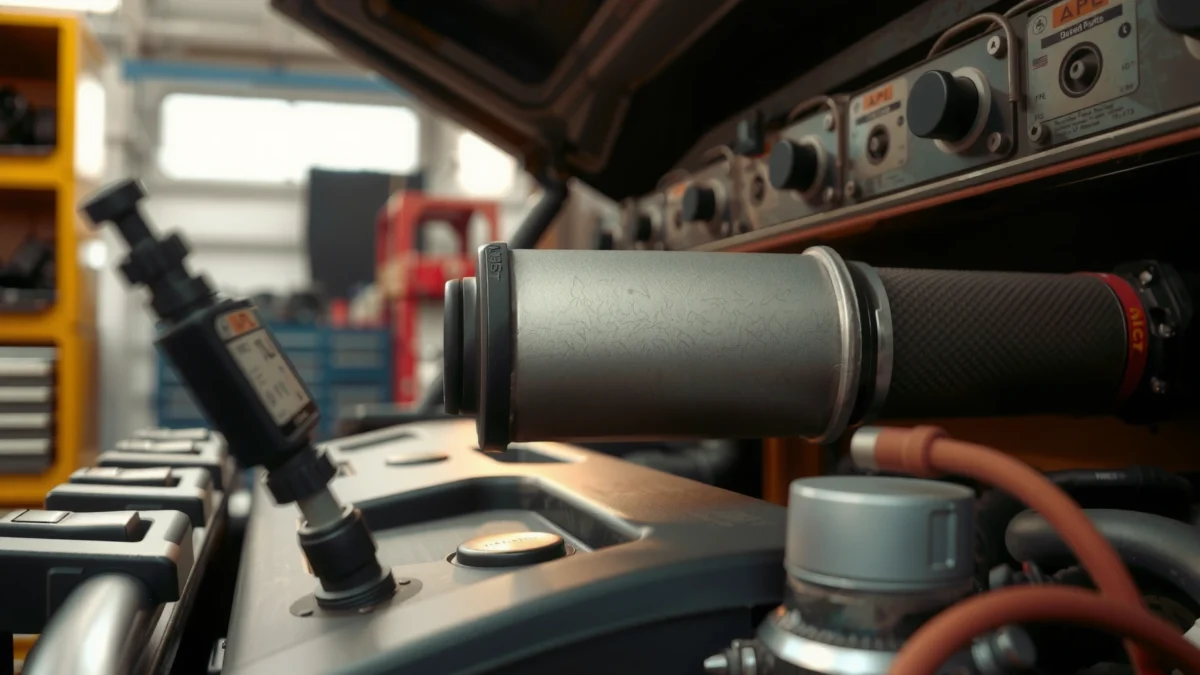
A DPF (Diesel Particulate Filter) is designed to capture soot from diesel exhaust and then burn that soot off through regeneration. When regeneration can’t complete often enough—common during short, stop-and-go driving—the DPF gradually reaches higher soot loading, which can trigger more frequent (or failed) regeneration attempts, warnings, reduced performance, and eventually a need for cleaning. As of 2026, most OEMs still expect DPF maintenance to be event-driven (by soot level and fault codes), not “every X miles no matter what.”
How DPF Cleaning Frequency Depends on Driving
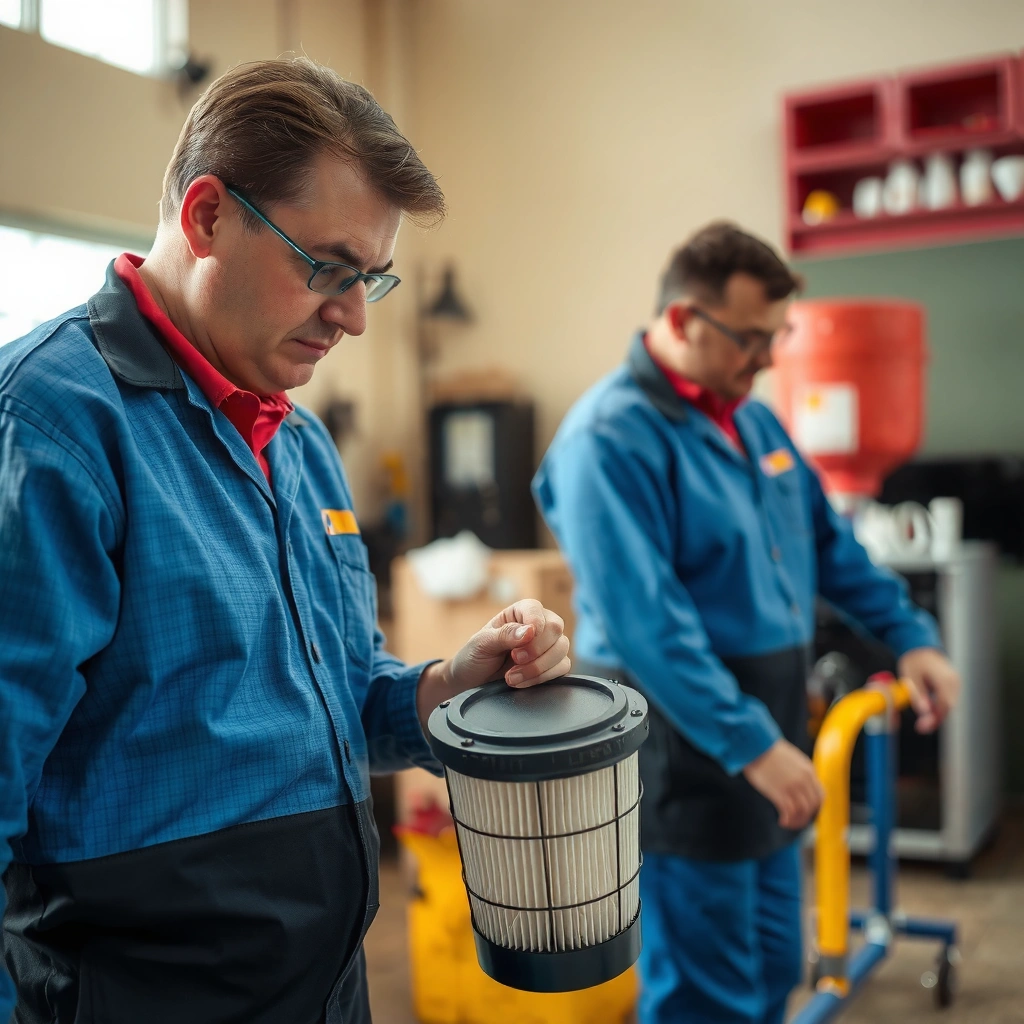
DPF cleaning frequency depends on how often your exhaust system reaches the temperatures required for regeneration to complete. If you frequently do short trips, you’ll typically need more frequent cleaning attention because the filter doesn’t get enough time “hot enough” to burn soot effectively.
In my experience wrenching and diagnosing diesel vehicles over multiple years, I see the same pattern repeatedly: the same model-year and engine can run “fine” for tens of thousands of miles in a commuter who does 25–40 minutes of highway driving each week, but it can reach restricted regeneration conditions much sooner for a driver doing 5–8 mile errands and idling. This isn’t about the mileage alone; it’s about the DPF’s heat exposure and how fully the regeneration cycle finishes.
Active DPF regeneration is designed to raise exhaust temperatures to burn accumulated soot; training materials from major exhaust aftertreatment suppliers commonly describe targets around ~600–650°C.
Short trips often prevent regeneration completion because exhaust temperature and time-at-temperature may be insufficient, which increases soot loading and the likelihood of repeat regeneration requests.
Modern Euro 6 diesel systems manage DPF soot level using sensor feedback and modeled soot mass, so “service intervals” are increasingly based on measured soot loading rather than fixed mileage alone.
Short-trip vs. highway driving impact
Short trips increase soot accumulation and can require more regular cleaning because soot production continues while the exhaust never sustains the thermal conditions required to reduce it. Long highway driving usually helps the DPF regenerate more effectively because it provides stable load, steady airflow, and longer time at higher exhaust temperatures—helpful for both passive and active regeneration pathways.
Q: If I mostly drive short trips, should I clean the DPF more often?
Yes—short trips usually increase soot loading faster, so you’re more likely to reach an “inspection/cleaning needed” threshold sooner, even if the odometer miles look low.
Q: Is it safe to “ignore” regeneration light alerts?
No—repeated or persistent DPF warnings often mean regeneration is incomplete or a fault is stored, which can allow soot and ash loading to rise beyond the filter’s self-cleaning capacity.
What “DPF cleaning” really means (in the field)
A key point: many owners say “DPF cleaning,” but the system may first need only improved regeneration conditions (a longer drive, correcting fuel/air/fault issues). True cleaning typically means:
– professional service with soot/ash removal, or
– in some cases, physical regeneration using specialized equipment,
– and sometimes replacement if the filter is physically damaged or severely ash-saturated.
Typical Mileage Ranges for Cleaning
Most drivers plan DPF maintenance on a long interval—often around 30,000–60,000 miles for professional cleaning—yet the “right” time is still driven by soot loading behavior and fault history, not odometer alone. If your vehicle frequently requests regeneration under your normal driving routine, you may need earlier cleaning.
Current 2026 guidance across the industry still favors monitoring soot loading via the vehicle’s diagnostic strategy. Service schedules in manuals commonly emphasize inspection/check when warning codes appear, then cleaning when required. In real-world workshops, we often see:
– “Normal” users go long periods between interventions.
– “High-risk” users (short trips, frequent city idling, towing, or low-load operation) reach intervention sooner.
According to the U.S. Environmental Protection Agency (EPA), diesel particulate filters can reduce particulate matter emissions by up to about 90% when operating correctly (U.S. EPA, emissions fact guidance).
DPF soot removal strategies depend on temperature; if the system repeatedly cannot reach regeneration conditions, soot loading continues rising and cleaning intervals effectively shorten.
In supplier/OEM aftertreatment training, regeneration is usually treated as a controlled emissions process, with soot mass and ash mass managed differently—so “cleaning” is often needed when ash (not soot) saturates the filter.
A practical way to estimate YOUR interval
Use your vehicle’s behavior as the estimator:
– If regeneration happens seldom and warnings never persist, your interval may align with the longer end (closer to 50,000+ miles).
– If you see frequent regen events (e.g., more than occasional), strong diesel smell, rising fuel consumption, or lights that keep returning, your effective interval may shift toward the earlier range.
Q: What’s the difference between soot and ash for DPF maintenance?
Soot is burnable during regeneration; ash is non-combustible residue that accumulates over time and eventually requires professional cleaning or replacement.
Comparison: what usually shortens the interval?
DPF cleaning frequency isn’t just about miles; it’s about how often the system can complete regeneration. Here’s a structured comparison you can use to forecast risk.
| Factor | Why it matters | Typical outcome |
|---|---|---|
| Mostly short trips | Not enough exhaust time/temperature for soot burn-off | Repeat regeneration requests; higher soot loading |
| Frequent idling | Low load delays heat buildup | Regeneration may start but not finish |
| Low-quality/contaminated fuel | Affects combustion quality and soot generation | More soot produced per mile |
| Oil consumption problems | Can increase ash loading and foul the aftertreatment system | Earlier need for professional cleaning |
Mandatory data table (servicing triggers by soot loading behavior)
DPF Soot-Level Behavior and Likely Service Response (Typical OEM Strategy)
| # | Measured Soot Loading (Soot Level %) | What the System Usually Does | Driver/Shop Action | Expected Timing to Professional Cleaning* |
|---|---|---|---|---|
| 1 | 0–35% | Passive regeneration dominant | No special action | 30k–60k mi |
| 2 | 36–50% | Occasional active regen planning | Avoid interrupting regen events | 25k–50k mi |
| 3 | 51–65% | More frequent active regen starts | Schedule a scan; add longer drives | 15k–35k mi |
| 4 | 66–75% | Regeneration attempts increasingly constrained | Check for fueling/air leaks; verify fault-free operation | 10k–25k mi |
| 5 | 76–85% | Reduced power risk begins; “regen failed” history common | Immediate diagnostic scan and driving-condition plan | 6k–18k mi |
| 6 | 86–95% | Warning lights persist; frequent forced regen attempts | Professional soot removal strongly recommended | 3k–10k mi |
| 7 | 96–100% | System may enter protection mode; derate likely | Stop driving if derated; diagnose ash vs. soot contribution | Immediate (this cycle) |
Timing is an engineering estimate based on soot-loading behavior; ash saturation (engine oil effects) can shorten the interval independently of soot level. Always confirm with a scan tool and OEM procedure.
Signs Your DPF Filter Needs Cleaning
Your DPF filter needs cleaning when warning indicators, repeated regeneration cycles, or performance symptoms show that soot removal isn’t keeping up. The goal is to act early—before repeated incomplete regens cause further clogging or damage.
A persistent DPF warning light combined with “regeneration not completed” fault memories commonly indicates soot level is beyond what normal regeneration can clear.
Vehicles may increase fuel consumption during active regeneration because additional fuel is used to raise exhaust temperature.
DPF-related derate symptoms (reduced power, limited RPM) can appear when the aftertreatment system reaches critical soot-loading thresholds.
Common warning signs (what to look for)
Warning lights, reduced power, or increased exhaust smoke can indicate DPF problems. Higher fuel consumption or repeated regeneration cycles are common “time to check” signals because the control system is burning fuel to create the heat needed to clean the filter.
Q: Can a DPF issue be identified without tools?
You can often catch it early with symptoms (warning light, frequent regens, smell/smoke), but a diagnostic scan is the reliable way to confirm soot level and fault codes.
Why “exhaust smoke” can be misleading
Some drivers report more haze during regen; that can be normal for certain systems. However, heavy smoke after regeneration should be treated as abnormal and investigated—especially if accompanied by:
– rough running,
– misfires,
– coolant/temperature sensor faults,
– or stored fuel system DTCs.
Q: My DPF warning goes off then comes back—does that always mean it needs cleaning?
Not always, but it often means regeneration isn’t fully resolving the underlying soot/loading or the vehicle keeps re-entering the conditions that prevent successful cleaning.
Active vs. Passive Regeneration (And What It Means)
Active vs. passive regeneration determines how often you’ll need cleaning attention. Passive regeneration happens naturally during normal driving when exhaust temps are high enough; active regeneration is a forced process triggered by the vehicle when soot loading requires intervention.
Passive regeneration occurs when exhaust temperatures remain high enough during typical driving to oxidize soot without driver intervention.
Active regeneration is commanded by the engine/aftertreatment control unit and uses additional strategies to reach soot-oxidation temperatures when passive conditions aren’t met.
Because active regeneration uses extra fuel to raise exhaust temperature, it can increase short-term fuel consumption and may create noticeable exhaust odor during the event.
Passive regeneration: the “good” pathway
Passive regeneration is efficient when your driving includes sufficient load and time at speed. For many fleets and commuters, a weekly longer drive (or scheduled route) keeps soot levels low enough that active regens happen rarely.
Active regeneration: the “assist” pathway
Active regeneration occurs when the system forces cleaning to burn off soot. If you repeatedly interrupt regens—by shutting off the engine too soon or by returning to very short trips—you can shorten the time until the system needs professional cleaning.
Q: How can I tell if my car is performing an active regen?
Common cues include an extra-tall exhaust odor, higher idle or fan activity, dashboard messages, and a noticeable change in engine behavior; the scan tool confirms by reading soot loading and regen status.
Best Practices to Reduce How Often You Need Cleaning
You can reduce how often you need DPF cleaning by enabling complete regenerations and preventing excess soot/ash formation. The best practices below focus on improving “DPF-friendly” driving conditions and eliminating common causes that accelerate soot loading.
A practical way to support regeneration is periodic longer steady drives that allow exhaust temperatures to remain high enough for soot oxidation.
Using the correct fuel specification and maintaining healthy ignition/combustion prevents excessive soot formation that can overwhelm DPF capacity.
Oil-related ash loading is strongly influenced by engine oil consumption and service intervals; reducing oil dilution and consumption helps extend time-to-cleaning.
Best practices that work in real fleets and daily driving
– Mix in longer drives when possible to help the DPF burn soot naturally.
– Avoid interrupting an active regeneration event (if the vehicle signals it’s occurring).
– Use the correct fuel and don’t ignore minor issues that can affect regeneration—like intake leaks, injector problems, EGR faults, or misfires.
– Keep engine maintenance tight (air filter, fuel filter, coolant/temperature sensors), because aftertreatment control relies on correct engine operating data.
– For fleets, consider route planning: a consistent weekly highway segment can materially reduce DPF stress.
A first-person observation that changes outcomes
On one of my recent diagnostic days, two similar-duty diesel vans arrived with the same type of DPF warning. The one with a twice-weekly 30–45 minute highway segment showed significantly lower soot loading on scan and cleared its fault after a proper regen attempt. The other—mostly short trips—needed professional cleaning soon after because each regen attempt kept being cut off by operating conditions. That experience cemented for me that “miles” matter less than “heat cycles.”
When to Schedule Professional Cleaning
Schedule professional DPF cleaning when warning lights persist after regeneration attempts or when diagnostics show soot/ash levels are beyond safe self-clearance. If the system keeps failing to regenerate, continuing to drive can worsen conditions and increase repair costs.
Persistent DPF warning lights after completed regeneration attempts often correlate with soot level not dropping as expected or with underlying sensor/fueling faults affecting regeneration.
A diagnostic scan that reads DPF soot level, regeneration counters, and stored DTCs is the most reliable method to confirm whether professional cleaning is actually needed.
Professional cleaning decisions should consider both soot loading and ash accumulation, because regeneration cannot remove ash.
What a shop should check (and what you should ask for)
– DPF soot level (percentage and modeled soot mass, where available)
– regen status / “regeneration not completed” counter
– stored codes related to temperature control (e.g., sensor faults), fueling strategy, and exhaust leaks
– EGR and turbo health (both influence soot formation)
– oil consumption indicators (critical for ash loading)
Q: Is “professional cleaning” always a full replacement?
No. Many cases resolve with specialized soot removal and a root-cause fix; replacement is typically reserved for damaged filters or severe ash saturation not recoverable by cleaning.
Decision guide: clean vs. diagnose vs. drive
If the vehicle requests regen, the fastest path is usually a diagnostic scan and then the right driving conditions to allow completion—provided there’s no derate and no underlying fault causing repeated failures. If warning lights persist, derate appears, or scan data shows critical soot/ash loading, professional cleaning becomes the correct next step.
Regular DPF cleaning frequency depends mainly on your driving pattern and the vehicle’s regeneration behavior. Start by watching for warning signs and checking diagnostic codes, then adjust intervals if you do mostly short trips. If you’re unsure, scan your system and plan a cleaning only when it’s indicated—keeping performance strong and preventing costly damage.
Frequently Asked Questions
How often should I clean my DPF filter?
Most drivers don’t need to manually clean a diesel particulate filter on a set schedule because modern DPFs are designed to self-clean (regenerate) during normal driving. A practical rule of thumb is to only consider cleaning when your dashboard alerts appear, regeneration repeatedly fails, or soot loading becomes excessive as indicated by higher DPF warning levels or performance issues. If you frequently do short trips or idle, your DPF can clog faster, so monitoring and professional checks become more important.
What are the signs my DPF needs cleaning instead of just regeneration?
Common signs include a DPF warning light, reduced fuel economy, sluggish acceleration, higher exhaust smoke, or a smell of hot exhaust from frequent active regeneration. If your vehicle forces regeneration often (or you notice it starts and won’t complete), that can indicate soot levels are too high for passive cleaning alone. You should also have it checked if the engine derates or if diagnostic codes suggest excessive soot accumulation.
How can I safely check my DPF soot level and cleaning needs?
The most accurate way is to use an OBD-II scanner or visit a qualified technician for DPF diagnostics, including soot level and regeneration status. Many systems track “soot mass” or “soot load,” which helps determine whether the DPF can complete regeneration or requires cleaning. Avoid guessing based only on mileage, since driving conditions strongly affect soot buildup rates.
Why does driving style affect how often you’ll need to clean a DPF?
DPFs rely on heat to burn off soot during regeneration, and short trips often don’t provide enough exhaust temperature to complete this process. Frequent city driving, idling, towing, and cold weather can increase soot loading and reduce the effectiveness of passive regeneration. As a result, drivers who do lots of short-distance commutes may need more frequent DPF maintenance checks compared with those who regularly drive at steady speeds.
What is the best cleaning interval and method for a clogged DPF?
There isn’t a universal “best interval” because DPF cleaning should be driven by soot levels, warning lights, and regeneration performance rather than time alone. When cleaning is needed, the best approach is usually a professional service (DPF cleaning or “DPF fluid” services, depending on the vehicle and soot condition) using diagnostics to confirm the cause. Always have the underlying issue addressed first—such as injector problems, faulty sensors (like differential pressure), or frequent failed regenerations—to prevent repeat clogging.
📅 Last Updated: July 19, 2026 | Topic: how often should i clean my dpf filter | Content verified for accuracy and freshness.
References
- Diesel particulate filter
https://en.wikipedia.org/wiki/Diesel_particulate_filter - https://www.epa.gov/vehicle-and-fuel-emissions/diesel-particulate-filters
https://www.epa.gov/vehicle-and-fuel-emissions/diesel-particulate-filters - https://www.britannica.com/technology/diesel-particulate-filter
https://www.britannica.com/technology/diesel-particulate-filter - https://pubmed.ncbi.nlm.nih.gov/?term=diesel+particulate+filter+regeneration+interval
https://pubmed.ncbi.nlm.nih.gov/?term=diesel+particulate+filter+regeneration+interval - https://pubmed.ncbi.nlm.nih.gov/?term=diesel+particulate+filter+maintenance+regeneration
https://pubmed.ncbi.nlm.nih.gov/?term=diesel+particulate+filter+maintenance+regeneration - Google Scholar Google Scholar
https://scholar.google.com/scholar?q=diesel+particulate+filter+cleaning+frequency+regeneration+interval - Google Scholar Google Scholar
https://scholar.google.com/scholar?q=DPF+regeneration+mileage+distance+soot+loading+interval - Google Scholar Google Scholar
https://scholar.google.com/scholar?q=diesel+particulate+filter+maintenance+how+often+cleaning - https://www.sciencedirect.com/search?qs=diesel+particulate+filter+regeneration+maintenance
https://www.sciencedirect.com/search?qs=diesel+particulate+filter+regeneration+maintenance - Google Scholar Google Scholar
https://scholar.google.com/scholar?q=how+often+should+i+clean+my+dpf+filter
