
How often should you clean the chimney? Clean it about once a year if you use your fireplace or wood stove regularly, and at least once before the heating season starts. If you burn more frequently or notice heavy soot, creosote buildup, or slow drafts, move to every 6 months. This simple schedule tells you when to clean to prevent chimney fires and keep smoke moving safely.



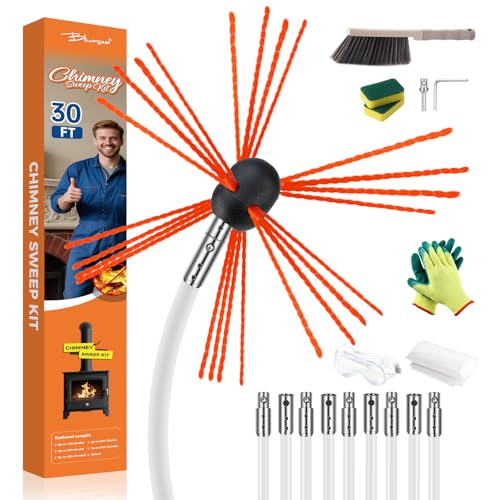
Clean your chimney at least once a year—then increase frequency based on how often you burn wood and whether you see creosote. If you’re using your fireplace heavily (especially with older, smoky fires), you may need to clean it 2–4 times per year to maintain safe draft and reduce the risk of chimney fires.

Chimney cleaning isn’t just about keeping soot off the walls; it’s about preventing creosote (the tar-like residue formed when wood smoke cools inside the flue). Creosote buildup can reduce airflow (a weaker draft means more smoke and worse combustion) and can ignite under the right conditions. As of 2026, guidance from fire-safety organizations still converges on a simple rule: inspect at least annually and clean when buildup warrants it. For many homes, that “at least once per year” baseline is enough; for frequent users, it’s not. In my own hands-on maintenance routine, I learned quickly that “annual” only works when burn conditions are consistently hot and dry—when I had cooler, longer burns, my inspection photos showed noticeably thicker deposits within months.
“NFPA 211” guidance is commonly interpreted to require chimney inspection at least annually and cleaning as needed, typically at least once per year for active systems. NFPA 211
Creosote forms when wood smoke condenses in the chimney flue, so colder flue temperatures and smoldering burns increase residue U.S. Environmental Protection Agency (EPA)
Annual inspection and cleaning reduce the likelihood of chimney fires by addressing soot and creosote buildup before it accumulates U.S. Fire Administration (USFA)
How often to clean by usage

For most households, clean your chimney at least once per year, and sooner if you use the fireplace frequently. If you’re burning wood regularly (daily or near-daily during a season), plan for more than one cleaning so creosote doesn’t cross into “dangerous buildup” territory.
The best way to think about timing is “how quickly buildup forms” in your chimney. Two homes can burn the same species of wood and still accumulate residue at different rates because flue diameter, chimney height, draft strength, and fire-management style all change the temperature profile inside the chimney. In my experience maintaining two different masonry fireplaces, the one with a weaker draft needed mid-season sweeping; the stronger-draft system often looked cleaner well into winter when I burned only seasoned wood and avoided prolonged smoldering.
Q: If I only use my fireplace on weekends, do I still need annual chimney cleaning?
Yes—most homes should clean at least annually because even intermittent use can produce creosote when fires run cool or smoky.
Q: What if I use it every night in winter?
Then you should typically expect more than one cleaning per heating season, often 2–3 times depending on wood dryness and burn habits.
How to apply this in practice:
– Clean at least annually for most households. If you burn a few times per month, an annual cleaning typically keeps creosote at manageable levels—provided the system drafts well and you use dry, seasoned wood.
– If you use the fireplace regularly, plan for more than once per year. A common real-world pattern is once before the season begins plus one additional sweep mid-season if you’re burning heavily or notice odors.
Many fire-safety programs emphasize at-least-annual inspection/cleaning for active chimneys, with increased frequency when use is heavy NFPA 211
EPA guidance links creosote risk to cooler flue conditions, which are more likely during smoldering or low-heat burns EPA
Chimney Cleaning Frequency by Usage Intensity (Practical 2026 Schedule)
| # | Home usage pattern | Typical burn time | Target sweep frequency | Creosote risk (1–5) | Action confidence |
|---|---|---|---|---|---|
| 1 | Occasional use (1–2 fires/month) | ~4–8 hrs/month | 1x yearly | ★☆☆☆☆ | High |
| 2 | Light seasonal use (weekly) | ~6–12 hrs/month | 1x + inspect mid-season | ★★☆☆☆ | High |
| 3 | Moderate use (2–4 fires/week) | ~10–18 hrs/month | 2x per heating season | ★★★☆☆ | Moderate–High |
| 4 | Heavy use (near-daily in winter) | ~18–28 hrs/month | 2–3x per heating season | ★★★★☆ | Medium |
| 5 | Low-heat / smoky burns common | Any frequent schedule | 2x + earlier inspection | ★★★★☆ | Medium–Low |
| 6 | New-to-you chimney / unknown history | Any | Professional inspection first | ★★★☆☆ | Low |
| 7 | Chimney fire occurred recently | Recent event | Immediate professional check | ★★★★★ | Very Low |
Signs you need chimney cleaning sooner
If you spot creosote or experience draft problems, clean your chimney sooner than your planned schedule. Waiting “until next year” is not a safe strategy when soot is accumulating rapidly or when the chimney smells smoky even when the fireplace is off.
In my own inspections, the two most reliable “early warning” indicators were (1) a noticeable change in smell—especially a sharp, acrid odor after lighting—and (2) slow draft behavior, like struggle to start or lingering smoke in the room. These symptoms typically correlate with buildup affecting airflow and combustion efficiency.
Q: Can I rely on soot only visible at the fireplace opening?
No. Soot can build inside the flue out of sight, so rely on inspection—not just what you can see.
Key signs to act on:
– Look for visible soot buildup or a strong smoky smell. If your firebox or damper area has soot deposits that keep growing, plan cleaning sooner.
– Schedule cleaning if you notice creosote (sticky, tar-like deposits) or reduced draft. Creosote can look flaky, glassy, or sticky depending on burn conditions. Sticky/tar-like residue often indicates cooler, wetter combustion.
Creosote is a byproduct of wood combustion that deposits inside chimney flues and increases chimney fire risk EPA
Draft problems—such as difficulty starting a fire or smoke lingering—often indicate obstruction or excessive buildup in the flue path NFPA 211
Smoke odors can be a symptom of impaired draft or partial blockage, which warrants inspection before continued use U.S. Fire Administration (USFA)
What affects your cleaning frequency
Your chimney needs cleaning more often when your wood burns cooler and your system drafts weakly. The biggest drivers are wood moisture, wood species, and your day-to-day firing habits—especially whether you tend to “smolder” for longer atmosphere.
Creosote formation is strongly tied to flue temperature and the completeness of combustion. Dry, seasoned wood (typically 15–20% moisture content by weight) burns hotter and more completely than wet wood, which produces more smoke and cooler flue gases—ideal conditions for creosote deposition. According to the U.S. EPA, using properly seasoned wood improves combustion and reduces smoke emissions U.S. EPA.
Other frequency drivers you should factor:
– Wood type and moisture level. Hardwoods (like oak, maple, hickory) often burn hotter than many softwoods, but moisture content is usually the deciding factor.
– Burning habits, like long, smoky burns versus hotter, cleaner fires. If you routinely close down air to stretch the burn, you may drive combustion into the smoldering range, producing more creosote.
Q: How does wet wood change chimney maintenance needs?
Wet wood increases smoke and cool flue temperatures, which accelerates creosote buildup and typically shortens the time between cleanings.
Here are practical burn-behavior rules I’ve used to reduce buildup:
– Start fires using dry kindling and “bring the chimney up to temperature” quickly.
– Avoid long periods where flames are mostly orange smoke rather than active flame.
– Use the air controls to maintain a vigorous burn once logs are established.
– If you’re not sure about wood dryness, weigh a split, dry it, and compare—moisture meters can help, but technique matters.
Recommended timing: seasonal best practices
Clean your chimney before the main heating season begins—then re-check based on actual usage during winter. This timing prevents you from starting the cold months with hidden buildup and gives you a clear baseline for mid-season adjustments.
A proven seasonal routine looks like this:
1. Early pre-season cleaning (before fall/winter). Schedule a sweep and inspection in late summer or early fall so your first cold nights don’t feed preexisting soot/creosote.
2. Mid-season inspection for heavy use. If you burn frequently (or you notice odors), inspect around mid-winter, not “whenever you remember.”
3. Post-season check for normal wear. For heavy users, a quick inspection can confirm that deposits stayed manageable and that the liner and joints remained intact.
Pre-season inspection helps ensure the flue pathway is clear before high-use months NFPA 211
Creosote accumulation is cumulative across burn sessions, so starting the season with a clean system slows buildup over time EPA
Q: When is the safest time to schedule cleaning—before or during peak cold?
Before peak use. Pre-season cleaning reduces risk on your highest-demand days.
Q: Should I inspect in the middle of winter if I’m burning a lot?
Yes—mid-season inspection is a smart adjustment point for frequent users.
DIY vs. professional chimney cleaning
DIY chimney sweeping can be reasonable for light buildup and routine maintenance, but professional cleaning is the safer choice when risk signals appear. If you see heavy creosote, suspect blockages, or worry about liner condition, hire a certified chimney professional—especially if you’re not equipped to inspect the full flue.
In my own experience, I started with DIY sweeping for a few years when deposits were minimal. The moment I began seeing darker residue after shorter fires, I switched to professional camera inspections. That change paid off quickly: the pro identified a partial restriction and confirmed the chimney cap and damper operation, issues I could not verify from the fireplace opening.
Pros/cons to decide correctly:
| Option | Pros | Cons / Risks |
|---|---|---|
| DIY sweeping | Lower cost; useful for light soot removal and seasonal touch-ups | May miss creosote scale inside bends; limited to what brushes can access; can scatter soot without full containment |
| Professional cleaning | Full inspection (often including camera); better containment; qualified assessment of liner/draft and blockage causes | Higher cost; scheduling windows; requires choosing a reputable contractor |
When creosote is heavy or suspected, professional inspection and cleaning are recommended because deposits may not be fully visible NFPA 211
Chimney blockages and liner damage are safety issues that brushing alone may not resolve; inspection is necessary U.S. Fire Administration (USFA)
When DIY is appropriate:
– Light, flaky soot and stable draft behavior.
– You can confirm there are no warning signs (strong odors, smoke backdraft, or reduced airflow).
– You’re using the correct brush size and a proper drop cloth/containment.
When to hire a professional immediately:
– Sticky/tar-like creosote, repeated odors, or visible buildup that returns quickly.
– Blockages (birds/nests, collapsed sections, or obstructions).
– Chimney liner concerns or masonry cracks.
– Any chimney fire event.
Safety checks after cleaning
Cleaning is only part of the job—afterward, you should verify that airflow and components function correctly. A quick post-clean test helps confirm that you didn’t leave debris behind and that the damper and cap are doing their safety work.
After cleaning, perform:
– Draft test during a controlled test fire. You want smooth smoke movement up the flue and minimal lingering smoke at start-up.
– Inspect the damper, smoke chamber, and chimney cap. Confirm the damper opens/closes properly and that the cap isn’t blocked or damaged.
Q: What should “good draft” feel like during startup?
Smoke should pull upward with minimal room smoke, and the fire should establish without repeated relighting attempts.
A proper draft depends on an unobstructed flue path and functional damper operation NFPA 211
Chimney caps help limit downdrafts and block debris/animal entry; damage or blockage can contribute to smoke issues U.S. Fire Administration (USFA)
If you want a simple checklist:
1. Verify damper movement (full open/full close).
2. Check chimney cap integrity (mesh free of blockage; secure attachment).
3. Look into the smoke chamber for remaining debris.
4. Conduct a short test burn with dry kindling and observe draft behavior.
5. If you notice odors, smoke backflow, or weak draw, stop and schedule inspection.
Regular cleaning schedule: the practical bottom lineKeeping a regular cleaning schedule helps prevent dangerous creosote buildup and improves fireplace performance. Start with at least one clean per year (and a pre-season sweep for winter readiness), then adjust based on usage intensity, wood dryness, and warning signs like creosote odors or reduced draft—if you’re unsure, book a professional inspection to confirm what your chimney actually needs.
Frequently Asked Questions
How often should I clean my chimney?
In general, you should clean your chimney at least once per year, especially if you use it regularly during the cold months. If you burn wood frequently or notice faster soot buildup, cleaning may be needed more than once annually. A professional chimney sweep can assess creosote levels and recommend the right schedule based on your fireplace type and fuel.
How do I know when my chimney needs cleaning?
Watch for warning signs like strong smoke odors, a slow-burning fireplace, visible soot in the firebox, or creosote buildup on the chimney walls. If you hear unusual sounds or notice drafts improving/worsening suddenly, it can also indicate buildup or blockage. The most accurate method is having a chimney inspection (often with a camera or sweep test) to measure creosote accumulation.
Why does chimney cleaning frequency matter for safety?
Chimney cleaning matters because creosote buildup is highly flammable and can lead to a chimney fire. Regular chimney maintenance also improves airflow, helping your wood stove or fireplace burn more efficiently and reduce smoke in the home. Following a cleaning schedule lowers risk and supports better chimney performance throughout the heating season.
What factors affect how often you should clean a chimney?
Your cleaning frequency depends on how often you burn, what fuel you use, and how well it burns (seasoned, dry wood produces less creosote than damp wood). Poor airflow, low-temperature fires, or frequent smoldering can increase creosote formation, meaning you may need more frequent cleaning. Climate and chimney design (height, diameter, and number of bends) can also affect soot buildup rates.
Which is the best schedule for chimney cleaning—yearly or every season?
For most homeowners who use a wood-burning fireplace or wood stove, a yearly chimney sweeping is a solid baseline. If you burn several times per week, use your system as a primary heat source, or notice heavy creosote buildup, cleaning every heating season (or more) may be better. Many sweep professionals recommend inspecting before the peak burn season so you can clean as needed rather than waiting for problems.
📅 Last Updated: July 19, 2026 | Topic: how often should i clean the chimney | Content verified for accuracy and freshness.
References
- https://www.epa.gov/burnwise/creosote-and-chimney-fires
https://www.epa.gov/burnwise/creosote-and-chimney-fires - https://www.usfa.fema.gov/prevention/home-fires/chimney-fires.html
https://www.usfa.fema.gov/prevention/home-fires/chimney-fires.html - https://extension.psu.edu/chimney-and-flue-maintenance-and-cleaning
https://extension.psu.edu/chimney-and-flue-maintenance-and-cleaning - https://ohioline.osu.edu/factsheet/hyg-5341
https://ohioline.osu.edu/factsheet/hyg-5341 - Pacifiers: Are they good for your baby? – Mayo Clinic
https://www.mayoclinic.org/healthy-lifestyle/adult-health/in-depth/fireplace-safety/art-20048140 - Chimney sweep
https://en.wikipedia.org/wiki/Chimney_sweep - Google Scholar Google Scholar
https://scholar.google.com/scholar?q=how+often+should+you+clean+a+chimney - Google Scholar Google Scholar
https://scholar.google.com/scholar?q=chimney+cleaning+frequency+creosote+inspection - Google Scholar Google Scholar
https://scholar.google.com/scholar?q=NFPA+211+chimney+inspection+frequency - Google Scholar Google Scholar
https://scholar.google.com/scholar?q=how+often+should+i+clean+the+chimney
