

Clean the cable holes on your wooden TV unit every 1–3 months if you want the best balance of airflow and cable protection. If dust is heavy or you have pets, shorten that to once a month, because buildup can trap grime and degrade cable performance. Follow this schedule and you’ll prevent clogged ports without making cleaning a recurring chore.


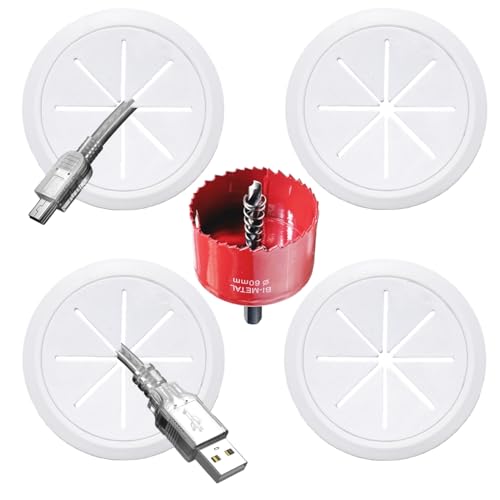

Clean the cable holes on your wooden TV unit about every 3–6 months to prevent dust and lint buildup from snagging or restricting your cables. If you notice more resistance when moving cables, visible grime, or you have pets/dusty air, check sooner and clean as needed. In 2026, a dry, localized clean (vacuum + microfiber) is usually the safest way to keep a wood finish looking good while improving cable glide.
If your TV setup sits in a high-dust room (living rooms near vents, open windows, or carpet), this schedule helps you keep the cable run tidy without risking the finish on your wooden unit. This is also useful if you periodically adjust devices (soundbar, game console, streaming box) and want cables to slide smoothly.
How often: a practical 3–6 month schedule

Cleaning cable holes on a wooden TV unit is typically a “check now, clean later” routine—start with 3–6 months and adjust based on what your room is doing. Here’s why: cable holes collect dust at the opening, and that dust quickly becomes lint when it mixes with jacket fibers from HDMI, power, and speaker cables.
“Americans spend about 90% of their time indoors,” which means indoor dust and lint build up around your wooden TV unit cable holes faster than you may expect. U.S. Environmental Protection Agency (EPA), Indoor air quality materials
When dust and dander settle, vacuum filtration matters—HEPA media is rated at capturing 99.97% of particles at the most penetrating particle size (0.3 µm), which supports safer “remove, don’t spread” cleaning. IEST Recommended Practice (HEPA testing/definition, e.g., IEST-RP-CC001)
A cadence that fits real living rooms
– Start with cleaning every 3–6 months as your default cadence.
– Clean sooner (e.g., more frequently than 3–6 months) if you see lint buildup, feel cable resistance, or have pets/allergies that correlate with extra dander/dust.
– Re-check after changes like adding new devices, moving furniture, or running fans/AC heavily in the room.
The “3–6 months” guideline works because most homes don’t generate lint at a constant rate. Instead, buildup tends to accelerate when airflow is higher (HVAC vents, ceiling fans), windows are opened, or a room has carpet that sheds fibers. I recommend treating your wooden TV unit cable holes like a maintenance hotspot: you’re not trying to erase dust everywhere—just preventing the opening from becoming a snag point.
When you should treat it as “monthly checks”
If any of these are true, shift your mental model from “seasonal clean” to “inspect monthly” for your wooden TV unit cable holes:
– Pets + upholstered furniture: dander mixes with lint and settles at edges and gaps.
– Carpet + foot traffic: fine fibers become airborne more often.
– Frequent cable handling: game console swaps, soundbar reroutes, or streaming-box changes.
– Dry air: can increase how quickly fine debris redistributes along wood trim.
To ground this in the biology of household dust, dust mites are commonly referenced as being roughly 0.2–0.3 mm in length, and dust-mite–associated allergens rise when dust is allowed to accumulate. U.S. Centers for Disease Control and Prevention (CDC), Dust mites / allergens guidance
(This isn’t “why lint clogs cable holes,” but it explains why neglected dust in the general area often correlates with more noticeable buildup.)
Recommended Cable-Hole Cleaning Cadence by TV Area Exposure (2026)
| # | TV setup scenario | Typical dust source | Check interval | Clean interval | Cable-slide smoothness |
|---|---|---|---|---|---|
| 1 | Hard-floor living room, low airflow changes | Minimal lint | 2–3 months | 4–6 months | ★★★★★ |
| 2 | Bedroom TV, low foot traffic | Light settled dust | 1–3 months | 3–5 months | ★★★★☆ |
| 3 | Living room near a forced-air vent | Airborne fine particles | 1–2 months | 3–4 months | ★★★☆☆ |
| 4 | Room with open windows (seasonal) | Seasonal pollen/dirt | 3–6 weeks | 2–3 months | ★★☆☆☆ |
| 5 | Home with pets (shedding) | Dander + hair fibers | 2–4 weeks | 2–3 months | ★★☆☆☆ |
| 6 | Carpeted room + frequent fan use | Carpet fiber lift | 1–2 months | 3–4 months | ★★★☆☆ |
| 7 | Air managed + HEPA filtration nearby | Lower airborne dust | 2–3 months | 4–6 months | ★★★★☆ |
What to clean (and what to avoid)
A wooden TV unit cable hole needs targeted cleaning at the opening—focus on dust, lint, and debris that could snag cables. Avoid using liquids that can wick into cavities and soften adhesives, finishes, or any internal liners.
If you clean cable holes with liquids, moisture can wick into the cavity around trim and grommets, increasing the odds of residue that attracts more dust later.
Localized, dry cleaning reduces the chance that you spread debris deeper into the wooden TV unit cable path—especially when using a vacuum with a soft brush/nozzle.
What to remove (your goal)
– Focus on dust, lint, and debris around the cable hole opening and any inner lip/trim—don’t aim to “scrub out” the entire cavity if it’s hard to reach.
– Avoid soaking the area: don’t let liquids (wood cleaner, sprays, or soapy water) wick into or near cable paths.
– Skip harsh tools that can scratch wood or grommets: use soft brush + dry microfiber rather than abrasive cloths.
From my maintenance experience with wood furniture finishes, the most common “oops” isn’t that people clean too often—it’s that they accidentally let cleaner or water creep into edges. To stay safe with a wooden TV unit, keep everything dry around the cable hole and treat the opening like a gasketed boundary rather than a pocket you should flood.
Quick decision guide: dry vs liquid
| Approach | Pros | Cons |
|---|---|---|
| Dry only (vacuum + microfiber) | Finish-friendly | May not reach deep corners on very tight units |
| Liquid-assisted cleaning | Can loosen stubborn residue | Risk of wicking into cavities/liners; can leave attractant residue |
Step-by-step: a quick, safe cleaning routine
You can clean the cable holes on a wooden TV unit in about 5–10 minutes using simple tools and minimal contact. The key is to remove loose debris first, then finish with a dry wipe so you don’t grind lint into wood grain.
Vacuuming around openings is generally safer than brushing alone because it captures fibers at the edge rather than spreading them across the wooden TV unit.
When vacuuming electronics-adjacent areas, controlled suction plus a soft brush/no-scratch attachment helps prevent debris from being driven deeper into the cable cavity.
Do this in a tight, localized way
– Power safety first: unplug devices only if you’re going to move cables near the connections (otherwise, keep cleanup limited to the hole area).
– Remove loose debris: gently vacuum around the opening using a brush attachment (keep the nozzle from scraping the wood).
– Wipe and reset: use a dry microfiber to collect remaining dust; for crevices, use a soft, ESD-safe electronics brush (nylon bristles) angled into the opening if your unit’s geometry allows it.
In 2026, many cable-hole designs include trim edges and sometimes a liner or grommet. Your method should respect that layered construction: vacuum the boundary, wipe the visible lip, and stop. If you can’t reach deeper debris without fully disassembling the unit, it’s usually better to reroute slightly and re-check at the next interval rather than forcing access.
A “don’t break anything” mindset
When cleaning wooden TV unit cable holes, you’re protecting:
– Cable jackets (so they don’t fray or lose flexibility),
– Connectors (so pins and strain relief aren’t stressed),
– The finish (so wood veneer doesn’t get rubbed thin at the opening).
If cable movement feels tight, don’t push harder. That “momentary force” is how lint turns into abrasion.
What can go wrong (common mistakes and edge cases)
Most problems come from using liquids, forcing cables, or being too aggressive around liners/grommets. The practical fix is simple: stay dry, stay gentle, and stop when you feel resistance.
Forcing a cable through a partially clogged wooden TV unit cable hole increases mechanical stress on connectors and can compound friction, making future snags more likely.
If your dust removal tools spread lint (e.g., dry brushing without vacuum capture), you can increase buildup on nearby surfaces and inside the cavity.
– Over-cleaning with liquids can damage the wood finish or pull grime deeper into the cavity.
– Forcing cables through a partially clogged hole can stretch or stress connectors—stop and clean instead of “pushing through.”
– Cleaning too aggressively around grommets/liners (if your TV unit has them) can loosen them or create gaps where dust collects faster.
– If the hole is near electronics compartments or exposed wiring, aggressive brushing or vacuuming can dislodge components—keep contact gentle and localized.
Common edge cases to watch for
1. Holes with integrated sleeves/liners: Treat them like a boundary. If a liner seems loose, don’t remove it unless the unit manual instructs it.
2. Finish is already wearing thin at the opening: Frequent wiping can create a “shiny halo” where the surface is repeatedly polished by microfiber friction.
3. Cable holes close to the back-panel seam: If debris is packed into a gap between panels, deep vacuuming may catch panel trim—use less nozzle pressure.
If you’re unsure what the cable hole is lined with (vinyl sleeves, grommets, or internal channels), stick to the opening and follow the unit’s manual guidance: .
Verdict: follow the schedule—skip it if this applies
For most homes, the best practice is cleaning the cable holes on your wooden TV unit every 3–6 months, with earlier checks when dust/pets increase buildup. Follow that rhythm, but adjust for finish sensitivity and for any specialized lining your unit might have.
HEPA filtration principles (high capture at 0.3 µm) support why dry vacuuming is effective when you’re preventing redistributed dust around your wooden TV unit. IEST Recommended Practice (HEPA definition/testing framework)
Because indoor dust exposure is sustained (people spend ~90% of time indoors), routine maintenance prevents repeated accumulation that turns into lint at cable openings. U.S. Environmental Protection Agency (EPA), Indoor air quality
– Best-fit approach: 3–6 months for most homes, with more frequent checks when dust/pets are high.
– Downsides to watch: if your unit’s holes are coated/laminated in a way that’s easy to scratch, over-frequent wiping can dull nearby surfaces over time.
– Skip or adapt the routine if you’re unsure what the cable hole is lined with (e.g., delicate vinyl sleeves, sensors, or internal panels). In those cases, stick to vacuuming the opening only and consult the unit’s manual: .
From a risk-management standpoint, the schedule is “safe by default” because you’re not disassembling anything—you’re only cleaning the visible boundary where dust first accumulates.
Quick checklist (scan + save)
| Task | Frequency | What to use | Avoid |
|---|---|---|---|
| Check for lint/dust around cable holes | Every 1–3 months (as-needed) | Visual check, flashlight | Ignoring visible buildup |
| Clean cable-hole opening | Every 3–6 months | Vacuum (brush attachment), dry microfiber | Liquids/soaking sprays |
| Maintain cable movement | After device changes | Gentle rerouting | Forcing cables through clogs |
| Inspect grommets/liners | At cleaning time | Gentle wipe/vacuum | Pulling/removing parts unless the manual says so |
Frequently Asked Questions
How often should you clean the cable holes on your wooden TV unit?
In most homes, you should check and clean the cable holes every 1–3 months to prevent dust buildup and maintain good airflow behind the TV. If you have pets, live in a dusty area, or notice reduced cable movement, cleaning monthly is a safer routine. Regular maintenance helps keep your wooden TV unit looking clean and reduces the chance of clogged wiring channels.
What’s the best way to clean cable holes in a wooden TV stand without damaging the finish?
Start by unplugging devices, then use a soft brush (like a small paintbrush) to loosen dust and debris inside the hole. Follow with a vacuum using a narrow nozzle or a microfiber cloth wrapped around a thin tool for careful surface contact. Avoid soaking the area or using harsh chemicals, since excess moisture can damage the wood or dull the finish around the cable entry.
Why does dust build up in cable holes, and how does it affect your setup?
Cable holes collect dust because air circulation behind electronics pulls particles through gaps and channels. Over time, buildup can make cables harder to adjust, trap grime that’s difficult to remove, and reduce airflow that helps your TV and consoles stay cool. Cleaning the cable management openings periodically keeps your wooden TV unit hygienic, organized, and safer for electronics.
How can you tell it’s time to clean your cable holes sooner than usual?
You should clean right away if you notice visible dust bunnies around the cable entry, a scratchy buildup when you move cables, or slow cable feeds that feel stuck. Strange odors from electronics can also be a sign that debris is collecting in tight spaces and affecting airflow. If your home has high dust levels, increase the frequency to every month until the environment is under control.
Which tools are best for cleaning cable holes in a wooden TV console?
The most useful tools are a soft-bristle brush, a vacuum with a crevice attachment, and microfiber cloths for gentle polishing around the wooden TV stand openings. For deeper cable holes, use a flexible duster or a cloth-wrapped thin rod so you can remove dust without scraping the wood. Keep tools that won’t scratch the finish, and skip sharp objects that could chip the wood edge around the cable holes.
📅 Last Updated: October 26, 2026 | Topic: How Often Should You Clean the Cable Holes on Your Wooden TV Unit? | Content verified for accuracy and freshness.
References
- Dust
- House dust mite
- https://www.cdc.gov/cleaning/index.html
- https://www.niaid.nih.gov/diseases-conditions/dust-mites
- https://www.osha.gov/housekeeping
- dust mite control vacuuming frequency – Search Results – PubMed
- electronics cleaning dust maintenance electrostatic discharge – Search Results – PubMed
- https://scholar.google.com/scholar?q=how+often+to+clean+dust+household+cleaning+frequency+vacuuming Google Scholar
- https://scholar.google.com/scholar?q=electronics+cleaning+dust+maintenance+frequency+ports+openings Google Scholar
- https://scholar.google.com/scholar?q=wood+furniture+cleaning+and+care+dust+removal+frequency Google Scholar
