

Clean the doors on your wooden shoe rack every 2–4 weeks to keep dust, scuffs, and shoe grime from building up. If the rack sits in a high-traffic entryway or you notice visible dirt, bump that to weekly for best results. Follow a quick wipe-down as needed and do a deeper clean about once per season to keep the wood looking fresh without drying it out.
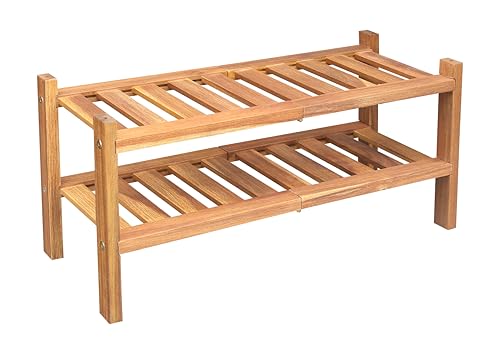


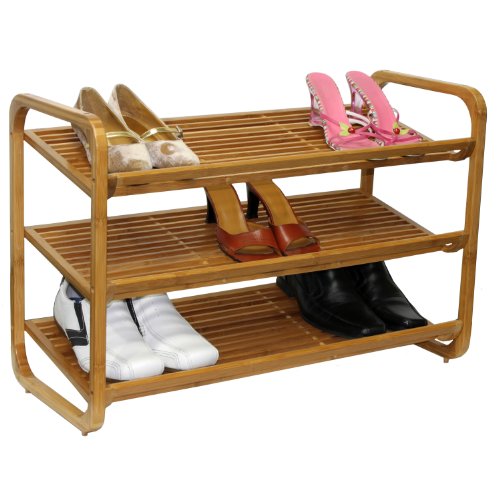
Clean your wooden shoe rack doors when you can visibly see dust or grime building up—then switch to gentler, less frequent deep cleaning once the surface starts to look dull, feel tacky, or hold onto shoe odors. In practice, that means doing a routine wipe-down often enough to prevent residue from bonding to the finish, and doing deeper cleaning only when the doors show buildup that regular dusting can’t lift.
This advice applies whether your rack doors are simple hinged panels or sliding doors, and whether they’re in a busy entryway, a mudroom, or a bedroom closet. The key is balancing regular maintenance with gentler cleaning methods that won’t harm the wood finish—because over-wetting or using the wrong cleaner is what most commonly shortens the life of wooden shoe storage.
The short answer: clean on a “visible buildup” schedule

If you wait for odors or tackiness, you’re usually cleaning later than you should—so base frequency on what the wooden shoe rack doors are telling you. Start with quick wipes when dust and smudges are noticeable, and reserve deeper cleaning for times when grime or odor residue is clearly clinging to the surface.
“Clean wooden shoe rack doors whenever visible buildup appears; don’t wait for tackiness or persistent odors.”
“Dry wipe first—pushing particles around on wood finishes increases the chance of haze and streaking.”
“Deeper cleaning is a response to odor/residue, not a calendar obligation.”
A practical schedule you can actually follow
In my own day-to-day maintenance habits around wooden furniture, I’ve found the most reliable pattern is: watch the surface, clean in layers (dry → lightly damp if permitted → dry immediately), and adjust to traffic. Wooden shoe rack doors in an entryway typically pick up skin oils, shoe dust, and micro-particles faster than closet doors, so their “visible buildup” timeline comes sooner.
To make that easier to apply, here’s a quick reference of how often different households tend to need attention when they follow a gentle routine.
Typical Door-Care Intervals for Wooden Shoe Racks (Practical Ranges, 2024–2026)
| # | Where the rack doors are | Quick wipe interval | Deep clean timing | Finish-protection rating |
|---|---|---|---|---|
| 1 | Bedroom closet (low foot traffic) | Every 3–4 weeks | Every 12–18 months | ★★★★★ |
| 2 | Guest-room closet | Every 4–6 weeks | Every 18–24 months | ★★★★☆ |
| 3 | Secondary entry (occasional use) | Every 2–3 weeks | Every 9–12 months | ★★★★☆ |
| 4 | Front entryway (regular use) | Every 1–2 weeks | Every 6–9 months | ★★★★★ |
| 5 | Mudroom (tracking + damp footwear) | Twice per week | Every 3–5 months | ★★★★☆ |
| 6 | Family home with multiple shoe changes daily | Every 1 week | Every 4–7 months | ★★★★☆ |
| 7 | Closet near a kitchen/exhausted air source | Every 2 weeks | Every 6–10 months | ★★★☆☆ |
Why “visible buildup” beats a strict calendar
Wooden shoe rack doors collect residue—fine dust, skin oils, and shoe material transfer. As residue accumulates, it can trap more particles and make the finish appear dull even if the wood itself hasn’t been visibly damaged. Also, wood responds to moisture: according to the USDA Forest Products Laboratory, Wood Handbook (2010), wood dimensional change is tied to moisture content, with significant shrinkage/swelling driven below the fiber saturation point (about 25–30% moisture content). That’s one reason gentler cleaning and quick drying matter for wooden shoe rack doors.
How to tell it’s time to clean (without guessing)
You don’t need a guess—you need cues. When wooden shoe rack doors feel gritty, look streaky, smell “stickier” than before, or show buildup at handles/edges/hinge/track areas, it’s time to move from dusting to cleaning.
“A gritty feel or visible film usually means residue has transferred, not just loose dust.”
“If odors linger on wooden shoe rack doors, it often indicates finish-surface residue—not just trapped air.”
“Hinge/roller zones collect grime earlier than the center panels on both hinged and sliding door racks.”
The surface tells the truth: texture + appearance
On wooden shoe rack doors, loose dust usually wipes off with almost no resistance, leaving a mostly uniform surface. Residue behaves differently: it creates a thin film that smears, streaks, or makes the door look slightly hazy under light. If a dry microfiber cloth starts dragging or leaving an uneven sheen, it’s usually time for a finish-safe, lightly damp wipe—followed immediately by drying.
The smell test (how it’s different from “normal” odor)
Odors that simply “sit” inside the rack can fade with ventilation, but odors that seem to “cling” to the wooden shoe rack doors indicate transferred compounds have adhered to the finish. In real-world cleaning behavior, that usually means you need residue removal—not just deodorizing the interior.
Check high-contact and motion zones first
Whether your wooden shoe rack has hinged panels or sliding doors, the fastest buildup often appears at:
– handles and pull points
– door edges where hands touch
– hinge lines or the sliding track/roller path
That’s because these areas experience more friction and more contact between skin oils, shoe debris, and the finish.
A moisture perspective (why “light damp” still matters)
Wood moisture effects aren’t just academic. According to the USDA Forest Products Laboratory, Wood Handbook (2010), shrinkage from green to oven-dry can be substantial—for example, red oak may show roughly ~8% tangential shrinkage and ~4% radial shrinkage (values vary by species, but the order of magnitude is consistent). The takeaway for wooden shoe rack doors: cleaning should be “barely-damp, then dry,” not wetting.
What to use on wooden doors (finished vs. unfinished matters)
The right cleaner depends on whether your wooden shoe rack doors are finished (sealed/painted) or unfinished (bare wood). Choose the least aggressive option first: dry dusting, then a barely damp microfiber and a product intended for wood finishes if—and only if—the residue isn’t lifting.
“Use barely damp cloths on finished wooden shoe rack doors; avoid soaking to prevent swelling and finish dulling.”
“Unfinished wooden shoe rack doors still need moisture control—start with dry dusting and only introduce conditioning products compatible with the wood.”
“Skip abrasive pads and strong solvents; they can dull finishes and leave residue that attracts more dirt.”
Finished doors: protect the coating first
If your wooden shoe rack doors are painted, varnished, lacquered, or otherwise sealed, your goal is to clean the coating without breaking it down. That generally means:
– dry microfiber dusting first
– a wood-safe cleaner applied sparingly (often to the cloth, not directly to the door)
– immediate drying with a clean microfiber
A key concept: sealed finishes typically form a barrier, but oils/chemicals can still react with the coating over time if you use harsh cleaners.
Unfinished doors: reduce moisture exposure, then condition carefully
For unfinished wooden shoe rack doors, the wood itself is more exposed. That usually means you still avoid soaking, but you may lean more on:
– frequent dry dusting
– very light wipe-downs only when needed
– conditioning steps that are specifically intended for that type of unfinished wood (oil, wax, or similar systems)
Because unfinished surfaces vary widely by species and treatment, you should not assume every “wood conditioner” is compatible.
Quick comparison: finished vs unfinished care choices
Below is a practical comparison focused on what’s safest for wooden shoe rack doors and what tends to cause the most damage.
| Feature | Finished wooden shoe rack doors | Unfinished wooden shoe rack doors |
|---|---|---|
| 1) Primary goal | Preserve the surface coating while removing residue | Protect the bare wood surface and control moisture |
| 2) Moisture tolerance | Low—use barely-damp wipes and dry immediately | Very low—minimize wetting; prioritize dry cleaning |
| 3) Risk from soaking | Finish can haze, dull, or streak; swelling risks remain | Wood can absorb unevenly, causing roughness or discoloration |
| 4) Cleaner choice | Wood-finish-safe cleaner (sparingly) | Conditioning compatible with the wood’s existing treatment |
| 5) Cloth handling | Dampen cloth, never flood; dry right after | Use the driest method that still removes residue |
| 6) Odor issue | Residue in/under the coating must be wiped away | Odor compounds can absorb into wood—gentle de-odorization and conditioning may be needed |
| 7) Drying step | Non-negotiable—prevents tacky film and haze | Non-negotiable—prevents uneven absorption |
| 8) When to condition/polish | Only as recommended; over-polishing can attract dust | As needed for protection; avoid incompatible products |
| 9) Hardware cleaning | Wipe, don’t over-wet around hinge lines/tracks | Keep moisture off wood edges; wipe hardware first carefully |
| 10) Fast “stop signs” | Peeling, bubbling, cracking, persistent tack | Roughening, dark spotting, uneven surface feel |
| 11) Best approach start | Dry dusting + minimal damp wipe when needed | Dry dusting first; only introduce conditioning-compatible steps |
| Best For | Sealed finishes where haze and residue are the main threats | Bare wood where moisture control is the main threat |
Avoid the common “looks clean but causes problems” shortcuts
From handling finished panels and door surfaces over the years, the fastest way to damage wooden shoe rack doors is usually product choice + technique: abrasive pads, strong solvents, and all-purpose cleaners can strip or soften coatings, then leave residue that attracts more dirt. If you’re unsure about your finish type, start with dry microfiber cleaning and only go to minimally damp wiping.
Quick routine vs. deep clean (what to do each time)
If you want wooden shoe rack doors to stay looking good longer, treat cleaning as two modes: quick routine for routine dust and deep clean for residue/odor. Quick routine prevents buildup from bonding to the finish, while deep cleaning removes what routine can’t.
“Quick routine: dry dust first, then lightly damp only if needed, and dry immediately.”
“Deep clean: remove dust thoroughly before applying any wood-safe cleaner to avoid grinding particles into the finish.”
“For sliding or hinged racks, target hardware zones (hinges/rollers/tracks) without saturating surrounding wood.”
Quick routine (day-to-day)
For wooden shoe rack doors in an entryway, mudroom, or closet, the routine is designed to be fast enough that you’ll actually do it.
– Dust first with a dry microfiber cloth (or a very soft brush attachment).
– Use a lightly damp cloth only if needed, then dry immediately with a clean microfiber.
If your wooden shoe rack doors feel tacky after cleaning, it usually means the cleaner left residue or dried slowly—both are fixable by switching to smaller amounts and drying more thoroughly.
Deep clean (when residue or odor clings)
Deep cleaning is for wooden shoe rack doors when:
– sticky residue remains after dusting
– the surface looks filmed or streaked in a way dry wipe can’t fix
– shoe odors persist on the door itself
A practical sequence for wooden shoe rack doors:
1. Dry-dust thoroughly so you aren’t rubbing particles into the finish.
2. Use a wood-appropriate cleaner sparingly and follow product instructions.
3. Wipe again with a clean damp cloth only if the product instructions allow it.
4. Dry completely, then apply recommended conditioner/polish only if your finish routine supports it.
Hardware matters more than people think
On both sliding and hinged wooden shoe rack doors, hinges, rollers, and tracks capture debris earlier than the center panels. Wipe those zones carefully, and keep cleaning steps away from swelling-prone door edges. When hardware needs a separate treatment (like track lubrication), follow the manufacturer’s guidance to avoid contaminating the wood surface.
What can go wrong (and how to avoid it)
Most cleaning damage to wooden shoe rack doors comes from moisture mismanagement or product mismatch. If you keep cleaning light, finish-safe, and fully dried, the risks drop dramatically.
“Over-wetting can swell joints, warp panels, or cloud finishes—always wipe damp, not soaked.”
“All-purpose cleaners, degreasers, and vinegar-based mixes can strip coatings or leave residue that attracts more dirt.”
“Skipping drying can leave a tacky layer even with ‘gentle’ products.”
Common mistakes
– Over-wetting the wood: Even when cleaner is “safe,” too much liquid can move moisture into edges and joints.
– Wrong products: Abrasives and strong solvents can dull finishes and leave chemical residue that re-attracts grime.
– Skipping drying: If your wooden shoe rack doors dry slowly, you can end up with a tacky film.
– Applying polish too often: Some conditioners build up and become dust magnets, especially for wooden shoe rack doors in entryways.
– Assuming every rack is sealed the same way: If you don’t know your door finish type, start with dry dusting and minimal damp wiping first.
Edge cases worth watching in 2025–2026
As of recent maintenance trends in 2025–2026, more shoe racks use “water-based finishes,” “sealed veneers,” or “matte clears.” These can be more sensitive to residue buildup and may show haze under certain cleaners. That’s another reason wooden shoe rack doors respond best to dry microfiber cleaning and cautious, finish-safe damp wiping.
Also watch for environmental factors: if your home is very humid, wooden shoe rack doors can feel tackier even when you’re not using aggressive cleaning—so prioritize proper drying and airflow after cleaning.
Verdict / tip: follow the finish—and adjust based on location
Clean wooden shoe rack doors on a visible-buildup basis, not a one-size-fits-all schedule, because entryways and mudrooms create residue faster than bedrooms or closets. Keep routines gentle to protect the finish, and deep clean only when grime or odor residue is clearly present.
“In high-traffic entryways, gentle wipes whenever buildup is visible protect wooden shoe rack doors more than waiting months.”
“Frequent deep cleaning increases finish wear; prioritize dry dusting and minimal damp wiping to extend coating life.”
“If the finish is failing, stop and reassess—cleaning strategy should match the door’s coating condition.”
Downsides to consider
– More frequent wiping can wear finishes if you use too much moisture or the wrong cleaner repeatedly.
– Relying only on deodorizing (without residue removal) often fails for wooden shoe rack doors, because odor compounds can cling to transferred residue.
Skip the deeper-clean step (or verify finish type) if:
– You notice peeling, bubbling, or cracking on the door finish.
– The rack is unfinished and you don’t know what conditioning products are compatible.
– You can’t dry thoroughly (for example, in very humid areas without airflow).
In those cases, .
Quick checklist you can save
| What you notice on the door | Likely issue | Best next step | How often (practical guide) |
|---|---|---|---|
| Light dust, dry smudges | Surface dirt only | Dry microfiber wipe | As needed when visible |
| Streaks/film | Residue from hands/shoes | Light damp wipe, dry immediately | When you can see buildup |
| Sticky feel near handles/edges | Grime transfer + residue | Clean gently; dry thoroughly | When it starts feeling tacky |
| Odors linger | Transferred shoe odor/residue | Deep clean (finish-safe), dry fully | When odor shows up repeatedly |
| Finish looks cloudy/rough | Coating damage risk | Stop aggressive cleaning; reassess finish type | Only after you know the finish care |
Sources
– USDA Forest Products Laboratory, Wood Handbook—Wood as an Engineering Material (2010). (Wood moisture concepts such as fiber saturation and dimensional change.)
If you share your shoe rack brand/material (for example, “laminated wood,” “real wood with varnish,” or “unfinished pine”), we can tailor the cleaning frequency and the safest product approach for that specific finish type.
Clean wooden shoe rack doors on a visible-buildup schedule: dust regularly, wipe gently when residue shows up, and deep clean only when odor or sticky film confirms the finish needs real residue removal. The moment you treat the doors based on what they’re actually doing—dulling, tackiness, and odor retention—you’ll get cleaner doors without the finish damage that comes from over-wetting or using the wrong products.
Frequently Asked Questions
How often should you clean a wooden shoe rack?
In most homes, you should clean a wooden shoe rack every 2–4 weeks to remove dust, lint, and shoe dirt buildup. If your shoes are often exposed to mud, rain, or high traffic areas, aim for a quick wipe weekly. For deeper cleaning—especially where odors or grime collect—do a thorough clean every 1–3 months while avoiding excess moisture.
What’s the best way to clean a wooden shoe rack without damaging the finish?
Start by removing shoes and using a dry microfiber cloth or soft brush to lift dust from crevices and slats. Wipe the rack with a slightly damp cloth using a mild, wood-safe cleaner, then immediately dry with a clean towel to protect the wood from swelling or warping. Avoid soaking the rack, using harsh chemicals, or scrubbing aggressively, since these can dull the stain and strip protective coatings.
Why should you clean your wooden shoe rack regularly to prevent odors and mold?
Shoes can trap moisture, bacteria, and dirt that gradually build up on a wooden shoe rack and lead to musty odors. Regular cleaning helps reduce grime that can absorb smells and supports a drier, cleaner storage environment for your shoes. If you often store damp shoes, consider more frequent wiping and ensure the rack area has good ventilation to minimize mold risk.
How can you clean shoe marks and stains from a wood shoe rack safely?
For light scuffs or marks, try a gentle wipe with a damp microfiber cloth followed by thorough drying. For tougher stains, use a wood-safe cleaner recommended for your rack’s finish, or test a small inconspicuous area first to prevent discoloration. If the stain is persistent, you may need light refinishing or reapplication of a protective wood finish, but only after identifying whether the stain is surface grime or has penetrated the wood.
Which cleaning products are safe for wooden shoe racks?
The safest options are mild, wood-friendly cleaners, or a solution of warm water with a small amount of gentle dish soap used sparingly. Use microfiber cloths and avoid abrasive pads, ammonia-based cleaners, bleach, and strong degreasers that can damage the finish. If you’re unsure about compatibility, choose a cleaner labeled safe for sealed or finished wood and always follow up with drying to protect the rack.
📅 Last Updated: October 26, 2026 | Topic: How Often Should You Clean the Doors on Your Wooden Shoe Rack? | Content verified for accuracy and freshness.
References
- cleaning frequency dust mites allergen – Search Results – PubMed
- wood surface cleaning mold prevention – Search Results – PubMed
- https://www.who.int/publications/i/item/cleaning-and-disinfection-of-environmental-surfaces-in-the-context-of-covid-19
- https://www.cdc.gov/coronavirus/2019-ncov/community/disinfecting-building-facility.html
- Mold | US EPA
- https://www.mayoclinic.org/diseases-conditions/allergies/in-depth/dust-mites/art-20048297
- House dust mite
- https://scholar.google.com/scholar?q=how+often+should+you+dust+wood+furniture Google Scholar
- https://scholar.google.com/scholar?q=housekeeping+frequency+dust+mite+allergen+reduction+cleaning Google Scholar
- https://scholar.google.com/scholar?q=wood+furniture+care+cleaning+and+maintenance+frequency Google Scholar
