How Often Should You Clean Your Sewer Line?
Cleaning your sewer line is essential for maintaining a healthy plumbing system, and it’s generally recommended to do so every 1 to 2 years. This frequency can vary based on several factors, including your household size and plumbing usage. In this article, you will learn the signs that indicate it’s time for cleaning, the benefits of regular maintenance, and how to schedule this important task effectively.
Understanding Sewer Line Cleaning
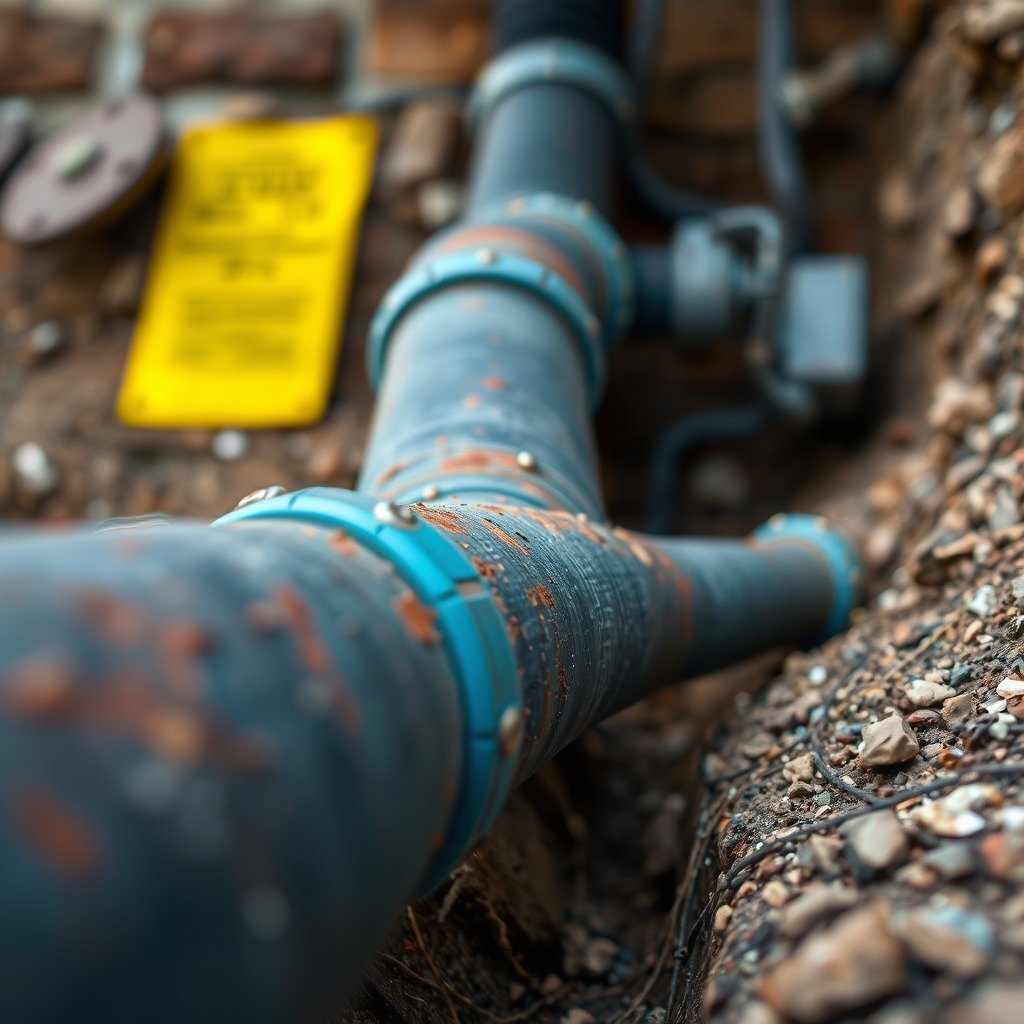
Sewer line cleaning refers to the process of clearing blockages and debris from the pipes that facilitate wastewater drainage from your home. The primary purpose of sewer line cleaning is to prevent clogs that can lead to more severe plumbing issues or even sewage backups, which can be costly and hazardous. Various methods are employed for cleaning sewer lines, including hydro jetting, snaking, and chemical treatments. Hydro jetting utilizes high-pressure water jets to dislodge stubborn obstructions, while snaking involves using a flexible auger to break up blockages. Chemical treatments can help dissolve grease and debris but should be used with caution to avoid damaging pipes.
Signs You Need to Clean Your Sewer Line
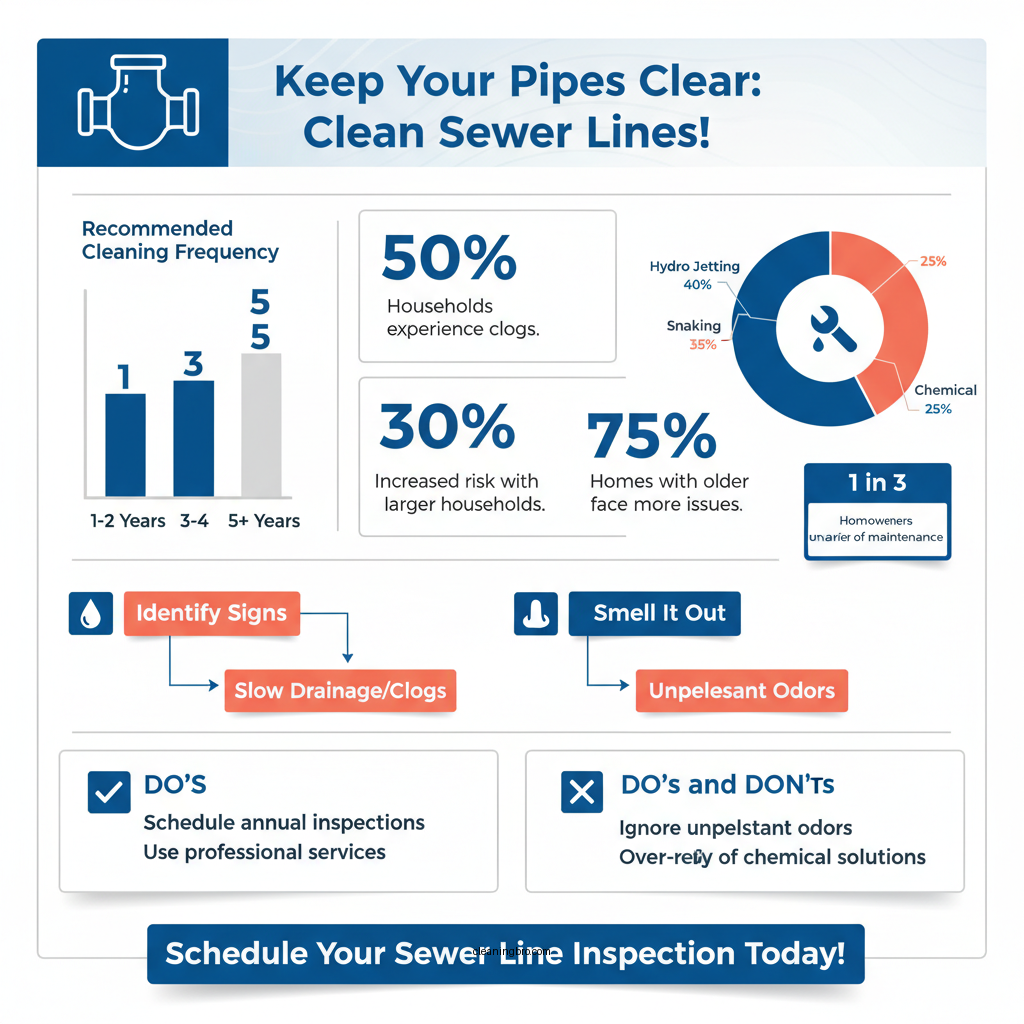
Several signs indicate it may be time to clean your sewer line. One of the most common indicators is frequent clogs or slow drainage in multiple fixtures, such as sinks, toilets, and bathtubs. If you notice that water is draining slower than usual or if you have to plunge your toilet frequently, it may signal a blockage in your sewer line.
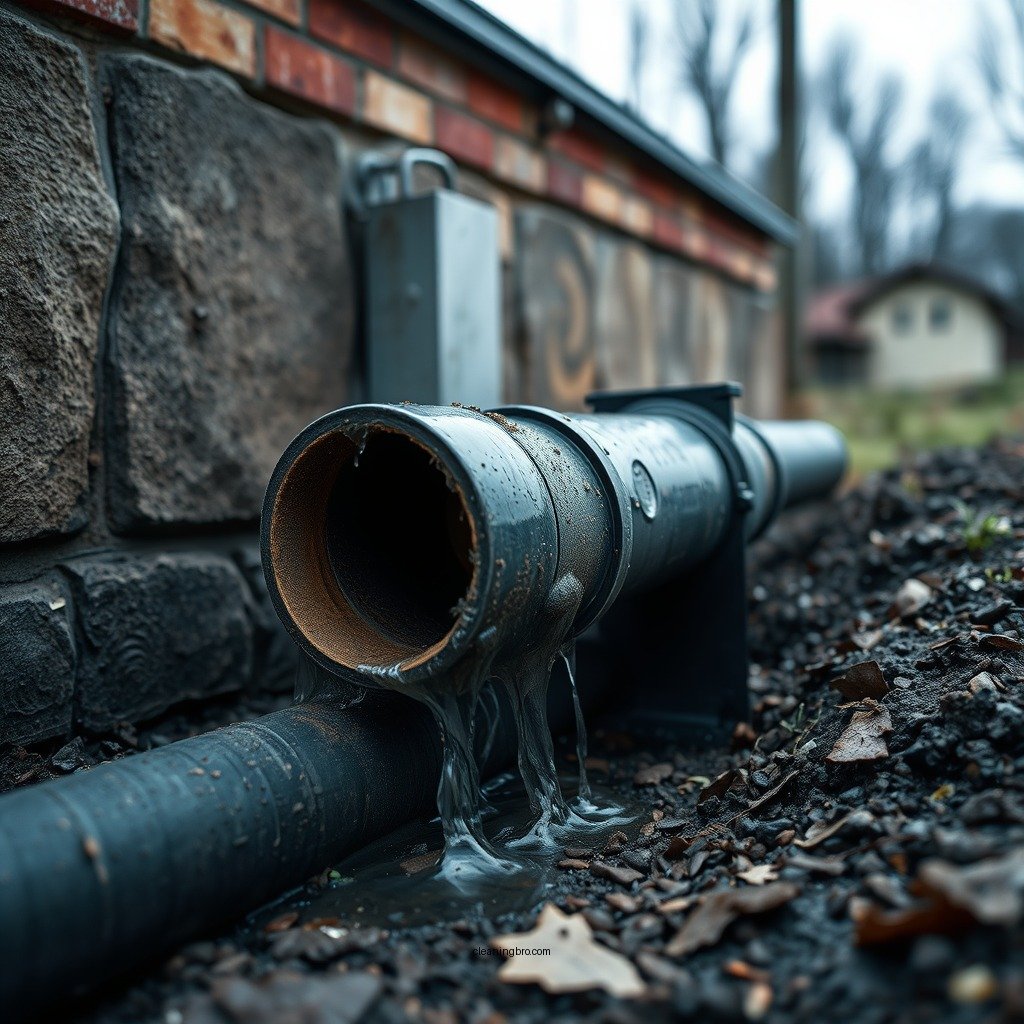
Another critical sign is unpleasant odors emanating from drains or your yard. A foul smell can indicate stagnant water or sewage backing up in your pipes. Additionally, if you see water pooling in your yard or near the cleanout access point, it could signify a break or clog in the sewer line. Addressing these issues promptly can help prevent more severe plumbing problems.
Factors Influencing Cleaning Frequency

Several factors influence how often you should clean your sewer line. One of the most significant factors is household size and plumbing usage patterns. Larger families with high water usage may need to clean their sewer lines more frequently than smaller households. If you have multiple bathrooms, frequent laundry, or use a garbage disposal, consider cleaning your sewer line at least once a year.
The age of your plumbing system is another factor to consider. Older pipes, particularly those made from clay or cast iron, are more susceptible to tree root intrusion and corrosion, leading to blockages. If your home has an older plumbing system, scheduling an inspection and cleaning every year can help maintain optimal function and prevent costly repairs.
📋 DATA
Common Signs Indicating Sewer Line Cleaning Needs (2023)
| # | Sign | Frequency | Severity Level |
|---|---|---|---|
| 1 | Frequent Clogs | Monthly | High |
| 2 | Slow Drainage | Weekly | Medium |
| 3 | Unpleasant Odors | Daily | High |
| 4 | Pooling Water | As Needed | High |
| 5 | Gurgling Sounds | Weekly | Medium |
| 6 | Frequent Backup | Monthly | High |
| 7 | Loss of Water Pressure | As Needed | Medium |
Benefits of Regular Sewer Line Cleaning
Regular sewer line cleaning offers several benefits that can enhance your plumbing system’s performance and longevity. One of the most significant advantages is the prevention of costly repairs and emergency services. Clogged sewer lines can lead to severe issues, including pipe bursts and sewage backups, which can result in extensive damage to your property and substantial repair costs.
Furthermore, routine maintenance improves plumbing performance. Clean pipes facilitate smoother water flow, reducing the likelihood of slow drains and clogs, thereby enhancing the overall efficiency of your plumbing system. Additionally, regular cleaning can extend the lifespan of your pipes, saving you money in the long run and ensuring a functional plumbing system.
How to Clean Your Sewer Line
When it comes to cleaning your sewer line, you have two main options: DIY cleaning methods or hiring professional services. DIY methods may include using a plumbing snake to remove minor clogs or employing a mixture of baking soda and vinegar for minor blockages. However, these methods may not be effective for severe blockages and could potentially cause damage to your plumbing if not done correctly.
For thorough cleaning, professional services are recommended. Licensed plumbers have access to advanced equipment, such as hydro jetting systems that can effectively remove tree roots, grease buildup, and other stubborn obstructions. When hiring a professional, ensure they are experienced and provide a thorough inspection before cleaning to assess the condition of your sewer line.
🔀 COMPARISON
DIY Methods vs Professional Cleaning Services
| Feature | DIY Methods | Professional Services |
|---|---|---|
| Cost | Low | Higher |
| Effectiveness | Limited | Comprehensive |
| Time | Variable | Quick |
| Risk of Damage | Higher | Minimal |
| Tools Required | Basic | Advanced |
| Frequency | As Needed | Annual |
| Inspection | None | Included |
| Long-term Solution | No | Yes |
| Satisfaction Guarantee | None | Yes |
| 🏆 Best For | Budget-conscious homeowners | Thorough and safe cleaning |
Scheduling and Maintenance Tips
The best times of year to schedule sewer line cleaning are typically during the spring or fall. These seasons are ideal because they allow for better weather conditions, making it more convenient for plumbing professionals to perform their work. Additionally, scheduling cleaning during these times can help prevent potential issues that may arise during heavy rainfall or winter months when pipes are more susceptible to freezing.
Keeping a maintenance log can be beneficial for tracking plumbing issues and scheduling future cleanings. Documenting any signs of trouble, such as slow drainage or unpleasant odors, can provide valuable insight when discussing issues with your plumber. Consistently monitoring your plumbing system will help ensure timely interventions, reducing the risk of severe clogs and costly repairs.
What to Expect During a Professional Cleaning
When you schedule a professional sewer line cleaning, you can expect a thorough assessment of your plumbing system. The technician will likely conduct an inspection using a video camera to assess the condition of your pipes. This inspection helps identify any cracks, breaks, or significant blockages.
The cleaning process itself usually involves hydro jetting, which can take anywhere from 1 to 3 hours, depending on the severity of the blockage and the length of your sewer line. After the cleaning, the technician may recommend follow-up actions based on their findings, such as repairs or maintenance to prevent future issues.
Regularly cleaning your sewer line can save you from significant headaches and expenses down the road. By keeping an eye out for warning signs and adhering to a maintenance schedule based on your specific circumstances, you can ensure your plumbing system remains in top shape. Consider consulting a professional for an assessment and to get on a regular cleaning schedule today.
Frequently Asked Questions
How often should I clean my sewer line to prevent clogs?
It’s generally recommended to clean your sewer line every 1 to 2 years to prevent clogs and buildup. However, if you experience frequent blockages or have an older plumbing system, you may need to clean it more often. Regular maintenance can help avoid costly repairs and extensive damage to your plumbing system.
What are the signs that indicate my sewer line needs cleaning?
Common signs that your sewer line needs cleaning include slow drains, recurring clogs, foul odors coming from drains, and gurgling noises in pipes. If you notice any of these issues, it’s essential to schedule a professional sewer line cleaning to avoid severe plumbing problems.
Why is it important to clean my sewer line regularly?
Regular cleaning of your sewer line is crucial to prevent severe blockages and backups that can lead to expensive repairs and health hazards. Cleaning helps remove grease, tree roots, and debris that accumulate over time, ensuring the smooth flow of wastewater and preventing potential damage to your home.
What is the best method for cleaning a sewer line?
The best method for cleaning a sewer line is hydro jetting, which uses high-pressure water to clear out stubborn clogs and buildup effectively. Unlike traditional snaking, hydro jetting can thoroughly clean the pipes, removing debris and preventing future issues, making it a preferred choice for homeowners seeking long-term solutions.
Which professionals should I hire for sewer line cleaning?
It’s best to hire a licensed and experienced plumber or a plumbing company that specializes in sewer line cleaning. Look for professionals with positive reviews and proper certifications to ensure they use safe and effective methods, such as hydro jetting or camera inspections, to assess and clean your sewer line efficiently.
References
- https://www.epa.gov/septic/faq-septic-systems
https://www.epa.gov/septic/faq-septic-systems - https://www.nsf.gov/news/special_reports/septic/faq.jsp
https://www.nsf.gov/news/special_reports/septic/faq.jsp - https://www.mayoclinic.org/healthy-lifestyle/adult-health/in-depth/septic-tank-care/art-20044999
https://www.mayoclinic.org/healthy-lifestyle/adult-health/in-depth/septic-tank-care/art-20044999 - https://www.sciencedirect.com/topics/earth-and-planetary-sciences/sewer-cleaning
https://www.sciencedirect.com/topics/earth-and-planetary-sciences/sewer-cleaning - Sewer | Design, Maintenance & Repair | Britannica
https://www.britannica.com/science/sewer - https://www.cdc.gov/healthywater/drinking/cleaning.html
https://www.cdc.gov/healthywater/drinking/cleaning.html - Google Scholar Google Scholar
https://scholar.google.com/scholar?q=how+often+to+clean+sewer+line - Google Scholar Google Scholar
https://scholar.google.com/scholar?q=sewer+line+maintenance - Google Scholar Google Scholar
https://scholar.google.com/scholar?q=cleaning+sewer+systems - how often to clean sewer line – Search results
https://en.wikipedia.org/wiki/Special:Search?search=how+often+to+clean+sewer+line