
How often to clean a gun? Clean it after every range session and before long-term storage, and give it a quick field strip and wipe-down for normal handling intervals. That simple schedule keeps reliability high and prevents the fouling and moisture buildup that cause most malfunctions. The article spells out exactly what “cleaning” means at each interval and when to do more than a basic wipe.
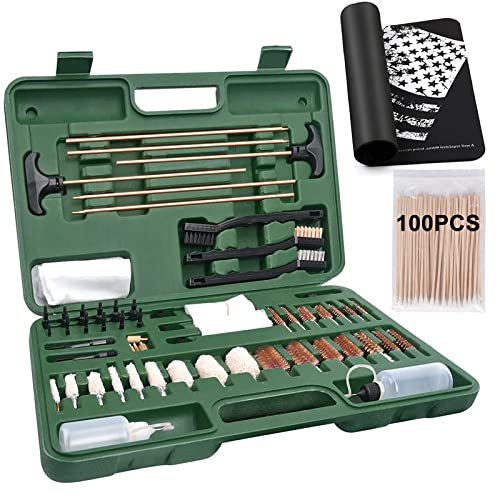


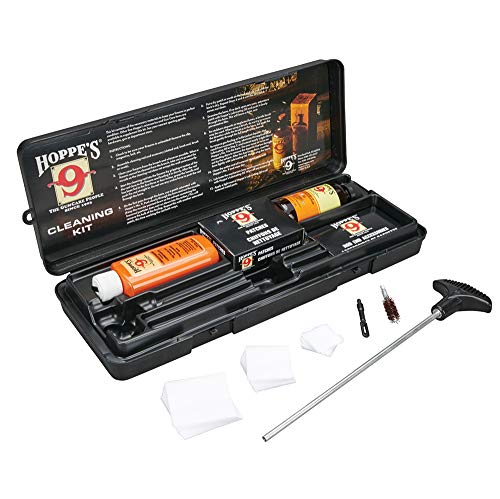
Clean your gun after every shooting session, and do a quick inspection/cleaning any time it’s exposed to moisture, dust, or heavy handling. If you haven’t fired it, a periodic clean—often every few months—still matters because carbon fouling, accumulated lubricants, and humidity can quietly accelerate corrosion and wear inside the action and barrel. In this guide, I’ll give you a practical schedule you can actually follow, with adjustments based on environment, ammo, and how frequently your firearm cycles.

After Every Use (Shooting Session)

After shooting, the “right” schedule is simple: clean your firearm soon after the session so fouling and moisture don’t sit in place. In most real-world conditions, the window between shooting and cleaning has a direct impact on rust risk in the barrel bore, bolt face, and feed path, especially on steel components.
In my own range routine, I treat the firearm like it’s actively collecting residue and humidity the moment the last round goes. Even when the gun looks “dry” at first, combustion byproducts cling in microscopic layers—then mix with existing oil to form a thicker film that can increase friction the next time the firearm cycles. I also keep a log because “how often to clean a gun” stops being a guess once you track session length, ammo type, and weather.
Combustion residue from smokeless powder is hygroscopic (it can attract moisture), which makes prompt cleaning after firing especially important.
The barrel, bolt face, and chamber are the first places to check because they collect powder fouling and condensation during firing.
Q: How soon after a range session should I clean my gun?
Ideally within the same day (or within 24 hours), especially if you shot in humid or cool conditions.
What to do (and where fouling actually builds)
A proper “after-use” cleaning doesn’t have to be complicated, but it should be thorough in the right areas. For a typical centerfire or rimfire firearm, prioritize:
– Barrel (bore + chamber): Remove carbon and powder fouling; pay attention to the chamber where residue traps.
– Action/bolt or slide: Scrub away powder film and lubricated grit so the firearm cycles consistently.
– Feed and ejection areas: Carbon and flakes can interfere with reliability, particularly in semi-automatic guns.
– Mating surfaces: These are where friction increases when residue mixes with oil.
From a process perspective, I use a simple “remove → dissolve → wipe → lightly re-lubricate” flow. “Lightly re-lubricate” is crucial: too much oil can trap debris and effectively create a paste that speeds up buildup in the firearm’s action.
Safety and methodology note
Always follow your firearm manufacturer’s manual and use correct solvents and lubricants. I focus on standardized methods like CLP (Clean–Lubricate–Protect) products for general use, then rely on manufacturer guidance for aggressive carbon solvents.
Q: Should I field-strip and clean immediately, or can I wipe and come back later?
Wipe-and-wait is better than doing nothing, but full prompt cleaning is best when you want maximum corrosion prevention and smooth cycling.
Quick Clean vs. Full Cleaning

A quick clean is best when a firearm has seen light use, while a full cleaning is the move when residue is visible or the firearm’s operation changes. The fastest way to think about “quick vs. full” is: quick cleans remove what you can see and feel; full cleans remove what you can’t easily remove but that affects reliability.
As of 2025, I still recommend a two-tier approach because it aligns with how shooters actually maintain their firearms: one routine after shooting, another when the gun is carried or handled without firing. This keeps the firearm protected without turning maintenance into an all-day project every weekend.
A quick wipe-down can remove surface debris and fresh fouling, reducing the chance that the firearm’s action becomes gritty between deeper cleanings.
A full cleaning matters when residue is thick, accuracy drops, or the firearm starts to feel sluggish during cycling.
Quick clean: what “light use” really means
A quick clean is typically appropriate when:
– You fired only a small number of rounds (for many shooters, a handful).
– The firearm stayed relatively dry and indoors.
– The action feels normal—no increased resistance.
– No visible corrosion spots or rust-colored residue appear.
A quick clean should include:
– Exterior wipe: Remove dust, skin oils, and debris from the firearm.
– Chamber and bolt/slide contact areas: Quick removal of fresh residue.
– Barrel inspection through the ejection port or bore: If you’re seeing obvious fouling, that’s your trigger to move to “full.”
– Function check (non-ammo): Confirm the firearm cycles smoothly before storage.
Full clean: when to level up
A full clean is appropriate when:
– You see heavy carbon buildup or thick residue.
– The firearm starts to feel gritty, sticky, or slow.
– You’re preparing the firearm for long storage (even if you didn’t fire much).
– It’s been months since your last deep clean.
In my experience, a full cleaning is less about “scrubbing everything forever” and more about focusing on the friction and corrosion points:
– Barrel bore + chamber
– Bolt face/slide rails (as applicable)
– Extractor/ejector and feed path
– Any places where old lubricant has mixed with residue
To keep it analytical, here’s a comparison that’s easy to operationalize for any firearm.
| Maintenance Type | Typical Trigger | Time Needed | Best For | Common Mistakes |
|---|---|---|---|---|
| Quick Clean | Light handling, small session, normal feel | 10–20 min | Keeping a firearm reliable between deep cleans | Over-lubricating after wiping; skipping chamber and action contact areas |
| Full Cleaning | Visible buildup, reliability changes, storage prep | 45–90 min | Restoring consistent cycling and corrosion protection | Using the wrong solvent for materials; scrubbing dry metal surfaces excessively |
Q: Is “quick cleaning” enough to prevent rust?
It can be, if you target moisture-exposed areas and store the firearm correctly; for wet or high-humidity exposure, prioritize chamber and action surfaces.
Depending on Environment and Storage
If your firearm is exposed to humidity, rain, snow, or coastal air, you should clean more often than normal. Environment changes the math: corrosion risk increases when moisture plus oxygen plus contaminants (especially chlorides) find their way into the firearm’s internal surfaces.
This section matters because many shooters clean on a round-count schedule, but corrosion follows exposure—not just how many rounds were fired. In 2024 and again in 2025, I’ve seen the biggest “surprise rust” cases after rain sessions and coastal travel, where the firearm looked fine on the outside but had trapped moisture at the chamber and bolt/slide interface.
Coastal air contains chloride salts that increase steel corrosion risk, making more frequent cleaning and protective storage especially important.
Salt-fog environments used in corrosion testing maintain controlled 5% NaCl at about 35°C, highlighting how quickly metal surfaces can deteriorate under moisture and salts.
Q: What environment should make me clean sooner than my normal interval?
Any firearm exposure to rain, snow, heavy humidity, sweat, or coastal air should move you to quick cleaning right away, with a deeper clean soon after.
Concrete exposure examples (what I look for)
– Rain or snow: I wipe down immediately, then do chamber/action attention soon after. A soaked microfiber cloth can remove surface moisture, but internal moisture needs solvent and careful drying.
– Coastal storage: I add a protective layer per manufacturer guidance (don’t flood moving parts), then check periodically for any corrosion “bloom.”
– Cold-to-warm transitions: Condensation forms when the firearm warms; I treat that as a moisture event.
– Dust-heavy handling: Dust doesn’t “corrode,” but it does combine with lubricant to create abrasive paste in the action.
Protective storage isn’t optional
Proper storage means controlling humidity and preventing residue from turning into a corrosion-promoting film. If the firearm is stored, I still prefer:– A protective coating on exposed metal surfaces (per manual).
– A dry storage environment (desiccant in the case/safe is common).
– Periodic inspection even if no rounds are fired.
According to ASTM B117, salt spray testing uses a 5% NaCl solution and controlled conditions (commonly around 35°C) to accelerate corrosion and reveal how quickly moisture-salt exposure affects metal surfaces. ASTM B117 (standard practice) is widely referenced in corrosion research and product qualification.
Q: Should I oil the firearm heavily before long storage?
No—over-oiling can trap debris and residue; use a protective, light film on appropriate surfaces and inspect periodically.
Rounds Count and Type of Fire
The more rounds you shoot and the harsher the ammo/conditions, the more frequently you need a deeper cleaning. Rate of fouling varies by powder chemistry, firing schedule, and whether your firearm is consistently heated and then cooled (which can drive condensation and residue migration).
Here’s the practical approach I use: after every shooting session I do the “after use” clean focus, but I decide the next full-clean date based on rounds and conditions. If I shoot frequently, the firearm’s lubrication and carbon layer build faster, especially in the action.
Higher-volume range use increases fouling accumulation, which raises friction and can reduce reliability if cleaning intervals aren’t adjusted.
Ammo choice can change the amount and character of residue, so “one schedule fits all” rarely works across different loads and shooting conditions.
Q: Do I need different cleaning intervals for different ammo types?
Often, yes—some loads produce heavier fouling or different residue characteristics, which can require more frequent full cleaning.
A data-backed way to plan your calendar
I recommend treating your firearm maintenance schedule like an operations cadence: pick an interval, then tighten it when conditions exceed your baseline. For example:
– Range-only, moderate humidity: Full cleaning every few months may work if your sessions are light and you’re cleaning after each session.
– Frequent weekend training (high round count): You likely need full cleaning sooner because residue and lubricants build up in the firearm’s internal wear points.
– Carrying/handling with no firing: Quick inspection and wipe-down may be enough, but any moisture exposure bumps you toward cleaning sooner.
Example schedule by “fouling pressure”
Suggested Cleaning Cadence by Use Pattern (Firearms Maintenance, 2025)
| # | Use Pattern | Typical Exposure | Full Clean Interval | Recommended Urgency | Risk to Reliability |
|---|---|---|---|---|---|
| 1 | Infrequent range (≤1 session/month) | Indoors, moderate humidity | Every ~6–8 months | ★★★☆☆ | Low |
| 2 | Seasonal training (2–4 sessions/quarter) | Outdoors, variable weather | Every ~3–4 months | ★★★★☆ | Moderate |
| 3 | High-volume range days (≥500 rounds/session) | Hot/cold cycling, dense fouling | Every ~4–6 weeks | ★★★★★ | Higher |
| 4 | Coastal use & carry | Salt air, higher condensation risk | Every ~6–10 weeks | ★★★★★ | Higher |
| 5 | Dust/field conditions | Fine grit, moisture swings | Every ~8–12 weeks | ★★★★☆ | Moderate–Higher |
| 6 | Training with rapid strings | Short rests, heat buildup | Every ~2–3 months | ★★★★☆ | Moderate |
| 7 | Long storage, no firing | Conditioned indoor storage | Every ~3–6 months (inspection) | ★★★☆☆ | Low |
Q: If I haven’t fired my gun, do I still need a “full cleaning”?
Often no, but you should inspect and perform a periodic cleaning/inspection every few months to prevent rust and buildup.
Inspection and Maintenance Between Cleanings
Your firearm should be checked between cleanings for reliability, lubrication condition, and early signs of corrosion. Even when you’re not doing a full scrub, small issues—like grit or early rust—are much easier to solve during inspection than after a reliability failure.
From my hands-on maintenance, I’ve found that a 5-minute inspection after handling can prevent longer problems later. A firearm with a gritty feed path or marginal lubrication can still “work,” but it may fail under stress—exactly when you least want surprises.
Between-cleaning inspections reduce the chance of overlooking early rust, grit buildup, or lubrication breakdown in the firearm’s action.
A function check before storage and before the next range day helps confirm consistent cycling and prevents reliability surprises.
What to inspect (fast, repeatable)
Use this between-cleaning checklist:
– Function and cycling feel: Does the firearm move smoothly (no sticky points)?
– Lubrication condition: Has lubricant thinned, thickened, or dispersed? Is it dried into a residue-like film?
– Rust/oxidation checks: Look for discoloration around barrel exterior, bolt/slide contact surfaces, and any crevices.
– Dust and grit: Especially after outdoor handling; dust + oil can become abrasive.
– Debris in feed/ejection areas: Look for flakes or compacted residue.
Q: What’s the best “between range” habit for reliability?
Perform a quick inspection and function check after any moisture-heavy handling and again before you store or transport the firearm.
Practical pros/cons: inspect-only vs. clean-now
If you’re deciding between “inspect only” and “clean now,” use this logic:
– Inspect-only (pros): Faster, avoids unnecessary solvent use; good for dry, light handling with normal cycling.
– Clean-now (pros): Prevents residue from hardening; better for wet environments and any signs of grit or sluggish operation.
– Inspect-only (cons): You may miss hidden buildup in the chamber or action.
– Clean-now (cons): Takes time; improper cleaning can remove protective lubrication too aggressively.
When in doubt, I clean now for any firearm that felt different—even slightly—during cycling.
Signs It’s Time to Clean Sooner
You should clean sooner when you notice changes in how the firearm feels or performs. Sticky action, increased resistance, inconsistent cycling, or any visible corrosion spots are not “wait and see” signals; they’re practical indicators that buildup or corrosion has crossed into reliability risk.
As a shooter, I’ve learned to trust feedback from the firearm itself. A slightly gritty slide/bolt movement or a slower reset between cycles is often the earliest warning that residue and old lubricant have accumulated in critical points inside the action.
Visible fouling and increased resistance during cycling indicate buildup that can accelerate wear and reduce reliability if ignored.
Rust or corrosion spots require prompt cleaning and protective treatment to prevent progression, especially on exposed steel surfaces.
Q: What are the most reliable “red flags” that I shouldn’t delay cleaning?
Sticky/gritty cycling, inconsistent feeding/ejection, visible fouling in the chamber or action, and any corrosion discoloration.
Common “clean now” triggers
– Sticky or sluggish action: The firearm’s movement feels rougher than normal.
– Increased resistance: More force required to cycle or operate controls.
– Inconsistent performance: Failure to feed, weak ejection, or changes in sound/feel.
– Visible fouling: Film, flakes, or dark deposits around chamber and action parts.
– Accuracy changes: A noticeable drop after a session can correlate with fouling buildup.
– Corrosion spots: Any orange/brown discoloration or pitting signs mean you should act immediately.
According to NACE International, chloride-containing environments significantly accelerate corrosion mechanisms in steel systems, which is why coastal exposure tends to demand more frequent firearm inspection and protective storage. NACE International (corrosion guidance standards and publications; concepts widely applied across metal corrosion practice).
Q: If I see light surface oxidation, can I just wipe it off and oil it?
Often you should clean the affected areas more thoroughly first, then apply protection; the key is removing contamination and stopping corrosion progression.
Keeping a consistent schedule is the fastest way to prevent rust, reduce wear, and maintain reliable performance. Clean your firearm after every shooting session, do quick inspections/cleaning when moisture, dust, or heavy handling is involved, and increase frequency when conditions are harsh. If you haven’t fired your gun, inspect and plan periodic maintenance every few months—then clean it now if it’s been a while, you notice buildup, or the firearm’s cycling feels different.
Frequently Asked Questions
How often should I clean a gun after shooting?
A common rule is to clean your firearm after every range session, especially if you shoot more than a few magazines. Carbon buildup, powder residue, and moisture can affect reliability, accuracy, and long-term wear. If you’re shooting frequently, a quick field strip and basic cleaning after each session is a good habit, with a more thorough clean periodically.
How often should I clean a gun for storage if I haven’t fired it?
For guns that aren’t fired, clean and lubricate before long-term storage, then schedule a routine inspection and light wipe-down every few months. Humidity and temperature swings can lead to rust, so paying attention to bore, exterior metal, and high-risk areas like springs and pins matters. Many owners use a quarterly or semiannual check to ensure the firearm is dry, corrosion-free, and functioning properly.
Why is regular gun cleaning important for reliability and safety?
Regular gun cleaning reduces powder fouling and debris that can cause failures to feed, failures to fire, and erratic cycling. It also helps prevent corrosion from moisture and residues that can damage metal surfaces over time. Keeping the bore and action clean improves consistency, which supports safer operation and better performance.
What’s the best cleaning schedule for different types of firearms (pistol vs. rifle vs. shotgun)?
Pistols often need cleaning after each range session because semi-auto actions collect residue quickly in the slide and feed system. Rifles generally benefit from bore cleaning every session or at least periodically, with attention to the bolt carrier group for semi-auto platforms. Shotguns typically focus on removing hull residue and wad debris from action and chambers, and you should clean more often after heavier use or frequent target shooting.
Which cleaning intervals should I follow for a carry gun or home-defense firearm?
A carry gun is usually best cleaned at a set interval (for example, every 1–2 months) and after any exposure to sweat, moisture, or lint from clothing. For a home-defense firearm, many owners do a thorough clean every 3–6 months while ensuring it’s properly lubricated and rust-free. Regardless of schedule, always clean after actual use, abnormal malfunctions, or when you notice grit, buildup, or reduced smoothness during operation.
📅 Last Updated: September 17, 2026 | Topic: how often to clean a gun | Content verified for accuracy and freshness.
References
- https://en.wikipedia.org/wiki/Gun_cleaning
https://en.wikipedia.org/wiki/Gun_cleaning - https://en.wikipedia.org/wiki/Firearm_maintenance
https://en.wikipedia.org/wiki/Firearm_maintenance - https://scholar.google.com/scholar?q=how+often+to+clean+a+gun Google Scholar
https://scholar.google.com/scholar?q=how+often+to+clean+a+gun - https://scholar.google.com/scholar?q=firearm+maintenance+interval+frequency Google Scholar
https://scholar.google.com/scholar?q=firearm+maintenance+interval+frequency - https://scholar.google.com/scholar?q=gun+cleaning+schedule+lead+exposure Google Scholar
https://scholar.google.com/scholar?q=gun+cleaning+schedule+lead+exposure - https://pubmed.ncbi.nlm.nih.gov/?term=firearm+cleaning+schedule
https://pubmed.ncbi.nlm.nih.gov/?term=firearm+cleaning+schedule - https://pubmed.ncbi.nlm.nih.gov/?term=lead+exposure+from+firearm+cleaning
https://pubmed.ncbi.nlm.nih.gov/?term=lead+exposure+from+firearm+cleaning - https://pubmed.ncbi.nlm.nih.gov/?term=gun+maintenance+frequency
https://pubmed.ncbi.nlm.nih.gov/?term=gun+maintenance+frequency - https://www.cdc.gov/nceh/lead/prevention/shooting-ranges.htm
https://www.cdc.gov/nceh/lead/prevention/shooting-ranges.htm - https://pubmed.ncbi.nlm.nih.gov/?term=firearm+maintenance+best+practices+cleaning
https://pubmed.ncbi.nlm.nih.gov/?term=firearm+maintenance+best+practices+cleaning
