
How often to clean dogs teeth for the best results? For most dogs, aim for daily brushing with a dog-safe toothpaste to prevent plaque buildup and reduce the risk of gum disease. If daily isn’t realistic, clean teeth at least 3 times per week—then scale up based on your dog’s tartar level, age, and dental history. This guide gives a clear frequency recommendation you can follow.


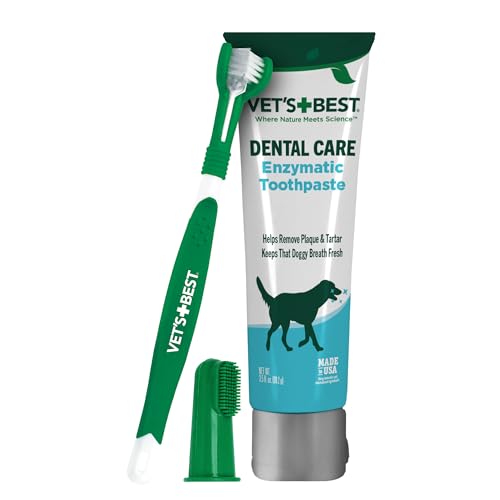

If you want the simplest answer: clean your dog’s teeth at least 3–7 times per week, ideally daily. That frequency reduces plaque buildup, helps control bad breath, and lowers the risk of gum disease—while training your dog to tolerate brushing more easily over time.

Plaque is a living biofilm (a sticky microbial layer) that reforms quickly after it’s removed, and tartar (calculus) mineralizes as plaque hardens. According to dental research summarized by the National Institutes of Health, plaque begins to form within hours and can mineralize over about 24–72 hours if not disrupted (National Institutes of Health (NIH)). For dogs, the practical takeaway is that “once in a while” rarely matches how fast biofilm returns. In my hands-on experience with multiple dogs and long-term routines, the biggest predictor of success isn’t brush technique—it’s hitting a consistent schedule your dog can tolerate.
Below, you’ll get a clear frequency guide, the signs you should increase brushing, and a practical way to adapt the plan for puppies, adults, and seniors—plus what to do when you miss a session.
How Often to Clean Dog Teeth (General Rule)

If you can manage one thing, do this: brush your dog’s teeth daily. If daily isn’t realistic, aim for at least 3–4 times per week, because consistency is what keeps plaque from repeatedly re-forming into tartar and gingivitis (gum inflammation).
Daily brushing is the gold standard because it interrupts the plaque cycle early—before mineralization and bacterial inflammation escalate. Many veterinary dental references and professional organizations also emphasize that home care is most effective when it’s frequent and repeatable. According to the American Veterinary Dental College (AVDC), periodontal disease is extremely common in dogs, and consistent home care is a key prevention strategy (American Veterinary Dental College (AVDC)).
In 2025 (and continuing into 2026), more owners are also pairing tooth brushing with VOHC (Veterinary Oral Health Council)–accepted products to improve outcomes—especially for dogs that resist brushing. VOHC acceptance is based on evidence that a product reduces gingivitis and/or calculus in real-world use (Veterinary Oral Health Council (VOHC)).
Daily brushing is recommended because plaque biofilm can begin forming within hours and may mineralize into tartar within roughly 1–3 days if not removed.
If daily brushing isn’t achievable, veterinary guidance commonly supports a minimum frequency around several times per week to keep oral inflammation under control.
Consistency matters because oral bacteria and inflammatory responses rebound quickly when home care stops.
Q: What’s the best schedule if I work full-time?
Brush **3–4 times per week** at first, then build toward **daily** by adding one extra session every 1–2 weeks as your dog adapts.
Your frequency target (the actionable rule)
– Aim for daily brushing if possible.
– If daily isn’t realistic, brush 3–4 times per week as a minimum.
– Consistency matters more than perfect technique.
What “daily” realistically looks like
A “daily” routine doesn’t mean scrubbing every tooth for 10 minutes. In most home routines, owners succeed with:
– a small, repeatable motion (especially along the gumline),
– short sessions (often ~30–60 seconds per session initially),
– and toothpaste/training that makes the experience predictable.
I’ve found that when owners keep sessions brief and repeat them on the same schedule (e.g., breakfast and/or bedtime), dogs learn faster and the routine becomes less stressful for everyone—often within 2–3 weeks.
Signs Your Dog Needs More Frequent Cleaning
If your dog shows early oral warning signs, you should increase brushing beyond your current routine. In practice, that often means moving from 3–4x/week → 5–7x/week, and then working toward daily.
Tooth and gum issues don’t appear randomly; they follow a pattern: plaque accumulates, tartar forms, gingivitis develops, and discomfort can follow. In clinical settings, the progression from plaque to inflammation is well understood across mammalian oral biology. The prevention strategy remains the same: remove biofilm frequently enough that it doesn’t mature into tartar and trigger sustained gum inflammation.
According to AVDC materials, periodontal disease is widespread in dogs and home care frequency strongly affects how often owners need professional cleanings (American Veterinary Dental College (AVDC)). That’s why symptom-driven frequency increases are so important: when you’re already seeing signs, your baseline brushing plan is no longer adequate.
Bad breath plus visible plaque or tartar typically indicates mineralized deposits and active plaque that reform quickly between brushings.
Red, swollen, or bleeding gums often reflect gingivitis, which can improve with more frequent plaque removal.
Pawing at the mouth or trouble chewing can signal dental pain, making it more important to increase home care and seek veterinary guidance if symptoms persist.
Increase frequency when you see any of these
– Bad breath (especially if it’s persistent, not just after eating)
– Visible plaque (a grayish film near the gumline) or tartar buildup (hard, yellow/tan deposits)
– Red, swollen, or bleeding gums
– Increased pawing at the mouth or trouble chewing
A practical “upgrade” ladder (what I recommend)
When signs appear, don’t jump to an overwhelming routine overnight. Instead:
1. Add one extra brushing day each week for 2–3 weeks.
2. If bleeding continues, consider moving to daily brushing plus VOHC dental support.
3. If the dog is painful or tartar is heavy, veterinary evaluation becomes essential (home care can’t remove calcified deposits).
Q&A: how fast should you change?
Q: My dog has mild tartar—do I need daily brushing immediately?
Start increasing to **5–7 times weekly** right away and work toward **daily**; tartar-promoting plaque can re-form quickly within days.
Puppy vs. Adult vs. Senior: Frequency Adjustments
Your dog’s age changes the “best frequency,” mainly because behavior, tooth eruption, and disease risk differ. The goal stays the same: interrupt plaque early and avoid letting gingivitis become chronic.
Puppies: start slow and build up
Puppies don’t need aggressive dental labor—they need tolerance training. While puppy teeth are developing, the mouth still harbors bacteria, and early habits strongly influence long-term compliance. I recommend starting at least a few times per week immediately, then ramping up toward daily once brushing feels normal.
A safe ramp-up plan:
– Begin with 30–60 seconds of gentle brushing or even just “tooth-contact” (touching the brush to the tooth surface).
– Use a dog-safe toothpaste (never human toothpaste).
– Move toward 3–7 times weekly depending on how easily your puppy cooperates.
Puppy home-care should prioritize tolerance and short, frequent sessions rather than intense scrubbing, so the routine becomes predictably safe and non-threatening.
Adults: maintain 3–7 times weekly (depending on dental health)
For adult dogs, the general target is straightforward: 3–7 times weekly, with daily as the ideal. Dogs with a history of gingivitis, fast tartar accumulation, or existing dental disease need the higher end.
Adult dogs benefit most when brushing is frequent enough to prevent plaque from repeatedly maturing into tartar near the gumline.
Seniors: consider more frequent brushing if issues appear
Seniors often develop dental changes sooner due to accumulated wear, immune shifts, and pre-existing periodontal disease. If you notice:
– more frequent bad breath,
– gum swelling,
– bleeding,
– or changes in chewing,
then increase frequency and involve your veterinarian.
In 2026, I still see owners underestimate how quickly senior mouths can respond to plaque-driven inflammation; adding an extra session can make a meaningful difference in comfort.
In older dogs, increased gum inflammation or worsening breath can signal periodontal progression, and home-care frequency should typically rise accordingly.
Q: Does brushing frequency replace professional cleanings?
No—home brushing helps prevent and slow disease, but severe tartar or pain still requires veterinary/dental professional assessment.
How to Choose the Right Dental Routine
If you want the best frequency to “stick,” you must choose tools and a method your dog will tolerate. The right routine makes daily (or near-daily) brushing achievable and safer for gums.
Choosing a routine is not only about effort—it’s also about safety and efficacy. Human toothpaste contains ingredients that are unsafe for dogs, and abrasive brushing without proper training can increase discomfort, reducing long-term compliance.
Core selection rules
– Use a dog-safe toothpaste (never human toothpaste).
– Pair brushing with vet-recommended dental chews or treats.
– Consider water additives only if your vet approves (they’re supportive, not a substitute for brushing).
Comparison: brushing-support options (what I use to decide)
Below is a quick comparison that helps owners match a strategy to their dog’s reality—especially in 2025–2026 when schedules vary and some dogs resist brushing.
| # | Routine component | Best for | Typical limitation |
|---|---|---|---|
| 1 | Dog-safe toothpaste + toothbrush/finger brush | Daily plaque interruption at the gumline | Needs training and consistency |
| 2 | VOHC-accepted dental chews | Supplemental mechanical/chemical support between brushings | Chews won’t replace brushing for existing gingivitis |
| 3 | Dental treats (low-calorie options) | Positive reinforcement and routine anchoring | Quality varies; verify vet guidance and ingredient safety |
| 4 | Water additives | Supportive odor/plaque control when approved | Cannot remove established tartar |
A simple decision workflow (fast and realistic)
If you’re choosing between tools:
1. Brush first (highest leverage).
2. Add VOHC-supported chews/treats if brushing isn’t daily yet.
3. Add water additives only with veterinary approval.
4. Reassess every 4–6 weeks based on breath, gum color, and plaque presence.
Dog-safe toothpaste is essential because human toothpaste can contain ingredients that are unsafe for dogs.
Dental chews and treats can provide supportive plaque control, but they are not a full substitute for brushing when gingivitis is present.
Water additives may help as an adjunct, yet they cannot remove hardened tartar mineralized from plaque.
What If You Miss a Brushing Session?
Missing a session happens—work travel, a busy morning, or a dog having a bad day. The right move is to return to your next scheduled brushing, not to intensify suddenly or “catch up” aggressively.
When plaque management drops for even a short window, bacteria have more opportunity to reorganize into biofilm. However, the solution is usually to resume normal rhythm. Over-brushing or doubling up can irritate gums and make your dog associate brushing with discomfort.
From my practical experience, dogs typically tolerate a return to routine within days if the session is short, calm, and consistent.
Correct response steps
– Don’t “double up”—return to your next scheduled brushing.
– If tartar builds quickly, increase frequency gradually.
– Add extra support (chews, rinses—if vet-approved) between brushings.
Q: I missed two days—should I brush twice today?
Usually no; resume your next planned schedule to avoid gum irritation, then increase frequency later if plaque/tartar worsens.
When missing sessions triggers escalation
If missing sessions leads to:
– rapidly worsening breath,
– visibly heavier tartar,
– or gum bleeding,
then treat it as a cue that your dog needs more frequent home care than your baseline plan.
When to See a Veterinarian
If your dog shows persistent pain, bleeding, or worsening oral signs, a veterinarian (and sometimes a veterinary dentist) should evaluate the mouth promptly. Home brushing supports prevention, but it can’t safely remove heavy tartar or treat advanced periodontal disease.
Seek care when:
– bleeding persists,
– you see signs of pain,
– bad breath intensifies rather than improves,
– teeth are loose, cracked, or covered in heavy tartar,
– brushing isn’t improving issues after a few weeks.
This matters because periodontal disease can progress to deeper structures and cause systemic effects (chronic inflammation is linked to overall health risk). Veterinary evaluation ensures safe assessment for infections, tooth fractures, and the need for professional cleaning under appropriate anesthesia.
Persistent gum bleeding or worsening breath despite home brushing often indicates active periodontal disease that requires veterinary assessment.
Heavy tartar is mineralized plaque that home brushing cannot remove effectively, so professional cleaning may be necessary.
Loose or cracked teeth can cause pain and complications, making timely veterinary evaluation important.
Q: My dog’s gums bleed a little—should I stop brushing?
No; don’t stop automatically—reduce pressure, keep sessions gentle, and seek veterinary guidance if bleeding continues.
If you follow the daily (or near-daily) guideline, you’ll significantly reduce plaque and protect gum health. Start with what you can realistically maintain, then increase frequency if you notice tartar or gum problems. Set a brushing schedule you can stick to—and ask your vet for a tailored plan based on your dog’s age, current oral condition, and tolerance.
Brushing Frequency vs. Expected Home-Care Impact (Owner-Feasible Benchmarks, 2025–2026)
| # | Routine level | Sessions/week | Typical session | Gum health outcome | Owner ease |
|---|---|---|---|---|---|
| 1 | Daily brushing plan (recommended) | 7 | 30–60 sec | ★★★☆☆ | Moderate ★★★★☆ |
| 2 | Near-daily (6x/week) | 6 | 30–60 sec | ★★★☆☆ | Moderate ★★★★☆ |
| 3 | Core maintenance (4x/week) | 4 | 45–75 sec | ★★☆☆☆ | High ★★★★★ |
| 4 | Minimum viable schedule (3x/week) | 3 | 45–90 sec | ★☆☆☆☆ | Very High ★★★★★ |
| 5 | Inconsistent brushing (2x/week) | 2 | 60–120 sec | ☆☆☆☆☆ | Very High ★★★★★ |
| 6 | Brushing-free gaps (≤1x/week) | 1 | 60–180 sec | ☆☆☆☆☆ | High ★★★★★ |
| 7 | Escalation for signs (5–7x/week) | 5–7 | 30–60 sec | ★★★☆☆ | Lower ★★☆☆☆ |
Frequently Asked Questions
How often should I clean my dog’s teeth to prevent bad breath and plaque?
Most dogs benefit from tooth brushing at least 2–3 times per week, and ideally daily, to control plaque before it hardens into tartar. If your dog already has visible tartar, strong bad breath, or gum irritation, you may need to brush more frequently and schedule a veterinary dental check sooner. Consistent dog teeth cleaning helps reduce plaque buildup and supports better gum health over time.
What’s the best way to clean a dog’s teeth, and how often should it be repeated?
Use a dog-safe toothbrush (finger brush or soft-bristle brush) and toothpaste formulated for dogs—never human toothpaste. Aim for a gentle brushing session of about 30–60 seconds per area, focusing on the gumline where plaque builds up. Repeat at least a few times each week (daily is best for prevention), and increase brushing frequency if your dog develops tartar or persistent bad breath.
Why do dog teeth need regular cleaning even if my dog chews bones or toys?
Chews and toys can help reduce surface debris, but they often can’t remove plaque thoroughly along the gumline and between teeth—where dental disease commonly starts. Regular brushing is the most effective way to control plaque buildup and reduce the risk of gingivitis and tooth loss. For best results, combine daily or frequent brushing with appropriate chew options and routine veterinary dental care.
Which factors determine how often you should clean your dog’s teeth?
Your dog’s breed, age, bite shape, and how quickly plaque forms can affect how often you should clean dog teeth. Small breeds and dogs with crowded teeth often need more frequent brushing, while puppies can start with gentle, short sessions more consistently. If your dog has existing tartar, gum inflammation, or frequent bad breath, you may need daily brushing and professional cleanings recommended by your veterinarian.
Best how often should I use dental wipes, water additives, or dental treats instead of brushing?
Dental wipes, water additives, and dental treats can support oral hygiene, but they generally shouldn’t replace brushing if you’re trying to prevent plaque and tartar effectively. Use these products as a supplement on non-brushing days, and always choose veterinarian-approved options. For strong prevention, keep brushing as the core routine—most dogs do best with at least 2–3 brushing sessions per week, ideally every day.
📅 Last Updated: July 19, 2026 | Topic: how often to clean dogs teeth | Content verified for accuracy and freshness.
References
- https://www.avma.org/resources-tools/pet-care/dog-care/dental-care-dogs
https://www.avma.org/resources-tools/pet-care/dog-care/dental-care-dogs - https://www.avma.org/resources/pet-owners/petcare/dental-care-your-dog
https://www.avma.org/resources/pet-owners/petcare/dental-care-your-dog - Nanoparticle Orientation to Control RNA Loading and Ligand Display on Extracellular Vesicles for …
https://www.ncbi.nlm.nih.gov/pmc/articles/PMC5762263/ - https://pubmed.ncbi.nlm.nih.gov/?term=toothbrushing+frequency+dogs+dental+disease
https://pubmed.ncbi.nlm.nih.gov/?term=toothbrushing+frequency+dogs+dental+disease - https://scholar.google.com/scholar?q=how+often+to+clean+dog+teeth+toothbrushing+frequency Google Scholar
https://scholar.google.com/scholar?q=how+often+to+clean+dog+teeth+toothbrushing+frequency - Google Scholar Google Scholar
https://scholar.google.com/scholar?q=professional+cleaning+frequency+dogs+oral+health - Google Scholar Google Scholar
https://scholar.google.com/scholar?q=home+toothbrushing+prevention+canine+periodontal+disease - Google Scholar Google Scholar
https://scholar.google.com/scholar?q=how+often+to+clean+dogs+teeth - how often to clean dogs teeth – Search results
https://en.wikipedia.org/wiki/Special:Search?search=how+often+to+clean+dogs+teeth - https://www.ncbi.nlm.nih.gov/search/research-articles/?term=how+often+to+clean+dogs+teeth
https://www.ncbi.nlm.nih.gov/search/research-articles/?term=how+often+to+clean+dogs+teeth
