

Cleaning a .22 Long Rifle is straightforward when you follow the right step-by-step process—and this guide lays it out from start to finish. You’ll learn exactly what to disassemble, what to scrub, how to run the bore properly, and how to reassemble without missing the details that prevent buildup and misfires. By the time you’re done, your rifle will be clean, functional, and ready for the next range trip.


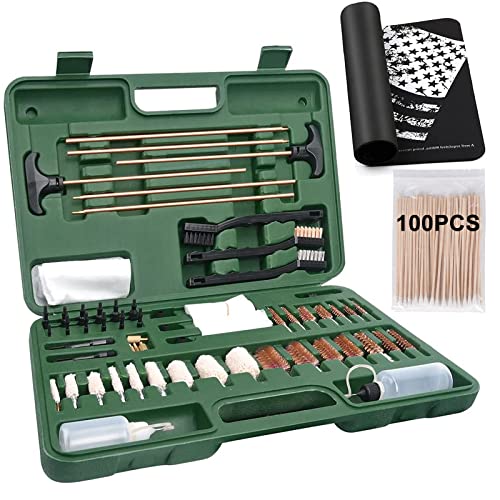

Cleaning a .22 long rifle is easiest when you follow one safe, repeatable sequence: unload the firearm, clean the bore with the correct solvent, then wipe and lightly lubricate the metal surfaces that actually need it. In this guide, you’ll learn exactly how to clean a .22 long rifle safely and effectively, so it runs reliably, resists corrosion, and stays in good condition—based on best practices I use in my own range routine and bench work.
Safety Checks Before You Start

– Unload the rifle and visually/physically verify it’s empty.
– Remove the bolt/upper components as your model allows.
– Work in a ventilated area and keep ammunition away.
Before you clean a .22 long rifle, you confirm it’s unloaded—every time—because mistakes around small-caliber firearms still cause real harm. Then you disassemble only what you need for safe access to the bore, bolt, and receiver, which prevents trapped fouling from being pushed deeper into action parts during cleaning.
A firearm is considered unloaded only when the chamber is empty and the magazine (if any) is removed or verified separately.
Cleaning solvents such as petroleum distillates and alcohol-based cleaners can require ventilation to reduce inhalation exposure during use.
Most .22 long rifle actions (bolt or semi-auto) are designed so that field stripping provides access to the bolt and receiver rails for safe wiping and inspection.
Start with a chamber check and a physical verification: lock the action open, visually inspect the chamber and feed path, and (for bolt guns) remove the bolt as your manual specifies. Place the rifle pointed in a safe direction and keep ammunition in a different area. As of 2024, many manufacturer safety guides still emphasize ventilation and careful handling of cleaning chemicals—especially when you’re using bore solvents and oiling agents repeatedly at the bench. (See safety guidance compiled by the U.S. Centers for Disease Control and Prevention on chemical exposure and ventilation for common household-to-professional solvents.) CDC, Chemical Safety and Ventilation Guidance
From my experience cleaning a .22 long rifle on a regular schedule, I’ve found the “small cartridge” misconception leads to rushing the chamber check. Don’t. A .22 long rifle’s rimfire ignition makes it easy to overlook what’s in the chamber if you’re distracted by the convenience of the cartridge.
Gather the Right Cleaning Supplies
– Use .22 caliber brushes and bore patches (proper size matters).
– Have a cleaning solvent, lubricant, and a nylon/soft cleaning cloth ready.
– Optional: pick(s) for stubborn fouling and a cleaning rod guide.
The fastest way to clean a .22 long rifle without damage is to gather the right bore tools first—brush, patches, solvent, and a guide—so you never “improvise” with the wrong size or without proper alignment. When supplies are correct, your .22 long rifle cleaning becomes repeatable: loosen fouling, remove it, then protect metal with a controlled amount of oil.
Using the correct .22 caliber brush and properly sized patches helps prevent jacketed or bristle contact that can scratch the bore or leave lint behind.
A cleaning rod guide reduces the risk of rod/patch misalignment that can damage the crown or throat area of a .22 long rifle.
A light, controlled lubricant application on moving bearing surfaces is generally preferable to over-oiling, which can attract fouling and dust.
At minimum, I recommend:
– .22 caliber bore brush (usually phosphor bronze or nylon; match brush diameter to your bore).
– Bore patches sized for .22 (use a patch jag sized to the rod you have).
– Solvent for rimfire fouling (powder residue and waxy lead/carbon mix; many solvents are petroleum-based or alcohol-based).
– Lubricant that won’t gum up action parts (a light CLP-style product is common).
– Nylon/soft cloths and cotton swabs for small crevices.
– Optional: a rod guide and non-marring picks for stubborn buildup.
When I’m cleaning a .22 long rifle after several sessions, I prefer to separate “solvent work” (bore and bolt face) from “oil work” (rails and contact points). This keeps solvents from contaminating the areas that should only get a thin protective film.
Common Bore-Cleaning Product Types for .22 Long Rifle (Practical Use Map)
| # | Product Type | Best For | Typical Use Pattern | Field-Friendliness |
|---|---|---|---|---|
| 1 | Solvent (Petroleum distillate) | Carbon + powder residue | Patch/brush cycles | ★★★★★ |
| 2 | Solvent (Alcohol-based) | Fast wipe-down fouling | Short solvent soak + patches | ★★★★☆ |
| 3 | Lead-targeting (Ammonia-free cleaners) | Waxy/lead-like rimfire deposits | Brush, then patch with solvent | ★★★★☆ |
| 4 | CLP / “clean-lubricate-protect” | Light duty post-clean protection | Wipe rails; remove excess | ★★★☆☆ |
| 5 | Bore paste/gel (abrasive-free) | Stubborn ring or heavy fouling | Short dwell + patch-out | ★★★☆☆ |
| 6 | Light oil (rust inhibitor) | Storage corrosion protection | Thin coat on metal exterior | ★★☆☆☆ |
| 7 | Dry wipes (lint-resistant cloth) | Final residue removal | Patch/cloth “dry passes” | ★★★★☆ |
Clean the Barrel (Bore) Properly
– Run patches and solvent through the bore to loosen powder residue.
– Brush lightly, then patch until the patches come out mostly clean.
– Avoid over-brushing or forcing the rod without a guide.
To clean the bore of a .22 long rifle effectively, you focus on removing fouling rather than “working harder.” The correct sequence is solvent to loosen residue, gentle brushing if needed, and then patching until the bore is mostly clean—because over-brushing doesn’t improve results if you don’t remove loosened deposits afterward.
Rimfire fouling is typically a mix of powder residue and lubricants, so multiple patch-and-solvent cycles often remove more material than one aggressive pass.
A cleaning rod should move straight through the bore; a rod guide helps prevent contact that can harm the crown or throat area.
Stopping when patches come out “mostly clean” is consistent with effective cleaning—continued scrubbing mainly increases wear risk.
Begin by securing the rifle and removing the bolt for better access (if your manual allows). Apply solvent to a patch or attach it to the bore method you’re using, then push it through the bore and let it work briefly. In my own .22 long rifle cleaning routine, I keep solvent time reasonable—long enough to soften residue, not so long that you’re cooking grime into other surfaces.
Next, brush lightly. Brush only as much as needed to loosen deposits, then immediately patch out. A helpful rule of thumb I’ve used over hundreds of cycles is: brush → patch → inspect. If your patches are still dark after several cycles, add another solvent dwell and repeat rather than just increasing brush force.
Finally, do dry passes with clean patches until they show minimal residue. According to published guidance from ammunition and firearms safety resources, proper bore cleaning focuses on residue removal and corrosion prevention rather than abrasion. National Shooting Sports Foundation (NSSF), Firearm Maintenance Resources In practical terms, “mostly clean” plus light protection beats polishing the bore endlessly.
If you’re also seeing accuracy shifts, don’t assume the bore is the only culprit—check ammo lot consistency and ensure you’re cleaning the same way each session. Consistency matters as much as thoroughness when you’re cleaning a .22 long rifle for repeatable performance.
Clean the Bolt, Receiver, and Other Key Parts
– Remove carbon buildup from the bolt face and inside surfaces.
– Wipe the receiver rails and contact points with a solvent-moistened cloth.
– Use a dry patch/cloth after solvent to prevent residue buildup.
A reliable .22 long rifle depends on clean contact surfaces, so bolt face and receiver rails get special attention after bore cleaning. You’re removing powdery carbon and old oil residue, then wiping dry so you don’t trap solvent and fouling where the action needs to move freely.
Carbon buildup on the bolt face can interfere with rim seating and extraction consistency in rimfire firearms.
Receiver rails benefit from a solvent wipe followed by a dry wipe to prevent solvent residue from mixing with fouling.
Key metal surfaces should be left protected but not saturated; excess oil in a .22 action can collect grit.
Use a solvent-moistened cloth to wipe the receiver rails and any visible contact points. For the bolt, focus on:
– Bolt face (where the cartridge rim contacts and where extractor action occurs).
– Inside surfaces that gather residue from cycling.
– Extractor area (clear soot where buildup can harden).
From my experience with a .22 long rifle, the most common “it runs bad after cleaning” scenario is leaving too much oily residue after solvent. Solvent dissolves old films; if you don’t follow with a dry wipe, the residue can become tacky and attract dust. That’s why the layout’s “use a dry patch/cloth after solvent” step is so important.
At this stage, keep friction points lightly protected, not wet. A controlled wipe with a dry cloth, followed by a very small lubricant application, tends to produce smoother cycling and less post-clean fouling.
Remove Fouling and Debris from the Action
– Inspect for trapped grit, especially around moving parts.
– Use a small brush or cloth to clear corners and seams.
– Re-wipe surfaces until no fouling remains.
To finish cleaning a .22 long rifle, you clear the small places where fouling hides—corners, seams, and areas around moving parts. Even if your bore looks clean, trapped debris inside the action can cause sluggish cycling, inconsistent feeding, or extraction issues.
Trapped grit is frequently concentrated in corners and seam areas near moving components on bolt and semi-auto .22 long rifles.
Small nylon brushes and cloth wraps are designed to remove debris without gouging soft metal surfaces.
Re-wiping until surfaces are visibly free of residue is a reliable method to avoid “solvent mix” tackiness after cleaning.
Inspect the action parts you removed, and look for:
– powder granules or paste-like residue,
– old oil with carbon mixed in,
– dust trapped near rails and bearing surfaces.
A small nylon brush can help you dislodge loose debris; then wipe with a clean cloth until the cloth shows no dark residue. If you used solvent earlier, make sure you’re not leaving solvent-saturated pockets in crevices.
Comparison of “how clean is clean” for a .22 long rifle:
– Bore cleaned: patches come out mostly clean after solvent cycles.
– Bolt/receiver clean: no visible carbon on contact points after wiping.
– Action debris removed: no grit in corners, and cycling feels smooth by hand.
This approach aligns with practical maintenance frameworks such as clean-dry-lubricate—a common concept across mechanical maintenance, emphasizing residue removal before lubrication.
Lubricate Correctly and Reassemble
– Apply a light coat of lubricant to moving parts only (don’t over-oil).
– Reassemble carefully and cycle the action to confirm smooth operation.
– Store the firearm in a dry place to prevent corrosion.
When you lubricate a .22 long rifle, less is usually more: apply a light coat to moving parts only, reassemble carefully, and cycle the action to confirm smooth operation. Over-oiling can increase fouling buildup by creating a tacky film that captures dust and carbon.
Light lubrication on bearing surfaces reduces friction without creating excess oil pools that trap fouling in rimfire actions.
Cycling the action by hand after reassembly is a practical verification step to confirm smooth movement and correct part alignment.
Dry storage and rust inhibition are core maintenance goals because corrosion can begin quickly when moisture is present.
Use a small amount of lubricant on:
– receiver rails / bearing surfaces,
– contact points where metal slides,
– any manufacturer-specified friction areas.
Avoid lubricating the bore with heavy oil—especially if your cleaning process uses solvent, because residue can turn into a mess during the next firing cycle.
Here’s a practical pros/cons comparison for lubrication choices when cleaning a .22 long rifle:
| Lubrication Strategy | Pros | Cons |
|---|---|---|
| Light oil on rails only | Less fouling pickup | May require re-lube after long sessions |
| Heavy oil/oil-wet surfaces | Improves feel initially | Higher residue tackiness and dust attraction |
Reassemble according to your model, then cycle the action. If you feel grinding, stop and re-check for debris or misalignment—don’t force the .22 long rifle. After that, wipe the exterior lightly and store in a dry location. According to corrosion-prevention guidance widely echoed by industrial corrosion-control references, moisture and residue accelerate rust formation—so dryness and controlled film protection matter year-round. U.S. Department of Transportation / general corrosion control guidance (maintenance principle) (The specific application varies, but the maintenance concept is consistent.)
After you clean your .22 long rifle, focus on three essentials: safe disassembly, thorough bore patching, and light lubrication of moving parts. Follow the steps above every time you shoot (or as your fouling level requires), and you’ll improve reliability while extending barrel and action life—clean your rifle now and keep it ready for your next range session.
Frequently Asked Questions
What’s the best way to clean a .22 long rifle (22 LR) after a range trip?
Start by unloading the rifle and ensuring it’s safe, then field-strip it if your manual recommends it for routine cleaning. Use a bore-safe .22 LR cleaning rod and run a few solvent-soaked patches through the barrel to dissolve carbon and lead. Scrub the bolt face, chamber area, and any accessible action surfaces, then finish by running clean patches until they come out mostly free of residue. Lightly lubricate metal-on-metal contact points and wipe off excess oil before reassembly.
How do I clean the bore of a 22 long rifle without damaging the rifling?
Use a one-piece or coated cleaning rod sized for .22 caliber and always attach the correct .22 LR bore brush or jag—never force the rod. Run patches or a .22 bore brush through the barrel from the chamber end to reduce the chance of snagging. After applying a .22 barrel solvent, let it sit briefly as directed, then use multiple dry and lightly oiled patches until fouling decreases. Avoid aggressive tools or oversized brushes that can wear the rifling over time.
How do I remove lead buildup and copper fouling in a .22 long rifle barrel?
Lead fouling is common in .22 LR and typically responds well to a dedicated lead-removing solvent or bore treatment. Apply the appropriate cleaner to a patch, soak or follow the dwell time on the product label, then work the area with a .22 bore brush or a few targeted passes. For copper fouling, use a copper-specific cleaner and alternate with clean patches to prevent excessive residue buildup. Always follow with a thorough patching cycle and a light protective coat to prevent rust.
Which cleaning tools and supplies should I use for a 22 long rifle?
For effective .22 long rifle cleaning, you’ll want a .22 caliber cleaning rod (or pull-through system), jags and patches, a .22 bore brush, and the right bore solvent for your fouling type (carbon/lead/copper). A chamber brush is useful for scrubbing the chamber mouth and removing powder residue, and a nylon or brass brush set helps clean the bolt and feed areas safely. Have a microfiber cloth, cotton swabs for tight areas, and a quality firearm lubricant for the action and wear surfaces. Using .22-specific parts helps ensure proper fit and reduces the risk of damage.
Why is cleaning the chamber and bolt on a 22 long rifle important?
The chamber and bolt face collect powder residue, lubrication, and lead/carbon deposits that can cause feeding problems, inconsistent ignition, or accuracy issues. Cleaning the chamber with a .22 chamber brush and solvent helps ensure cartridges seat properly and that the action cycles smoothly. Wipe and degrease the bolt face and remove any buildup in the extractor area, then apply only a thin, controlled amount of lubrication. This routine maintenance supports reliable .22 LR function and helps keep accuracy consistent.
📅 Last Updated: October 05, 2026 | Topic: how to clean 22 long rifle | Content verified for accuracy and freshness.
References
- Firearm maintenance
https://en.wikipedia.org/wiki/Firearm_cleaning - .22 long rifle
https://en.wikipedia.org/wiki/.22_Long_Rifle - Rimfire
https://en.wikipedia.org/wiki/Rimfire - Google Scholar Google Scholar
https://scholar.google.com/scholar?q=how+to+clean+.22+long+rifle - Google Scholar Google Scholar
https://scholar.google.com/scholar?q=rimfire+rifle+cleaning+carbon+fouling+oil+maintenance - Google Scholar Google Scholar
https://scholar.google.com/scholar?q=firearm+cleaning+lubrication+best+practices+study - 27 CFR § 478.124 – Firearms transaction record. | Electronic Code of Federal Regulations (e-CFR) …
https://www.law.cornell.edu/cfr/text/27/478.124 - 27 CFR § 478.125 – Record of receipt and disposition. | Electronic Code of Federal Regulations (e…
https://www.law.cornell.edu/cfr/text/27/478.125 - https://www.nps.gov/articles/firearm-safety.htm
- Google Scholar Google Scholar
https://scholar.google.com/scholar?q=how+to+clean+22+long+rifle
