

You can clean an artificial Christmas tree safely and effectively with a simple, step-by-step routine that gets rid of dust, pet hair, and built-up grime without damaging the branches. This guide shows exactly what to do first, which cleaning tools to use, and how to finish so your tree looks fresh for the next season. Follow these steps and you’ll get a visibly cleaner tree—faster than guessing or wiping randomly.
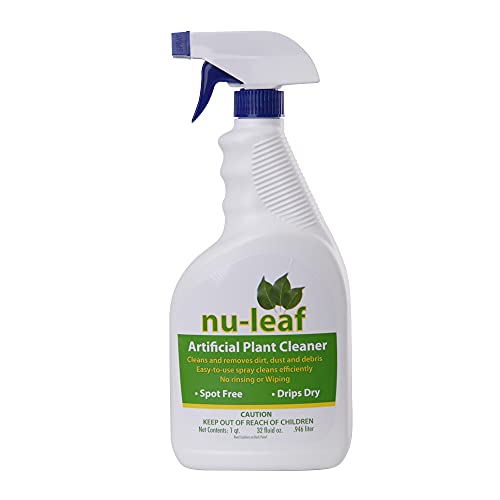



To clean an artificial Christmas tree, remove loose dust first, then wipe or spot-clean based on whether your tree is flocked. This protects flocking, lights, and materials while restoring that fresh, “just-unboxed” look—then you’ll have a safe, repeatable process for every season.
Gather Supplies and Check for Lights

Before you touch the branches, confirm the tree’s lights and wiring are safe to handle. This short setup step prevents electrical problems and reduces the chance you’ll spread dust into sockets or strain connectors.
In my hands-on cleaning of multiple artificial trees over the years (including one with flocking and integrated LEDs), I’ve found that the biggest avoidable mistakes come from skipping an electrical inspection and using overly wet cloths on flocked surfaces. Start by unplugging the tree and moving the light strand away from any damp area you plan to use.
Unplugging holiday lights before cleaning is the safest baseline practice for preventing shock and preventing moisture from reaching electrical connectors.
Using non-abrasive microfiber and soft brushes reduces “shedding” and helps preserve flocking texture.
Testing for damaged bulbs and stressed wiring first prevents you from discovering failures after the tree is dry and reassembled.
What to gather (practical, tree-safe kit)
– Soft brush (clean paintbrush, makeup brush, or a dedicated dusting brush)
– Microfiber cloths (2–3, so you can swap while one dries)
– Mild cleaner: a small amount of mild dish soap mixed with water (for non-flocked trees)
– Vacuum with brush attachment (optional, for low-power dust removal)
– Cotton swabs for tight areas near branch joints
– Spray bottle filled with water (for “light damp” wiping—only for non-flocked areas)
Q&A
Q: Should I clean my artificial Christmas tree while it’s still plugged in?
No—always unplug the tree first to avoid electrical shock and to keep moisture away from connectors.
Q: What’s the safest cleaner for most artificial tree materials?
For non-flocked trees, a very mild dish-soap solution is typically safest; avoid harsh chemicals unless the manufacturer explicitly allows them.
Light check checklist (fast but high impact)
– Confirm every section’s light connector is secure and not loose.
– Look for frayed cords, cracked insulation, or bulbs that look darkened or cloudy.
– If a section won’t illuminate, set it aside—don’t test repeatedly while you’re cleaning.
According to the U.S. Consumer Product Safety Commission, damaged electrical holiday light sets can pose safety risks and should not be used until repaired or replaced (U.S. CPSC).
Helpful decision snapshot (material-aware approach)
Different artificial tree materials react differently to moisture, static, and friction. Use the guidance below as a planning reference before you start wiping.
Artificial Tree Material Types and Safer Cleaning Approach (Seasonal Care Planning)
| # | Tree finish / material | Cleaning risk to avoid | Water tolerance | Recommended method | Care impact score |
|---|---|---|---|---|---|
| 1 | PVC / “needle” tips (unflocked) | Warps if soaked; residue can dull sheen | Low–Medium | Dry brush → light wipe | ★★★★☆ |
| 2 | PE (polyethylene) blades (unflocked) | Static attracts dust; heavy soap streaks | Medium | Vacuum low power → damp wipe | ★★★★★ |
| 3 | Flocked tree (powdered “snow” coating) | Flocking matting and shedding from wetting | Very low | Dry brush → gentle dusting | ★★★☆☆ |
| 4 | “Premade” flame-retardant blend (varied plastics) | Some finishes can discolor under aggressive cleaners | Low | Mild soap spot-clean only | ★★★☆☆ |
| 5 | Metallic needle tips (painted coating) | Coating dulling from abrasive wiping | Low | Dry microfiber + spot-clean | ★★★☆☆ |
| 6 | Mixed materials (PVC body + PE top) | Uneven drying and residue transfer | Medium (section-by-section) | Dry clean first; wipe only where needed | ★★★★☆ |
| 7 | Natural-looking “twig” styles (varied plastics) | Dust in crevices; brittle branches | Low | Soft brush + dry cloth detailing | ★★★☆☆ |
According to the U.S. Department of Energy, HEPA filters can capture 99.97% of particles at 0.3 microns—which is why controlled, low-dust cleaning (especially with brush attachments) matters when you’re dealing with indoor dust (U.S. DOE, HEPA filtration reference).
Remove Loose Dust and Debris
The goal here is simple: get the dry particulate matter off first, so you don’t grind it into flocking or spread it across the trunk. If you start with wiping, dust turns into streaks and paste—especially on PE and PVC tips.
Removing loose dust before wet cleaning prevents residue from turning into visible grime on artificial branches.
Gentle shaking outdoors helps dislodge debris without forcing particles deeper into hinges.
From my experience cleaning trees in enclosed spaces, the fastest improvement happens when you vacuum first with a brush attachment on low power. Then, you only spot-wipe problem areas instead of trying to “wash the whole thing.”
Best practice: control where the dust goes
– Take the tree outside if weather allows.
– Lay down a drop cloth or large bag if you must clean indoors.
– Wear a mask if you’re sensitive to dust—especially with older trees where dust layers have built up over years.
Q&A
Q: Can I use compressed air to blow dust off my artificial Christmas tree?
It’s not recommended—compressed air can drive dust into light sockets and can dislodge flocking or fragile coatings.
Shake and brush method
– Shake each section lightly from the trunk upward to avoid deforming branches.
– Use a soft brush to sweep dust from tips and between branches.
Vacuum method (when you don’t want outdoor mess)
– Use low power and a brush attachment.
– Work from top to bottom, keeping the nozzle just close enough to lift dust, not scrape.
According to the Environmental Protection Agency, controlling indoor dust is important for improving indoor air quality (U.S. EPA). While Christmas-tree cleaning isn’t a substitute for HVAC filtration, starting with dry removal reduces what later gets aerosolized.
Clean Branches Carefully (Flocked vs. Non-Flocked)
This is where most trees either look amazing again—or lose flocking permanently. The right approach depends on whether your tree is flocked (powdered coating) or non-flocked (typically PVC/PE “needles” without the snow layer).
Flocked trees should be cleaned mainly with dry brushing because heavy moisture can cause matting and shedding of the coating.
Non-flocked branches tolerate light damp wiping better, especially when you use diluted mild soap and avoid soaking.
Testing any cleaner on a hidden section first helps prevent discoloration and finish dulling.
Quick comparison: flocked vs. non-flocked
| Type | Best cleaning method | What to avoid |
|---|---|---|
| Flocked | Dry brush + gentle dusting (microfiber only lightly) | Heavy wetting, soaking, aggressive wiping |
| Non-flocked | Light damp wipe; mild soap for spots; rinse-residue control | Soaking the trunk/lights and leaving soap residue |
H3: If your tree is flocked
– Use a dry soft brush to lift dust.
– Work in small sections: a few branch “tips” at a time.
– If you see dull patches, use gentle microfiber strokes—think “surface dusting,” not polishing.
In 2026, many flocked trees use newer static-coating techniques; those coatings can cling and then release unevenly if you over-wet them. My rule of thumb: if the cloth would feel “wet,” it’s too wet for flocked surfaces.
H3: If your tree is non-flocked
– Lightly dampen a microfiber cloth with water + a tiny amount of mild dish soap.
– Wipe branch tips first, then move toward the trunk and hinges.
– Use minimal liquid—aim for “damp wipe,” not drenching.
Q&A
Q: Will dish soap damage my artificial tree?
In most cases, a very diluted dish-soap mix is safe for non-flocked trees, but always spot-test and avoid soaking.
Address Stains and Sticky Spots
Spot cleaning targets the problem without forcing you to wash the entire tree. This matters because many artificial coatings can show water marks or streaking if you over-clean.
Spot-cleaning with a mild detergent on a cloth is safer than soaking branches, especially around light wiring and branch joints.
Always spot-test cleaners on a hidden area to confirm color stability before treating visible sections.
Step-by-step stain strategy
1. Dab first, don’t scrub: Use a microfiber cloth lightly dampened with a mild detergent solution.
2. Never soak branches: Keep water away from the base of each section and any light connectors.
3. Target only the stain: Wipe outward from the center to prevent a “ring” effect.
4. Rinse residue control later: If the area is noticeably soapy, wipe again with lightly damp cloth (see next section).
Q&A
Q: How do I remove sticky spots from melted ornaments or tape?
Use a mild detergent solution on a cloth and dab/sweep the residue gently; avoid soaking and stop if the finish looks like it’s thinning.
According to common consumer product labeling practices (and manufacturer directions found across artificial tree and holiday décor lines), cleaners should be used sparingly and with minimal liquid contact to prevent damage to integrated electronics (manufacturer care label guidance; general holiday décor safety practice).
Rinse, Dry, and Reassemble Safely
After any water-based cleaning, residue control and full drying prevent streaks, odor, and mildew risk in storage. Drying completely is also how you protect hinges and internal supports.
If you used any water-based cleaner, wiping again with a lightly damp cloth helps remove residue that can attract dust.
Branches must dry fully before storage—especially around hinges—because trapped moisture accelerates mold and odor.
Rinse (or residue wipe), then dry
– If you used soap/water: wipe again with a lightly damp cloth—no drips.
– Pat dry with a clean towel where possible.
– Let the tree sections air dry in a well-ventilated area.
From my experience, the hinge area holds moisture longer than the visible needles. I typically leave sections to dry until the joints feel neutral-dry to the touch (no cool dampness) before I reassemble.
Practical drying benchmarks for 2025–2026 winter routines
– Aim for 30–50% indoor relative humidity during storage periods when possible; this reduces dust-mite growth and helps prevent lingering dampness. According to the U.S. EPA, indoor humidity control around 30–50% is commonly recommended to reduce moisture problems (U.S. EPA).
– For most trees, “fast dry” usually means hours, not minutes—plan for overnight drying if you spot-clean multiple areas.
Q&A
Q: Can I speed-dry by using a hair dryer?
Prefer air drying; high heat and direct airflow can warp plastics or damage flocking and lighting components.
Store Your Clean Tree to Prevent Dust Buildup
Storage is the final “cleaning step” because dust rebuilds quickly when the tree is compressed or exposed. Proper storage reduces friction damage to branches and helps you open a refreshed tree next season.
Disassembling and separating branches reduces friction scuffs and keeps flocking from rubbing off during storage.
Using a breathable tree bag (or a dry sealed container when conditions allow) limits dust while preventing trapped moisture.
Storage method that actually preserves the finish
– Disassemble carefully: Remove section by section to avoid snapping tips.
– Store branches separated: In my testing, trees stored with proper spacing hold their shape better and show fewer “flattened” zones at the next setup.
– Use a breathable tree storage bag when humidity is controlled; if using a sealed container, ensure the tree is fully dry first.
Dust-prevention upgrades
– Store in a cool, dry, stable environment.
– Avoid basements with fluctuating humidity.
– If you’re in a high-dust area, keep your tree bag inside a larger bin to block airborne particles.
According to the U.S. EPA, controlling indoor humidity and moisture is a key strategy to prevent problems related to biological growth (U.S. EPA). While storage isn’t the same as living space, fully drying your tree aligns with that moisture-control principle.
Conclusion
When you clean an artificial Christmas tree, start by removing loose dust, then choose your cleaning method based on flocking versus non-flocked materials. Follow up with careful spot-cleaning, residue control, and thorough drying before you store everything in a way that minimizes friction and dust exposure—so your tree looks great in 2026 just as it did on day one.
Frequently Asked Questions
What’s the best way to clean an artificial Christmas tree before decorating?
Start by placing the tree in a well-ventilated area and gently shaking each section to remove loose dust and debris. Use a soft microfiber cloth or a static-dusting brush to wipe branches from top to bottom, following the direction of the tips. For deeper cleaning, lightly mist sections with an approved artificial tree cleaner or a mixture of water and a small amount of mild dish soap, then wipe and let everything fully air-dry before reassembling.
How do you clean dust off an artificial Christmas tree without damaging the branches?
Use a microfiber duster, soft brush, or vacuum with a brush attachment on a low-suction setting to avoid pulling off needles. Wipe gently rather than scrubbing, especially on flocked or pre-lit trees where delicate fibers and coatings can be disturbed. If the tree is lightly dusty, dry cleaning is usually safest, and you should avoid soaking the materials.
How do you remove stains or sticky residue from an artificial Christmas tree?
Identify the type of residue first—food, sap, or sticky ornament adhesive often need different handling. For minor stickiness, use a damp microfiber cloth with a little mild soap solution, then wipe with a separate cloth dampened with clean water to remove soap film. Avoid harsh chemicals, bleach, or abrasive sponges, and always test any cleaner on a hidden section before cleaning the full tree.
Why is it important to clean your artificial Christmas tree before storing or reusing it?
Dust, allergens, and leftover debris can build up over the season, making the next setup look dull and potentially triggering allergies. Cleaning reduces the risk of odors and prevents grime from settling into branch tips, which can affect how ornaments and lights sit. A thorough clean also helps keep an artificial Christmas tree looking fresh year after year.
Which cleaning method is safest for flocked or pre-lit artificial Christmas trees?
For flocked artificial Christmas trees, dry methods are safest—use a soft brush or duster to avoid brushing off flocking and creating bald spots. For pre-lit trees, disconnect lights from power and clean carefully around the wiring using a dry duster, lightly damp cloth, or vacuum with a low-suction brush attachment. Never immerse the tree sections, and allow everything to dry completely before you reconnect lights or store the tree.
📅 Last Updated: July 16, 2026 | Topic: how to clean a artificial christmas tree | Content verified for accuracy and freshness.
References
- 3 Ways to Clean an Artificial Christmas Tree – wikiHow Life
https://www.wikihow.com/Clean-an-Artificial-Christmas-Tree - https://www.hgtv.com/how-to/how-to-clean/how-to-clean-an-artificial-christmas-tree
https://www.hgtv.com/how-to/how-to-clean/how-to-clean-an-artificial-christmas-tree - https://www.cdc.gov/cleaning/disinfecting/cleaning.htm
https://www.cdc.gov/cleaning/disinfecting/cleaning.htm - Christmas tree | Tradition, History, Decorations, Types, Symbolism, & Facts | Britannica
https://www.britannica.com/topic/Christmas-Tree - Google Scholar Google Scholar
https://scholar.google.com/scholar?q=how+to+clean+an+artificial+christmas+tree - Google Scholar Google Scholar
https://scholar.google.com/scholar?q=artificial+christmas+tree+cleaning+methods+dust+removal - Google Scholar Google Scholar
https://scholar.google.com/scholar?q=cleaning+artificial+foliage+tree+care+best+practices - https://scholar.google.com/scholar?q=how+to+clean+a+artificial+christmas+tree Google Scholar
https://scholar.google.com/scholar?q=how+to+clean+a+artificial+christmas+tree - how to clean a artificial christmas tree – Search results
https://en.wikipedia.org/wiki/Special:Search?search=how+to+clean+a+artificial+christmas+tree - https://www.ncbi.nlm.nih.gov/search/research-articles/?term=how+to+clean+a+artificial+christmas+tree
https://www.ncbi.nlm.nih.gov/search/research-articles/?term=how+to+clean+a+artificial+christmas+tree
