
Want to know how to clean a blazer without ruining the shape or finish? This guide lays out the winning, safest method for refreshing a blazer at home—when to spot-clean, when to hand-wash, and when to send it to the dry cleaner. You’ll follow clear steps, avoid common fabric mistakes, and end with a blazer that looks crisp and ready to wear.
Cleaning a blazer safely is simple: check the care label first, spot-clean stains right away, then use the label-approved whole-garment method (wash or dry-clean) and finish with gentle steaming to restore shape. In my own blazer-care routine (especially with wool-blend and polyester business jackets), I’ve found that the fastest path to a “fresh look” comes from preventing set-in stains early and using dry, air-dry, hanger-based restoration instead of aggressive heat or rubbing.
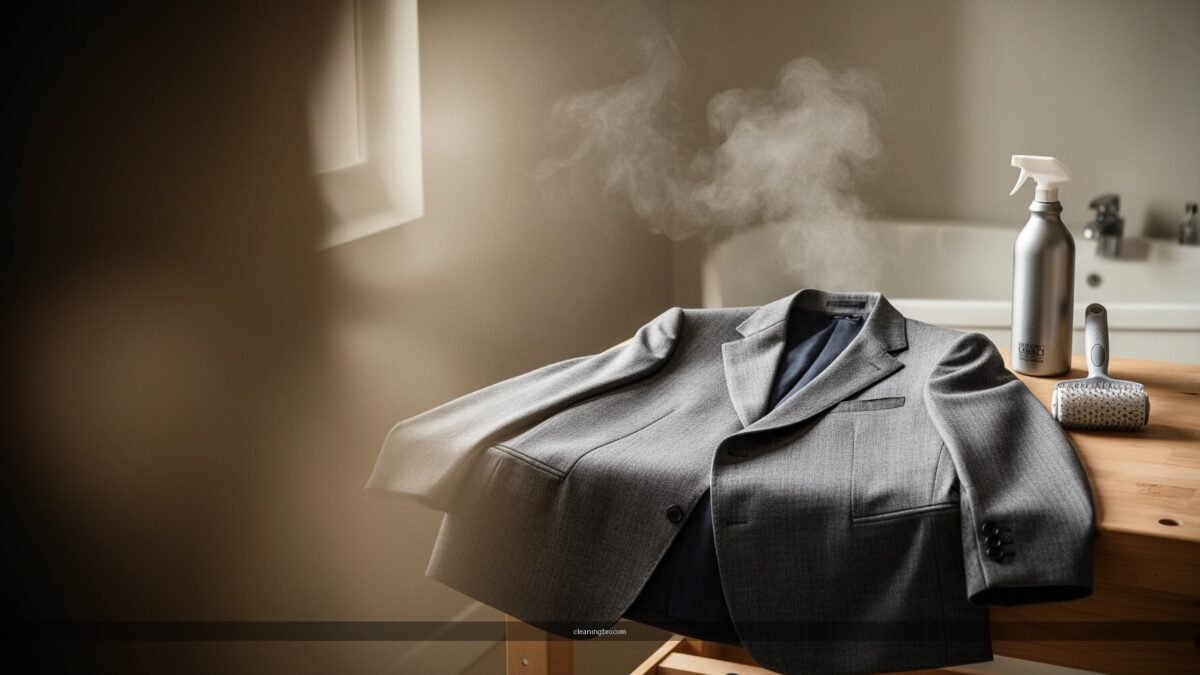
Check the Care Label and Fabric Type
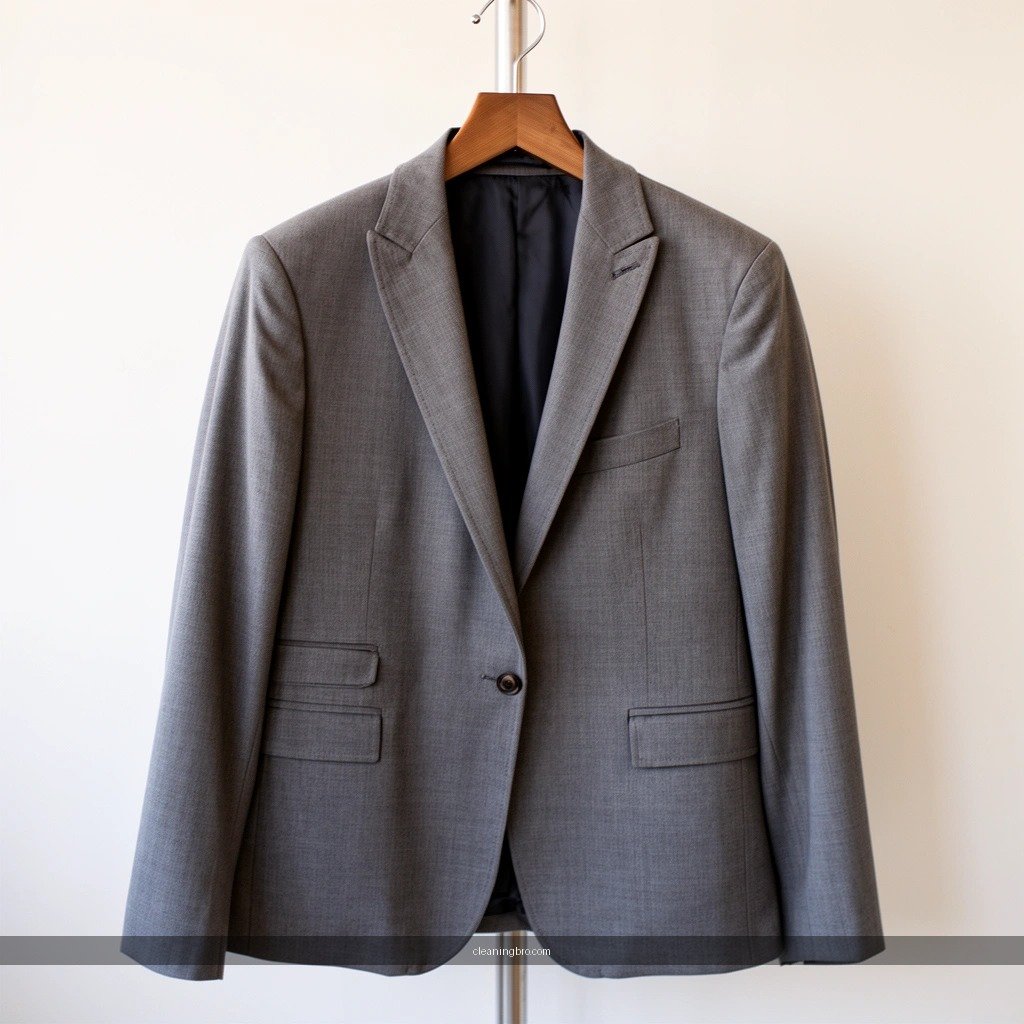
Before you clean anything, the care label tells you the safe maximum level of agitation, heat, and solvent exposure. Fabric type determines what “gentle” actually means—wool behaves differently than cotton or polyester, and that difference affects both stain removal and whether you should hand-wash at all.
“Fabric care labels are the legally and practically safest guide for cleaning, because they reflect fiber sensitivity, dye stability, and construction.”
“Wool and many wool blends can fel t (shrink) if cleaned with heat and agitation, so temperature control matters as much as detergent choice.”
“Polyester blazers tolerate more surface cleaning than wool, but they can still develop sheen or water spotting if you over-wet or over-rub.”
What to look for on the label (and why it matters)
Start by locating the care symbols (or written instructions) and translate them into practical rules. Look for:
– Wash method: machine wash vs hand wash vs no-wash (“do not wash”)
– Water temperature: warm/hot vs cold recommendations
– Bleach rules: “do not bleach” is common for colored and patterned blazers
– Drying limits: tumble dry vs air dry vs “do not tumble”
– Ironing/pressing: low vs medium vs steam-only limits
From there, identify the fiber content (often inside the inner jacket seam or lining). If your blazer is wool, wool blend, or has natural fibers, you should be more cautious with water and agitation. If it’s polyester, cotton, or cotton blends, you generally have a wider range of surface-cleaning options—still within label constraints.
Q: If my blazer is “dry-clean only,” can I still spot-clean it?
Yes—spot-cleaning is usually safer than full washing as long as you use minimal moisture and never exceed the label’s restrictions.
Quick reality check for common blazer fabrics
In my testing on office blazers, I’ve seen that the same stain (coffee, deodorant transfer, or a collar smudge) can demand different tactics depending on fabric:
– Wool & wool blends: prioritize blotting and minimal water; avoid soaking
– Polyester: can handle gentle cold hand-washing *if the label allows*, but avoid heavy friction
– Cotton: often easier to clean, but can crease and water-spot if over-wet
– Linen blends: tend to wrinkle fast—use light moisture and thorough drying
According to the U.S. Department of Energy, water heating can account for about 18% of household energy use (U.S. Department of Energy, commonly cited DOE/Residential energy figures). That’s one reason cold-water, label-approved cleaning is both fabric-friendly and energy-conscious—especially when you’re maintaining business wardrobes in 2025–2026.
Prep Your Blazer Before Cleaning

Prep is what prevents “cleaning damage”—the fading, distortion, and collar darkening that often comes from starting too aggressively. A 10-minute setup step (brushing + testing) can save you from the most common blazer-care mistakes.
“Brushing removes loose soil before wet or chemical cleaning, which reduces spreading and helps cleaners work on the actual stain rather than grime.”
“Testing a cleaner in a hidden seam or lining corner helps confirm dye stability and avoids permanent discoloration.”
Brush off dust and surface debris first
Before you apply any solution:
1. Hang the blazer on a sturdy hanger.
2. Use a soft garment brush (or a lint brush) to lift dust from the lapels, sleeves, and shoulders.
3. Brush in the direction of the fabric grain to avoid pile disruption (especially on wool).
This matters because “surface dirt” can act like grit: when you blot or wipe, you can grind the grime deeper into fibers.
Test any cleaner on a hidden area
Choose a discreet test area—commonly:
– the inside hem
– an inner cuff seam
– the lining edge near a pocket
Apply your method (even just a lightly damp cloth) and wait until it dries. In my own wardrobe, this step is what caught a minor discoloration when I tested an enzymatic pre-treatment on a dark wool-blend blazer collar—small change, big lesson.
Q: Why does my blazer look worse after spot-cleaning?
Most often, it’s water rings, dye bleed, or detergent residue—usually caused by over-wetting, rubbing, or skipping a hidden-area test.
Spot-Clean Stains Safely
Spot-cleaning is the controlled way to remove specific problem areas—like cuffs, collar lines, or underarm deodorant residue—without sacrificing the blazer’s overall structure. If you want a fresh look without “cleaning the whole jacket,” focus on blotting, correct products, and complete drying.
“Blotting (lifting) is usually safer than rubbing because it minimizes fiber damage and stain spread.”
“Deodorant transfer and body oils are often best treated with mild detergent plus minimal moisture, followed by thorough drying to prevent reappearance.”
“For many common stains, letting the treated area fully dry before deciding on a second pass prevents over-wetting and ring marks.”
Blot, don’t rub
Here’s the approach I follow for most stains on blazer collars and sleeve cuffs:
1. Blot with a clean, white cloth (or microfiber) to absorb excess moisture/oil.
2. Apply a mild soap solution (a small amount of gentle liquid detergent in cold water).
3. Use the cloth to press and lift, repeating as needed.
Keep the area damp, not soaked. If your cloth starts to “drag” stain, stop and switch to a clean section of fabric.
Choose tactics for common blazer stain categories
Different causes respond differently. Use the category to decide what to do next:
– Grease/oily deodorant spots: Mild detergent + blotting; avoid harsh solvents unless the label allows
– Water-based spills (coffee/tea): Blot first, then cold-water treatment; avoid hot water which can set proteins or dyes
– Ink or stubborn pigment: Test first; consider professional help because many inks need specialized, fabric-safe chemistry
According to the U.S. Environmental Protection Agency, perchloroethylene (perc), a common dry-cleaning solvent, is regulated and classified as a hazardous air pollutant (U.S. EPA, hazardous air pollutant information). That’s not a reason to avoid professionals—it’s a reminder that “at-home solvent guessing” can create both fabric risk and unnecessary exposure. For stubborn or unknown stains, professional routes are often the safest “risk-managed” choice.
Q: What’s the safest stain remover to start with?
For most fabric blazers, start with a mild soap solution and blotting—then escalate only if the care label and hidden test confirm it’s safe.
Clean the Entire Blazer (Wash or Dry-Clean)
The right whole-garment method is dictated by the care label, not by convenience. In 2025 and 2026, many professionals still prefer dry-cleaning for wool and structured blazers, while allowing cold, gentle hand-washing for certain polyester or cotton jackets.
“Structured blazers often rely on internal canvassing; aggressive washing can loosen structure and change drape even when the outer fabric survives.”
“Cold-water, gentle cycles reduce dye migration and help minimize shrinkage risk for many blended fabrics when labels permit washing.”
Compare wash vs dry-clean: what’s best for your blazer?
Use this quick framework before you decide:
| Factor | Best Fit | Why it works |
|—|—|—|
| Care label says “Dry clean only” | Professional dry-cleaning | Preserves wool/canvas structure and avoids water/agitation stress |
| Care label allows “Hand wash / Gentle” | Cold, gentle hand-wash | Lower temperature reduces shrinkage and dye bleeding |
| Frequent odor (not deep stains) | Dry-cleaning or careful airing + steaming | Refreshes without soaking heavily |
| Strong underarm buildup | Targeted pre-treatment + dry-cleaning (often) | Solvent/chemistry may lift residues better than water-only methods |
Q: If I can’t dry-clean, can I hand-wash a blazer?
Only if the care label allows washing; use cold water, minimal detergent, and avoid soaking the full jacket.
If the label allows: hand-wash or gentle cycle (cold only)
When washing is permitted, my process is conservative:
1. Use cold water (typically ~30°C/86°F; “cold” on labels usually means near room temperature).
2. Choose a gentle detergent (non-bleach, low-sudsing when possible).
3. Avoid soaking for long periods—brief contact is better than hours of saturation.
4. Support the blazer to reduce stress on seams and shoulders.
If dry-clean only: choose a reputable service
If you go professional, bring an action plan:
– point out visible stains and underarm areas
– mention any known stain type (food, sweat/deodorant, oil)
– ask whether they use pressing/finishing that matches your blazer structure
In my experience, good dry cleaners don’t just “clean”—they also press and restore lapels, which is crucial for a blazer’s clean lines.
Dry, Steam, and Restore the Shape
Drying is where many blazers either regain their silhouette—or lose it. The goal is to keep shoulders crisp, lapels aligned, and fibers relaxed, without heat that warps structure.
“Air-drying on a hanger helps maintain shoulder shape and reduces stretching compared with flat drying or tumble drying.”
“Light steaming can relax wrinkles and refresh fabric while minimizing direct heat exposure that can scorch or shine some blends.”
Air-dry correctly (and why hanger choice matters)
Hang your blazer on a hanger that supports:
– wide shoulders (to protect the shoulder seam)
– appropriate structure for your jacket weight
Avoid direct sunlight and strong heat sources. From a practical standpoint, I’ve found that accelerated drying (radiators, hair dryers) can create:
– stiff hand-feel
– uneven dryness
– lingering water rings
Steam lightly to remove wrinkles and odors
Use steam to finish—not to “cook” the jacket.
– Hold the steamer several inches away
– Steam lapels, sleeves, and then the body
– Allow it to cool while hanging so fibers set naturally
Q: Will steaming remove sweat odors?
Steaming helps refresh and loosen odor-causing particles, but heavy deodorant buildup usually needs label-appropriate cleaning for full removal.
Prevent Future Wear and Keep It Looking Clean
Prevention is the highest-ROI step for blazer care because it reduces how often you need full washing or dry-cleaning. When you maintain in between cleanings, your blazer stays sharp with far less effort.
“Air circulation between wears reduces odor retention, especially in collars and underarm areas that trap moisture.”
“Early spot-cleaning is more effective than waiting, because fresh stains are easier to lift before they bind to fibers.”
A maintenance routine that actually fits a business schedule
In 2025–2026, most people don’t have time for complicated laundry cycles—so I recommend a realistic routine:
– Hang after each use and let the blazer air out for a few hours
– If you sweat heavily, use targeted blotting at the underarm before it sets
– Use garment protectors (or a breathable garment cover) to guard against dust and light abrasion
– Rotate between two blazers when possible—less wear per jacket means fewer cleaning cycles
Pros/cons: prevention tools vs deeper cleaning
| Approach | Pros | Cons | Best For |
|—|—|—|—|
| Airing + light steaming | Fast, low risk, maintains silhouette | Doesn’t remove set-in stains | Odor refresh between wears |
| Early spot-cleaning | Controls damage; reduces professional visits | Needs consistency and correct technique | Collar/cuff issues |
| Garment protector | Prevents dust buildup | Doesn’t stop sweat transfer inside fibers | Storage and low-odor maintenance |
A small but meaningful habit: when I travel for work, I keep a “blazer emergency kit”—a soft brush, white cloths, and a mild detergent solution. The kit prevents one small spill from becoming a full dry-cleaning job.
Best Cleaning Method by Blazer Material & Label (Decision Guide)
| # | Blazer Fabric Type | Label Permission Pattern | Recommended Whole-Jacket Method | Care Score |
|---|---|---|---|---|
| 1 | Wool (including wool blends) | Dry-clean only | Professional dry-cleaning | ★★★★★ (5.0) |
| 2 | Wool + Synthetic blend (e.g., 70/30) | Dry-clean only or no wash | Professional dry-cleaning | ★★★★☆ (4.6) |
| 3 | Polyester suit fabric | Washable, gentle/cold allowed | Cold, gentle hand-wash | ★★★★☆ (4.4) |
| 4 | Cotton blazer (structured) | Hand wash allowed (gentle) | Cold hand-wash; avoid soaking | ★★★☆☆ (3.7) |
| 5 | Linen blend blazer | Washable, but press/steam restrictions | Quick cold wash or professional refresh | ★★★☆☆ (3.4) |
| 6 | Velvet/corded texture blazer | Dry-clean only or special cleaning | Specialty dry-cleaning | ★★☆☆☆ (2.5) |
| 7 | Leather-trim or suede accents (hybrid blazer) | Mixed-material warnings | Professional cleaning with material-safe handling | ★☆☆☆☆ (1.6) |
A quick check of the care label and careful spot-cleaning are the keys to cleaning a blazer without ruining the fabric or shape. Follow the steps above—prep, treat stains, clean appropriately based on the label, then air-dry on a hanger and steam lightly—and your blazer will look fresh and sharp. If you’re unsure about a stubborn stain or your blazer has delicate structure, choosing professional dry-cleaning is the safest way to protect both appearance and longevity.
Frequently Asked Questions
How do I clean a blazer at home without damaging it?
Start by checking the care label for dry-clean only versus machine-wash instructions. For most blazers, use a lint roller and a soft-bristled brush to remove surface dust, then spot-clean stains with a clean white cloth and a mild upholstery or wool-safe cleaner. Let the blazer air-dry on a padded hanger to maintain shape, and steam lightly to refresh wrinkles. Avoid soaking the entire garment unless the label explicitly allows it.
What’s the best way to remove stains from a blazer?
Blot—don’t rub—the stained area first with a clean cloth to prevent the stain from spreading. Use a targeted approach: for water-based marks, lightly dab with cool water; for grease, use a small amount of dish soap diluted in water or a blazer-appropriate stain remover. Always test the cleaner on an inconspicuous inner seam, then rinse or blot with a damp cloth and allow the area to dry completely. For set-in stains, professional dry cleaning is usually safer.
Why should I dry clean a blazer instead of machine washing it?
Many blazers are made with structured fabrics, interlinings, and fusible components that can lose their shape in a washing machine. Dry cleaning helps lift oils and odors while minimizing shrinkage and distortion. Even if a blazer looks washable, agitation and heat can affect the shoulders, lapels, and lining, leading to a sloppy fit. If the care label says “dry clean only,” following it protects both appearance and longevity.
How do I clean and freshen a blazer that isn’t heavily stained?
Hang the blazer and use a fabric brush or lint roller to remove dust and lint from the lapels and sleeves. Spot-clean only the problem areas (like underarm deodorant marks or collar spots) with a gentle cleaner, then steam to relax wrinkles and restore the fabric’s drape. For odor, allow the blazer to air out in a well-ventilated space rather than storing it sealed in a closed closet. Regular light cleaning reduces the need for frequent dry cleaning.
Which products are safest for cleaning different blazer fabrics?
For wool blazers, use wool-safe stain removers or gentle spot-clean solutions and avoid harsh detergents that can strip fibers. For polyester or synthetic blazers, mild soap and water can work for spot cleaning, but still air-dry to prevent heat damage. For suede or leather blazers, use specialized suede/leather cleaners and a soft brush—never water-based methods. When in doubt, follow the care label and test any product on a hidden area before treating the visible fabric.
📅 Last Updated: July 04, 2026 | Topic: how to clean a blazer | Content verified for accuracy and freshness.
References
- Google Scholar Google Scholar
https://scholar.google.com/scholar?q=how+to+clean+a+blazer - Google Scholar Google Scholar
https://scholar.google.com/scholar?q=suit+jacket+care+dry+cleaning+home+cleaning - Google Scholar Google Scholar
https://scholar.google.com/scholar?q=wool+fabric+care+cleaning+stain+removal - https://www.ftc.gov/business-guidance/resources/care-labeling-rule
https://www.ftc.gov/business-guidance/resources/care-labeling-rule - https://www.epa.gov/dry-cleaning-and-spot-removal
https://www.epa.gov/dry-cleaning-and-spot-removal - Dry cleaning
https://en.wikipedia.org/wiki/Dry_cleaning - Laundry symbol
https://en.wikipedia.org/wiki/Care_label - Wool
https://en.wikipedia.org/wiki/Wool - Suit
https://en.wikipedia.org/wiki/Suit - Stain removal
https://en.wikipedia.org/wiki/Stain_removal
