

Cleaning a buffing wheel is essential for maintaining its effectiveness and prolonging its lifespan. To clean a buffing wheel, you’ll need to remove the dust and debris, refresh the fibers, and ensure it’s ready for optimal polishing. This guide will walk you through the necessary steps to achieve a clean and efficient buffing wheel, ensuring you can achieve the best results in your polishing tasks.



Understanding Your Buffing Wheel

Buffing wheels come in various types, each designed for specific applications and materials. The most common types include cotton, felt, and synthetic wheels:
– Cotton Buffing Wheels: These are often used for general-purpose polishing and are particularly effective with compounds. They can hold a significant amount of polishing compound, making them ideal for metal and plastic finishes.
– Felt Buffing Wheels: Known for their density, felt wheels are optimal for fine polishing tasks. They are typically used with finer compounds and can provide a high-gloss finish on metals.
– Synthetic Buffing Wheels: Made from man-made fibers, these wheels offer durability and resistance to wear. They are suitable for a variety of applications, including automotive and woodworking.
Understanding the material of your buffing wheel is crucial as it influences the cleaning method you should use. For instance, a cotton wheel can be cleaned with a vacuum or soft brush, while a felt wheel may require more delicate handling to avoid damage.
Tools and Supplies Needed


To effectively clean your buffing wheel, gather the following essential tools and supplies:
– Soft Brush: A soft-bristled brush will help remove dust and debris without damaging the fibers of the wheel.
– Vacuum: A vacuum with a brush attachment can efficiently eliminate accumulated dust and debris.
– Cleaning Solution: Depending on the type of wheel, a gentle soap solution or a specialized buffing wheel cleaner can be used.
– Cleaning Stick or Bar (optional): This is particularly useful for felt wheels, as it can help rejuvenate the fibers without causing harm.
Having the right tools will streamline the cleaning process, making it quicker and more effective.
Step-by-Step Cleaning Process

1. Remove the Buffing Wheel: Start by detaching the buffing wheel from the machine. This will prevent any accidental damage to both the wheel and the machine during cleaning.
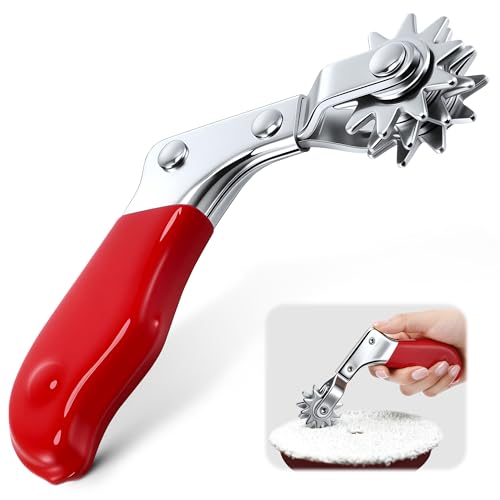
2. Brush or Vacuum: Use a soft brush or vacuum to carefully remove loose debris and dust from the wheel’s surface. For wheels with more compact fibers, a gentle brush will suffice to dislodge any built-up particles.
3. Inspect the Wheel: While cleaning, take the opportunity to inspect the wheel for any signs of wear, such as fraying or uneven surfaces. This will help you determine if it needs replacement or further care.
Deep Cleaning Techniques
For stubborn residues or buildup, deeper cleaning techniques may be necessary:
– Dampen the Wheel: Lightly dampen the buffing wheel with a suitable cleaning solution. Avoid soaking it, as excessive moisture can damage the wheel.
– Gentle Scrubbing: Using the soft brush, gently scrub the wheel in a circular motion. This will help dislodge any ingrained particles without damaging the fibers.
– Use a Cleaning Stick: If you’re dealing with a felt wheel, employing a cleaning stick can refresh the fibers. Simply run the stick along the wheel while it spins, which helps remove embedded dust and compacts the fibers for a smoother finish.
Drying and Reassembling the Buffing Wheel
1. Air Dry: After cleaning, allow the buffing wheel to air dry completely before reattaching it to the machine. This step is crucial to prevent moisture from causing damage or mold.
2. Inspect During Reassembly: As you reattach the wheel, check for any signs of wear or damage that may have been missed during cleaning. Ensuring the wheel is in good condition before use is vital for safe operation.
Maintenance Tips for Longevity
To ensure your buffing wheel lasts and maintains peak performance, consider the following maintenance tips:
– Regular Cleaning: Clean your buffing wheel after each use to prevent buildup of compounds and debris that can affect its performance.
– Proper Storage: Store the wheel in a dry, dust-free environment. Avoid exposing it to moisture or contaminants that can degrade the wheel material over time.
– Rotate Use: If you have multiple buffing wheels, rotate their use to prevent excessive wear on a single wheel, extending the overall lifespan of your polishing tools.
Top 7 Buffing Wheels by Type (2024)
| # | Type | Material | Best For | Lifespan |
|---|---|---|---|---|
| 1 | Cotton Buffing Wheel | Cotton | General Polishing | 2-3 Years |
| 2 | Felt Buffing Wheel | Felt | Fine Polishing | 1-2 Years |
| 3 | Synthetic Buffing Wheel | Synthetic Fibers | Versatile Applications | 3-4 Years |
| 4 | Mops Buffing Wheel | Cotton | Final Polish | 1-2 Years |
| 5 | Spiral Buffing Wheel | Cotton | Heavy Polishing | 2-3 Years |
| 6 | Crimped Buffing Wheel | Steel | Metal Finishing | 1-2 Years |
| 7 | Cotton Flannel Wheel | Cotton | Jewelry Polishing | 2-3 Years |
Cotton vs Felt vs Synthetic Buffing Wheels: Full Comparison
| Feature | ⭐ Cotton Buffing Wheel | Felt Buffing Wheel | Synthetic Buffing Wheel |
|---|---|---|---|
| Price | $5 – $15 | $10 – $20 | $8 – $18 |
| Material | Cotton | Felt | Synthetic Fibers |
| Durability | ✅ Moderate | ✅ High | ✅ Very High |
| Best Application | General Polishing | Fine Polishing | Versatile Use |
| Heat Resistance | Moderate | High | Very High |
| Ease of Cleaning | ✅ Easy | ✅ Moderate | ❌ Requires Care |
| Cost-Effectiveness | ✅ Good | ❌ Higher Cost | ✅ Best Value |
| Lifespan | 2-3 Years | 1-2 Years | 3-4 Years |
| Availability | Widely Available | Common | Easily Accessible |
| 🏆 Best For | General Use | Fine Polishing | Versatile Applications |
In summary, cleaning a buffing wheel involves understanding the type of wheel, gathering the right tools, and following a systematic cleaning process. Regular maintenance will enhance its performance and extend its life. Start implementing these cleaning techniques today to ensure your buffing wheel remains in top condition!
Frequently Asked Questions
How do you properly clean a buffing wheel?
To properly clean a buffing wheel, first, remove it from the machine and use a stiff brush to remove any built-up compound or debris. For deeper cleaning, you can use a specialized wheel cleaning tool or a nylon bristle brush to scrub the surface gently. After cleaning, inspect the wheel for any fraying or damage, and ensure it’s dry before reattaching it to the buffing machine.
What should you avoid when cleaning a buffing wheel?
When cleaning a buffing wheel, avoid using harsh chemicals or solvents that can damage the fibers or the bonding material. Additionally, do not soak the wheel in water or other liquids, as this can lead to mold or deterioration. Always handle the wheel gently to prevent any structural damage.
Why is it important to clean a buffing wheel regularly?
Regularly cleaning a buffing wheel is essential to maintain its efficiency and prolong its lifespan. A dirty wheel can transfer contaminants onto the workpiece, leading to poor polishing results and potential damage. By keeping the wheel clean, you ensure optimal performance and a better finish on your projects.
What is the best method for cleaning a cloth buffing wheel?
The best method for cleaning a cloth buffing wheel is to use a comb or stiff brush specifically designed for buffing wheels. Gently comb out the debris and polishing compound, then fluff the wheel to restore its texture. For a more thorough clean, you can also run the wheel at low speed while lightly applying a cleaning solution designed for buffing wheels.
Which tools are recommended for cleaning buffing wheels?
Recommended tools for cleaning buffing wheels include a stiff bristle brush, a nylon brush, and a wheel cleaning comb. These tools help remove accumulated polishing compound and debris without damaging the wheel. Additionally, a specialized buffing wheel cleaner can be used for deeper cleaning, ensuring your wheel stays in top condition for optimal polishing results.
References
- Polishing (metalworking)
https://en.wikipedia.org/wiki/Buffing - https://www.sciencedirect.com/topics/engineering/buffing-wheels
https://www.sciencedirect.com/topics/engineering/buffing-wheels - https://www.britannica.com/technology/buffing
https://www.britannica.com/technology/buffing - Google Scholar Google Scholar
https://scholar.google.com/scholar?q=cleaning+buffing+wheel - Google Scholar Google Scholar
https://scholar.google.com/scholar?q=buffing+wheel+maintenance - https://pubmed.ncbi.nlm.nih.gov/
https://pubmed.ncbi.nlm.nih.gov/ - https://www.cdc.gov/niosh/topics/buffing.html
https://www.cdc.gov/niosh/topics/buffing.html - https://www.nature.com/articles/s41598-018-22791-7
https://www.nature.com/articles/s41598-018-22791-7 - https://www.uwm.edu/safetyandhealth/cleaning-tools/
https://www.uwm.edu/safetyandhealth/cleaning-tools/ - https://www.mayoclinic.org/health-information/faq-20058313
https://www.mayoclinic.org/health-information/faq-20058313
