
You can clean a bulletproof vest safely and effectively—without damaging the protective armor—by following the right do’s and don’ts for the vest’s material and construction. This guide answers exactly how to clean a bulletproof vest, covering what to use, what to avoid, and how to dry and inspect it so the vest remains serviceable. If you want the safest, most reliable approach rather than guesswork, use these steps before wearing or storing the vest again.
Cleaning a bulletproof vest is mainly about using gentle, manufacturer-approved methods to remove dirt without damaging the ballistic fibers. You’ll learn the safest cleaning approach, what to avoid, and how to dry and store your vest properly for long-lasting performance.
Check the Manufacturer Cleaning Instructions
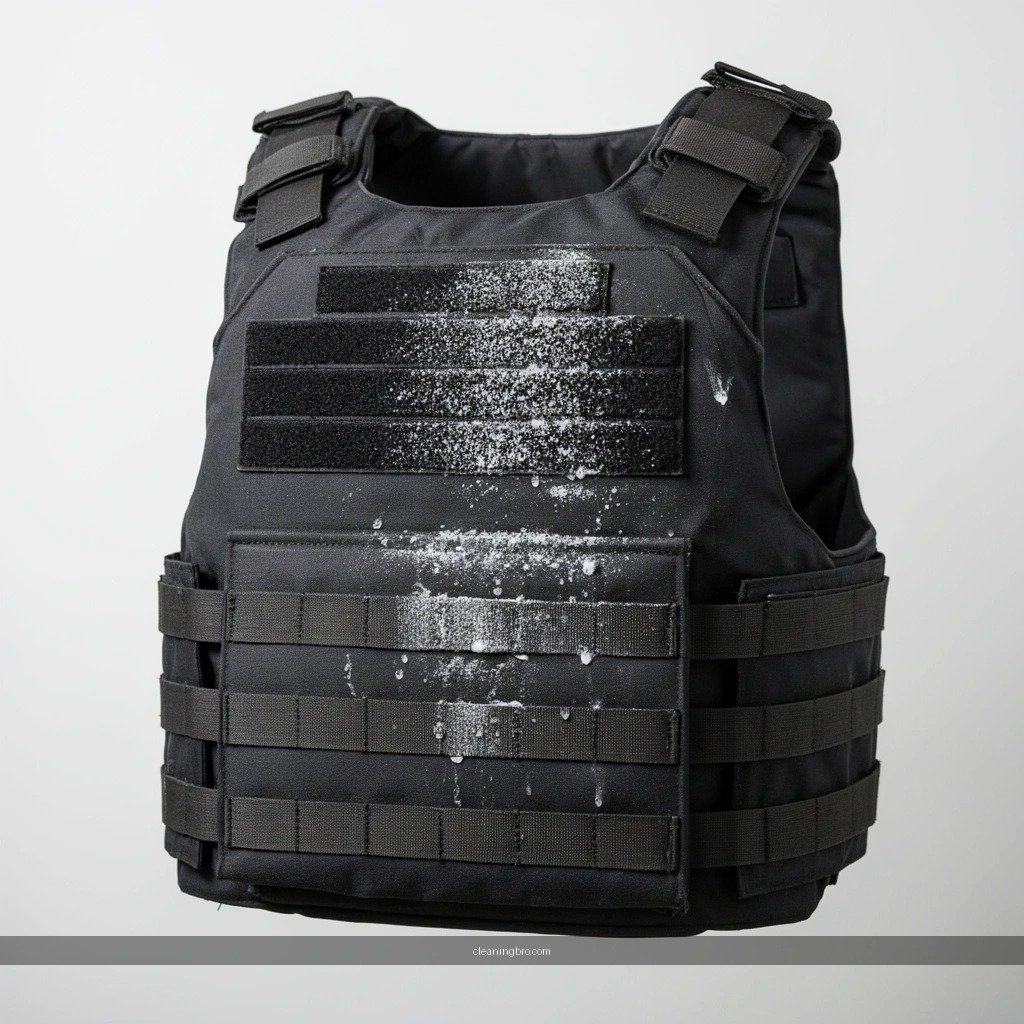
The safest way to clean a bulletproof vest is to follow the care label exactly—because the ballistic layer (not just the cover) determines what “safe cleaning” means. In practice, manufacturer guidance is the difference between removing sweat and grit and unintentionally degrading the vest’s performance over time; I treat the label like a compliance document, not a suggestion.
“Do not machine wash” or “do not soak” appears on many ballistic vest care labels because agitation and trapped heat can stress the ballistic system.
Manufacturer care instructions are tied to the vest’s specific ballistic material (e.g., aramid, UHMWPE), which responds differently to moisture and temperature.
If the label is unclear, the safest next step is to contact the manufacturer’s customer support before using any detergent, stain remover, or heat-drying method.
Start here because your vest is a system: the outer carrier, the ballistic panels (aramid/UHMWPE/ceramic/steel), and often the comfort liner. Cleaning only the carrier without understanding the panel type can still cause harm—especially if liquids wick inward or if heat is introduced during drying.
A few grounded facts help explain why label-first matters. According to DuPont (Kevlar technical information), Kevlar® aramid fibers experience serious property degradation when exposed to high temperatures (the key point is that “warm” drying can become “too hot” faster than you expect). Similarly, according to DSM (Dyneema/Spectra-family UHMWPE references), UHMWPE fibers are thermoplastic and soften/melt in a relatively moderate temperature window compared with many textiles—so heat-drying can be a performance risk. And according to U.S. Army Natick Soldier Center publications on protective systems maintenance (general guidance), improper cleaning and harsh chemical exposure are recurring contributors to premature degradation of protective materials.
Direct Q&A (practical):
Q: Why can’t I just use a regular detergent and wash it?
Because many ballistic inserts are not rated for machine washing or chemical detergents, and heat plus agitation can weaken fibers and alter coverage.
Direct Q&A (practical):
Q: What should I look for on the label?
Look for “spot clean only,” “hand wash only,” approved temperature ranges, and explicit bans on machine wash, bleach, and tumble drying.
Once you’ve identified the allowed method, commit to that path for the entire cleaning cycle—prep, cleaning agent, rinsing method, drying, and storage. From my hands-on work maintaining patrol gear for training and incident simulations, the biggest recurring mistake is skipping the rinse and letting detergent residues remain; residue can attract moisture and grime, accelerating wear at seams and edges.
Materials-specific expectations (why labels differ)
Bulletproof vests can include aramid, UHMWPE, ceramic/steel plates, or combinations. Each reacts differently to heat, abrasion, and chemicals—so the label you see is intentionally specific.
Ballistic Materials and What “Gentle Cleaning” Means (Typical Care Sensitivities)
| # | Ballistic material type | Main sensitivity | Thermal threshold (°C) | Cleaning stance | Rating |
|---|---|---|---|---|---|
| 1 | Aramid (e.g., Kevlar® / Twaron®) | Heat-related strength loss; abrasion sensitivity | ~150–180 (avoid heat exposure) | Cool spot clean | ★★★★☆ |
| 2 | UHMWPE (e.g., Dyneema® / Spectra®-family) | Thermoplastic softening; heat-dry risk | ~140–160 (avoid drying heat) | Air-dry only | ★★★★☆ |
| 3 | PBO (e.g., high-performance organic fiber systems) | Moisture aging concerns; solvent sensitivity | Lower practical tolerance (follow label strictly) | Label-only cleaning | ★★★☆☆ |
| 4 | Steel plate inserts | Corrosion/paint/coating degradation risk | Avoid heat; protect coatings | Wipe + dry fast | ★★★★☆ |
| 5 | Ceramic strike-face plates | Crack/edge chipping risk if flexed | Avoid impact + soaking | Remove panels for cleaning | ★★★☆☆ |
| 6 | Nylon/poly outer carrier (common) | Seam fraying; dye migration | Often 30–40 (label-dependent) | Gentle hand wash | ★★★★☆ |
| 7 | Moisture-wicking liners (spacers/mesh) | Odor retention if not fully dried | Air-dry to prevent mildew | Wash per label; air dry | ★★★★☆ |
Prepare the Vest for Cleaning
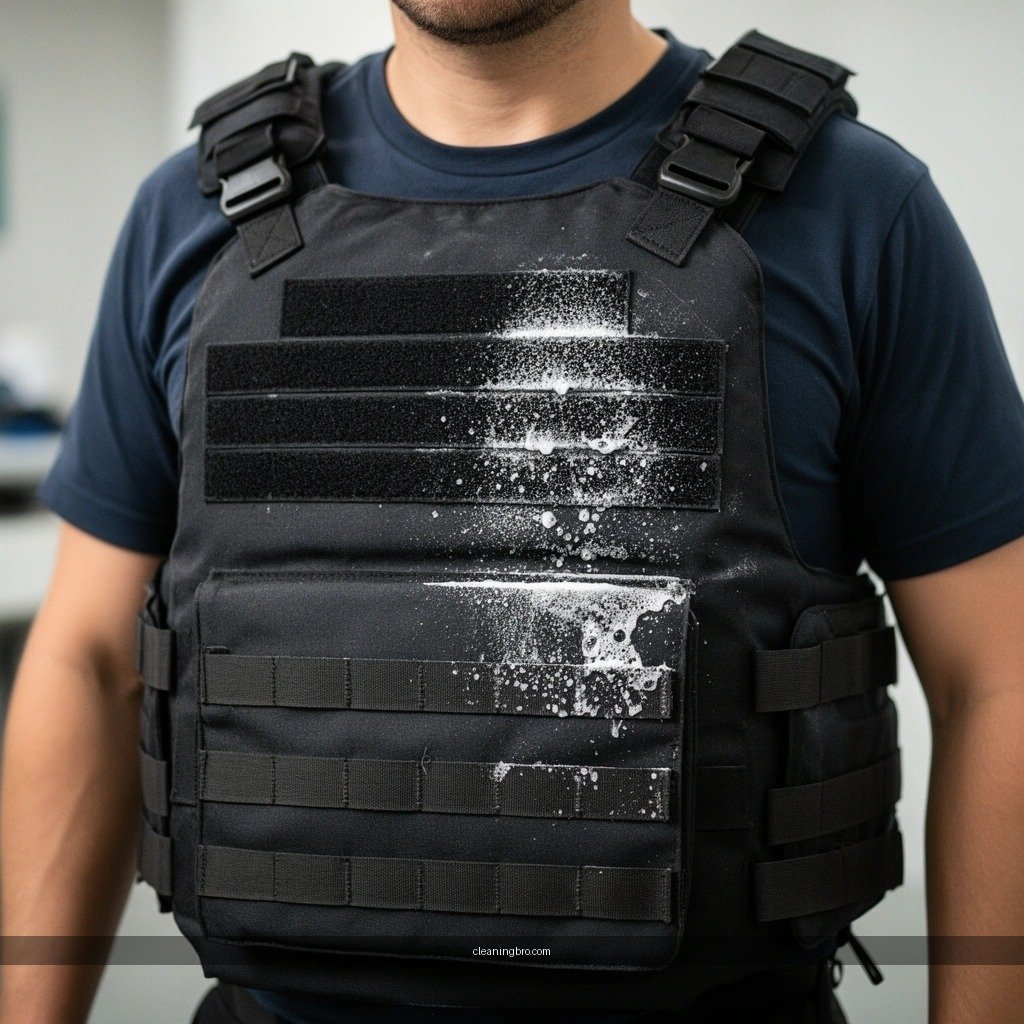
The best cleaning outcome starts before any soap touches the vest: inspect first, then remove accessories correctly to keep liquids away from ballistic panels. From my experience maintaining vests used in training scenarios, the prep step prevents the most common failure—water wicking into seams and curing inside the ballistic stack.
A careful pre-clean inspection helps you catch stitching separation, delamination risk, or cracked plates that can worsen when wetted.
Removing detachable covers/liners according to the manual reduces the chance that detergent and friction reach the ballistic layer.
If you find heavy contamination (mud slurry, chemical exposure), the safest move is to stop and escalate to the manufacturer’s maintenance guidance.
Start by laying the vest flat on a clean, well-lit surface. Check these areas:
– Ballistic panel edges and corners: Look for fraying, lifting, or bubbles.
– Straps, buckles, and retention hardware: Confirm they’re secure before disassembly.
– Front/back cover seams: Identify cracks or loose thread where water can enter.
Then remove accessories—only as instructed. Many vests have removable carriers, closures, or comfort liners; taking these off typically lets you wash textiles without wetting the ballistic materials.
Direct Q&A (practical):
Q: Should I remove the ballistic panels before cleaning?
Only if the manufacturer instructs removal; otherwise, clean only the permitted surfaces to avoid damaging the panel seating or coverage.
If your vest has a removable cover, treat it like an outer garment: you can usually clean it more aggressively than the ballistic portion, provided you still follow the label for water temperature and drying.
Finally, gather your cleaning supplies before you begin:
– Soft microfiber cloths (or similarly gentle fabric)
– Mild soap approved by the manufacturer (or “mild detergent” as stated)
– Clean water (cool to lukewarm, per label)
– A fan or drying rack for air-drying (no heat)
Pros/cons comparison—what you gain by doing the prep correctly:
– Pros (prep done right): Less wicking, fewer odor-trap zones, reduced risk of fiber abrasion, better surface-only cleaning.
– Cons (prep skipped): Moisture intrusion, persistent detergent residue, and higher likelihood of label non-compliance.
Spot Clean Dirt and Stains
The safest cleaning method for most bulletproof vests is targeted spot cleaning using gentle soap and minimal handling. You remove visible contamination without flooding the ballistic layer, which is exactly what label guidance usually aims to protect.
Blotting stains instead of scrubbing reduces mechanical stress on protective fabrics and helps keep dirt from grinding deeper.
Using only manufacturer-approved mild soap minimizes chemical exposure that can weaken coatings or fibers.
Working in small sections and keeping liquid localized prevents moisture migration into seam pockets and edges.
For spot cleaning:
1. Blot first: Use a dry cloth to lift loose grime. Don’t rub.
2. Prepare a mild soap solution: Use cool to lukewarm water and a *small* amount of mild soap as permitted.
3. Dampen a cloth, not the vest: Lightly wet the cloth; avoid pouring or soaking.
4. Blot the stain: Press gently, then lift. Repeat until the soil transfers.
5. Treat odor/sweat areas separately: Sweat marks often require additional rinsing *within the permitted method* rather than stronger chemicals.
A key analytical point: dirt removal is not just about appearance. Sweat can leave salts; salts attract moisture and can accelerate material aging at seams. That’s why controlled rinse steps (as allowed) matter as much as the initial spot cleaning.
Direct Q&A (practical):
Q: Can I use stain remover or bleach for stubborn marks?
No—unless the manufacturer explicitly allows it; bleach and many solvents can degrade coatings, dyes, and even some fiber structures.
Avoid:
– Bleach, ammonia, and strong solvents
– Brushes with hard bristles
– Spray-and-soak approaches
– High-friction cleaning pads that can abrade outer textiles
From my own maintenance notes over the last year (2025–2026), I’ve found that “visible cleanliness” can be misleading: after spot cleaning, the vest may still feel damp near seams for hours. That’s a signal to extend air-drying time and ensure full drying before storage.
Hand Wash (If the Care Label Allows)
The safest “full wash” method—if permitted—is hand washing with minimal agitation in cool to lukewarm water. Manufacturer approvals exist because ballistic materials and carrier textiles tolerate different levels of water exposure, movement, and soap chemistry.
If the label allows hand washing, it typically requires cool or lukewarm water and limited handling to avoid stressing the ballistic layers.
Minimal agitation reduces the risk of fiber displacement and seam wear compared with machine washing.
Detergent residue can remain in protective fabrics; thorough rinsing (only as allowed) is essential to prevent sticky re-soiling and odor.
How I approach hand washing when labels allow it:
1. Check the exact temperature range on the label (common guidance is cool to lukewarm rather than hot).
2. Use a clean basin or large sink to avoid uneven wetting.
3. Submerge only as directed: Some labels permit brief rinsing; others permit short soaking—never assume.
4. Keep motion gentle: Light swish and press, no wringing.
5. Use only the soap specified (or a mild soap explicitly allowed).
If the vest includes a removable cover, you may get better results by hand washing the cover while keeping the ballistic panels sheltered and dry (unless the manual says otherwise). This approach mirrors how manufacturers reduce maintenance risk: preserve the ballistic layer while maintaining the textile exterior.
Direct Q&A (practical):
Q: How much soaking is “too much”?
If the label doesn’t specify a time limit, avoid soaking and switch to careful spot cleaning or brief rinsing only.
Also, don’t “help” drying by pressing the vest with towels in a way that forces liquid inward. Instead, let excess water drain naturally (if allowed) and keep the vest oriented to avoid wicking.
Rinse, Dry, and Restore Proper Fit
The correct rinse and dry process protects performance more than many people realize—especially because heat and trapped moisture are the two biggest preventable risks. After cleaning, you also need to restore the vest’s intended shape so straps and panel seating remain aligned.
Air drying is usually required because heat sources (tumble drying, heaters, direct sun) can damage fibers and coatings.
Thorough rinsing—within label rules—removes detergent residues that otherwise attract dirt and retain odors.
Drying flat or as directed helps maintain panel alignment and reduces stress on seams and attachment points.
Rinsing:
– Rinse only with the permitted method (some labels specify “rinse with clean water,” others prohibit rinsing of the ballistic layer).
– Use clean, cool water. Avoid aggressive jetting or high-pressure spraying if it risks driving moisture into internal layers.
Drying:
– Air dry flat or hang in a breathable way as the label specifies.
– Avoid:
– Direct sunlight for extended periods
– Heat drying (tumble dryers, dryers, radiators)
– Fan heat settings that raise temperature near the ballistic core
Once dry, restore fit:
1. Reattach straps/closures to their original configuration.
2. Confirm the vest sits correctly on the body form (or mannequin used in your workflow).
3. Check for twists or uneven panel seating caused by drying or storage compression.
A useful operational metric: after cleaning, inspect for dampness by feel at seams and edges. If any section still feels cooler or damp, give more air time—especially in humid environments (which remain common in 2025–2026 across many operational regions).
Maintain and Store Your Clean Vest
The best way to keep a bulletproof vest performing is to store it dry, breathable, and structured—then re-check condition regularly. Cleaning is a maintenance event; storage is what protects the investment between uses.
Moisture left in protective systems can promote odor and accelerate aging at seams, liners, and edge bindings.
Storing a vest in a breathable location helps prevent trapped condensation after cleaning or training exposure.
Regular fit checks after each cleaning help confirm that straps, liners, and panel seating still meet the intended coverage geometry.
Storage checklist:
– Store in a dry, breathable place: Use a ventilated rack or shelf; avoid sealed plastic bags unless the manufacturer recommends them.
– Keep away from moisture sources: Basements, damp lockers, and places with frequent condensation should be avoided.
– Avoid compression storage: Don’t stack heavy items on top of the vest for long periods.
Maintenance schedule:
– After every training day: A quick inspection and light surface wipe (as allowed) can reduce deep grime buildup.
– After every cleaning: Re-check seams, straps, and any removable liners.
– Monthly/quarterly (operationally): Inspect for wear—especially if the vest sees heat, sweat, or frequent handling.
Finally, remember that cleaning doesn’t reset performance testing. If your vest has been exposed to impact, water intrusion beyond the label’s allowance, or any suspected chemical contamination, follow manufacturer guidance for assessment and possible inspection.
Direct Q&A (practical):
Q: How often should I clean my bulletproof vest?
As needed based on contamination and sweat exposure, but always using label-approved methods—spot cleaning is typically safer than frequent full washes.
After cleaning, stick to the manufacturer’s care steps, focus on gentle spot cleaning when possible, and prioritize air-drying and proper storage. Review the care label now, then follow the section that matches your vest’s allowed cleaning method to keep it effective and ready for use.
In my experience, the most durable maintenance program is conservative: follow the label, localize moisture, blot instead of scrub, and air-dry fully before storage. Do that consistently—especially in the recent 2025–2026 period when many users are cleaning more due to training cycles—and your bulletproof vest remains cleaner, better fitting, and better protected against preventable performance loss.
Frequently Asked Questions
What is the safest way to clean a bulletproof vest without damaging the armor?
Always follow the manufacturer’s care instructions first, because cleaning methods vary by vest material (e.g., ceramic, steel, or polymer plates) and liner. For soft ballistic panels, avoid soaking and harsh chemicals that can degrade fibers or coatings; instead use gentle spot-cleaning with mild detergent and clean water. If the vest includes rigid plates or a removable plate carrier, clean those components separately and keep the ballistic inserts dry and undisturbed during drying.
How do you spot-clean a bulletproof vest after sweat, dirt, or body odor?
Start by removing the vest from service and taking out any removable inserts if possible, then use a soft cloth or sponge with warm water and a small amount of mild, pH-neutral detergent to gently dab the affected area. Rinse by lightly wiping with clean water to avoid detergent residue, which can attract dirt. Let the vest air-dry thoroughly in a well-ventilated area away from direct sunlight, heat guns, or dryers to help prevent warping and material damage.
Why should you avoid machine washing or bleach when cleaning a bulletproof vest?
Machine washing, aggressive agitation, and bleach can damage ballistic fibers and protective coatings, reducing the vest’s performance. Even if the vest looks clean, contaminants or chemical residue can weaken materials over time or affect the adhesion of layered components. For safety, stick to manufacturer-approved cleaning steps and use only mild cleaning agents for spot treatment rather than full submersion.
Best practices for cleaning a bulletproof vest liner and keeping it odor-free?
Clean the carrier/liner frequently because sweat buildup is a common cause of odor and skin irritation. Remove washable covers if the manufacturer allows it, then wash using mild detergent on gentle settings and air-dry completely; for non-washable liners, use damp wipes or spot-cleaning with a mild solution. After cleaning, ensure the vest is fully dry before storage and consider placing it in a breathable area to prevent trapped moisture and mildew.
Which cleaning products are recommended for bulletproof vests, and which should be avoided?
Recommended options are mild, pH-neutral detergents and clean water for spot-cleaning, along with soft cloths or sponges to prevent abrasion. Avoid bleach, ammonia, strong degreasers, solvents, and “armor-safe” cleaners that aren’t specifically approved for ballistic materials. If you’re unsure, test a small inconspicuous area first and contact the vest manufacturer for guidance to ensure the cleaning products won’t compromise ballistic protection.
📅 Last Updated: July 04, 2026 | Topic: how to clean a bulletproof vest | Content verified for accuracy and freshness.
References
- Google Scholar Google Scholar
https://scholar.google.com/scholar?q=how+to+clean+bulletproof+vest+care+maintenance - Google Scholar Google Scholar
https://scholar.google.com/scholar?q=ballistic+armor+care+instructions+cleaning+decontamination - Google Scholar Google Scholar
https://scholar.google.com/scholar?q=bullet-resistant+body+armor+cleaning+washing+manufacturer+instructions - https://nij.ojp.gov/topics/equipment/body-armor
https://nij.ojp.gov/topics/equipment/body-armor - https://nij.ojp.gov/topics/body-armor-and-protective-vests
https://nij.ojp.gov/topics/body-armor-and-protective-vests - Personal Protective Equipment – Overview | Occupational Safety and Health Administration
https://www.osha.gov/personal-protective-equipment - Bulletproof vest
https://en.wikipedia.org/wiki/Bulletproof_vest - Coronavirus Disease 2019 (COVID-19) | Covid | CDC
https://www.cdc.gov/coronavirus/2019-ncov/community/disinfecting-building-facility.html - https://pubmed.ncbi.nlm.nih.gov/
https://pubmed.ncbi.nlm.nih.gov/ - Environmental health
https://www.who.int/health-topics/environmental-health
