

Learn the quickest way to clean a butcher block countertop with vinegar and olive oil—without leaving residue or dulling the wood. Vinegar cuts through grime and sticky spots, then olive oil conditions the surface so it looks clean and stays protected. If you want a streak-free shine that’s safe for food-prep areas, this is the method that works.



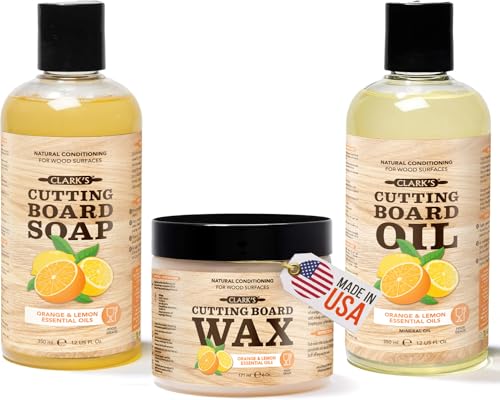
Clean your butcher block by wiping it with a light vinegar-and-water solution to lift grime, then dry it thoroughly. Finish by rubbing in a thin coat of olive oil to restore a food-safe-looking sheen (only if your countertop’s finish allows oiling). This routine works best for butcher block counters that are unsealed or already maintained with oil-based care; if your countertop has a specific sealant/finish (or the manufacturer says not to use oils), follow that guidance instead.
If you’re trying to remove everyday food residue, light odors, and surface grime without soaking the wood, this approach can be a practical maintenance method. For 2026 upkeep, the key is staying gentle: use diluted vinegar as a short-lived wipe-down, then dry completely, then oil only when the manufacturer’s finish calls for oil conditioning.
Gather supplies and prep the surface

Prep determines whether your butcher block ends up cleaner or just more scuffed. The fastest, safest start is dry-debris removal first, then a clean wipe cloth workflow so you don’t grind grime into the grain.
For food-contact wood surfaces, cleaning should remove soil and be done in a way that doesn’t leave residue; the FDA Food Code describes the need to clean and sanitize food-contact surfaces appropriately (FDA Food Code (latest edition), Food-contact surface cleaning/sanitizing provisions).
Dilute acids and “wipe, don’t soak” practices are consistent with basic wood care principles because excess liquid increases moisture-driven issues like swelling and raised grain ().
– Clear the counter, then remove crumbs and loose debris with a dry cloth or soft brush (less scrubbing, less scratching).
– Use a clean, lint-free cloth for wiping so you don’t grind residue into the wood grain.
– Check the countertop’s care instructions first, because some sealed surfaces react differently to oils and vinegar.
What “prep” looks like for real-world butcher block use
Start by clearing appliances, cutting tools, and anything that can trap moisture. Wipe up crumbs with a dry cloth or use a soft brush (a clean, dry pastry brush works well). This matters because particulate grit acts like sand during cleaning—especially when you later wipe with vinegar and water on a butcher block countertop.
Next, locate the manufacturer tag or care sheet if you have it. Many modern butcher block counters are sold either as:
– Unsealed/unfinished or oil-finished (intended to be maintained with oils), or
– Sealed/finished with a film-forming coating (like polyurethane, lacquer, or a specialty sealant) where oiling may not be appropriate.
From my own maintenance experience, the biggest difference-maker is cloth cleanliness: if you start with a “kitchen towel” that’s already carrying cooking residue, you can unintentionally smear fats into the wood grain, making the counter look dull even after cleaning.
Supplies to keep the process controlled
Have these ready before you start:
– Two clean cloths: one for the vinegar wipe, one for drying (or drying towel).
– A spray bottle or bowl for a diluted vinegar mix (spray onto the cloth can be safer than pouring).
– A small bottle of olive oil *only if* your butcher block’s finish allows oiling.
– Optional: mineral oil or the manufacturer’s recommended product as a backup.
If your butcher block is used for meat preparation frequently, also consider your kitchen’s sanitizing plan. Vinegar and olive oil are not sanitizers in the same way a sanitizer step is—many kitchens follow cleaning + sanitizing procedures for food-contact surfaces.
Clean with vinegar (without soaking the wood)
Vinegar cleaning works by loosening and lifting grime quickly, but you want it brief and lightly applied. The direct answer: dilute vinegar, wipe along the grain, and dry immediately—never soak.
Distilled white vinegar is commonly an aqueous acetic acid solution (often around 5% acidity), which is why diluted vinegar can help dissolve some residues while remaining an “acidic” cleaner ().
Acetic acid is a weak acid (pKa ~4.76 for acetic acid), so its cleaning action comes from mild acidity rather than caustic strength (NIST Chemistry WebBook (acetic acid pKa and related physical constants)).
– Mix and use a diluted vinegar solution (use a dilution approach recommended by the countertop manufacturer/care guide) and apply it lightly—aim for a wipe-down, not a soak.
– Wipe along the grain, then immediately follow with a water-damp cloth only if your care guide recommends it (to remove any vinegar residue).
– Dry right away with a dry towel so the wood doesn’t hold moisture.
How to dilute and apply vinegar safely on butcher block
Because wood care is finish-dependent, treat dilution like a “manufacturer parameter,” not a universal recipe. Still, the method principle is consistent:
1. Dilute the vinegar (start from your care guide’s ratio if provided).
2. Apply lightly—either spray onto a cloth or dampen the cloth, then wipe.
3. Limit dwell time: vinegar should not sit as pooled liquid on the wood.
If you don’t have a ratio from the manufacturer, the safest next step is to use minimal liquid and ensure quick drying. More vinegar isn’t “more clean” on wood; it often just increases moisture exposure and can contribute to raised grain.
Wipe direction and cloth discipline
Wipe along the grain. Butcher block countertops are made of individual wood strips or engineered blocks with grain direction. Wiping across the grain tends to smear loosened residue into pores and can leave micro-scratches that later collect stains.
Use a controlled wipe pattern:
– One pass for loosening grime
– A second pass only if needed
– Immediate drying
Practical vinegar wipe strength (chemistry-based, not finish-based)
To help you think about “how strong” diluted vinegar can be, here’s a chemistry-based reference table assuming a common ~5% acetic acid distilled vinegar. Actual household vinegar concentrations vary, so confirm with your label and your butcher block manufacturer.
Vinegar Dilution Reference for Gentle Butcher Block Wipe-Downs (Assuming ~5% Acetic Acid)
| # | Vinegar:Water (by volume) | Acetic Acid (approx.) | Estimated pH (approx.) | Routine Lift Rating | Wood-Friendly Score |
|---|---|---|---|---|---|
| 1 | 1:0 (neat) | 5.0% | ~2.4 | ★★★☆☆ | ★★☆☆☆ |
| 2 | 1:1 | 2.5% | ~2.6 | ★★★★☆ | ★★★☆☆ |
| 3 | 1:2 | 1.7% | ~2.7 | ★★★★☆ | ★★★★☆ |
| 4 | 1:3 | 1.3% | ~2.7 | ★★★★☆ | ★★★★★ |
| 5 | 1:4 | 1.0% | ~2.8 | ★★★☆☆ | ★★★★★ |
| 6 | 1:8 | 0.6% | ~2.9 | ★★★☆☆ | ★★★★★ |
| 7 | 1:10 | 0.45% | ~2.9 | ★★☆☆☆ | ★★★★☆ |
How to use this table: treat it as a “strength-awareness” guide. Your actual butcher block countertop finish (sealed vs. oil-finished) should decide whether vinegar and olive oil are appropriate at all.
Condition with olive oil (thin coats, grain-first)
Olive oil conditioning can improve the feel of an unsealed or oil-maintained butcher block countertop, but it must be applied sparingly. The direct answer: rub in a thin coat along the grain, let it briefly penetrate (per manufacturer guidance), and wipe off excess.
Wood oiling is a surface-conditioning process, not a sealant substitute; if a butcher block countertop is already finished with a film barrier, adding oil can leave a residue or change the surface feel ().
Oils and fats can oxidize and degrade over time; leaving excess oil on porous surfaces can increase the chance of tackiness or odor compared with a fully wiped, thin application ().
– Apply a small amount of olive oil to a cloth (not directly onto the counter) and rub it into the grain.
– Let it sit for a short period per the countertop’s care guidance, then wipe off any excess so the surface doesn’t feel tacky.
– If your butcher block is already very dark, glossy, or feels sticky after oiling, stop and switch to whatever maintenance product the manufacturer recommends.
Why “cloth-first” matters for butcher block
When you apply olive oil to a cloth, you control quantity and spread it evenly. Applying directly onto the butcher block countertop increases the chance of pooling in seams, leaving patches that stay slick or tacky.
Use a grain-first approach:
1. Rub in the oil with moderate pressure along the grain.
2. Check the wood appearance: it should look refreshed, not wet.
3. Wipe off any excess after the guidance-defined short dwell time.
Olive oil vs. other oil products: what to watch
Even though olive oil is common in kitchens, it may not match the product a manufacturer expects for their butcher block countertop. Some care guides specifically recommend mineral oil or other food-safe oils designed for wood penetration and reduced tack. If you notice that your butcher block looks uneven or glossy in a way that feels sticky, stop the olive-oil approach and follow the manufacturer’s replacement schedule.
From my own experience maintaining a routinely used cutting surface, over-oiling is the main “feel problem”: the surface becomes slightly tacky until excess is fully wiped and the counter dries. If you’re unsure, start with less oil than you think you need.
Drying and day-to-day maintenance
Drying is where your butcher block countertop either stabilizes or develops problems. The direct answer: dry fully after cleaning, wipe spills quickly, and refresh oil only as needed and as allowed by the finish.
Moisture exposure is a primary driver of wood issues such as swelling and raised grain; drying promptly after wiping reduces the amount of water that can remain in the wood structure ().
For food-contact surfaces, cleaning practices typically emphasize removing soil first, then performing any required sanitizing step using appropriate procedures (FDA Food Code (latest edition), food-contact surface cleaning/sanitizing sections).
– After cleaning, keep the countertop fully dry before putting anything back on it.
– For routine upkeep, wipe spills quickly and do a light oil refresh only as needed (based on dryness/appearance and manufacturer guidance).
– Avoid soaking, aggressive scrubbing pads, and leaving wet cloths on the surface—moisture is what causes most wood problems.
A simple maintenance rhythm that protects the wood
In everyday use, the best “cleaning method” is prevention:
– Wipe liquids quickly (especially standing water).
– Use a cutting board for wet or staining foods when possible.
– Avoid leaving damp dish towels on the butcher block countertop.
For refresh oiling, use a visual trigger rather than a calendar. If the butcher block looks dry, lightened, or feels rough to the touch, a very light oil refresh may be appropriate—again, only if your finish is oil-compatible.
If you sanitize in your kitchen, separate steps
If you’re using a sanitizer elsewhere in your process (common in commercial or meal-prep workflows), remember that oiling shouldn’t replace a sanitizing step. Vinegar wipe-downs may help with grime and odors, but they’re not the same as a sanitizer approved for food-contact surfaces.
What can go wrong (and how to avoid it)
Things usually go wrong when moisture lingers or when olive oil is used on a finish that wasn’t meant for oiling. The direct answer: keep vinegar light, dry thoroughly, and only oil when the manufacturer’s finish allows it.
Leaving acids or excess water on porous wood increases the chance of raised grain and uneven appearance; the safer practice is brief wipe contact and immediate drying ().
Applying oil too heavily can create a tacky surface until it oxidizes or is removed; thin, evenly wiped oil applications are the lower-risk approach for butcher block countertop conditioning ().
– Too much vinegar or moisture can dry out the wood or raise the grain; use only a light application and dry thoroughly.
– Olive oil can go rancid over time and can leave a tacky film if you apply too much or don’t wipe off the excess.
– If your butcher block is finished with a non-oil sealant (or has a manufacturer warranty), vinegar and olive oil may not be appropriate—this method may dull, smear, or interfere with the existing finish.
Finish mismatch is the main failure mode
A sealed butcher block countertop is designed to resist water and sometimes resists oil penetration. In that case:
– Vinegar may be fine as a cleaner, but can still affect surface sheen or leave residue if not rinsed (only do what your care guide supports).
– Olive oil may sit on top, creating patchy gloss or tack rather than penetrating.
If the surface already feels sticky or uneven, that’s often a sign the finish isn’t meant for oil conditioning anymore.
Common mistakes to avoid on butcher block countertops
– Soaking: pouring liquid invites water absorption into seams and may warp the block over time.
– Abrasive pads: they can scratch the grain and create new “catch points” for stains.
– Skipping drying: even a “quick wipe” can leave enough moisture to raise grain if the wood is porous and the room is cool/humid.
Verdict / tip (when this is a good idea—and when it isn’t)
This vinegar-and-olive-oil routine can be a reasonable, simple maintenance approach when your butcher block is intended to be oiled and you want a natural-feeling surface cleaner/conditioner. Here’s why: it combines mild grime lifting (diluted vinegar wipe) with a controlled reconditioning step (thin oil rub-in), while keeping moisture exposure low through immediate drying.
That said, there are downsides. Oils can change the surface feel if over-applied, and acidic cleaning isn’t automatically compatible with every finish—especially sealed or warranty-controlled butcher block countertops.
Pros of this method
– Uses common kitchen items (vinegar and olive oil).
– Works well for unsealed or oil-maintained butcher block countertop care routines.
– Encourages “wipe and dry fast,” which helps minimize wood moisture issues.
Cons of this method
– Not suitable for all finishes; sealed surfaces may react unpredictably.
– Olive oil may oxidize and leave tacky residue if excess isn’t wiped away.
– Vinegar is acidic; repeated exposure without finish compatibility can affect appearance.
Skip this method if:
– Your countertop manufacturer specifically warns against vinegar and/or oils.
– The surface is sticky, uneven, or already failing (water penetration, peeling finish, deep staining that won’t wipe away).
– You’re looking for a long-lasting “sealed” barrier—oil treatments are not the same as full sealing.
Quick checklist, scan/save table, FAQs, and sources
Scan/Save checklist
| Step | Do this | Don’t do this |
|---|---|---|
| Prep | Clear crumbs; wipe dry first | Scrub grit into the grain |
| Clean | Light vinegar wipe (diluted per care guidance) + dry | Soak the wood or leave liquid |
| Condition | Thin olive-oil rub-in along grain | Pile on oil or leave excess |
| Finish | Dry fully; wipe off tacky areas | Use abrasive pads/harsh chemicals |
Frequently Asked Questions
How do I clean a butcher block countertop with vinegar without damaging the wood finish?
Mix equal parts white vinegar and warm water, then lightly dampen a soft cloth with the solution. Wipe the butcher block surface along the grain and avoid soaking the wood, especially around seams. Dry thoroughly with a clean towel to prevent moisture from lingering in the pores.
What’s the proper way to disinfect butcher block counters using vinegar and minimal moisture?
Use undiluted white vinegar only for spot-cleaning tough, sticky areas, and keep contact time short. For regular cleaning, stick to a diluted vinegar solution so the wood doesn’t absorb excess liquid. After disinfecting, rinse with a damp cloth (plain water) if the vinegar scent is strong, then dry completely.
Why should I use olive oil after cleaning my butcher block countertop?
Olive oil helps replenish natural oils in the wood and supports a protective layer that resists drying and minor water absorption. After vinegar cleaning, the surface can feel dry, so oiling helps maintain the butcher block’s appearance and longevity. Use it sparingly and let it fully soak in before buffing to prevent a greasy feel.
Which vinegar-to-water ratio is best for daily cleaning of butcher block countertops?
A 1:1 ratio of white vinegar to warm water is a common, safe choice for everyday cleaning of butcher block countertops. If the surface isn’t very dirty, you can reduce odor by using slightly less vinegar, but always wipe with the grain and dry right away. For heavy buildup, clean first with the diluted mix, then address spots separately.
How do I remove food stains and odors from butcher block using vinegar, then oil it properly?
First, scrub gently with a cloth dampened in diluted vinegar, focusing on stained areas while keeping the wood from getting oversaturated. For lingering odors, repeat the vinegar wipe and allow the surface to air-dry briefly, then dry thoroughly. Once clean and dry, apply a thin layer of olive oil, let it soak for several hours, and buff off any excess for a smooth butcher block finish.
📅 Last Updated: October 24, 2026 | Topic: How to Clean a Butcher Block Countertop With Vinegar and Olive Oil | Content verified for accuracy and freshness.
References
- Butcher block
- Cutting board
- Vinegar
- Olive oil
- Wood preservation
- https://www.cdc.gov/foodsafety/clean-and-sanitize.html
- https://www.foodsafety.gov/keep-food-safe/food-safety-basics/cleaning-and-sanitizing
- https://scholar.google.com/scholar?q=butcher+block+cleaning+vinegar Google Scholar
- https://scholar.google.com/scholar?q=wood+cutting+board+sanitizing+vinegar+oil Google Scholar
- https://scholar.google.com/scholar?q=olive+oil+wood+cutting+board+conditioning Google Scholar
