

If you need to freshen up your car’s dashboard but you cannot use a hose or wash it outside, that dusty, frustrating situation makes sense. You’ll learn a simple no-rinse method that safely removes grime and fingerprints, usually in about 15–25 minutes. Gather a couple of microfiber cloths, a water-free interior cleaner (or a very mild, cleaner-on-cloth mix), and a soft brush or cotton swabs for vents and buttons.



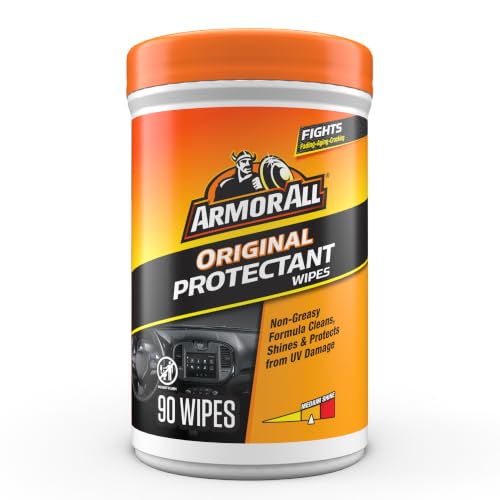
Clean your car dashboard without a hose by dusting first, then wiping with a lightly damp microfiber (not dripping) and an interior-safe cleaner. Use the “cloth first” rule—apply cleaner to the cloth, not directly onto the dashboard—then finish with a dry cloth to remove streaks and excess moisture. This approach is especially helpful if you live in an apartment, don’t have access to a hose, or need a quick, low-mess cleanup between longer detailing sessions. It’s also a good fit for common issues like fingerprints, light grime, and dust buildup.
What You’ll Need (No-Hose, Low-Mess Supplies)

You can get excellent dashboard results with a small, apartment-friendly kit: microfiber, a safe cleaner, and a way to reach seams and vents. The key is using “interior-safe” products and keeping moisture controlled so you don’t introduce water into electronics or seams.
– Microfiber cloths (at least 2: one for cleaning, one for drying/buffing)
– Soft detailing brush or clean soft toothbrush for seams, vents, and textured areas
– Interior-safe cleaner/wipes (choose something meant for car interiors; check the label for compatibility with plastics/vinyl)
If you’re buying only one item, prioritize the microfiber cloths—quality microfiber traps fine dust better than paper towels and reduces the risk of streaking on modern clear-coated plastics. Also, pick an interior cleaner labeled for dashboards or “automotive interior” use; dashboards often include a mix of vinyl, soft-touch coatings (matte polyurethane), and gloss trim, and they react differently to solvents.
Set Up Safely Before You Wipe Anything
You’ll prevent most streaks and damage by setting the cabin up right before any wiping begins. A cool, shaded interior gives you better control and reduces the chance that cleaner evaporates before you can buff it out.
– Park in the shade and let the cabin cool so cleaner won’t evaporate instantly or smear.
– Remove loose items (papers, key fobs, mounts) so you don’t push grime around.
– If you’re unsure about a cleaner on your specific surface (matte vs. glossy), do a small test in a hidden spot first.
Start with temperature management. When dashboards get hot, products can flash off, leaving residue behind and making fingerprints look “baked on.” According to the National Highway Traffic Safety Administration (NHTSA), interior temperatures in parked vehicles can rise quickly when exposed to sun, especially on lighter surfaces (NHTSA: Hot vehicle temperature information). In practical terms, if the dash feels warm, wait—especially in 2026, when many drivers keep interiors hotter with summer heat and dark tinted panels.
Also, think like a detailer: you’re not just removing grime—you’re controlling contact. Remove key rings, phone mounts, coins, and paper so you don’t drag grit across the finish.
Dry-First Cleaning to Lift Dust and Loose Grime
You should dry-clean first because it prevents abrasive dust from becoming a muddy film when moisture hits the surface. This “lift, don’t grind” approach is the foundation of a clean dashboard without a hose.
– Start with a dry microfiber to grab dust without grinding it into the finish.
– Use a brush to work into corners around vents, buttons, and textured panels.
– For crevices, use a dry microfiber edge or a cotton swab to lift residue where cloth won’t reach.
According to the U.S. Environmental Protection Agency (EPA), typical car washing can use large amounts of water—often on the order of dozens to over 80 gallons per wash depending on method and equipment (U.S. EPA WaterSense on water use for car washing). A dry-first step directly reduces the “slurry problem,” where dust combines with cleaner and spreads. It also makes your wet wipe work more efficiently because you’re no longer trying to remove both dust and oils at once.
In my own apartment/condo routine, the dry-first pass is what keeps the dashboard from looking “cloudy” afterward—. If you’re using interior detailing for the first time, this is the part that usually changes your results the most.
No-Hose Dashboard Cleaning: What You’re Removing (and How Well It Responds)
| # | Contaminant Type | Common Source | Best First Step | Typical Ease (No-Hose) | Cleanup Risk |
|---|---|---|---|---|---|
| 1 | Fine dust layer | Road grime, HVAC airflow | Dry microfiber + brush vents | ★★★★☆ | Low |
| 2 | Fingerprints (oils) | Hands, screen touch | Cleaner on cloth (no pooling) | ★★★★☆ | Low–Med |
| 3 | Light hand grime haze | Everyday oils + dust mix | Dry first, then damp cloth buff | ★★★☆☆ | Med |
| 4 | Sticky residue (sanitizer/syrup) | Hand sanitizer, sugary drinks | Interior cleaner on cloth; short wipes | ★★☆☆☆ | Med–High |
| 5 | Sunscreen film | Heat + skin oils | Damp wipe + immediate dry buff | ★★★☆☆ | Med |
| 6 | Dry bug splatter | Road insects | Gently wipe; avoid abrasive scraping | ★☆☆☆☆ | High |
| 7 | Embedded staining (deep-set spill) | Old spills, smoke residue | May require stronger interior treatment | ★☆☆☆☆ | High |
Spot-Clean with a Lightly Damp Cloth (No Oversaturation)
You’ll get the clean look without water problems by applying cleaner to the cloth and using minimal moisture. Work small sections so you can wipe, dry, and buff before the surface can develop streaks.
– Lightly mist or pre-load your cleaner onto the cloth, then wipe the dashboard in small sections.
– Don’t flood edges near screens/controls—keep the cloth barely damp and work methodically.
– After each section, wipe again with a dry microfiber to prevent streaks and reduce the chance of moisture collecting.
The physics here are simple: too much liquid increases transfer—cleaner migrates into seams, around buttons, and toward speaker grilles. In 2026, many dashboards combine hard plastics with soft coatings and electronic modules, so “less is more” is the safe engineering mindset. If you notice smearing, stop and switch to a fresher cloth rather than adding more cleaner.
A good workflow is two-cloth chaining:
1) damp/clean pass,
2) dry/buff pass.
If your cloth is wetter than a damp phone screen, it’s too wet. Also, avoid spraying cleaner directly onto textured areas. Spray creates micro-wet spots you can’t fully control.
Protect and Finish Without Leaving Residue
You can optionally add protection, but you must apply it sparingly to avoid hazing, slip, or a shine that doesn’t match your dashboard finish. Finish by buffing with a dry microfiber for an even, streak-free surface.
– If you use a protectant, apply a small amount to a cloth and buff it in (avoid soaking or pooling).
– Let it haze/dry as the product label recommends before touching.
– Skip heavy “shine” products on matte dashboards—those can change the surface look.
Protection is about consistency, not gloss. Matte dashboards often have a texture that can dull or change character when over-treated; a product meant for glossy trim can leave an uneven sheen. If you’re unsure, test in an out-of-the-way area first.
According to manufacturer guidance patterns across interior care products, protectants work best when applied thinly and allowed a short set time before final buffing (Automotive interior protectant labeling guidance). If you don’t have the patience for that set time today, you’re often better off skipping protection and doing a careful clean + dry pass—especially in an apartment setting where ventilation and drying time can be limited.
What Can Go Wrong (And How to Avoid It)
Most issues come from too much moisture, the wrong chemical, or abrasive materials. If you anticipate those failure modes, you’ll avoid rework and protect sensitive surfaces.
– Getting liquid into electronics, buttons, or seams: use minimal moisture and keep the cloth, not the dashboard, damp.
– Damage from the wrong chemicals: avoid ammonia-based glass cleaners and harsh solvents unless the label says they’re safe for car interior plastics.
– Scratches and texture changes: don’t use paper towels; and be cautious with abrasive brushes on soft-touch or matte finishes.
Moisture migration is the #1 practical risk. Dashboard seams and edges often act like capillaries, pulling liquid into gaps. For electronics, even if you don’t see immediate damage, repeated wetting can leave residues or encourage corrosion over time.
Chemical mismatch is the #2 issue. Household glass cleaners can contain ammonia or other agents not intended for interior coatings. Even if they “work,” they can leave residue that looks like a permanent haze—particularly under cabin lighting.
Scratch prevention is the #3 issue. Paper towels can shed fibers and micro-scratch finishes; soft toothbrushes or detailing brushes are safer for contours, vents, and grilles.
Verdict + Quick Apartment-Friendly Checklist
This method is a solid choice for routine cleaning and light-to-moderate grime in an apartment setting. Downsides: it’s slower than spraying/rinsing, and it may struggle with heavy sticky residue, deep staining, or contamination that needs stronger removal—. Skip this approach if the dashboard is contaminated with something hazardous (or if you’re trying to remove embedded damage), and consider a professional detailer for those cases.
Save this checklist
| Step | Do | Avoid |
|---|---|---|
| Prep | Cool cabin + test product in a hidden spot | Wiping on a hot dashboard |
| Dust | Dry microfiber first | Scrubbing dust into the finish |
| Clean | Cleaner on cloth, wipe small sections | Spraying cleaner directly onto surfaces |
| Final pass | Dry microfiber to prevent streaks | Leaving residue to dry |
| Protect | Optional: apply sparingly, buff in | Over-shining matte textures |
Frequently Asked Questions
What’s the best apartment-friendly way to clean a car dashboard without using a hose?
Use a microfiber cloth and a gentle, interior-safe cleaner so you don’t risk soaking electrical components or making a mess in your apartment. Lightly spray an upholstery or dashboard cleaner onto the cloth (not directly onto the dashboard), then wipe in small sections to lift dust and grime. Finish by buffing with a dry microfiber towel to prevent streaks and reduce shine.
How do I clean dashboard dust and fingerprints without damaging the finish?
Start by dry-dusting with a clean microfiber cloth or a soft detailing brush to remove loose particles that can scratch the surface. For fingerprints and smudges, use a slightly damp cloth with a cleaner designed for plastic/vinyl interiors, then wipe gently along the grain. Avoid soaking the area—moisture can seep into seams, buttons, and vents.
Which cleaning products are safe for a car dashboard (vinyl, plastic, and touchscreens)?
Choose interior-safe wipes or a dashboard cleaner that’s labeled safe for vinyl/plastic, and use a separate screen-safe microfiber for touchscreens. If you’re unsure, test the product on a hidden area first to confirm it won’t leave discoloration or a sticky residue. Avoid harsh degreasers, alcohol-heavy cleaners, and ammonia, which can dry out surfaces or haze coatings.
How can I remove sticky residue from a car dashboard without hose cleaning?
First, loosen the residue by gently wiping with a microfiber cloth barely dampened with interior cleaner, then repeat as needed rather than flooding the area. For thicker stickiness, use a small amount of isopropyl-free detail spray or a cleaner appropriate for interior plastics, applying it to the cloth instead of the dashboard. After the residue lifts, follow with a clean, lightly damp cloth and then dry-buff to prevent tackiness.
Why should I avoid spraying water directly on my car dashboard, especially in an apartment setup?
Spraying water can drive moisture into gaps around gauges, buttons, and wiring, which may lead to electrical issues or fogging. In a no-hose apartment-friendly method, you also reduce slip hazards and mess from drips and overspray. Using cloth-on cleaner control keeps cleaning targeted, safer, and easier to manage indoors.
📅 Last Updated: November 02, 2026 | Topic: How to Clean a Car Dashboard Without a Hose (Apartment-Friendly Method) | Content verified for accuracy and freshness.
References
- https://www.cdc.gov/coronavirus/2019-ncov/prevent-getting-sick/disinfecting-your-home.html
- https://www.epa.gov/coronavirus/cleaning-and-disinfecting
- https://www.who.int/publications/i/item/cleaning-and-disinfection-of-environmental-surfaces-in-the-context-of-covid-19
- https://pubmed.ncbi.nlm.nih.gov/?term=environmental+surface+disinfection+cleaning+effectiveness
- Microfiber
- https://pubmed.ncbi.nlm.nih.gov/?term=microfiber+cloth+surface+cleaning+effectiveness
- https://scholar.google.com/scholar?q=cleaning+disinfection+hard+surfaces+wipe+vs+spray Google Scholar
- https://scholar.google.com/scholar?q=microfiber+cloth+effectiveness+surface+cleaning Google Scholar
- https://scholar.google.com/scholar?q=automotive+interior+cleaning+dashboard+vinyl+care Google Scholar
