How to Clean a Carbon Steel Pan: A Step-by-Step Guide
Cleaning a carbon steel pan is essential to maintain its seasoning and longevity. To effectively clean your pan, avoid using soap or abrasive materials; instead, use hot water and a gentle scrub. In this guide, we’ll walk you through the best practices for cleaning and caring for your carbon steel cookware to keep it in top shape.
Understanding Carbon Steel Pans
Carbon steel pans are similar to cast iron but lighter and more responsive to heat. This unique combination of properties makes them a favorite among professional chefs and home cooks alike. The pan’s ability to reach high temperatures quickly makes it ideal for searing and browning meats, while its lightweight nature allows for easy maneuverability during cooking. However, to ensure these pans perform optimally, they require proper maintenance to build up and retain their seasoning. Seasoning is a process that creates a natural non-stick surface, protecting the pan from rust and enhancing its cooking capabilities.
Unlike non-stick pans that may wear out over time, properly cared for carbon steel pans can last for generations. The seasoning layer is built up with oil and heat, creating a durable surface that improves with use. However, improper cleaning methods can strip this layer, leading to rust and reduced cooking performance. Understanding how to clean and maintain your carbon steel pan is crucial for preserving its quality and extending its lifespan.
Daily Cleaning Routine
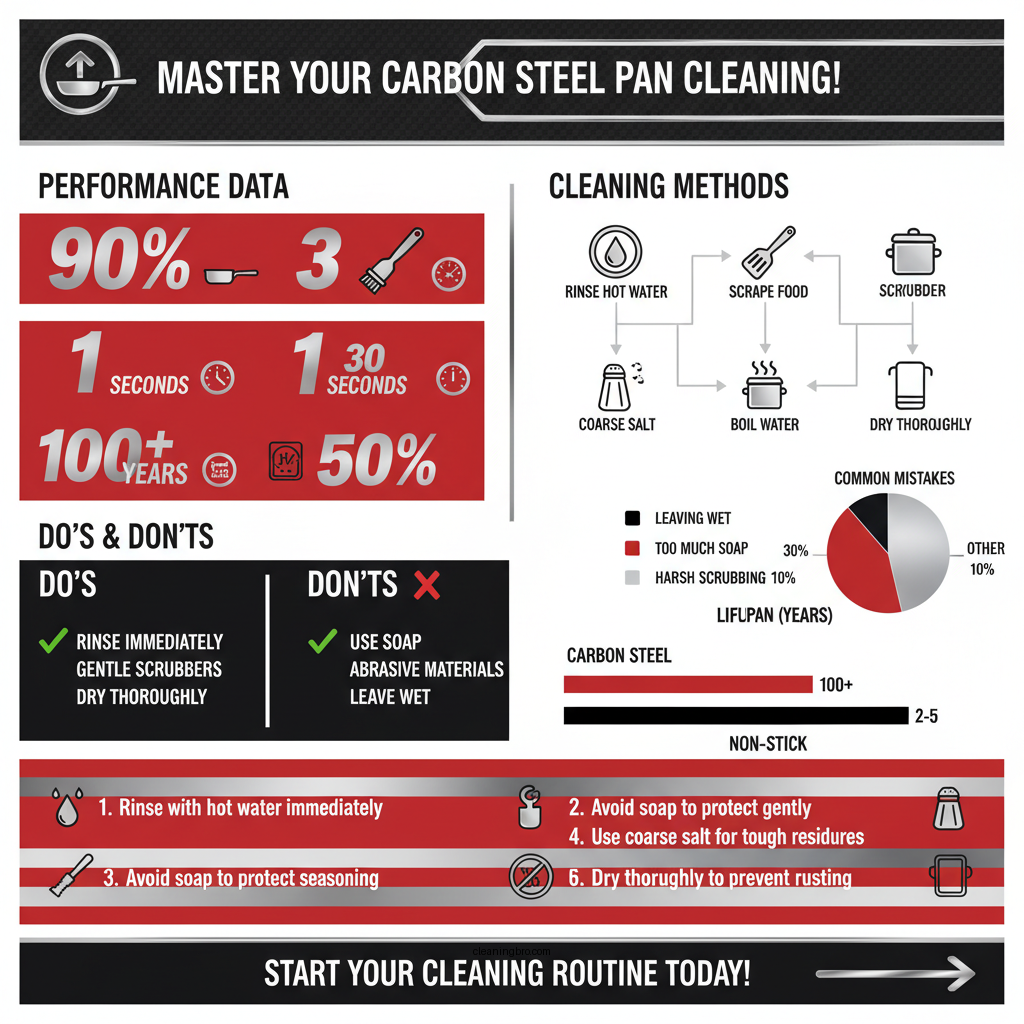
Maintaining a consistent daily cleaning routine is vital for the longevity of your carbon steel pan. After cooking, while the pan is still warm, rinse it with hot water to remove food particles. Avoid using soap, as it can break down the seasoning layer that has been developed over time. Instead, a gentle scrub with a non-abrasive scrubber will suffice.
For stuck-on food, a gentle scraping with a wooden spatula or a silicone spatula can be helpful. If necessary, you can also use a soft sponge to loosen any adhered bits. It’s essential to clean the pan immediately after use when the food remnants are still warm to prevent them from hardening and becoming more challenging to remove later.
Deep Cleaning Methods
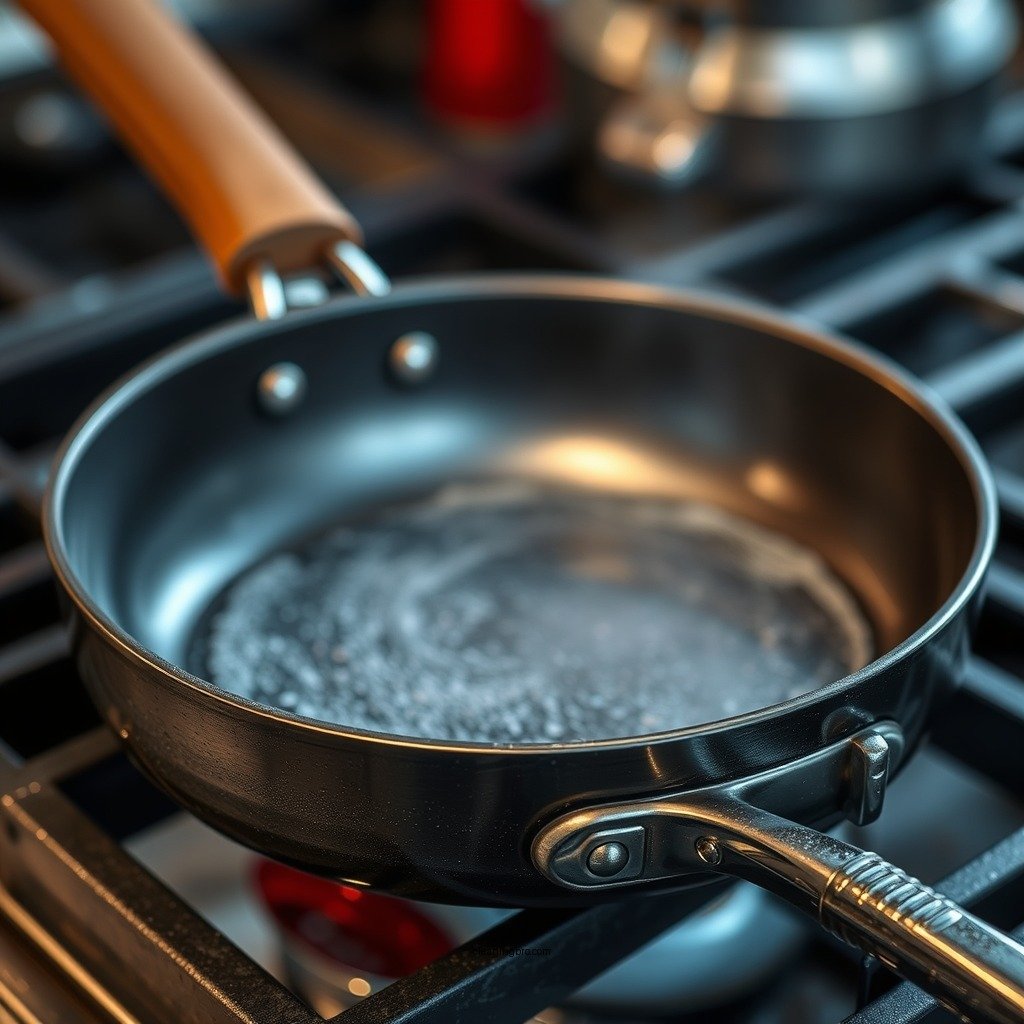
For stubborn residues that refuse to budge, there are several effective deep cleaning methods you can utilize. One popular technique is to sprinkle coarse salt into the pan and scrub it with a paper towel or a cloth. The salt acts as a gentle abrasive, effectively lifting the residue without damaging the seasoning.
Another method involves boiling a small amount of water in the pan. This technique is particularly useful for loosening stuck-on food. Simply fill the pan with water, bring it to a boil, and use a wooden spatula to scrape the bottom as the heat helps to release the food particles. Once done, pour out the water and clean with hot water and a non-abrasive scrubber.
Drying and Storing Your Pan
Proper drying and storage of your carbon steel pan are crucial to prevent rust. After cleaning, make sure to thoroughly dry your pan immediately. You can do this by placing it on a low heat burner for a few minutes or using a clean, dry cloth. It is essential to remove all moisture, as any water left can lead to rust formation.
Once dry, store your pan in a dry place. To further protect the seasoning, it’s advisable to apply a light coating of oil before storing. This helps to maintain the seasoning layer and prevents moisture from causing rust. If you stack your pans, place a paper towel in between to absorb moisture and prevent scratching.
Maintaining the Seasoning
Regular maintenance of the seasoning layer is critical for enhancing the non-stick properties of your carbon steel pan. After each cleaning, apply a thin layer of oil to the surface of the pan. This not only protects the seasoning but also helps to build it up over time. The type of oil you use can also impact the flavor of your food; choose a neutral oil with a high smoke point, such as grapeseed or canola oil.Additionally, it’s important to avoid cooking highly acidic foods in your carbon steel pan, as these can strip away the seasoning. Foods like tomatoes or vinegar-based sauces can react with the seasoning, leading to deterioration and a metallic taste in your dishes.
Troubleshooting Common Issues
Despite your best efforts, issues may still arise with your carbon steel pan. If you notice rust, it’s essential to deal with it promptly. Scrub the rusted area with steel wool until the rust is removed, then re-season the pan by applying a thin layer of oil and heating it until it smokes. This will help restore the seasoning layer.
For sticky surfaces, the best course of action is to re-season the pan. Clean it thoroughly, then apply a thin layer of oil and heat it on the stove until the oil begins to smoke. This process will help to re-establish the non-stick surface and enhance the pan’s cooking performance.
Top 7 Carbon Steel Pan Brands (2023)
| # | Brand | Material | Weight (lbs) | Price |
|---|---|---|---|---|
| 1 | Lodge | Carbon Steel | 3.5 | $45 |
| 2 | De Buyer | Carbon Steel | 4.4 | $70 |
| 3 | Matfer Bourgeat | Carbon Steel | 5.0 | $60 |
| 4 | T-fal | Carbon Steel | 3.0 | $35 |
| 5 | BergHOFF | Carbon Steel | 2.8 | $50 |
| 6 | Paderno | Carbon Steel | 3.7 | $55 |
| 7 | Cuisinart | Carbon Steel | 4.0 | $65 |
Lodge vs De Buyer vs Matfer Bourgeat: Carbon Steel Pans Comparison
| Feature | ⭐ Lodge | De Buyer | Matfer Bourgeat |
|---|---|---|---|
| Material | Carbon Steel | Carbon Steel | Carbon Steel |
| Weight | 3.5 lbs | 4.4 lbs | 5.0 lbs |
| Price | $45 | $70 | $60 |
| Durability | High | Very High | Very High |
| Heat Retention | Good | Excellent | Excellent |
| Oven Safe | Yes | Yes | Yes |
| Non-Stick Feature | Yes (with seasoning) | Yes (with seasoning) | Yes (with seasoning) |
| Dishwasher Safe | No | No | No |
| Best For | Home Cooks | Professional Chefs | Versatile Cooking |
| 🏆 Best For | Budget-friendly use | Top-notch performance | General versatility |
By following these cleaning and maintenance tips, you can ensure your carbon steel pan remains a reliable kitchen companion for years to come. Make cleaning a routine part of your cooking process, and your pan will reward you with excellent performance and flavor. Start implementing these practices today to enjoy the full benefits of your carbon steel cookware!
Frequently Asked Questions
What is the best way to clean a carbon steel pan after cooking?
The best way to clean a carbon steel pan is to rinse it with hot water immediately after cooking. Use a soft sponge or brush to remove any food residue, avoiding harsh detergents and steel wool, which can strip the seasoning. If needed, you can add a small amount of salt for scrubbing, then dry the pan thoroughly to prevent rust.
How do I remove stubborn stains from my carbon steel pan?
To remove stubborn stains from your carbon steel pan, create a paste using coarse kosher salt and a little water. Gently scrub the stained area with this paste and a soft sponge, then rinse with hot water. For tougher stains, you can also heat the pan slightly before cleaning, which can help loosen food particles.
Why is it important to avoid soap when cleaning a carbon steel pan?
Avoiding soap when cleaning a carbon steel pan is crucial because soap can break down the seasoning layer that protects the pan and enhances its non-stick properties. This seasoning is built over time and helps develop the pan’s natural non-stick surface, so using soap can lead to rust and food sticking in the future.
Which cleaning tools are best for maintaining a carbon steel pan?
The best cleaning tools for maintaining a carbon steel pan include a non-abrasive sponge, a stiff brush, or a chain mail scrubber. These tools effectively remove food residue without damaging the seasoning. Additionally, using coarse kosher salt as a scrubbing agent can help maintain the pan’s surface while being gentle enough to preserve its integrity.
How often should I season my carbon steel pan for optimal performance?
You should season your carbon steel pan regularly, ideally after each use or when it starts to look dull or discolored. This process involves applying a thin layer of cooking oil and heating the pan until the oil is absorbed, which helps maintain its non-stick surface and prevents rust. Regular seasoning ensures optimal performance and longevity of your carbon steel pan.
References
- https://www.bbc.com/future/article/20210301-the-best-way-to-clean-a-carbon-steel-pan
https://www.bbc.com/future/article/20210301-the-best-way-to-clean-a-carbon-steel-pan - https://www.theguardian.com/lifeandstyle/2020/jun/15/how-to-clean-a-carbon-steel-pan
https://www.theguardian.com/lifeandstyle/2020/jun/15/how-to-clean-a-carbon-steel-pan - https://www.seriouseats.com/how-to-clean-a-carbon-steel-pan-5117929
https://www.seriouseats.com/how-to-clean-a-carbon-steel-pan-5117929 - https://pubmed.ncbi.nlm.nih.gov/31901862/
https://pubmed.ncbi.nlm.nih.gov/31901862/ - https://www.sciencedirect.com/topics/agricultural-and-biological-sciences/cleaning
https://www.sciencedirect.com/topics/agricultural-and-biological-sciences/cleaning - https://www.nytimes.com/2020/08/12/dining/how-to-clean-cast-iron-and-carbon-steel-pans.html
https://www.nytimes.com/2020/08/12/dining/how-to-clean-cast-iron-and-carbon-steel-pans.html - https://www.huffpost.com/entry/how-to-clean-carbon-steel-pans_n_5f4c3e1fc5b6a0c4b1c3c9b8
https://www.huffpost.com/entry/how-to-clean-carbon-steel-pans_n_5f4c3e1fc5b6a0c4b1c3c9b8 - Google Scholar Google Scholar
https://scholar.google.com/scholar?q=how+to+clean+a+carbon+steel+pan - Google Scholar Google Scholar
https://scholar.google.com/scholar?q=carbon+steel+pan+maintenance+and+cleaning - how to clean a carbon steel pan – Search results
https://en.wikipedia.org/wiki/Special:Search?search=how+to+clean+a+carbon+steel+pan