
Cleaning leather insoles of sandals is straightforward and essential for maintaining their comfort and longevity. To effectively clean them, you’ll need mild soap, a soft cloth, and some water. Regular cleaning not only helps to remove dirt and odors but also extends the life of your sandals, ensuring they remain comfortable and supportive during wear. In this guide, we’ll explore the best methods to ensure your sandals stay fresh and in good condition, making every step you take more enjoyable.
Understanding Leather Insoles
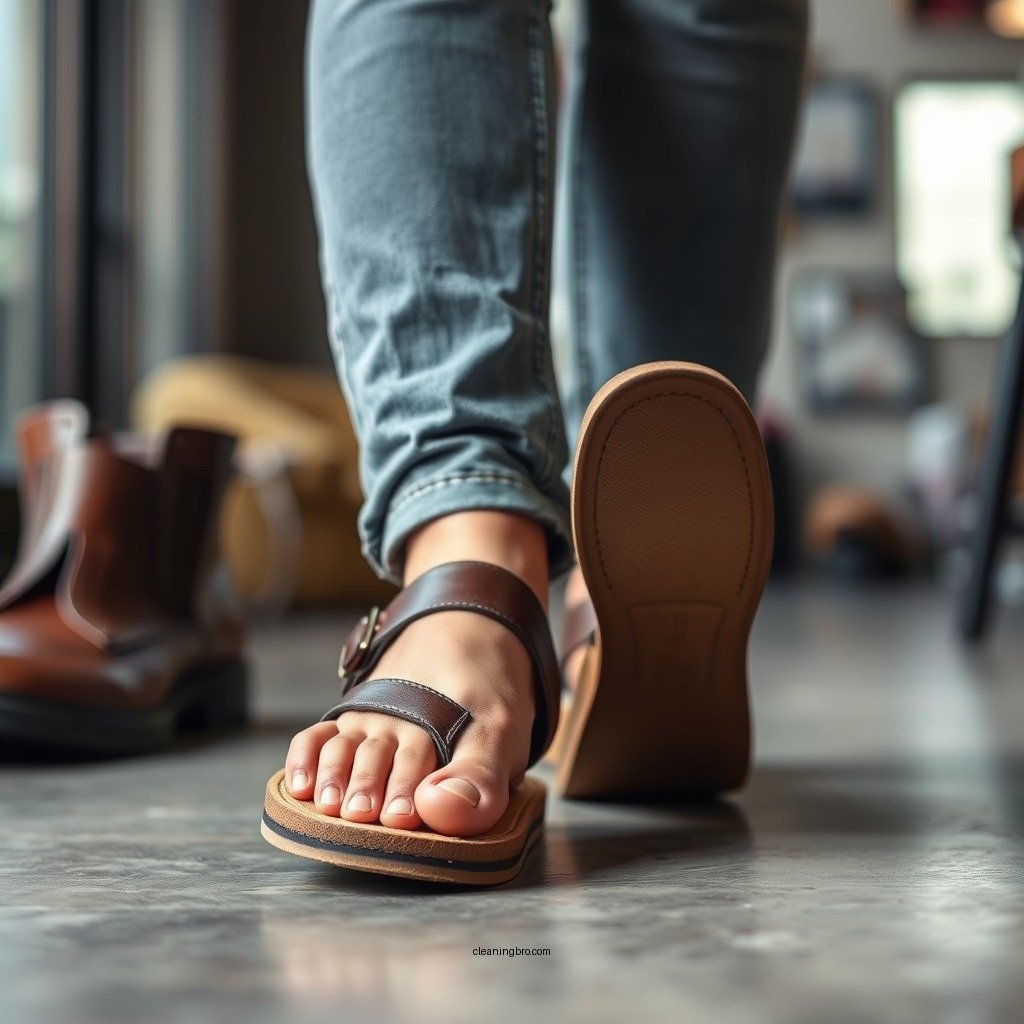
Leather insoles serve a dual purpose in sandals: providing cushioning and support while also enhancing overall comfort. These insoles are designed to mold to the shape of your feet over time, delivering a personalized fit that can make a significant difference in the comfort of your footwear. However, leather has unique properties that require special attention. One of the most important aspects of maintaining leather insoles is recognizing their tendency to absorb moisture and odors, particularly during warmer months or after extended wear.
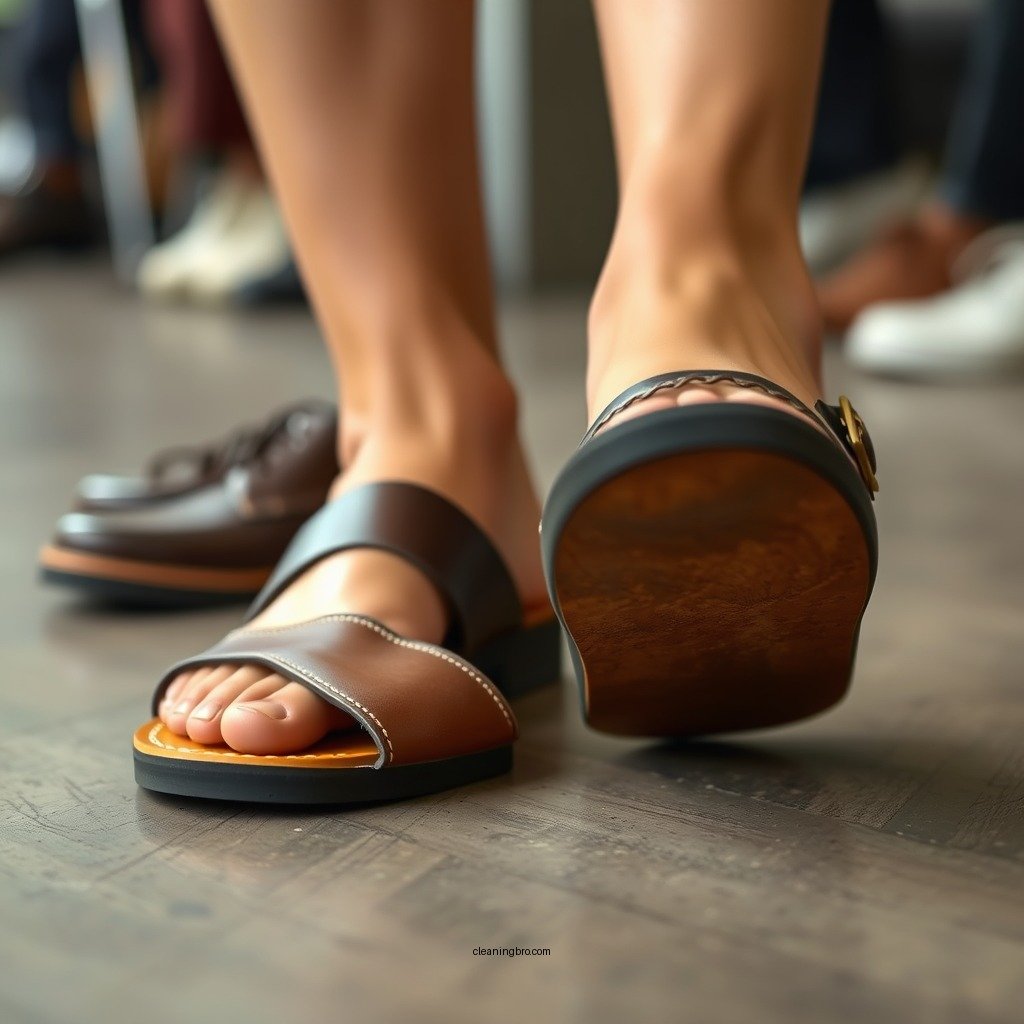
Regular cleaning is crucial, as it prevents the buildup of dirt and bacteria that can lead to unpleasant odors and degradation of the material. By understanding the nature of leather and the impact of moisture, you can develop a proactive cleaning and maintenance routine that ensures your sandals remain in optimal condition.
Gather Your Cleaning Supplies
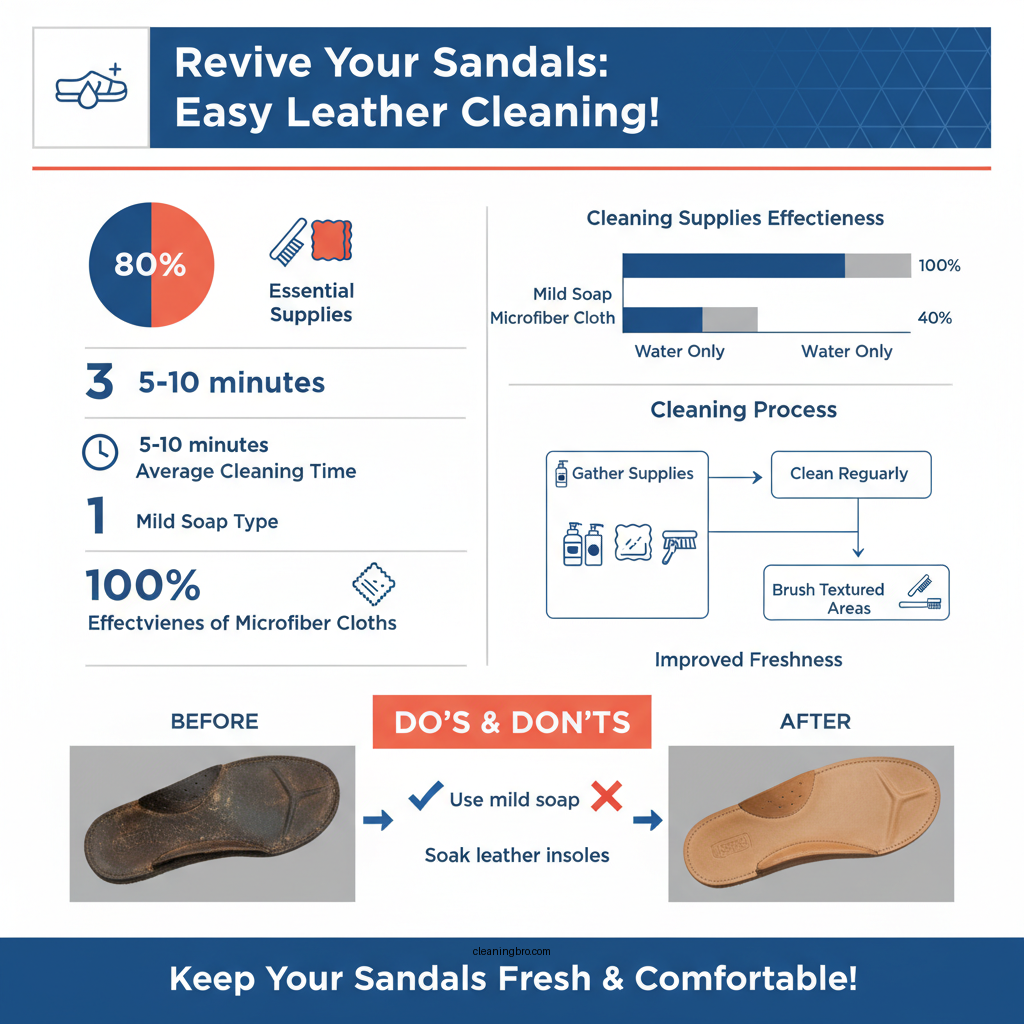
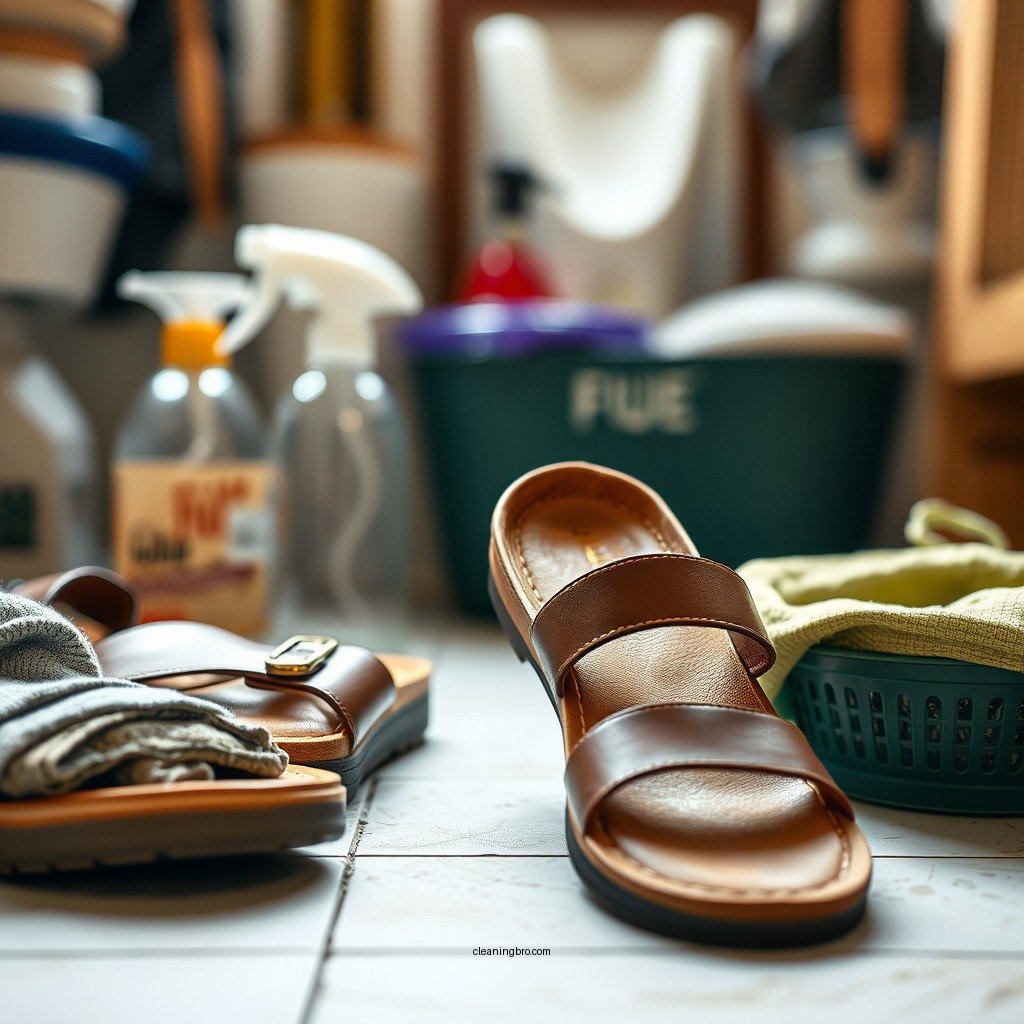
Before diving into the cleaning process, it’s vital to gather the right supplies. Here’s a list of what you’ll need:
– Mild Soap or Leather Cleaner: Opt for a gentle soap that won’t strip the leather of its natural oils. Products specifically designed for leather are ideal, as they help maintain the material’s integrity.
– Soft Cloths: Choose non-abrasive, lint-free cloths to prevent scratching the leather surface during cleaning. Microfiber cloths are a great option as they are gentle yet effective.
– Soft-Bristled Brush: A brush with soft bristles can help remove dirt and grime from textured insoles without causing damage.
Having these supplies ready will streamline the cleaning process and ensure that you can effectively care for your leather insoles.
Top Leather Cleaning Products for Sandals (2024)
| # | Product Name | Type | Price | Effectiveness |
|---|---|---|---|---|
| 1 | Lexol Leather Cleaner | Cleaner | $9.99 | Highly Effective |
| 2 | Bickmore Bick 4 Leather Conditioner | Conditioner | $14.99 | Excellent |
| 3 | Dr. Martens Wonder Balsam | Conditioner | $9.00 | Very Good |
| 4 | Fiebing’s Leather Cleaner | Cleaner | $10.50 | Highly Effective |
| 5 | Otter Wax Leather Salve | Conditioner | $14.00 | Excellent |
| 6 | Leather Honey Leather Cleaner | Cleaner | $13.99 | Highly Effective |
| 7 | Saddle Soap | Cleaner | $5.99 | Good |
Step-by-Step Cleaning Process
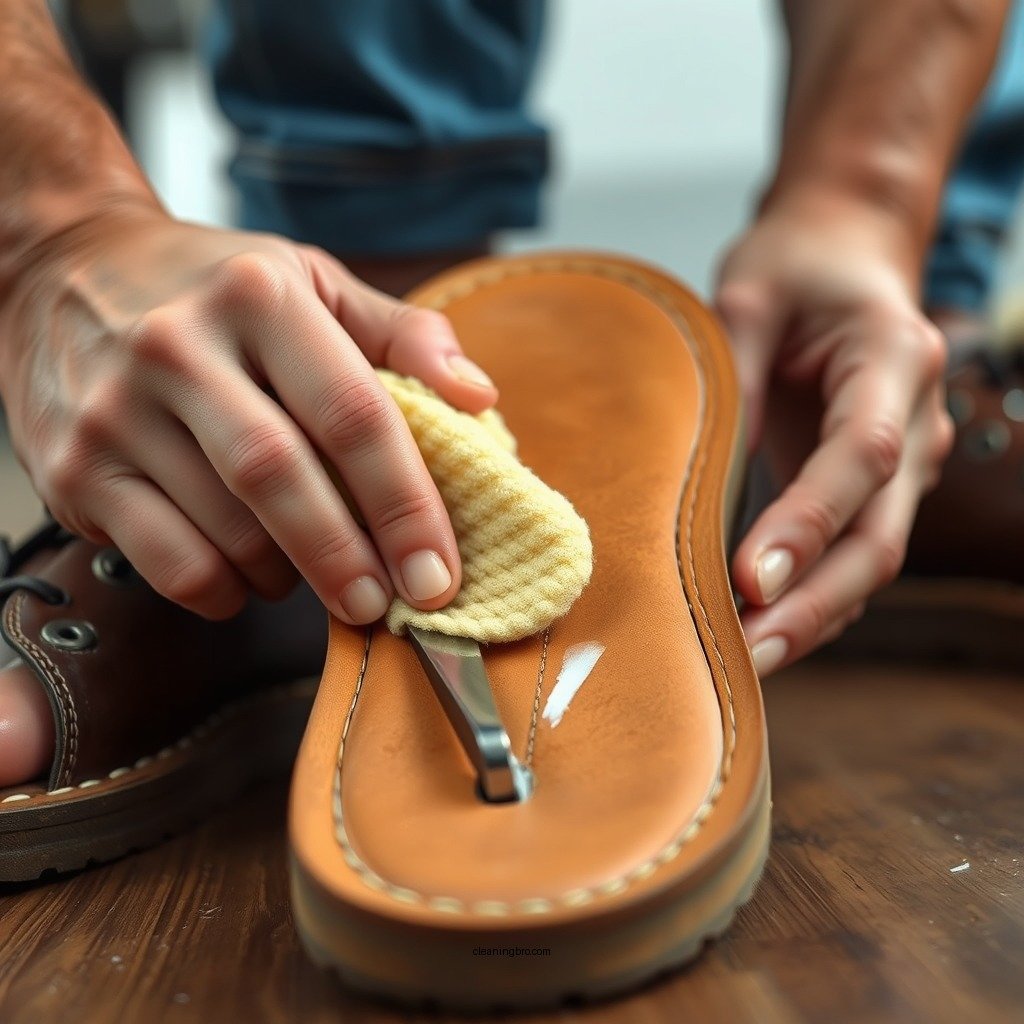
Cleaning leather insoles is a simple process if you follow these steps:
1. Remove the Insoles: Start by taking the insoles out of the sandals to ensure you can clean them thoroughly without damaging the sandal itself. This step also allows for better access to hard-to-reach areas.
2. Dampen the Cloth: Use a soft cloth and dampen it with water. Be careful not to soak the cloth, as excessive moisture can damage the leather.
3. Apply Soap: Add a small amount of mild soap to the damp cloth. If you’re using a leather cleaner, follow the product instructions for the best results.
4. Gently Scrub: Using circular motions, gently scrub the surface of the insoles. Focus on areas with noticeable dirt or odor, ensuring not to apply too much pressure, as this can lead to scratches or damage.
5. Wipe Clean: After scrubbing, use a clean, slightly damp cloth to wipe off any soap residue. It’s essential to remove all soap to prevent any sticky buildup.
6. Air Dry: Allow the insoles to air dry completely before reinserting them into the sandals. Avoid placing them in direct sunlight or using heat sources, as this can lead to cracking and damage.
Following this process regularly will help maintain the cleanliness and comfort of your leather insoles.
Drying and Conditioning
Proper drying and conditioning of your leather insoles are crucial for their longevity. After cleaning, it’s essential to:
1. Air Dry: Place the insoles in a cool, dry area away from direct sunlight or heat sources. Direct heat can cause the leather to dry out, leading to cracks and brittleness.
2. Condition the Leather: After the insoles are dry, apply a leather conditioner. This product will help restore any lost moisture, keeping the leather supple and preventing it from becoming too dry.
3. Avoid Over-conditioning: While conditioning is important, overdoing it can lead to a sticky residue. Apply a thin layer and allow it to soak in fully before wearing the sandals again.
By following these steps, you can ensure that your leather insoles remain in excellent condition, providing support and comfort for many seasons.
Tips for Maintaining Clean Insoles
To keep your leather insoles in optimal condition, consider these maintenance tips:
– Regular Airing: After each wear, allow your sandals to air out. This practice helps prevent moisture buildup, which can lead to odors.
– Storage: Store your sandals in a cool, dry place. Avoid areas with high humidity, as this can encourage mold and mildew growth.
– Use a Foot Spray: Consider using a foot spray designed to combat odors before wearing your sandals. This can help keep the insoles fresher for longer.
– Rotate Footwear: If possible, rotate your sandals with other pairs to give them a break. This rotation reduces wear and allows insoles to recover from moisture and pressure.
Implementing these tips into your routine will greatly enhance the lifespan and comfort of your leather insoles.
Common Mistakes to Avoid
When caring for leather insoles, it’s easy to make mistakes that can lead to damage. Here are some common pitfalls to avoid:
– Soaking the Insoles: Never soak leather insoles in water. Excess moisture can warp the leather and lead to irreversible damage.
– Harsh Chemicals: Avoid using bleach or harsh cleaning agents, as these can strip the leather of its natural oils and lead to dryness or discoloration.
– Neglecting to Condition: Failing to condition leather insoles after cleaning can lead to premature wear. Always apply a conditioner to keep the leather supple.
– Ignoring Stains: Address stains promptly. The longer they sit, the harder they can be to remove. Use appropriate leather cleaners for specific stains.
By being aware of these common mistakes, you can ensure that your leather insoles remain in top-notch condition for years to come.
Regular cleaning and proper care of your leather insoles will not only keep them looking great but will also enhance the overall comfort of your sandals. Start implementing these cleaning tips today for a more pleasant wearing experience!
Frequently Asked Questions
How do I effectively clean leather insoles of sandals without damaging them?
To clean leather insoles of sandals, start by removing the insoles if possible. Use a soft brush or cloth to gently remove dirt and debris, then dampen a cloth with a mixture of mild soap and water. Wipe the insoles carefully, avoiding excessive moisture, and finish by drying them with a clean towel.
What cleaning products are safe for leather insoles in sandals?
The best cleaning products for leather insoles are those specifically formulated for leather care, such as saddle soap or a gentle leather cleaner. Avoid harsh chemicals or abrasive cleaners, as they can strip the leather of its natural oils and cause damage.
Why do my leather insoles smell, and how can I clean them?
Leather insoles can develop odors due to sweat and moisture buildup. To clean them, use a mixture of equal parts water and white vinegar to wipe down the insoles, which helps neutralize odors. Allow them to air dry completely before placing them back in your sandals.
What is the best way to maintain leather insoles after cleaning?
To maintain leather insoles after cleaning, ensure they are completely dry before using them again. Regularly apply a leather conditioner to keep the material supple and prevent cracks. Additionally, store your sandals in a cool, dry place to avoid moisture buildup.
Which tools do I need to clean leather insoles effectively?
The essential tools for cleaning leather insoles include a soft-bristled brush, a microfiber cloth, and a gentle leather cleaner or mild soap solution. Having a leather conditioner on hand for post-cleaning care is also beneficial in maintaining the quality of the leather insoles.
References
- How to Clean Leather Sandals: 13 Steps (with Pictures) – wikiHow
https://www.wikihow.com/Clean-Leather-Sandals - https://www.mayoclinic.org/healthy-lifestyle/consumer-health/in-depth/leather-care/art-20046633
https://www.mayoclinic.org/healthy-lifestyle/consumer-health/in-depth/leather-care/art-20046633 - The Pennsylvania State University | Penn State
https://www.psu.edu/ - https://pubmed.ncbi.nlm.nih.gov/
https://pubmed.ncbi.nlm.nih.gov/ - https://www.sciencedirect.com/topics/earth-and-planetary-sciences/leather-care
https://www.sciencedirect.com/topics/earth-and-planetary-sciences/leather-care - https://www.nature.com/articles/s41598-021-81001-2
https://www.nature.com/articles/s41598-021-81001-2 - https://www.cdc.gov/niosh/topics/leather.html
https://www.cdc.gov/niosh/topics/leather.html - Leather | History & Facts | Britannica
https://www.britannica.com/technology/leather - Google Scholar Google Scholar
https://scholar.google.com/scholar?q=cleaning+leather+insoles+of+sandals - Google Scholar Google Scholar
https://scholar.google.com/scholar?q=leather+care+cleaning+methods
