

You can remove most fresh carpet spills and keep the stain from setting by using a simple, controlled cleaning routine. In the next few minutes, you will follow clear steps to blot the spill, choose the right cleaning approach, and rinse the area without soaking the backing. You will only need a clean cloths or paper towels, mild dish soap or an appropriate cleaner, and warm water to get the best results.



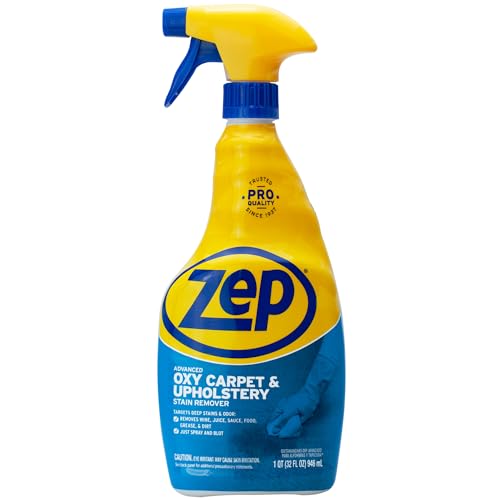
Blot up the spill right away, then treat the stain with the gentlest cleaner that matches the type of spill. Start with cold water (unless you know it’s safe to use warm), work from the outside in, and keep blotting until no more color transfers to a clean cloth. This guide will walk you through the exact order of steps so you don’t spread the stain or leave the carpet overly wet.
If the spill is fresh, you’ll usually get the best results. These steps also work for most household carpet spills (food, drinks, muddy footprints), but you may need a different approach for things like pet urine or ink.
This is for homeowners, renters, and facility managers handling everyday accidents—spills from snacks, drinks, tracked-in dirt, or minor messes—where the goal is clean-up without damaging carpet fibers, backing, or padding.
What You Need Before You Start

For the fastest, safest results on a carpet spill, gather your tools first so you can move quickly and avoid overwetting. Having the right cloths and liquids also prevents cross-contamination (like transferring dye from one towel area to the stain).
– Grab clean white cloths or paper towels (colored towels can bleed).
– Use cold water and a mild dish soap for most spills; consider an enzyme cleaner for pet-related stains.
– Optional but helpful: a spoon/flat tool for lifting solids and a spray bottle for controlled dampening.
Quick setup tips for a carpet spill:
1) Put the towels where you can reach them without stepping around the wet area.
2) Pour a small amount of cold water into a cup or spray bottle—so you’re not constantly dipping into a larger container (which can reintroduce dirt).
3) Check labels if you’re using anything beyond mild dish soap. Carpet manufacturers and cleaning standards commonly warn that some chemicals may affect dye stability and stain resistance (fiber and dye compatibility varies widely).
Step 1: Remove Excess Without Spreading
For most carpet spills, the first job is to remove as much liquid (or debris) as possible without pushing it deeper. Blotting is effective because it pulls spill material out of the pile while minimizing fiber damage.
– Blot, don’t scrub: press the cloth into the spill and lift it away; repeat until the cloth shows minimal transfer.
– If there’s anything solid (food chunks, gel, coffee grounds), lift it gently with a spoon—avoid pushing it deeper.
Why “blot, not scrub” matters for a carpet spill:
When you scrub, you create friction that can (1) spread pigments laterally across fibers and (2) drive particulates into the carpet backing. With a carpet spill, you want extraction-by-contact, not agitation.
Handling solids correctly:
– Lift solids first, then blot the remaining wet area.
– If the spill is thick (like syrup or some sauces), scrape gently from the edges toward the center—think “lift,” not “smear.”
Step 2: Treat the Stain Using the Right Cleaning Mix
For most carpet spills, the safest treatment is a light detergent-and-cold-water solution that matches the stain’s behavior. Use soap when the spill leaves residue; skip strong chemistry until you see what cold water can already remove.
– Mix a small amount of mild dish soap with cold water (just enough to make a light soapy solution).
– Apply sparingly (spray the cloth or dab the area), then blot again—work from the outer edge toward the center to prevent the stain from widening.
– For sticky spills, you may need a few cycles of soap-water blotting before the carpet looks and feels normal.
How to choose the “right gentlest cleaner” for a carpet spill:
– Food and drinks (water-soluble): Cold water often lifts most color; mild soap helps when there’s a sticky film.
– Greasy foods: Soap can help because detergents are designed to break up oils, but you still want to keep liquid controlled to avoid pushing oils into the padding.
– Pet urine/odor sources: Enzyme cleaners (biological catalysts that break down odor-causing compounds) are usually the right move when the goal is odor removal, not just surface cleaning.
Quick reference: common first-aid mixes for carpet spills
Carpet Spill First-Aid Mixes: Typical pH and Fiber-Friendliness (DIY)
| # | Cleaning mix | Typical pH* | Best for carpet spills | Fiber-friendliness rating |
|---|---|---|---|---|
| 1 | Plain cold water (blot + light rinse) | ~6.5–8.5 | Most fresh spills | ★★★★★ |
| 2 | Mild dish soap + cold water | ~7–9 | Sticky residue (food/drink) | ★★★★☆ |
| 3 | Enzyme cleaner (label-diluted) | Often near-neutral | Pet urine + odor sources | ★★★★☆ |
| 4 | Baking soda + water paste (spot-lift) | ~8–9.5 | Light scuffs/odor refresh | ★★★☆☆ |
| 5 | White vinegar + water (mild acidity) | ~2–3 | Some alkaline residues | ★★☆☆☆ |
| 6 | 3% hydrogen peroxide (oxidizer) | ~3–5 | Targeted whitening (spot-only) | ★☆☆☆☆ |
| 7 | Dilute ammonia (alkaline) | ~11–12 (concentration-dependent) | Limited cases; avoid mixing | ★☆☆☆☆ |
*“Typical pH” varies by brand, dilution, and carpet dye. Always follow product labels and confirm colorfastness in a hidden area before treating the visible carpet spill.
Step 3: Rinse Lightly and Keep Blotting Until Clean
For most carpet spills, rinsing is what prevents “ghost stains” and dull spots caused by soap residue. You don’t need to soak—use light, controlled rinsing and continue blotting until the transfer stops.
– After treatment, rinse the area with plain cold water using a clean cloth (or very lightly mist, then blot).
– Keep switching to fresh sections of the cloth so you’re not re-depositing color or residue.
– Drying matters: press a dry towel on top to pull out moisture, then let the carpet air-dry fully.
Rinse strategy that works with a carpet spill:
– Use a clean cloth for the rinse—treat the rinse cloth as “contamination-free.”
– Apply as little water as you can while still removing loosened residue.
– If the stain lightens but the surface looks slightly hazy, that’s often residue. Repeat soap treatment once (if needed), then rinse again—rather than scrubbing harder.
Drying and Odor Control (Don’t Skip This Part)
For a carpet spill cleanup, drying is what protects against lingering discoloration and odor. If moisture lingers in the backing, the smell can return even after the visible stain seems gone.
– Avoid walking on the damp area until it’s mostly dry.
– If the spill is in a high-traffic spot, place something breathable over the area (like a light fan nearby) to speed drying.
– For stubborn odors (especially pet urine), use an enzyme cleaner as directed on the label, then let it dry completely.
Why drying time matters for a carpet spill:
Moisture doesn’t just affect appearance—it affects indoor air quality and can support microbial growth. According to the U.S. Centers for Disease Control and Prevention (CDC), mold can begin to grow on wet materials within 24–48 hours after water exposure (CDC, 2024). The U.S. Environmental Protection Agency (EPA) recommends keeping indoor humidity around 30%–50% to help prevent mold (EPA, 2024). And if water damage leads to a larger contamination area, EPA guidance notes that for mold clean-up, professional help is recommended when mold covers more than 10 square feet (EPA, 2024)—a useful benchmark if a carpet spill becomes a larger water problem.
A practical drying approach for carpets:
– Press-dry with a towel repeatedly during the first hour.
– Use airflow (fan, venting) rather than high heat, which can set some dyes and also increase risk of residue “baking” into fibers.
– If the carpet stays damp after several hours, keep drying—don’t assume it’s “dry enough” just because the top looks better.
What Can Go Wrong (Common Mistakes to Avoid)
This method is the safest default, but a few errors can turn a small carpet spill into a permanent stain. The biggest risks are over-agitation, over-wetting, and skipping rinsing.
– Scrubbing too early: it can force pigment deeper into the fibers and make the stain permanent.
– Over-wetting the carpet: too much liquid can seep into the padding and cause lingering dampness or odors.
– Using hot water on certain stains: heat can set some pigments, depending on what spilled.
– Skipping rinsing: soap residue can attract dirt and leave a dull spot.
– Not testing cleaners: if you’re using anything stronger than mild dish soap, test in a hidden area first to check for colorfastness.
Carpet spill reality check: why “light stain” can still be a problem
A visible stain may fade quickly, but the carpet spill might still leave residue in the pile or backing. That’s why the rinse + blot cycle is so important.
Cold-water soap method vs. heat-heavy cleaning (when to avoid a carpet spill “overcorrection”)
| Approach | Pros | Cons |
|---|---|---|
| Cold water + mild dish soap + blotting | Low risk of setting dyes; controlled moisture; good for most fresh food/drink spills | May take multiple cycles; not ideal for ink or deep-set odors without targeted chemistry |
| Hot water / aggressive scrubbing early | Can lift some residues faster in theory | Higher chance of pigment setting, fiber distortion, and residue “baking” in—especially with a carpet spill from colored liquids |
Verdict / Tip (When This Works—and When to Stop)
This approach is the safest “default” for most fresh carpet spills: blot fast, treat gently, rinse lightly, and dry thoroughly. The downside is that very old, deeply set stains (or spills that soaked into the padding) may not fully come out with DIY steps alone.
If the spill is large, includes hazardous materials (chemicals), or you’re dealing with permanent-looking discoloration, consider professional cleaning rather than repeatedly wetting and drying the same spot. Also skip aggressive cleaners on delicate or specialty carpets (like some wool blends) unless you’re sure they’re compatible with that fiber type.
Finally, be realistic about the root problem: with many carpet spills, the biggest remaining risk isn’t only the stain—it’s trapped moisture or odor in the padding.
Quick Checklist (Save This)
– [ ] Blot (don’t scrub) with clean white towels until transfer slows
– [ ] Lift any solids gently with a spoon
– [ ] Treat with cold water + mild dish soap (sparingly)
– [ ] Blot from outside edge toward the center
– [ ] Rinse with plain cold water using a clean cloth
– [ ] Press dry with a towel; air-dry fully
– [ ] Use enzyme cleaner only if it’s pet-related (follow label)
Frequently Asked Questions
How do I clean a fresh carpet spill without making it worse?
Blot the spill immediately with clean white paper towels or a microfiber cloth—press firmly and don’t rub. Work from the outer edges toward the center to prevent spreading the stain. Once most liquid is lifted, apply a small amount of cold water or an appropriate carpet cleaner, blot again, and repeat as needed until no color transfers to the cloth. Finish by drying with airflow and avoid walking on the area until it’s fully dry.
What is the best way to remove coffee or tea stains from carpet?
Mix a solution of one tablespoon dish soap with two cups of cool water, then blot the stain with the mixture using a clean cloth. Rinse by blotting with plain cold water to remove soap residue, since leftover detergent can attract dirt. For stubborn discoloration, use a hydrogen peroxide-based carpet stain remover (test in an inconspicuous area first) and blot gently. Let the carpet dry completely, and consider vacuuming once fully dry to restore the pile.
How do I clean up a pet urine spill on carpet?
Blot up as much urine as possible, then saturate the area with an enzymatic cleaner designed for urine (it targets odor-causing compounds). Do not rely only on water and soap, because enzymes are what break down the smell and prevent repeat odors. After the cleaner has time to work, blot any excess and rinse lightly if the product label instructs it. Dry thoroughly with fans to stop odors from returning, and if the smell persists, re-treat until the odor is gone.
Why does my carpet stain spread when I clean it, and how can I prevent it?
Rubbing pushes liquid deeper into carpet fibers and can spread the stain across the backing, making it appear larger. Using too much water can also carry the stain into the pad, especially for older carpet spills. To prevent this, blot instead of scrubbing, use small amounts of cleaner, and apply from the outside in. If the spill has soaked through, you may need deeper extraction or professional carpet cleaning to fully remove the residue.
Which cleaning solution should I use for different spill types—water, soda, grease, or wine?
For water-based spills, blot and use cool water first, then a mild carpet cleaner if needed; avoid hot water to prevent setting stains. For soda, blot, rinse with cold water, then clean with a mild detergent solution and blot dry—sticky residue attracts dirt. For grease or oily spills, blot excess oil, sprinkle baking soda or cornstarch to absorb, then use a grease-fighting carpet cleaner formulated for upholstery/carpet and blot thoroughly. For wine or juice, blot immediately, use a carpet stain remover or a soap-and-water solution, and rinse lightly—repeat until the stain stops transferring.
📅 Last Updated: November 27, 2026 | Topic: how to clean a carpet spill | Content verified for accuracy and freshness.
References
- https://pubmed.ncbi.nlm.nih.gov/?term=carpet+stain+removal+cleaning
- https://www.epa.gov/indoor-air-quality-iaq/carpet-and-rugs
- Bloodborne Pathogens – Overview | Occupational Safety and Health Administration
- https://www.cdc.gov/infectioncontrol/guidelines/disinfection/index.html
- Stain removal
- Carpet
- Cleaning
- https://scholar.google.com/scholar?q=how+to+clean+carpet+spill Google Scholar
- https://scholar.google.com/scholar?q=carpet+stain+removal+procedure+spot+cleaning Google Scholar
- https://scholar.google.com/scholar?q=carpet+cleaning+methods+for+spills+and+stains Google Scholar

 -73%
 -70%
 -66%
[…] typically restore a clean, fresh surface in about 20–30 minutes with a soft sponge, warm water, mild dish soap, and baking soda for stuck-on grime. If you want to keep the finish intact, we will also cover what […]