
Cleaning a cut on your dog’s paw is essential to prevent infection and promote healing. This process involves a careful assessment of the injury, proper cleaning techniques, and the application of appropriate care. In this guide, you will learn how to safely clean your dog’s paw cut and ensure your furry friend stays healthy and comfortable.
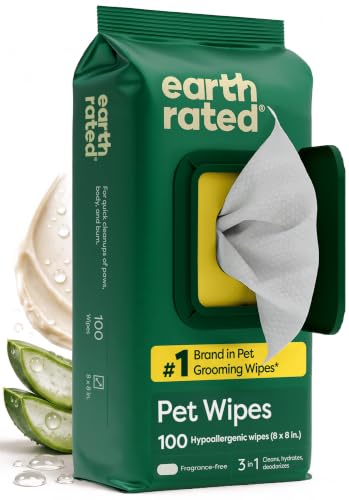

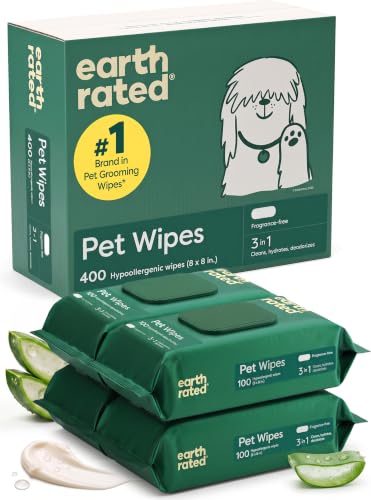

Assess the Injury

The first step in caring for a cut on your dog’s paw is to assess the injury’s severity. Examine the cut closely to determine if it is shallow or deep. If the cut is superficial, it may only require cleaning and a bandage. However, if you notice that the cut is deep, it may need veterinary attention. Look for any foreign objects, such as splinters, glass, or pieces of metal, that might be embedded in the wound. If you find anything lodged in the cut, do not attempt to remove it yourself; instead, seek veterinary assistance immediately.

Gather Necessary Supplies


Before you begin cleaning the cut, gather all necessary supplies to ensure the process goes smoothly. You will need:
– Antiseptic solution: Choose a pet-safe antiseptic, such as chlorhexidine or saline solution, to disinfect the wound.
– Cotton balls or gauze: These will help you clean the area and apply antiseptic.
– Dog-safe bandages: These will protect the wound from dirt and further injury.
– Treats: Keeping your dog calm is crucial, so have some treats on hand to reward them during the cleaning process.
Having everything prepared beforehand will make the process more efficient and comfortable for your pet.
Clean the Cut

Once you have assessed the injury and gathered your supplies, it is time to clean the cut properly. Follow these steps to ensure the wound is cleaned effectively:
1. Gently rinse the area: Use lukewarm water to rinse away any dirt or debris from the cut. It is important to be gentle to avoid causing your dog discomfort. You can use a cup or a gentle stream of water from a faucet.
2. Apply antiseptic solution: After rinsing, take a cotton ball or gauze and apply a small amount of pet-safe antiseptic solution to the cut. Be sure to follow the product instructions for usage. This step is crucial for disinfecting the wound and preventing infection.
3. Pat dry: After applying the antiseptic, gently pat the area dry with a clean cloth or gauze. Avoid rubbing the area as this may irritate the wound further.
Top 7 Dog Paw Injury Treatments (2024)
| # | Product | Type | Effectiveness | Price |
|---|---|---|---|---|
| 1 | Veterinary Antiseptic | Liquid | High | $12.99 |
| 2 | PetSafe Bandage | Bandage | Moderate | $8.50 |
| 3 | MediPaw Gel | Gel | High | $15.99 |
| 4 | Paw Rescue Balm | Balm | Very High | $9.99 |
| 5 | Hydrogel Bandage | Bandage | Moderate | $7.50 |
| 6 | First Aid Spray | Spray | High | $10.99 |
| 7 | Antibiotic Ointment | Ointment | Very High | $11.50 |
Dry and Dress the Wound
After cleaning the cut, it is crucial to protect the wound from further injury. Follow these steps to dry and dress the wound effectively:
1. Dry the area: As previously mentioned, use a clean cloth or gauze to pat the area dry. This step is essential to avoid trapping moisture under the bandage, which can promote bacterial growth.
2. Cover the cut: Apply a sterile bandage or wrap to protect the cut from dirt and additional injury. Ensure the bandage is not too tight, as this may restrict blood flow. You may use adhesive bandages specifically designed for pets or a flexible wrap.
3. Secure the bandage: If needed, secure the bandage with medical tape, ensuring not to pull too tightly.
Monitor the Healing Process
Once the cut has been cleaned and dressed, it is vital to monitor the healing process closely. Here are some tips to ensure a smooth recovery:
– Check daily: Inspect the wound daily for signs of infection, such as increased redness, swelling, or discharge. If you notice any of these signs, contact your veterinarian immediately.
– Change the bandage: Change the bandage as needed, especially if it becomes wet or dirty. Keeping the area clean and dry is essential for healing.
– Limit activity: Restrict your dog’s activity to prevent further injury. Consider using an Elizabethan collar if your dog tends to lick or chew at the bandaged area.
When to Seek Veterinary Care
While minor cuts can often be treated at home, there are situations where it is crucial to seek veterinary care:
– Deep cuts: If the cut is deep or large, it may require stitches or more advanced medical treatment.
– Persistent bleeding: If the bleeding does not stop within 10 minutes of applying pressure, you should consult your veterinarian.
– Signs of infection: If you observe any signs of infection, such as fever, increased pain, or unusual behavior, it is essential to get professional help.
– Ongoing care: If you’re unsure about how to care for the wound or if it worsens, do not hesitate to consult your veterinarian for advice.
Keeping your dog’s paw clean and properly dressed is vital for a swift recovery. Always remain vigilant for any changes in the wound condition and don’t hesitate to consult your veterinarian for advice. Regular check-ups and proper care will help ensure your furry friend remains healthy and happy.
Frequently Asked Questions
How do I properly clean a cut on my dog’s paw?
To clean a cut on your dog’s paw, start by gently rinsing the area with lukewarm water to remove dirt and debris. Use a mild antiseptic solution or saline solution to clean the wound, applying it with a clean cloth or gauze. Avoid using alcohol or hydrogen peroxide as they can irritate the skin and delay healing.
What should I apply to my dog’s cut after cleaning it?
After cleaning the cut, you should apply a veterinarian-approved antibiotic ointment to help prevent infection. Make sure to cover the area with a sterile bandage or gauze to protect it from dirt and further injury. Change the bandage daily and monitor for signs of infection, such as swelling or discharge.
Why is it important to clean a cut on my dog’s paw immediately?
Cleaning a cut on your dog’s paw immediately is crucial because it helps prevent infection and promotes faster healing. Bacteria and dirt can enter the wound, leading to complications such as abscesses or more severe infections. Prompt cleaning also minimizes your dog’s discomfort and encourages them to avoid licking or chewing at the injury.
What are the best practices for bandaging a cut on a dog’s paw?
The best practices for bandaging a cut on a dog’s paw include using a non-stick sterile pad to cover the wound, followed by wrapping it with gauze or vet wrap to secure it in place. Ensure the bandage is snug but not too tight, as it can restrict circulation. Always monitor the bandage for any signs of moisture or looseness and change it regularly.
Which signs indicate that my dog’s paw cut may need veterinary attention?
You should seek veterinary attention for your dog’s paw cut if you notice excessive bleeding, swelling, or discharge coming from the wound. Other warning signs include persistent licking or chewing at the area, signs of pain such as limping or whimpering, or if the cut does not show signs of healing within a few days. Early intervention can help prevent more serious complications.
References
- https://www.mayoclinic.org/healthy-lifestyle/pet-health/in-depth/pet-first-aid/art-20057556
https://www.mayoclinic.org/healthy-lifestyle/pet-health/in-depth/pet-first-aid/art-20057556 - https://www.who.int/news-room/fact-sheets/detail/injury-prevention
https://www.who.int/news-room/fact-sheets/detail/injury-prevention - Google Scholar Google Scholar
https://scholar.google.com/scholar?q=how+to+clean+a+cut+on+a+dogs+paw - Google Scholar Google Scholar
https://scholar.google.com/scholar?q=dog+paw+injury+first+aid - https://pubmed.ncbi.nlm.nih.gov/?term=dog+paw+wound+care
https://pubmed.ncbi.nlm.nih.gov/?term=dog+paw+wound+care - https://www.nature.com/articles/s41598-018-29401-8
https://www.nature.com/articles/s41598-018-29401-8 - how to clean a cut on a dogs paw – Search results
https://en.wikipedia.org/wiki/Special:Search?search=how+to+clean+a+cut+on+a+dogs+paw - https://www.ncbi.nlm.nih.gov/search/research-articles/?term=how+to+clean+a+cut+on+a+dogs+paw
https://www.ncbi.nlm.nih.gov/search/research-articles/?term=how+to+clean+a+cut+on+a+dogs+paw
