
Cleaning your dentist-prescribed mouth guard is crucial for ensuring its hygiene and your overall oral health. Regular cleaning prevents bacteria buildup, eliminates bad odors, and keeps your mouth guard in optimal condition. In this article, we will explore effective methods to clean your mouth guard properly, ensuring its longevity and maintaining your oral hygiene.
Understanding the Importance of Cleaning Your Mouth Guard
Cleaning your mouth guard is not just a matter of aesthetics; it has significant health implications.
– Prevents bacterial growth: Over time, mouth guards can become breeding grounds for bacteria, fungi, and other microorganisms. Regular cleaning eliminates these harmful agents, reducing the risk of infections and oral diseases.
– Maintains freshness: A clean mouth guard helps avoid bad smells and tastes. When you wear a fresh and clean mouth guard, it enhances your overall comfort and confidence, particularly if you are using it during sports or sleep.
Neglecting to clean your mouth guard can lead to the accumulation of plaque, tartar, and stains, which can adversely affect your dental health. Thus, maintaining a routine cleaning schedule is vital for both hygiene and the longevity of the appliance.Daily Cleaning Routine
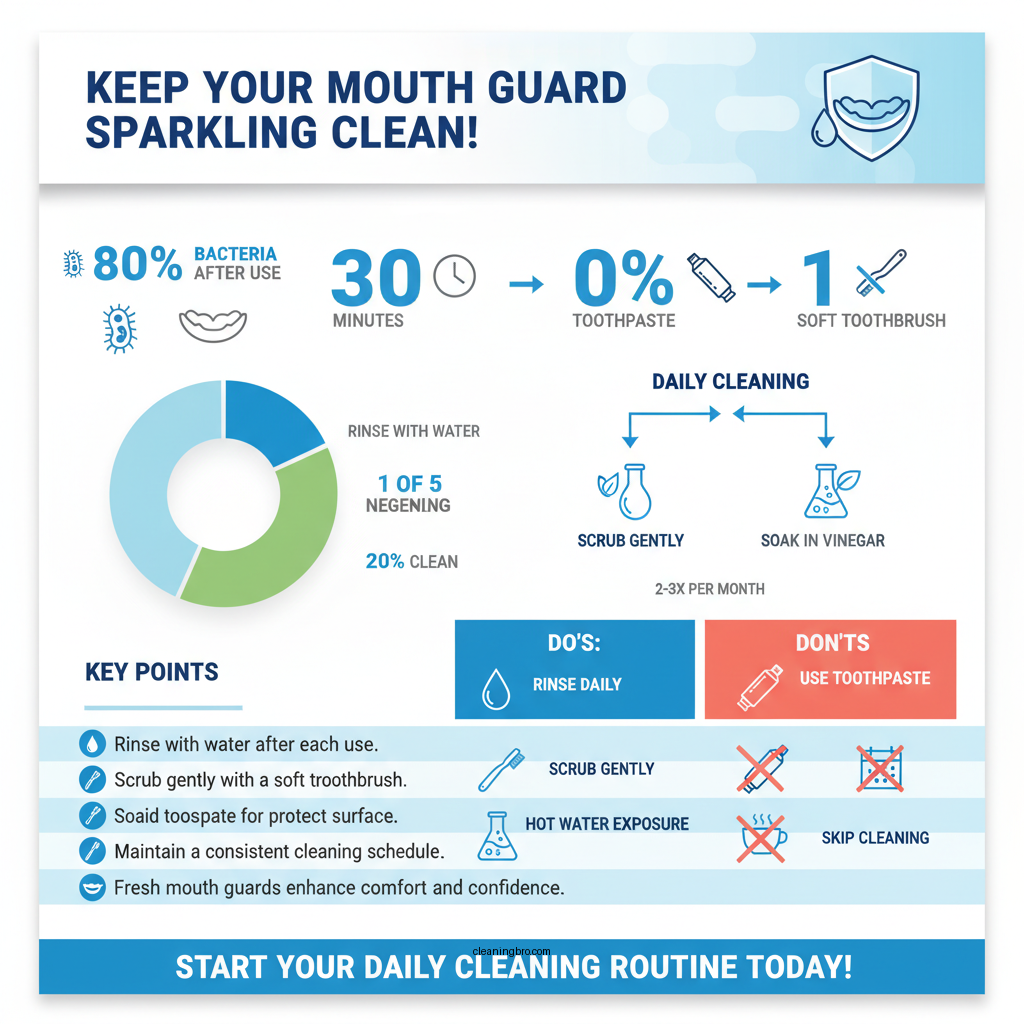
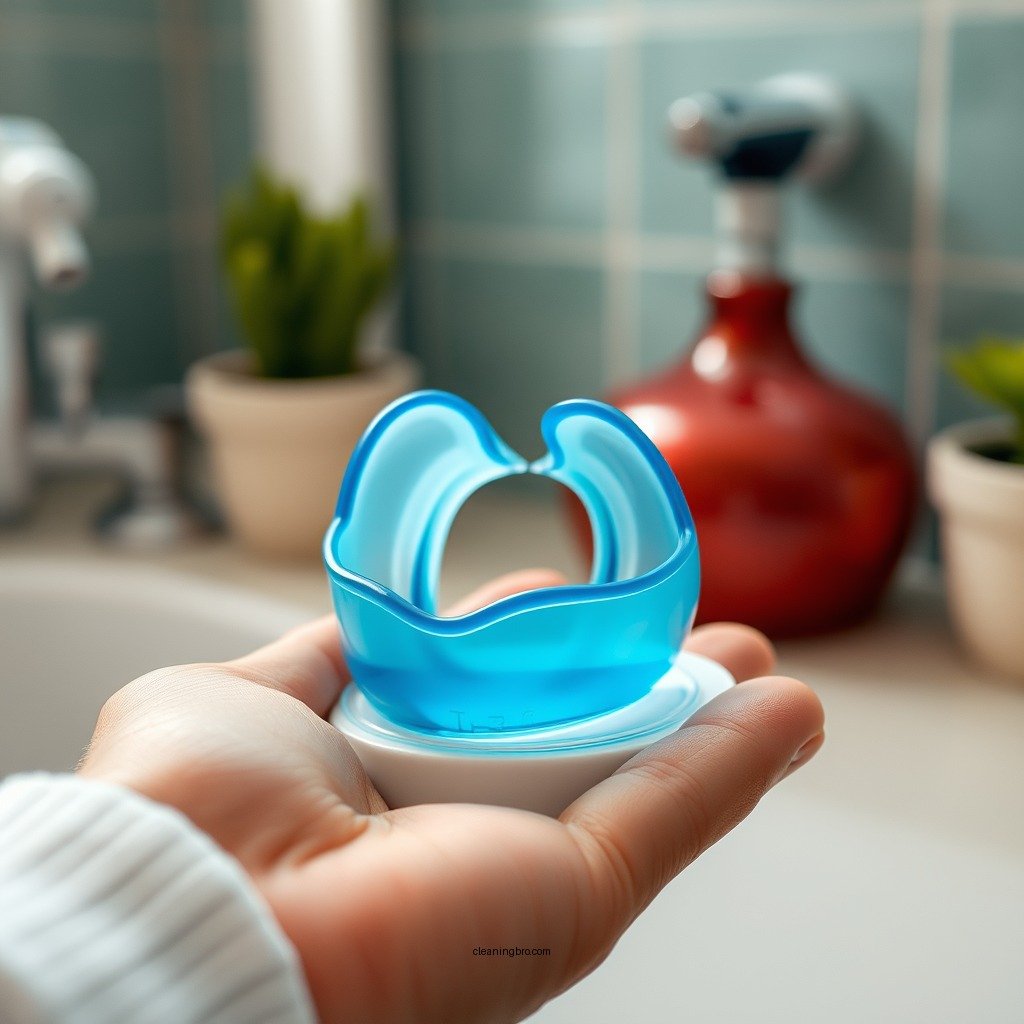
Creating a daily cleaning routine for your mouth guard is essential for effective maintenance.
– Rinse with water: After each use, rinse the mouth guard under warm water. This removes saliva, food particles, and any other debris that may have accumulated during use. Make sure to use warm, not hot, water, as extreme temperatures can warp the material.
– Use a soft toothbrush: Gently scrub the mouth guard with a soft-bristled toothbrush. Avoid using toothpaste as it may contain abrasive agents that could scratch the surface of the mouth guard, creating micro-abrasions that can harbor bacteria.
A consistent daily cleaning routine will help maintain hygiene and extend the life of your mouth guard.
Deep Cleaning Methods
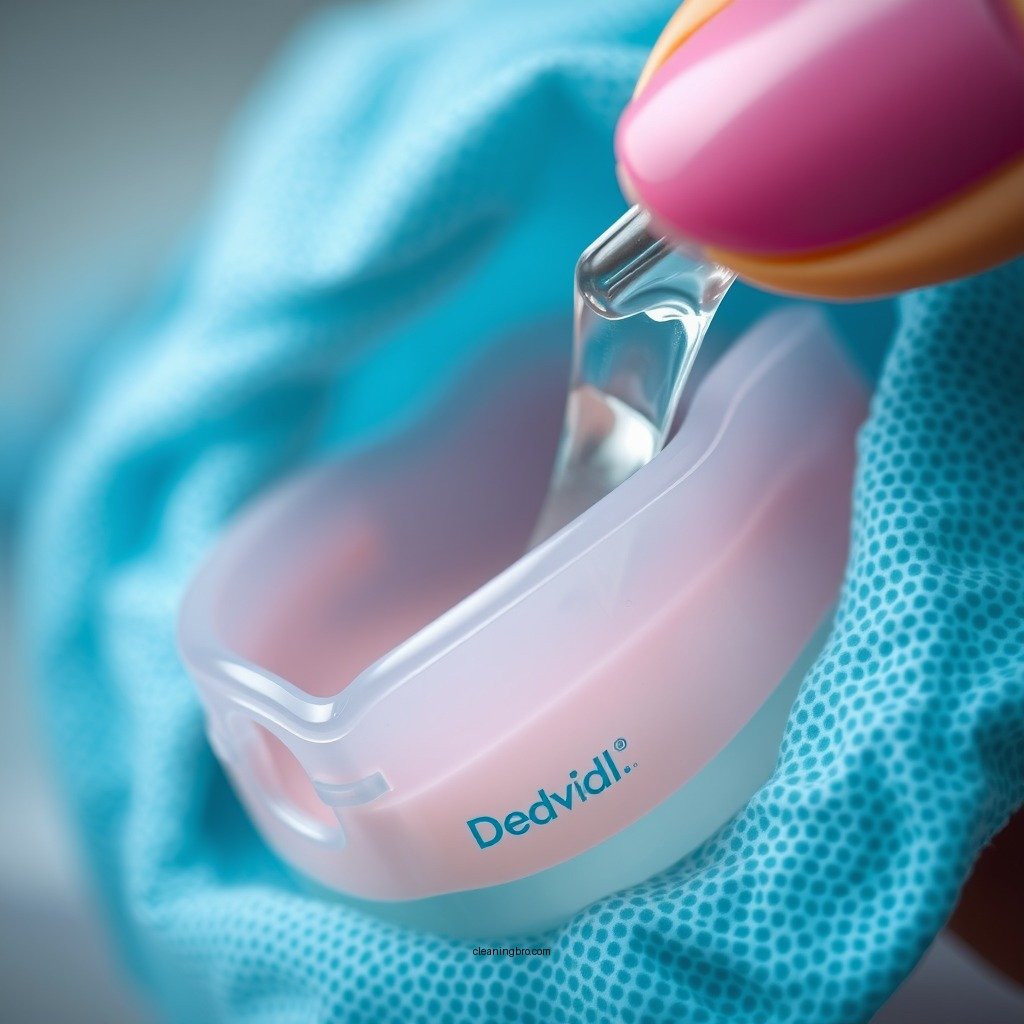
In addition to your daily cleaning routine, deep cleaning methods should be employed periodically to ensure thorough sanitation.
– Vinegar solution: Soaking your mouth guard in a mixture of equal parts vinegar and water for about 30 minutes can effectively disinfect it and remove stubborn stains. Vinegar’s natural acidity helps kill bacteria and neutralize odors.
– Baking soda paste: To create a natural cleaning paste, mix baking soda with a small amount of water. Apply this paste to your mouth guard, ensuring you cover all surfaces, then rinse thoroughly. The gentle abrasive nature of baking soda helps remove stains without damaging the material.
Implementing these deep cleaning methods once or twice a week will help maintain a high level of hygiene.
Top Mouth Guard Cleaning Methods (2024)
| # | Cleaning Method | Effectiveness | Frequency | Ease of Use |
|---|---|---|---|---|
| 1 | Vinegar Solution | High | Weekly | Easy |
| 2 | Baking Soda Paste | Medium | Weekly | Moderate |
| 3 | Denture Cleaners | High | Daily | Easy |
| 4 | Antimicrobial Spray | Medium | Daily | Easy |
| 5 | Warm Soap Water | Low | Daily | Easy |
| 6 | Hydrogen Peroxide | High | Weekly | Moderate |
| 7 | Microwave Sterilization | Medium | Monthly | Moderate |
Cleaning Products to Consider
When it comes to cleaning your mouth guard, using the right products can make all the difference.
– Denture cleaners: These effervescent tablets are specifically designed for cleaning oral appliances. They effectively remove stains and eliminate bacteria, making them an excellent choice for daily use.
– Antimicrobial sprays: These sprays are formulated to kill bacteria and are safe for dental appliances. Look for products specifically labeled as safe for mouth guards to ensure you don’t damage your appliance.
Always read the instructions on any cleaning product you choose to ensure it is compatible with your mouth guard material.
Storing Your Mouth Guard Properly
Proper storage of your mouth guard is as important as cleaning it.
– Use a protective case: Always store your mouth guard in a ventilated case when not in use. This protects it from dust, bacteria, and potential damage. A case with ventilation holes allows for airflow, preventing moisture buildup.
– Keep it cool: Avoid exposing your mouth guard to extreme heat, as high temperatures can warp its shape and compromise its effectiveness. Never leave it in a hot car or near a heater.
By following these storage tips, you can ensure your mouth guard remains in peak condition.
Signs Your Mouth Guard Needs Replacement
Even with proper care, mouth guards have a limited lifespan. Here are some signs that it may be time for a replacement.
– Cracks or tears: Regularly inspect your mouth guard for any visible damage. Cracks or tears can affect its effectiveness and may lead to discomfort while wearing it.
– Persistent odor: If cleaning does not eliminate persistent odors, it may indicate that bacteria have penetrated the material beyond cleaning. In such cases, consider replacing your mouth guard.
Consult your dentist if you are unsure about when to replace your mouth guard, as they can provide valuable guidance based on its condition.
Tips for Maintaining Your Mouth Guard
Maintaining your mouth guard’s integrity requires vigilance and proper care.
– Avoid using harsh chemicals: Stay away from cleaners containing bleach or alcohol, as they can damage the material of your mouth guard. Stick to recommended cleaning methods and products.
– Schedule regular dental check-ups: Regular visits to your dentist not only help in monitoring your oral health but also allow for professional advice on how to maintain or replace your mouth guard when necessary.
By adhering to these maintenance tips, you can significantly enhance the lifespan and hygiene of your mouth guard.
Keeping your mouth guard clean is crucial for your oral hygiene and overall health. By following these cleaning methods and tips, you can ensure that your mouth guard remains in optimal condition. For best results, incorporate these practices into your daily routine and consult your dentist if you have any concerns about your mouth guard or oral health. Taking these proactive steps will not only help you maintain your mouth guard but also support your overall dental health in the long term.
Frequently Asked Questions
How do I properly clean my mouth guard after each use?
To clean your mouth guard after each use, rinse it thoroughly under lukewarm water to remove saliva and debris. Use a soft toothbrush and a mild dish soap or toothpaste to gently scrub the surface, ensuring you reach all areas. Rinse again with water and allow it to air dry completely before storing it in a case.
What is the best way to disinfect a mouth guard?
The best way to disinfect a mouth guard is to soak it in a solution of equal parts water and white vinegar for about 30 minutes. After soaking, rinse it thoroughly with water to remove any residue. This method helps eliminate bacteria and odors, keeping your mouth guard hygienic.
Why is it important to clean my mouth guard regularly?
Regularly cleaning your mouth guard is crucial to prevent the buildup of bacteria, plaque, and bad odors, which can lead to oral infections or dental issues. Additionally, maintaining cleanliness helps prolong the life of the mouth guard and ensures it remains comfortable and effective during use.
Which cleaning products should I avoid when cleaning my mouth guard?
Avoid using harsh chemicals, bleach, or alcohol-based products to clean your mouth guard, as these can damage the material and compromise its effectiveness. Instead, stick to gentle, non-abrasive solutions like mild soap or specialized dental cleaners designed for mouth guards.
How often should I clean my mouth guard for optimal hygiene?
For optimal hygiene, you should clean your mouth guard after every use and perform a deeper clean once a week. This routine helps ensure that your mouth guard remains free of harmful bacteria and odors, promoting better oral health while you wear it.
References
- Tumor vs. cyst: What’s the difference? – Mayo Clinic
https://www.mayoclinic.org/diseases-conditions/sleep-apnea/expert-answers/mouth-guards/faq-20057829 - https://www.ncbi.nlm.nih.gov/pmc/articles/PMC6762695/
https://www.ncbi.nlm.nih.gov/pmc/articles/PMC6762695/ - https://www.ncbi.nlm.nih.gov/books/NBK480890/
https://www.ncbi.nlm.nih.gov/books/NBK480890/ - https://www.cdc.gov/oralhealth/publications/faq-mouthguards.html
https://www.cdc.gov/oralhealth/publications/faq-mouthguards.html - Oral health
https://www.who.int/news-room/fact-sheets/detail/oral-health - https://www.sciencedirect.com/topics/medicine-and-dentistry/mouthguard
https://www.sciencedirect.com/topics/medicine-and-dentistry/mouthguard - Google Scholar Google Scholar
https://scholar.google.com/scholar?q=clean+mouth+guard+from+dentist - Google Scholar Google Scholar
https://scholar.google.com/scholar?q=how+to+clean+dental+mouthguard - Google Scholar Google Scholar
https://scholar.google.com/scholar?q=mouthguard+cleaning+methods - Google Scholar Google Scholar
https://scholar.google.com/scholar?q=how+to+clean+mouth+guard+from+dentist
