
Cleaning your drum set is essential for maintaining its sound quality and prolonging its lifespan. In just a few simple steps, you can keep your drums looking and sounding great. This article will walk you through the best methods and tips for effectively cleaning your drum set, ensuring that every piece is in top condition.


Gather Your Cleaning Supplies

Before diving into the cleaning process, it is crucial to gather the right supplies. A well-equipped cleaning kit will make the task easier and more effective. Here’s a list of essential items you will need:

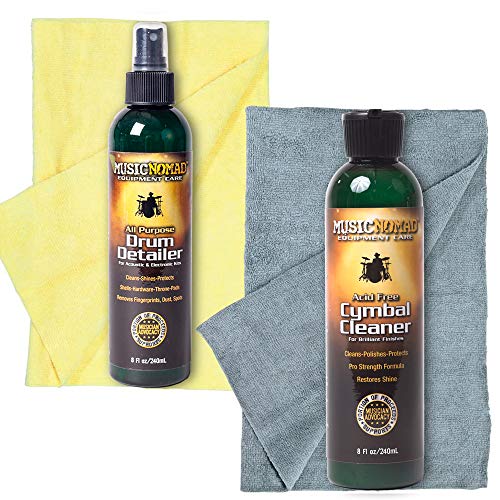
– Soft Cloths or Microfiber Towels: These are essential for dusting and polishing your drum set without scratching the surfaces. Microfiber cloths are particularly effective as they can trap dust and dirt particles without leaving lint behind.
– Drum Cleaning Solution or Mild Soap: For deeper cleaning, you’ll need a specialized drum cleaning solution or a mix of mild soap and water. Ensure that the cleaning solution is safe for the type of finish on your drums, as some chemicals can damage the surface.
– Brushes: A soft-bristled brush can help remove stubborn dirt from hard-to-reach areas, particularly around the drum hardware and lugs.
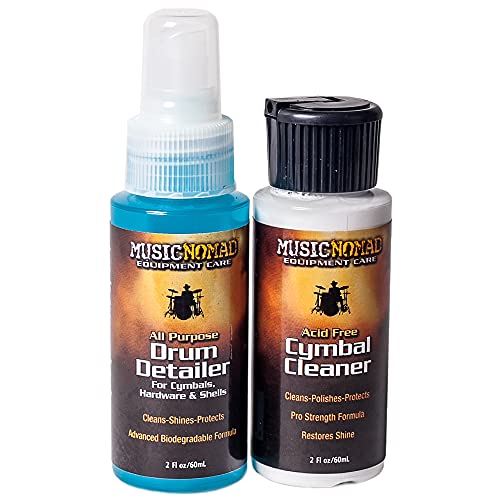
– Cymbal Cleaner: If your drum set includes cymbals, a dedicated cymbal cleaner will help restore their shine without causing damage.
Having these items on hand will streamline the cleaning process, enabling you to maintain your drum set more regularly.
Disassemble Your Drum Set


To clean your drum set thoroughly, you will need to disassemble it. This step allows you to access all areas that need attention. Here’s how to do it safely:
– Carefully Remove Drumheads: Start by loosening the tension rods and removing the drumheads from the shells. Be cautious during this process to avoid damaging any components. Place the drumheads in a safe spot where they won’t get scratched or damaged.
– Take Off Cymbals, Pedals, and Stands: Detach any cymbals from their stands, as well as any pedals and hardware. This will allow you to clean each component separately, ensuring a thorough job.
Disassembling your drum set not only makes cleaning easier but also gives you the opportunity to inspect each part for wear and tear, potentially identifying any maintenance needs.
Clean the Drum Shells

Once your drum set is disassembled, it’s time to focus on cleaning the drum shells. The exterior of the shells can accumulate dust, fingerprints, and grime over time. Here’s how to clean them effectively:
– Use a Damp Cloth with Cleaning Solution: Dampen a soft cloth with your chosen drum cleaning solution or a mild soap and water mixture. Wipe down the exterior surfaces of each drum shell, taking care to remove any buildup.
– Avoid Abrasive Materials: Never use steel wool, rough sponges, or any abrasive materials that could scratch the finish of the drum. Instead, stick to soft cloths and gentle cleaning solutions to preserve the integrity of the shell’s finish.
– Dry Thoroughly: After cleaning, ensure that the shells are dried properly. Any moisture left on the surface can lead to potential damage or warping.
Cleaning the drum shells not only enhances their appearance but also contributes to better sound quality by preventing build-up that can dampen the tone.
Clean the Drumheads
Drumheads can gather dust, oils from your hands, and other debris over time, which can affect both their appearance and tone. Here’s how to keep them clean:
– Gently Wipe the Drumheads: Use a dry cloth to wipe the drumheads, removing any dust or grime. Be gentle, as pressing too hard can damage the surface.
– For Stubborn Stains, Use a Damp Cloth: If you encounter stubborn stains, lightly dampen a cloth with water and gently wipe the affected area. It is crucial to ensure that the drumheads dry thoroughly afterward to avoid damage.
– Check for Wear and Tear: While cleaning, inspect the drumheads for any signs of wear or damage. If you notice cracks or significant wear, it may be time to consider replacing them.
Regular cleaning of the drumheads helps maintain their sound quality and prolongs their lifespan, ensuring that your drum set remains performance-ready.
Clean the Hardware and Cymbals
The hardware and cymbals of your drum set often need extra attention, as they tend to show fingerprints and smudges. Here’s how to clean these components:
– Polish the Metal Parts: Use a soft cloth to polish the metal parts of the drum set, including lugs, hoops, and tension rods. This will help remove fingerprints and restore shine.
– For Cymbals, Use a Specialized Cleaner: Apply a cymbal cleaner according to the product instructions. This cleaner is specifically designed to remove tarnish and restore the brilliance of your cymbals. Avoid using abrasive pads as they can scratch the surface.
– Thoroughly Rinse and Dry: After applying any cleaning solution, ensure that you rinse thoroughly (if applicable) and dry the components to prevent any residue buildup.
Cleaning the hardware and cymbals not only enhances their appearance but also prevents corrosion and prolongs the life of these essential components.
Top 7 Drum Cleaning Products (2024)
| # | Product | Type | Size | Price |
|---|---|---|---|---|
| 1 | Drum Workshop Drum Cleaning Wipes | Wipes | 30 wipes | $9.99 |
| 2 | Zildjian Cymbal Cleaner | Liquid | 8 oz | $11.99 |
| 3 | Evans Drum Head Cleaner | Spray | 12 oz | $14.99 |
| 4 | MusicNomad Drum Detailer | Liquid | 16 oz | $14.99 |
| 5 | PDP Drum Cleaning Kit | Kit | Includes various | $29.99 |
| 6 | Remo Drum Head Care Kit | Kit | Includes various | $24.99 |
| 7 | TrueTone Drum Care | Liquid | 16 oz | $18.99 |
Reassemble Your Drum Set
After thoroughly cleaning each component of your drum set, it’s time to reassemble everything. This process is crucial for ensuring that your drums are in optimal playing condition. Follow these steps:
– Carefully Put the Drumheads Back On: Start by positioning the drumheads onto the shells. Make sure that they are aligned correctly and that the bearing edges are seated properly against the shell.
– Tension the Heads Evenly: Gradually tighten the tension rods in a star pattern to ensure even tension across the drumhead. This will help maintain the drum’s tone and prevent warping.
– Reattach All Hardware: Securely reattach all hardware, including cymbals, pedals, and stands. Double-check that everything is fastened correctly to prevent any instability during play.
Reassembling your drum set properly will ensure that it performs at its best and remains safe for use.
Regular Maintenance Tips
Cleaning your drum set is not just a one-time task; regular maintenance is essential to keep it looking and sounding its best. Here are some valuable tips to maintain your drum set effectively:
– Establish a Cleaning Routine: After every gig or practice session, take a few minutes to wipe down your drums and hardware. This will prevent dirt and grime from building up over time and make deep cleaning sessions less frequent and easier.
– Store Your Drum Set Properly: Keep your drum set in a dry and temperature-controlled environment. Avoid leaving it in places with high humidity, as moisture can cause significant damage to both the shells and drumheads.
– Inspect Regularly: Regularly check your drumheads, hardware, and cymbals for signs of wear. Catching potential issues early can save you from costly repairs or replacements down the line.
– Use Protective Covers: Consider investing in drum covers or bags when your set is not in use. This will protect it from dust and environmental factors, prolonging its life.
Maintaining your drum set is crucial for both its appearance and performance. By following these steps, you can ensure that your drums remain clean and in great shape. Don’t forget to incorporate regular cleaning into your routine to keep them sounding their best!
Drum Cleaning Kits: A Comparison
| Feature | ⭐ PDP Drum Cleaning Kit | Drum Workshop Kit | MusicNomad Kit |
|---|---|---|---|
| Included Items | Multiple cleaning products | Wipes, spray, cloths | Liquid, cloths, wipes |
| Price | $29.99 | $19.99 | $14.99 |
| Ease of Use | ✅ Easy | ✅ Easy | ✅ Easy |
| Eco-Friendly | No | Yes | Yes |
| Scent | Neutral | Fresh | Citrus |
| Availability | Widely available | Limited | Widely available |
| Customer Rating | ★★★★☆ | ★★★★★ | ★★★★☆ |
| Best For | All-in-one solution | Budget-conscious users | Eco-friendly enthusiasts |
In conclusion, cleaning and maintaining your drum set is a straightforward yet vital process that will ensure its longevity and optimal performance. By following the steps outlined in this guide, you can keep your drums looking pristine and sounding their best. Regular maintenance, including establishing a cleaning routine and storing your drums properly, will help you avoid damage and costly repairs. Remember, a clean drum set not only enhances your playing experience but also reflects your dedication as a musician.
Frequently Asked Questions
What are the best cleaning products for a drum set?
The best cleaning products for a drum set include specialized drum cleaners, microfiber cloths, and gentle soap solutions. Avoid abrasive cleaners that can scratch the drum surface. For chrome parts, a dedicated chrome polish can help restore shine without damaging the finish.
How do I clean my drum heads without damaging them?
To clean your drum heads, use a damp microfiber cloth to gently wipe off any dirt or grime. Avoid using harsh chemicals or excessive moisture, as these can weaken the drum head material. For stubborn spots, a mild soap solution can be used sparingly, followed by a quick wipe with a dry cloth.
Why is it important to regularly clean my drum set?
Regularly cleaning your drum set is essential to maintain its appearance and sound quality. Dust and grime can build up, affecting the resonance and tone of the drums. Additionally, neglecting cleaning can lead to corrosion of metal parts and deterioration of drum heads, ultimately impacting your playing experience.
Which parts of a drum set require the most attention during cleaning?
The most attention should be paid to the drum shells, drum heads, and metal hardware. The shells can accumulate dust and fingerprints, while drum heads can collect grease and dirt from hands. Metal hardware, such as lugs and tension rods, can rust without proper maintenance, so ensure they are regularly polished and cleaned.
How often should I clean my drum set to keep it in good condition?
You should aim to clean your drum set at least once a month to keep it in good condition, especially if you play frequently. After each practice or performance, a quick wipe-down can help prevent buildup. Regular maintenance will extend the life of your equipment and ensure optimal sound quality.
References
- Drum kit
https://en.wikipedia.org/wiki/Drum_set - Drum set | musical instrument | Britannica
https://www.britannica.com/art/drum-set - Google Scholar Google Scholar
https://scholar.google.com/scholar?q=cleaning+drum+set - Google Scholar Google Scholar
https://scholar.google.com/scholar?q=drum+maintenance - https://www.doublestroke.org/articles/drum-care-and-maintenance/
https://www.doublestroke.org/articles/drum-care-and-maintenance/ - https://www.drumcenterofportland.com/blog/how-to-clean-a-drum-set/
https://www.drumcenterofportland.com/blog/how-to-clean-a-drum-set/ - https://www.pianoworld.com/forum/ubbthreads.php/topics/2844630/cleaning-a-drum-set.html
https://www.pianoworld.com/forum/ubbthreads.php/topics/2844630/cleaning-a-drum-set.html - Google Scholar Google Scholar
https://scholar.google.com/scholar?q=how+to+clean+a+drum+set - how to clean a drum set – Search results
https://en.wikipedia.org/wiki/Special:Search?search=how+to+clean+a+drum+set - https://www.ncbi.nlm.nih.gov/search/research-articles/?term=how+to+clean+a+drum+set
https://www.ncbi.nlm.nih.gov/search/research-articles/?term=how+to+clean+a+drum+set
