

To clean a faucet with vinegar, soak a cloth or paper towel in white vinegar, wrap it around the affected areas, and let it sit for 15–30 minutes before scrubbing and rinsing. This method is straightforward and usually takes under an hour, even for stubborn hard-water buildup. All you need is white vinegar, soft rags or a sponge, and a toothbrush or small brush for crevices. Start now to restore a cleaner shine without harsh chemicals.


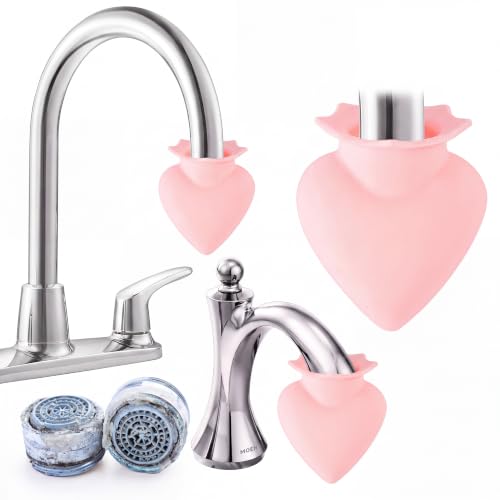

Use white vinegar to dissolve hard-water spots safely: soak a cloth or paper towel, wrap it on the affected faucet areas, then wipe, rinse thoroughly, and dry. Vinegar is especially effective on mineral scale (commonly calcium carbonate deposits) and cloudy buildup, and this guide shows a low-risk method—plus what to avoid—so you don’t unintentionally dull or damage your finish.
If you see chalky rings around the spout, water spots on handles, or reduced flow at the aerator, vinegar is often the fastest first step. It’s best for everyday hard-water staining on chrome, stainless steel, and many sealed finishes. If your faucet uses a specialty coating (for example, certain PVD or “living finish” products) or the manufacturer warns against acids, check the care guidance first—because contact time and compatibility matter. As of 2026, vinegar remains a widely recommended household descaling option because it’s a mild acid that targets carbonate scale without the harshness of many commercial cleaners.
Gather Your Supplies and Prep the Area

You can clean most vinegar-friendly faucets more safely by using the right materials and controlling contact time. Before you apply vinegar, gather soft, non-scratch tools and prepare the sink so loosened minerals don’t spread.
For this vinegar faucet cleaning method, use:
– White vinegar (distilled) for consistent acidity; typical household vinegar is dilute acetic acid—often around 5% acetic acid in common formulations (see Encyclopaedia Britannica).
– Soft cloths or microfiber to avoid micro-scratches on chrome and stainless steel.
– A soft toothbrush or old toothbrush for crevices, threading, and base details.
– Warm water for rinsing and a dry microfiber cloth for finishing.
Prep matters because you’re working with mineral residue that can smear. Clear the sink surface so you can rinse without splashing onto nearby stone or unsealed surfaces. If you have a natural-stone countertop (marble, travertine) or decorative tile grout that’s prone to staining, wipe nearby areas dry and consider a quick protective layer (for example, a towel) to minimize overspray.
Avoid anything abrasive (steel wool, scrub pads, “magic eraser”-type abrasive sheets). Even on durable finishes, abrasives can create a haze that vinegar can’t fix. In my own routine maintenance checklist, I treat “no abrasives” as a non-negotiable rule—if a finish looks slightly dulled after cleaning, the culprit is usually friction, not vinegar.
Soak and Wipe the Faucet With Vinegar
Vinegar cleaning works best when you control “dwell time”—the amount of time the vinegar stays in contact with the buildup. Instead of scrubbing aggressively, soak the mineral spots, then wipe and rinse.
Here’s the straightforward vinegar method:
– Wet a cloth or paper towel with white vinegar and press it onto the stained areas. For heavier rings around the spout or handles, cover the spots so the acid has good contact.
– Let it sit for 10–20 minutes to loosen mineral buildup. This dwell time is long enough to react with carbonate scale but short enough to reduce finish risk on most sealed surfaces.
– Wipe gently with a soft cloth to lift softened deposits.
– Rinse well with water, then dry fully with a clean microfiber cloth to limit streaking and water marks.
Hard-water severity varies. The Environmental Protection Agency commonly expresses hardness as mg/L “as CaCO₃,” and notes that 1 grain per gallon equals 17.1 mg/L as CaCO₃ (U.S. EPA). If your water falls into the “moderately hard” range or above (EPA’s typical hardness categorization includes 61–120 mg/L as CaCO₃), scaling can form quickly and may require repeat short treatments rather than one long soak (U.S. EPA). That’s why vinegar faucet cleaning is often most effective as a controlled cycle: soak → wipe → rinse → dry.
If you’re working on a faucet with a textured handle or knurled grip, focus vinegar contact on the mineral-heavy zones. Then rinse thoroughly around edges so vinegar doesn’t creep into small crevices and dry there.
Clean the Aerator and Faucet Head
For slower flow or sputtering, the aerator is frequently the real culprit—vinegar can dissolve the mineral “clog” without replacing parts. Address flow problems separately from surface spots so you don’t over-clean the finish.
– Unscrew the aerator if it comes off easily. If it won’t turn, don’t force it—stop and check your model instructions. Many aerators use standard threading, but corroded parts can bind.
– Soak the aerator in a small cup of vinegar for 20–30 minutes if mineral flow is restricted. This is usually enough to loosen scale in the mesh and internal restrictor.
– Use the toothbrush to remove loosened debris from the outside and any accessible internal surfaces.
– Rinse thoroughly under running water.
– Reattach carefully, ensuring the gasket (if present) sits correctly to avoid drips.
Aerator cleaning is a major payoff area in vinegar faucet cleaning because minerals accumulate where water velocity is high and flow is restricted. If you clean only the visible spout while ignoring the aerator, you may still see reduced stream. Repeat the vinegar soak monthly or seasonally if your local water hardness is high—especially during dry seasonal changes when fixtures often sit unused longer.
Finish With a Rinse, Drying, and Optional Polish
A thorough rinse and dry is what turns “cleaned” into “streak-free.” After vinegar contact, residue can leave a dull look if you let it air-dry.
– Rinse the whole faucet to remove any lingering vinegar residue, especially around joints and seams.
– Dry it fully with a clean microfiber cloth to prevent water marks.
– If you want a polished appearance, use a light touch with a dry cloth only (skip abrasives and avoid new cleaners layered on top of vinegar residues).
This is also where you should re-check compatibility. Vinegar is a mild acid, but long exposure can affect some finishes (especially if the finish is not fully sealed or if edges wear through to base metal). As of 2026, the safest practice is simple: use short dwell times, rinse promptly, and avoid repeated long soaks unless the manufacturer confirms acid tolerance.
Optional polishing should be friction-light. Microfiber can restore a uniform sheen without reshaping the surface. If you notice persistent haze after vinegar cleaning, it’s often a sign that your finish needs a different care product rather than more acid.
What Can Go Wrong (and How to Avoid Damage)
Vinegar is effective, but the failure modes are predictable: wrong chemistry, too much dwell time, and abrasive handling. The goal is mineral removal without finish erosion or chemical risk.
Common issues to watch for:
– Don’t mix vinegar with bleach or other cleaners. Vinegar plus bleach can produce hazardous reactions; stick to vinegar alone unless your faucet instructions explicitly say otherwise.
– Finish dulling can happen over time if your faucet has a delicate coating, porous plating, or worn edges where base metal is exposed. Avoid prolonged soaking unless you’ve confirmed the manufacturer’s material compatibility.
– Heavy scale: repeated short vinegar treatments usually work better than aggressive scrubbing. Scrubbing drives micro-scratches; acid dissolves scale without grinding.
When it comes to vinegar faucet cleaning, treat it like a “chemical compatibility + process control” task:
– Chemical compatibility: ensure your finish tolerates acetic acid.
– Process control: manage dwell time, rinse thoroughly, and dry.
Here’s a quick vinegar-vs-alternatives comparison (pros/cons for parseability and planning):
- Vinegar (white acetic acid)
- Pros: Targets calcium carbonate scale; typically safe on chrome/stainless with controlled contact; inexpensive and easy to rinse.
Cons: Not ideal for all specialty coatings; requires dwell time; may not fully fix severe scaling in one pass. - Baking soda paste
- Pros: Gentle abrasive potential; useful for light grime when combined with good wiping.
Cons: Often less effective on carbonate scale than acid-based cleaners; can leave residue if not rinsed. - Commercial descalers
- Pros: Designed for fast scale removal; instructions can be very specific to surfaces.
Cons: Higher risk if misapplied; some products are more aggressive than vinegar; you must follow the label carefully.
To reduce risk, start with vinegar on a small hidden area if you have any doubt about finish longevity. This “spot-test” approach is simple but powerful.
Vinegar Faucet Cleaning Verdict: Best Use Cases + Who Should Skip
Vinegar is best for hard-water stains, light limescale, and routine faucet grime when you use controlled contact time and soft tools. The safest approach is soak-wipe-rinse-dry, and only extend treatment if the buildup clearly responds.
Vinegar faucet cleaning is a strong fit when:
– You’re dealing with hard-water spots and mineral buildup around the spout, handles, and aerator.
– Your faucet finish is chrome, stainless steel, or a sealed coating that doesn’t explicitly prohibit acids.
– You want a predictable, low-cost maintenance routine in 2026 and beyond.
Skip vinegar (or test first) when:
– Your faucet has a specialty coating and the manufacturer discourages acids.
– You see signs of peeling, bubbling, or softened finish where vinegar might creep under compromised layers.
– You have an unsealed or porous material component (some decorative overlays or antiqued finishes).
Below is a compatibility-oriented snapshot that helps you choose whether vinegar faucet cleaning is likely to be “safe as used” or “proceed cautiously.”
Vinegar Suitability by Common Faucet Finish (Practical Guidance)
| # | Faucet finish | Lime-scale removal | Vinegar contact approach | Typical safe dwell | Finish compatibility |
|---|---|---|---|---|---|
| 1 | Chrome plated | ★★★★★ | Wrap & rinse | 10–20 min | ★★★★☆ |
| 2 | Stainless steel | ★★★★★ | Wrap & rinse | 10–20 min | ★★★★★ |
| 3 | Brushed nickel | ★★★★☆ | Short wrap | 10–15 min | ★★★★☆ |
| 4 | Matte black (powder coat) | ★★★★☆ | Careful dwell + dry-fast | 5–10 min | ★★★☆☆ |
| 5 | Oil-rubbed bronze (varnished) | ★★★☆☆ | Spot-test first | ≤5–8 min | ★★☆☆☆ |
| 6 | Polished brass | ★★★☆☆ | Avoid soaking; rinse fast | ≤5–8 min | ★☆☆☆☆ |
| 7 | Enamel/porcelain (sealed) | ★★★★☆ | Wrap & rinse | 10–20 min | ★★★★☆ |
This table is guidance, not a substitute for your faucet’s specific care instructions. When in doubt, reduce vinegar dwell time and do a small spot-test—especially on matte, antiqued, or decorative coatings.
Quick Checklist (Scan Before You Start)
| Step | What to do | Don’t do |
|---|---|---|
| 1 | Have white vinegar + microfiber/soft cloth ready | Use steel wool or abrasive scrubbers |
| 2 | Cover stained areas with vinegar-soaked cloth | Let vinegar sit on unknown finishes too long |
| 3 | Wipe, then rinse thoroughly | Mix vinegar with bleach/other chemicals |
| 4 | Dry the faucet | Leave it wet (helps prevent water spots) |
| 5 | Clean aerator if applicable | Force an aerator that won’t unscrew |
If your faucet has hard-water spots or mineral buildup, vinegar cleaning is quick: soak, wipe, rinse, and dry. Start with short contact time, use only soft tools, and double-check care instructions for specialty finishes—especially if you have matte or antiqued coatings. Want faster results? Save this checklist, tackle the most scaled areas first (often the aerator and spout ring), and repeat with short vinegar wraps only if the buildup is still visible.
Frequently Asked Questions
How do I clean a faucet with vinegar to remove hard water stains?
Mix equal parts white vinegar and warm water in a bowl, then soak a cloth or paper towel in the solution. Wrap it around the faucet, especially on stained areas, and leave it for 15–30 minutes so the vinegar can dissolve mineral buildup. Wipe clean with a soft sponge, then rinse with water and dry thoroughly to prevent new water spots.
What’s the best way to deep-clean a faucet aerator using vinegar?
Unscrew the faucet aerator and remove any debris. Soak the aerator in undiluted white vinegar for 30–60 minutes, or longer for heavy mineral deposits, then scrub gently with an old toothbrush. Rinse well, reassemble the aerator, and run the faucet for 30 seconds to flush out loosened particles.
Which parts of a faucet should I avoid cleaning with vinegar?
Vinegar is acidic, so avoid using it on delicate finishes, like unsealed brass, certain antique metals, or faucets with protective coatings that can be damaged. If your faucet is chrome, stainless steel, or painted finishes, test a small hidden area first before full cleaning. Also avoid letting vinegar sit on rubber parts or internal components too long, as prolonged exposure can loosen or degrade seals.
Why does vinegar help remove limescale and mineral buildup on faucets?
Hard water deposits are largely made of minerals like calcium and lime, which can react with the acetic acid in white vinegar. That chemical breakdown helps lift scale from the faucet surface, including around the aerator and spout. Regular vinegar cleaning also reduces the buildup that causes cloudy spots and reduced water flow.
How do I prevent faucet spots after cleaning with vinegar?
After the vinegar treatment, rinse the faucet thoroughly with clean water to remove any remaining acid and loosened minerals. Dry with a microfiber cloth immediately, since water left to air-dry often creates new water spots. For ongoing maintenance, wipe the faucet weekly and consider a light vinegar solution for quick descaling rather than waiting for heavy buildup.
📅 Last Updated: November 08, 2026 | Topic: How to Clean a Faucet With Vinegar | Content verified for accuracy and freshness.
References
- Limescale
- Descaling agent
- Vinegar
- Acetic acid
- Calcium carbonate
- Checking your browser – reCAPTCHA
- Checking your browser – reCAPTCHA
- https://scholar.google.com/scholar?q=cleaning+faucet+vinegar Google Scholar
- https://scholar.google.com/scholar?q=acetic+acid+descaling+calcium+carbonate Google Scholar
- https://scholar.google.com/scholar?q=vinegar+hard+water+stains+faucet Google Scholar
