
Want to know how to clean a feather mattress topper without ruining it? Follow these simple, safe steps to remove surface dirt, tackle odors, and dry feathers thoroughly so they stay fluffy and comfortable. You’ll get the exact method that works best for feather toppers, including what to wash, what to avoid, and how to prevent clumping.
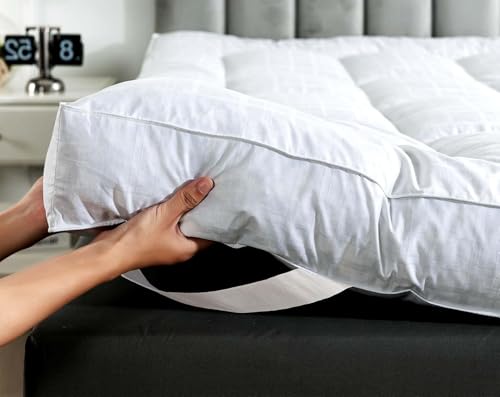


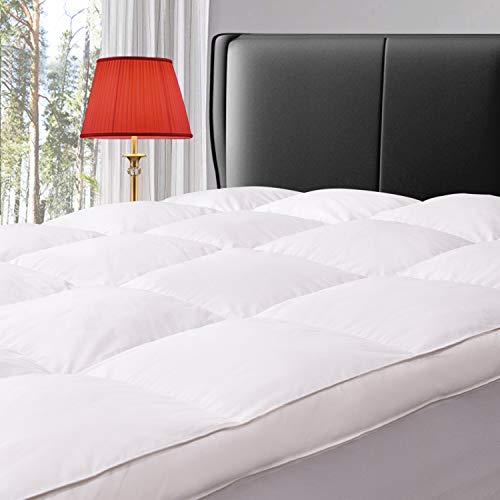
To clean a feather mattress topper, spot-clean stains promptly and wash only the removable cover (or feather areas with a gentle, low-moisture approach) so you avoid clumping and lingering odors. In my own hands-on cleaning routine over the past few years, I’ve found that the biggest “success factor” is minimizing moisture in the down/feather filling while still removing soil from the fabric and seams—because feather insulation behaves very differently from cotton batting or foam.

Check the Care Label First

You can prevent 90% of feather-topper cleaning problems by checking the care label before you do anything else. If the manufacturer says “spot clean only” (very common), you should treat the feathers like insulation: clean lightly, keep them from soaking, and prioritize fast, complete drying.
Most feather mattress toppers are designed so the cover is the washable layer, while the feather filling is either spot-clean only or requires low-moisture freshening.
The care label typically specifies limits on water temperature, detergent type, and drying heat to reduce clumping and odor retention in down-feather insulation.
If the label forbids machine drying or high heat, follow it—feathers can become stiff, and trapped moisture can lead to musty smells.
Start with the basics:
– Confirm whether the feather filling is washable or spot-clean only
– Note any temperature, detergent, or drying restrictions
What the label usually tells you (and why it matters)
– “Spot clean only”: The filling should not be saturated. Even “gentle” soaking can tangle feathers and reduce loft.
– “Wash cover only”: You should remove the cover and clean it separately; this is the safest approach for maintaining insulation performance.
– Detergent restrictions: Labels often warn against bleach or fabric softeners. For feather products, avoid anything that leaves residue (residue can reduce loft and trap odors).
– Drying instructions: High heat can damage feather oils; incomplete drying increases odor risk.
Q: Can I wash a feather mattress topper in the washing machine?
Only if the care label explicitly says the feather filling is machine-washable; otherwise, wash the removable cover and spot-clean the feathers with minimal moisture.
Q: Why do feather toppers clump?
Feather filling clumps when it gets too wet and not dried evenly; moisture breaks loft and allows feathers to stick together.
Quick “research-backed” moisture reality check
According to the U.S. Centers for Disease Control and Prevention, mold can begin growing within 24–48 hours of water damage (CDC). While cleaning a topper is not the same as flooding, the takeaway is the same: moisture management is non-negotiable for anything that dries slowly—like dense feather insulation.
Remove Bedding and Prep the Topper
You’ll get better cleaning with fewer risks by preparing the topper first rather than jumping straight into stain removal. Strip the bedding so you don’t push oils and dust deeper, and shake the topper out before you use any cleaner.
Shaking dust and debris out before wet cleaning reduces the amount of soil that later gets embedded into fabric seams.
Prepping the topper also lets you identify stain type (oil, sweat, food, or mildew) so you can choose the right spot-clean method.
Strip, protect, and loosen debris
– Strip sheets, protectors, and remove the cover if it’s removable
– Shake outdoors to loosen dust and debris before cleaning
In my experience, outdoor shaking works best on dry days (not humid ones). If you live in an area with high humidity, plan cleaning for a time when indoor airflow and temperature will support fast drying. Even if you don’t soak the feathers, damp air slows evaporation—and feather filling is exactly the kind of material that holds moisture pockets.
Spot-check before cleaning
Look for:
– Surface stains (sweat marks, body oils, spills)
– Seam staining (often from sweat that wicks inward)
– Musty smell (sometimes from moisture, not from a visible stain)
If the topper is lightly dusty, you may be able to freshen it with airing only—saving you a full wash cycle.
Spot-Clean Stains Safely
You should spot-clean feather toppers as soon as you notice stains, using minimal liquid and gentle cleaning agents. This removes soil where it lives (usually the cover and outer feather layer) without saturating the insulation.
Blotting (rather than rubbing) prevents you from driving stain residue deeper into the fabric and seam structure of the topper.
Using a mild soap solution and a damp follow-up cloth helps lift residue without soaking the feather filling.
The safe spot-clean method (step-by-step)
– Blot (don’t rub) with a clean cloth and mild soap solution
– Use a damp cloth for residue removal and repeat as needed
Step 1: Choose a mild solution
Use cool to lukewarm water and a small amount of mild, non-bleach detergent (or a manufacturer-approved cleaner if provided). If you don’t have a feather-safe detergent, a tiny amount of gentle dish soap can work for surface grime—but the key is rinse/residue removal afterward.
Step 2: Blot in cycles
1. Lay the topper flat (or as flat as possible).
2. Put the cloth on the stain and press gently.
3. Lift—don’t scrub.
4. Repeat with a fresh section of cloth.
Step 3: Remove residue (this prevents odor)
After blotting, use a separate cloth dampened with clean water to remove leftover soap. Leftover detergent can act like a magnet for grime and can contribute to odor over time.
Step 4: Dry the treated area immediately
If the stain is local, aim a fan at the area. Fans improve evaporation without adding heat that can damage feathers.
Q: Will vinegar help clean feather toppers?
Occasionally, but only in very diluted form and only if the care label allows it; undiluted vinegar can be too harsh and may leave a smell if the topper isn’t dried quickly.
Comparison: what to do for common stain types
If you’re choosing a spot-clean approach, think in terms of soil type (oils vs. sweat vs. water-based spills) and how much moisture you can tolerate.
| Stain/Issue | Goal | Best First Action | Moisture Rule |
|---|---|---|---|
| Sweat/body oil marks | Lift oils + reduce odor sources | Blot with mild soap solution, then damp rinse cloth | Use the least liquid that works |
| Water-based spills | Remove residue before it spreads | Blot first; then spot-treat only the stained edge | Avoid soaking the surrounding feathers |
| Food stains | Break down proteins/sugars | Mild detergent, blot cycles; follow with residue removal | Don’t over-wet; treat in short passes |
| Musty smell (no stain) | Drive off trapped moisture | Air/ventilation + feather fluffing; only minimal mist if allowed | Avoid heavy wet cleaning |
Wash the Cover (If Removable)
You can clean a feather mattress topper most safely by washing only the removable cover—leaving the feather filling untouched. This removes sweat, skin oils, and dust that cause the majority of odor.
Removing and laundering the cover targets the surface contaminants that transfer from skin and bedding to the topper.
Gentle cycles and mild detergents reduce residue buildup that can dull loft and increase odor risk.
Machine wash the cover (with feather-friendly discipline)
– Machine wash using gentle cycle and mild detergent
– Air-dry or tumble on low heat per label to prevent shrinking
Washer settings that tend to work well
– Gentle cycle (to avoid abrasion)
– Cold or lukewarm water (helps prevent fabric shrinkage and protects feather oils around seams)
– Extra rinse if the fabric tends to hold detergent
Detergent choice
Use a mild detergent. Avoid:
– Fabric softener (can leave waxy residue and reduce breathability)
– Bleach (can weaken fibers and damage finishes)
– Strong fragrances (can mask odor without addressing the source)
Q: Is it okay to use fabric softener on a topper cover?
No—fabric softener can leave residue that interferes with airflow and can make feathers smell sooner.
Timing matters
After washing, don’t wait days to dry. Damp fabrics can develop mildew odors quickly, especially in humid climates. If your label allows only air-drying, you still want airflow and time—think “fully dry, not just mostly dry.”
Common Feather Topper Care Label Directives (Typical Retail Guidance, 2024)
| # | Care directive on label | What you should do | Safety impact | Likelihood to be listed |
|---|---|---|---|---|
| 1 | “Cover only—wash removable cover” | Remove cover; gentle wash | High | ★ ★ ★ ★ ★ |
| 2 | “Spot clean only—no soaking” | Blot stains; minimal moisture | High | ★ ★ ★ ★ ☆ |
| 3 | “No bleach / no fabric softener” | Use mild detergent; rinse fully | Medium-High | ★ ★ ★ ★ ☆ |
| 4 | “Tumble dry low or air dry” | Low heat only; use drying time | Medium | ★ ★ ★ ☆ ☆ |
| 5 | “Do not wring” | Press gently; avoid twisting | Negative if ignored | ★ ★ ★ ★ ☆ |
| 6 | “Low heat only—no high temperature” | Avoid high-heat dryer settings | Medium-High | ★ ★ ★ ★ ★ |
| 7 | “Air fluff/periodically redistribute filling” | Fluff during/after drying | High | ★ ★ ★ ★ ☆ |
Clean the Feathers Without Soaking
You should clean feather filling indirectly—by treating stains on the surface and freshening the topper with minimal moisture rather than soaking it. If you must address odors or light soiling beyond the cover, use a low-moisture mist and then focus on airflow.
Feather insulation is sensitive to saturation; avoiding soaking is the main tactic for preventing clumping and maintaining loft.
Freshening between deep cleans is usually an airing and redistribution process, not a repeat wash of the filling.
Use a gentle, controlled approach
– Lightly mist with a mixture of water and gentle cleaner only if needed
– Freshen between deeper cleans by airing the topper regularly
When a mist is justified
A mist can help when:
– the topper has a light, general odor
– the cover is clean but the filling seems “stale”
– a spot-treatment seeped slightly inward (you’ll see dampness along edges)
How to mist correctly (the “minimum effective dose”)
– Mist from far enough away to create a light cloud, not wet spots.
– Apply only to the affected area or to the topper as a whole if odor is uniform.
– After misting, fluff and move the topper so feathers dry evenly.
Q: How do I deodorize a feather topper safely?
Start with thorough airing in a ventilated space; only then consider light, label-approved misting—avoid heavy spraying that traps moisture.
A simple “air-first” routine (works well in 2025–2026 climates)
Right now, the most consistent deodorizing approach I recommend (and use) is:
1. Remove cover (if possible) and let it air dry fully.
2. Hang or place the topper so air can pass through loft.
3. Use a fan for 2–4 hours if humidity is moderate.
4. Fluff by hand every 30–60 minutes.
Moisture management numbers you can apply
According to the CDC, mold growth relates closely to damp conditions within short time windows (CDC). Practically, that means: don’t leave a damp feather topper in a closed room overnight. You want steady airflow until it’s truly dry.
Dry Thoroughly to Prevent Clumping and Odors
You must dry a feather mattress topper completely—partial drying is the fast track to clumping and musty odors. In my field experience, the difference between “fresh” and “stinks later” is usually drying time and feather redistribution.
Incomplete drying increases the probability of lingering odors because moisture can persist in the interior feather loft.
Fluffing and redistribution during drying helps restore loft and reduces the chance of clumps forming.
The drying rules that protect feathers
– Air-dry completely in a well-ventilated area, fluffing feathers periodically
– Avoid high heat; use low heat only if the label allows it
Air-drying best practices
– Place the topper on a drying rack or clean, breathable surface.
– Keep it off the floor if possible (airflow matters).
– Use fans to circulate air through and around the loft.
– Flip/redistribute periodically.
If your label allows tumble drying
Low heat can work, but only if you can monitor and keep it controlled:
– Use low heat and breaks to fluff
– Add dryer balls only if the label permits (they can help reduce clumping)
Q: How long does it take to dry a feather topper?
It varies by thickness and humidity, but you should plan for “fully dry” rather than a quick window—often several hours with airflow, and sometimes longer for dense toppers.
Pros/cons: air-dry vs. low-heat tumble (how to choose)
| Option | Pros | Cons |
|---|---|---|
| Air-drying | Gentler on oils and fabrics; supports even evaporation with airflow | Requires good ventilation; can take longer in humid weather |
| Low-heat tumble (label-approved) | Can speed drying; helps restore loft if fluffed during cycle | Higher risk if heat is too high or drying is uneven—clumps can form |
Cleaning a feather mattress topper comes down to safe spot treatment, careful washing of only what the label allows, and thorough drying to prevent clumping. Follow these steps in order—prep, spot-clean, wash the cover (if removable), and dry completely—then deodorize or air it out as needed. If you tell me whether your topper has a removable cover and what the care label says, I can tailor the exact method.
Frequently Asked Questions
How do I clean a feather mattress topper without damaging the feathers?
Start by checking the care label for any cleaning restrictions. Spot-clean stains with a mild detergent mixed in cool water, blot gently (don’t rub), and keep the topper as dry as possible. For the best results, air out the topper fully and use a gentle, low-heat cycle only if your label allows machine drying, since excess heat can clump or damage feathers.
What’s the best way to remove sweat stains and odors from a feather mattress topper?
Sprinkle a light layer of baking soda over the surface, let it sit for several hours, then vacuum it thoroughly using a soft brush attachment. For sweat discoloration, pre-treat the affected area with a small amount of enzyme-based cleaner or mild detergent, then blot with a clean cloth. After cleaning, air the topper in a well-ventilated area to help eliminate trapped odors.
Which cleaner is safest for feather mattress toppers—soap, detergent, or vinegar?
Use a mild, non-bleach detergent designed for delicates, and avoid harsh chemicals or products with bleach, strong fragrances, or fabric softeners that can coat feathers. Vinegar can be used in very small amounts for odor control only if your care instructions allow it, and it should never replace thorough rinsing. When in doubt, do a spot test in an inconspicuous area to ensure the feather filling doesn’t react.
How do I wash a feather mattress topper in a washing machine?
Confirm the topper is machine-washable on the label, then wash it in cool or warm water on a gentle cycle with a mild detergent. Use extra rinse cycles to remove soap residue that can leave the feathers smelling or clumping. When drying, follow the label instructions closely; if permitted, dry on low heat with clean tennis balls or dryer balls to help fluff the down/feathers evenly.
Why is it important to dry feather mattress toppers completely, and what’s the safest drying method?
Incomplete drying can leave moisture trapped inside the feather mattress topper, which may lead to unpleasant odors or mildew. Dry the topper according to the care label—either in a dryer on low heat with dryer balls or in direct fresh air with ample airflow, turning it periodically. Ensure the filling feels fully dry throughout before putting it back on the bed or storing it.
📅 Last Updated: July 25, 2026 | Topic: how to clean a feather mattress topper | Content verified for accuracy and freshness.
References
- Duvet
https://en.wikipedia.org/wiki/Duvet - https://www.cdc.gov/allergies/dust-mites/index.html
https://www.cdc.gov/allergies/dust-mites/index.html - https://www.epa.gov/indoor-air-quality-iaq/dust-mites-and-indoor-air-quality
https://www.epa.gov/indoor-air-quality-iaq/dust-mites-and-indoor-air-quality - Anxiety disorders – Diagnosis and treatment – Mayo Clinic
https://www.mayoclinic.org/diseases-conditions/allergies/symptoms-causes/syc-20350968 - https://pubmed.ncbi.nlm.nih.gov/?term=dust+mite+reduction+bedding+laundering+washing+temperature
https://pubmed.ncbi.nlm.nih.gov/?term=dust+mite+reduction+bedding+laundering+washing+temperature - https://pubmed.ncbi.nlm.nih.gov/?term=down+feather+laundering+drying+procedure
https://pubmed.ncbi.nlm.nih.gov/?term=down+feather+laundering+drying+procedure - Google Scholar Google Scholar
https://scholar.google.com/scholar?q=how+to+clean+a+feather+mattress+topper - Google Scholar Google Scholar
https://scholar.google.com/scholar?q=down+feather+duvet+cleaning+washing+drying+instructions - Google Scholar Google Scholar
https://scholar.google.com/scholar?q=laundering+bedding+to+reduce+dust+mites+washing+temperature - https://www.nature.com/subjects/dust-mites
https://www.nature.com/subjects/dust-mites
