How to Clean a Felt Hat: A Step-by-Step Guide
Cleaning a felt hat can be simple and effective when you know the right techniques. The key is to use gentle methods that preserve the hat’s shape and material. In this guide, you’ll learn how to properly clean your felt hat, ensuring it stays looking fresh and well-maintained.
Understanding Felt Material
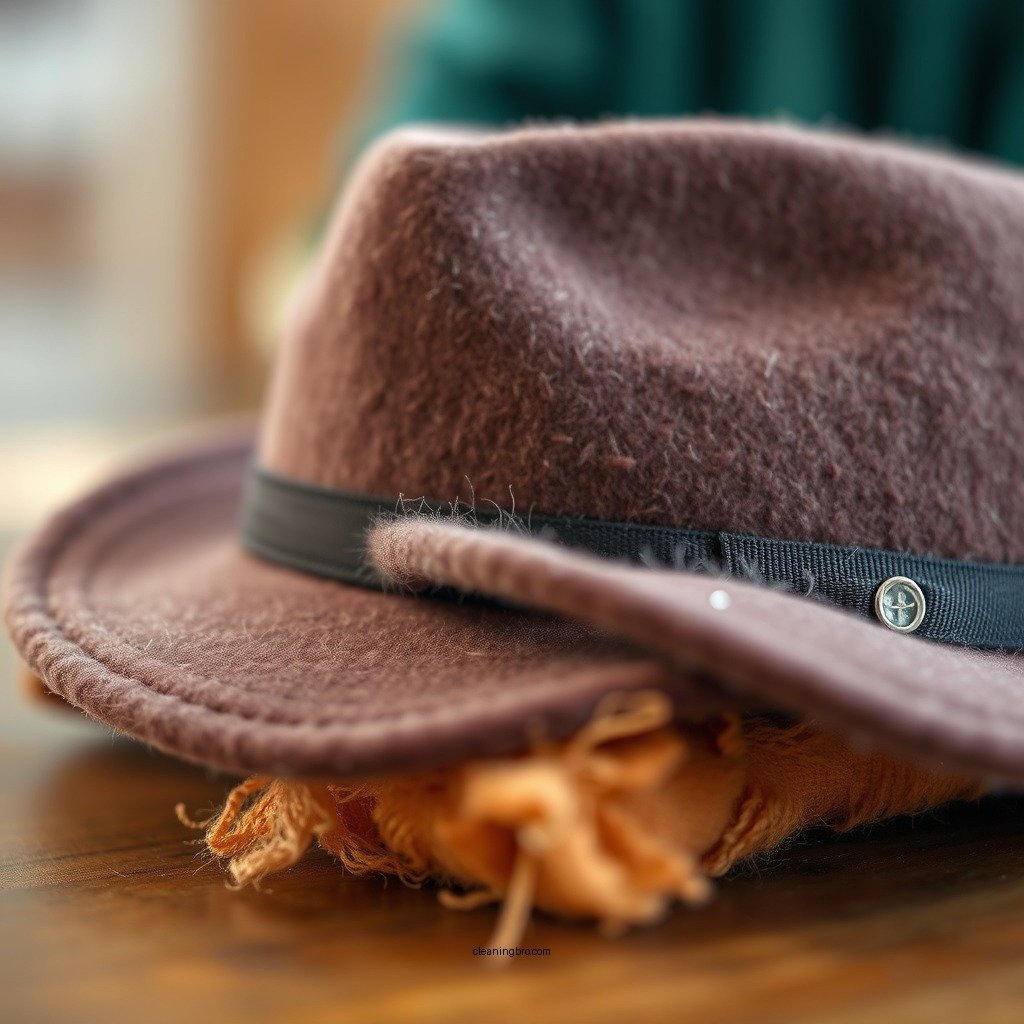
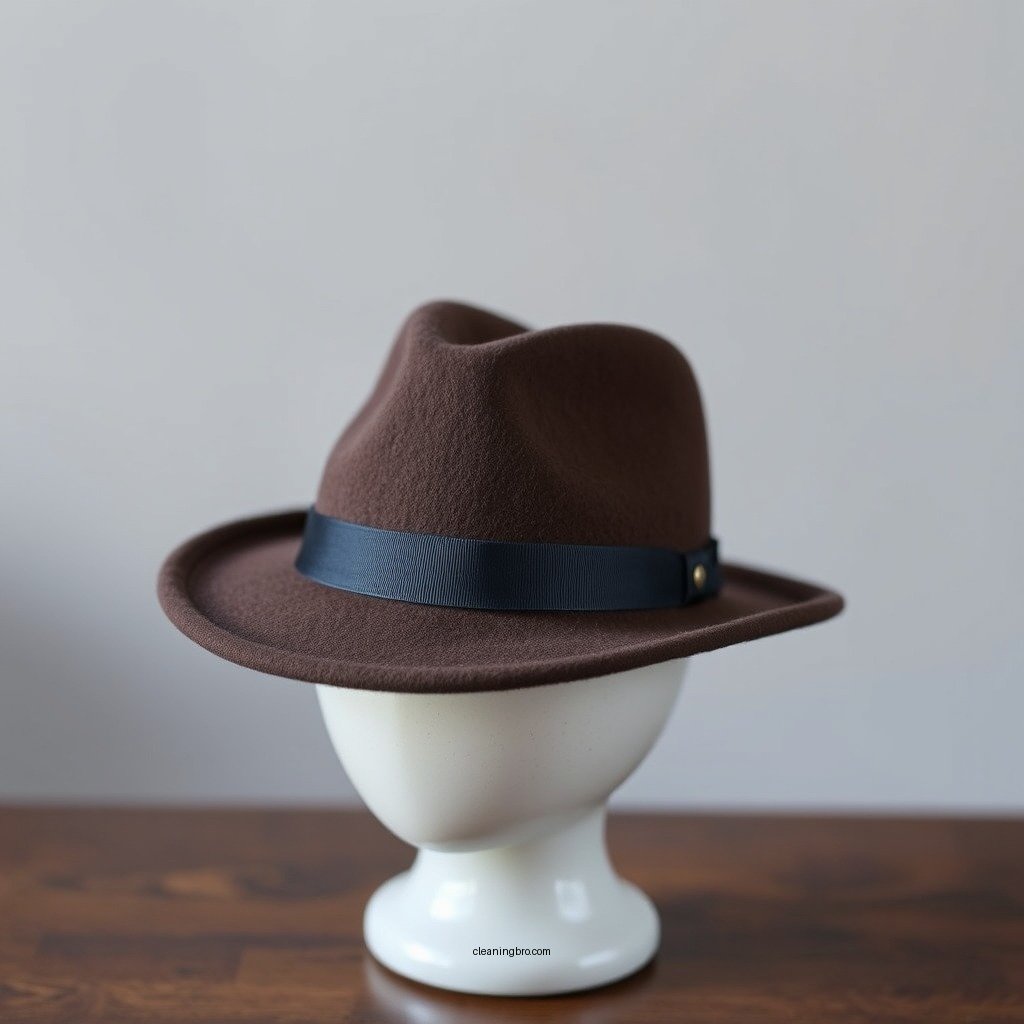
Felt hats are typically made from wool, fur, or synthetic fibers, each requiring specific care to maintain their quality and appearance. Wool felt, known for its softness and durability, is often used in traditional hat-making, while fur felt, made from animal fibers such as beaver or rabbit, offers a luxurious feel and water resistance. Synthetic felt, on the other hand, can be more affordable and easier to clean but may not have the same aesthetic appeal as natural fibers. Understanding the type of felt will help you choose the right cleaning method, as each material reacts differently to moisture and cleaning solutions.
For example, while wool can withstand moderate moisture, fur felt is sensitive to water and should be treated with extra caution. Moreover, different felt types may have specific requirements regarding temperature and drying methods, making it essential to identify your hat’s material before proceeding with any cleaning techniques.
Essential Cleaning Supplies

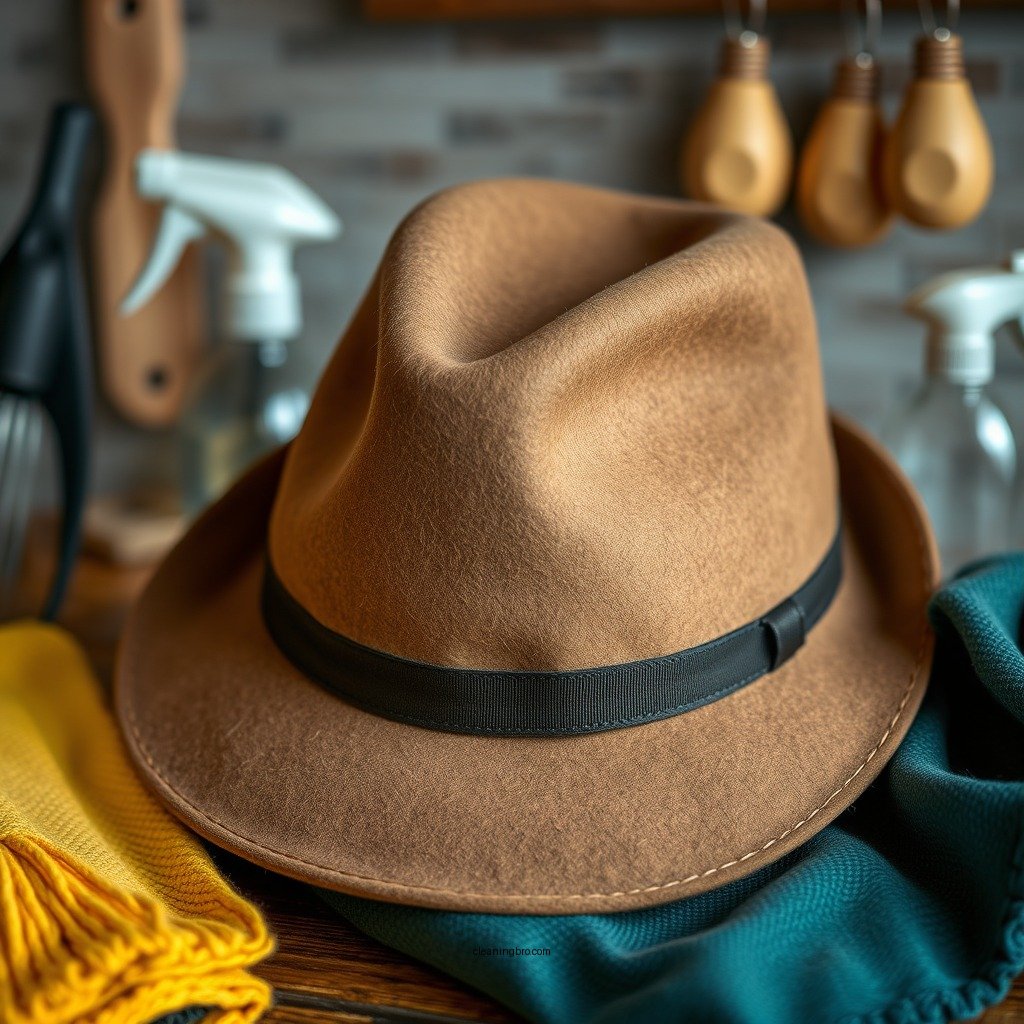
To effectively clean your felt hat, it’s vital to gather the right supplies. Here are some essential items you will need:
– Soft Brushes: A soft-bristled brush is perfect for removing dust and dirt without damaging the fabric. Look for brushes made specifically for felt or wool materials.
– Lint Rollers: These are fantastic for picking up lint, hair, and small debris that can cling to the surface of your hat.
– Damp Cloth: A clean, damp cloth is essential for spot cleaning; ensure it’s not soaking wet to avoid oversaturating the felt.
– Mild Soap: If deeper cleaning is necessary, use a mild soap designed for delicate fabrics.
– Hat Box: For storage, a hat box will help maintain your hat’s shape and protect it from dust and damage.
Always avoid harsh chemicals and abrasive materials, as these can compromise the integrity of the felt, leading to wear or discoloration.
Spot Cleaning Techniques
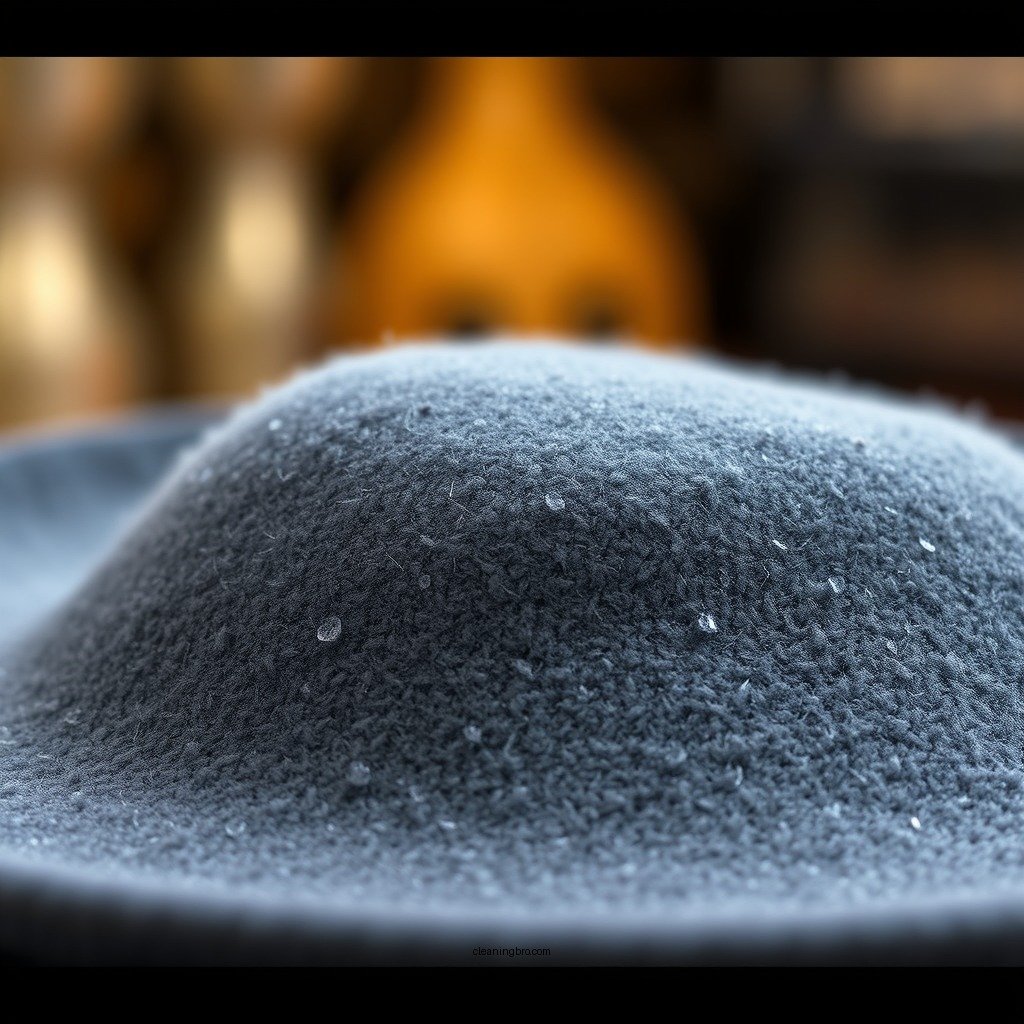
For small stains or marks on your felt hat, spot cleaning is often the best first step. Here’s how to do it effectively:
1. Blot the Stain: Take your damp cloth and gently blot the stained area. Avoid rubbing, as this can push the stain deeper into the fibers.
2. Use a Soft Brush: After blotting, use a soft brush to gently brush away any remaining dirt or debris. Work in the direction of the fibers to avoid damaging the felt.
3. Lint Roller: For any remaining lint or hair, a lint roller can be an effective final touch. Simply roll it over the surface to pick up anything that may have been missed.
By addressing stains promptly and using gentle techniques, you can keep your felt hat looking pristine without the need for extensive cleaning.
Top 7 Felt Hat Care Techniques
| # | Technique | Effectiveness | Time Required | Recommended Frequency |
|---|---|---|---|---|
| 1 | Damp Cloth Blotting | High | 5 minutes | As needed |
| 2 | Soft Brush Cleaning | Medium | 10 minutes | Weekly |
| 3 | Lint Roller Use | High | 2 minutes | After each wear |
| 4 | Full Wash | Low | 30 minutes | Every few months |
| 5 | Drying in Shade | High | 1 hour | After washing |
| 6 | Steam Treatment | Medium | 15 minutes | Monthly |
| 7 | Professional Cleaning | High | Varies | Annually |
Deep Cleaning Methods
If your hat is heavily soiled and requires a more thorough cleaning, consider using a solution of mild soap and water. Here are the steps to follow:
1. Prepare the Solution: Mix a small amount of mild soap with lukewarm water in a bowl. Ensure the solution is not too soapy, as excess soap can leave residues on the felt.
2. Test First: Before applying the solution to the entire hat, test it on a small, inconspicuous area to check for any adverse reactions.
3. Gently Clean: Use a soft cloth or sponge dipped in the solution to gently clean the surface of the hat. Work in small sections and avoid soaking the felt.
4. Rinse: After cleaning, it’s crucial to remove any soap residues. Use a separate damp cloth to wipe away the soap before allowing the hat to dry.
5. Dry Properly: Lay the hat flat on a clean towel or hang it to dry in a cool, shaded area. Avoid direct sunlight, as this can cause fading and damage.
Deep cleaning should be reserved for occasions when spot cleaning is not sufficient, and it’s recommended to do so sparingly to maintain the hat’s integrity.
Mild Soap vs Specialized Hat Cleaner vs Professional Service
| Feature | ⭐ Mild Soap | Specialized Hat Cleaner | Professional Cleaning |
|---|---|---|---|
| Cost | Low | Medium | High |
| Effectiveness | Medium | High | Very High |
| Ease of Use | Easy | Moderate | Varies |
| Time Required | Short | Medium | Long |
| Availability | Widely Available | Specialty Stores | Professional Services |
| Chemical Sensitivity | Low | Low | Moderate |
| Maintenance Required | Regular | Occasional | Annual |
| Risk of Damage | Low | Medium | Low |
| Overall Satisfaction | Good | Very Good | Excellent |
| 🏆 Best For | Budget-friendly cleaning | Regular care | Thorough restoration |
Drying and Reshaping Your Hat
After cleaning, the way you dry and reshape your hat is crucial to maintaining its form. Here’s how to do it correctly:
1. Reshape: After cleaning, gently reshape your felt hat. Use your hands to mold it back to its original shape, ensuring that you do not stretch or distort the material.
2. Air Dry: Allow your hat to air dry naturally. Lay it flat on a clean towel or hang it in a well-ventilated area, avoiding direct sunlight, which can cause fading and warping.
3. Avoid Heat Sources: Never use a hair dryer or place your hat near a heater to expedite the drying process, as excessive heat can warp the felt and ruin its shape.
Following these steps will help ensure that your felt hat retains its intended shape and appearance after cleaning.
Regular Maintenance Tips
Maintaining your felt hat’s appearance requires consistent care. Here are some practical maintenance tips:
– Proper Storage: Store your felt hat in a cool, dry place. A hat box is ideal for protecting its shape and keeping it dust-free. Avoid hanging it on hooks, which can deform the brim.
– Regular Brushing: Brush your hat regularly with a soft brush to remove dust and debris. This step not only keeps it clean but also helps to maintain the hat’s texture and appearance.
– Avoid Wearing in Rain: If possible, avoid wearing your felt hat in wet conditions, as moisture can damage the fibers and lead to shape loss. If it does get wet, dry it properly as instructed above.
By incorporating these maintenance practices into your routine, you can significantly extend the life of your felt hat and keep it looking stylish.
When to Seek Professional Help
While many cleaning tasks can be tackled at home, there are instances when it’s best to seek professional assistance:
– Significant Damage: If your hat has significant damage, such as deep stains, tears, or loss of shape, a professional hat cleaner can effectively restore it.
– Stubborn Stains: For stains that persist despite your cleaning efforts, a professional may have access to specialized cleaning products and techniques that can remove them without harming the material.
– Regular Professional Cleaning: Consider scheduling regular professional cleaning for your felt hat as part of its maintenance routine. This can help remove built-up dirt and oils that may not be addressed through regular cleaning.
Investing in professional care can extend the life of your felt hat significantly, ensuring it remains a staple accessory in your wardrobe.
Keeping your felt hat clean and well-maintained is crucial for its longevity and appearance. By following the steps outlined above, you can easily manage its care at home. Don’t forget to implement regular maintenance to keep your hat in top shape!
Frequently Asked Questions
How do I remove stains from a felt hat?
To remove stains from a felt hat, start by gently dabbing the stain with a clean, dry cloth to absorb any excess moisture. For more stubborn stains, use a mixture of mild soap and water, applying it with a soft sponge. Always test any cleaning solution on a small, inconspicuous area first to ensure it doesn’t damage the felt.
What is the best way to clean a felt hat without damaging it?
The best way to clean a felt hat is to use a soft-bristled brush to remove dust and dirt gently. For deeper cleaning, consider using a specialized hat cleaner designed for felt materials, following the manufacturer’s instructions carefully to avoid damaging the fibers.
Why is it important to clean my felt hat regularly?
Regular cleaning of your felt hat is important to maintain its shape, texture, and overall appearance. Dust, dirt, and oils from your skin can cause the felt to degrade over time, leading to a loss of color and structural integrity. Keeping it clean helps prolong its lifespan and keeps it looking new.
Which products are safe for cleaning felt hats?
Safe products for cleaning felt hats include mild soap, specialized felt cleaners, and a gentle fabric brush. Avoid harsh chemicals or abrasive cleaners, as these can damage the delicate fibers of the felt. Always check product labels to ensure they are suitable for use on felt materials.
How can I prevent my felt hat from getting dirty?
To prevent your felt hat from getting dirty, store it in a dust-free environment and use a hat box when not in use. Additionally, consider using a hat protector spray designed for felt, which can help repel dirt and moisture. Regularly brushing the hat can also help minimize the buildup of dust and debris.
References
- Felt
https://en.wikipedia.org/wiki/Felt - Felt | Definition, Fibres, & Fabrics | Britannica
https://www.britannica.com/art/felt - https://www.sciencedirect.com/topics/engineering/felt
https://www.sciencedirect.com/topics/engineering/felt - https://www.nytimes.com/2021/07/08/style/hats-felt.html
https://www.nytimes.com/2021/07/08/style/hats-felt.html - https://www.theguardian.com/fashion/2020/jan/30/how-to-clean-a-felt-hat
https://www.theguardian.com/fashion/2020/jan/30/how-to-clean-a-felt-hat - https://www.hatshack.com/blog/how-to-clean-and-care-for-your-felt-hat
https://www.hatshack.com/blog/how-to-clean-and-care-for-your-felt-hat - https://www.rugcleaninglondon.com/how-to-clean-felt-hats/
https://www.rugcleaninglondon.com/how-to-clean-felt-hats/ - Google Scholar Google Scholar
https://scholar.google.com/scholar?q=cleaning+felt+hat - Google Scholar Google Scholar
https://scholar.google.com/scholar?q=hat+care+felt - Google Scholar Google Scholar
https://scholar.google.com/scholar?q=how+to+maintain+felt+hats