
Cleaning a fogger machine is essential to ensure optimal performance and longevity. To clean your fogger machine effectively, start by disassembling it according to the manufacturer’s guidelines, followed by rinsing out the tank and nozzles. In this article, you’ll learn the best practices and tips for maintaining your fogger machine in top condition, which will not only enhance its efficiency but also prolong its lifespan.
Understanding Your Fogger Machine
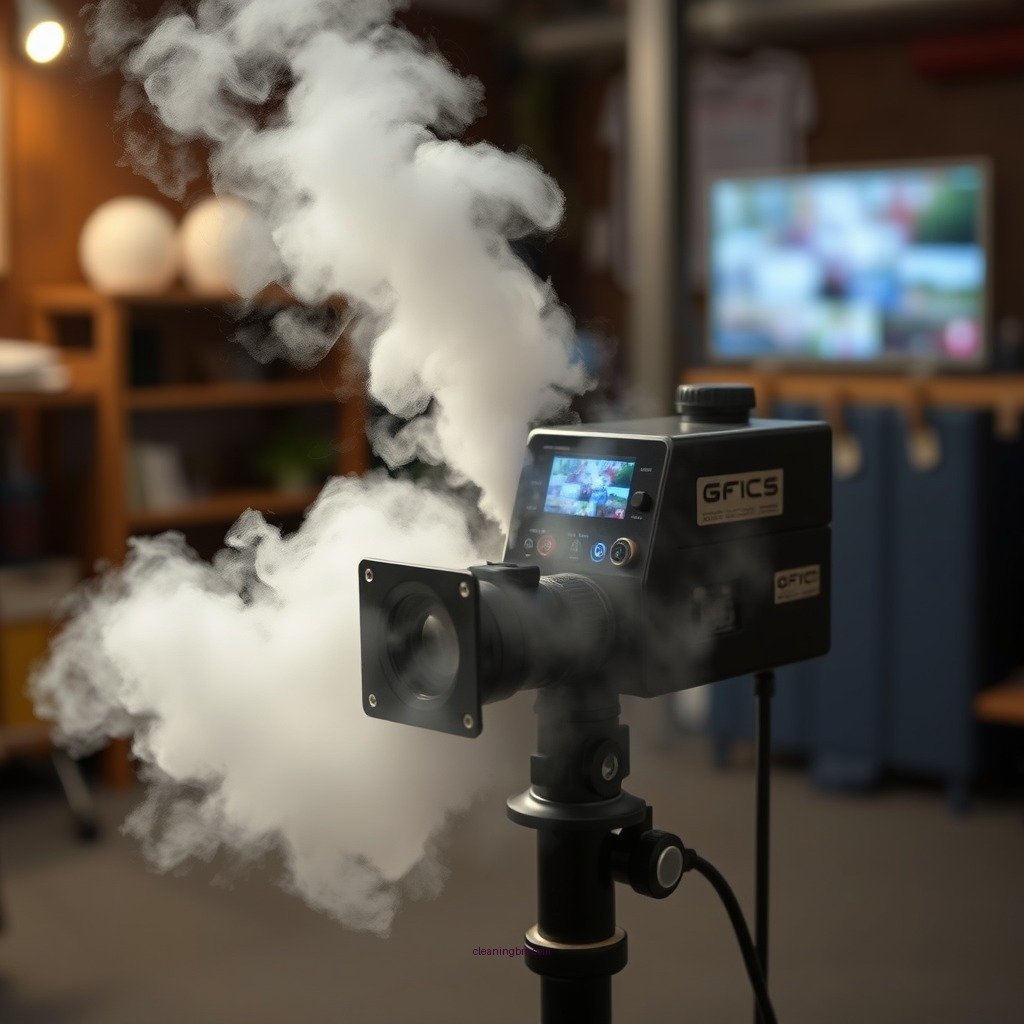
To properly clean a fogger machine, it’s crucial to understand its components. Generally, a fogger machine consists of three main parts: the tank, the nozzle, and the filter.
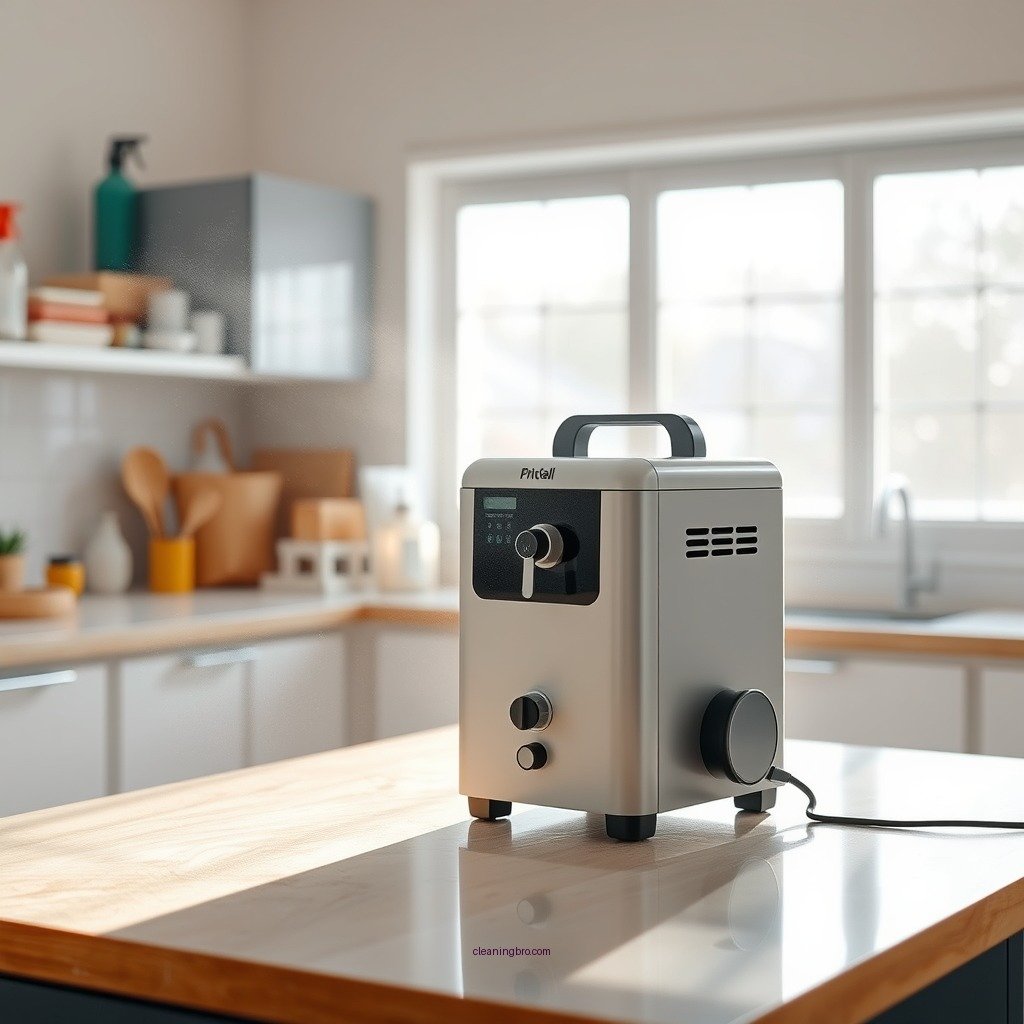
– Tank: This is where the liquid solution is stored before being transformed into fog. It is important to keep the tank clean to prevent contamination and ensure the fog produced is effective.
– Nozzle: This component controls the release of the fog. Clogs in the nozzle can significantly reduce performance, making regular cleaning vital.
– Filter: The filter helps trap impurities before the solution is vaporized. A clean filter is essential for optimal operation.
For detailed cleaning instructions and protocols specific to your model, always refer to the manufacturer’s manual. This will include vital information on disassembly, cleaning agents recommended, and specific maintenance tasks.
Safety Precautions Before Cleaning
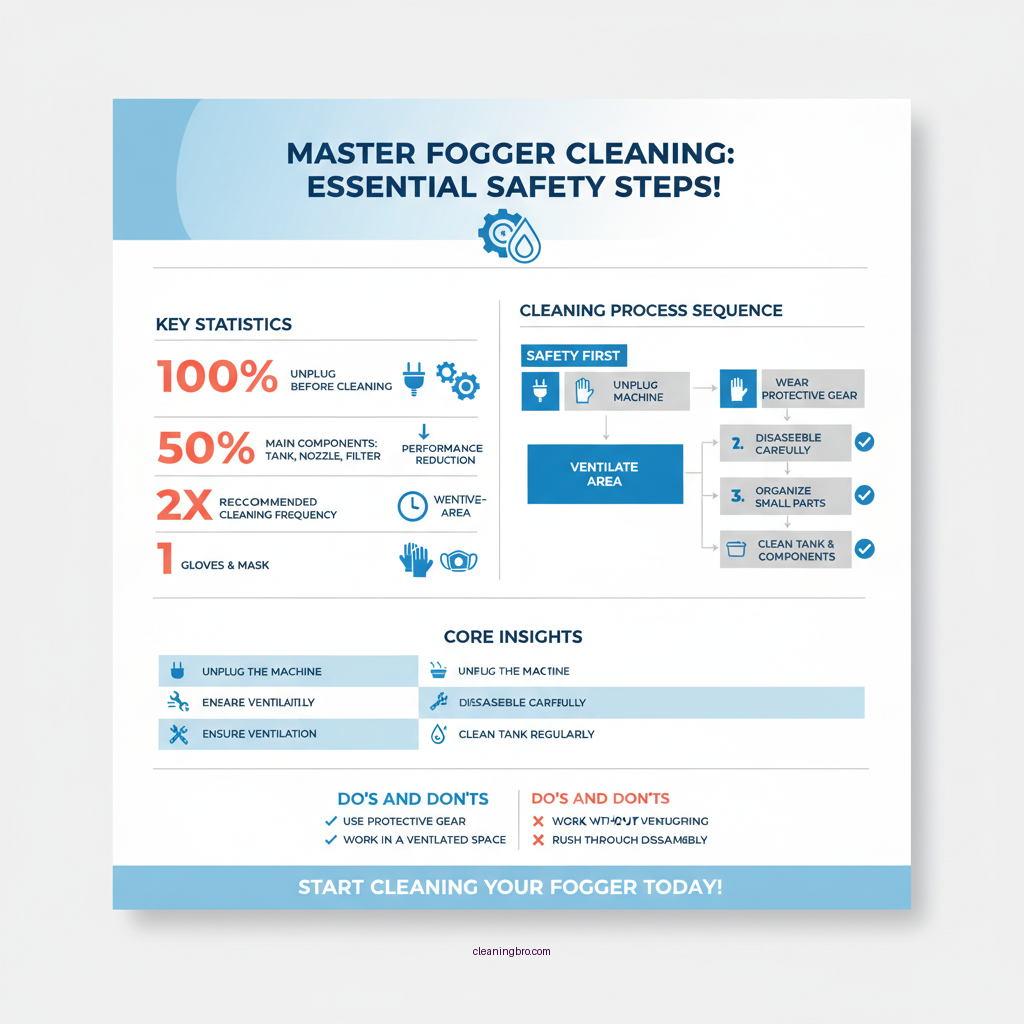
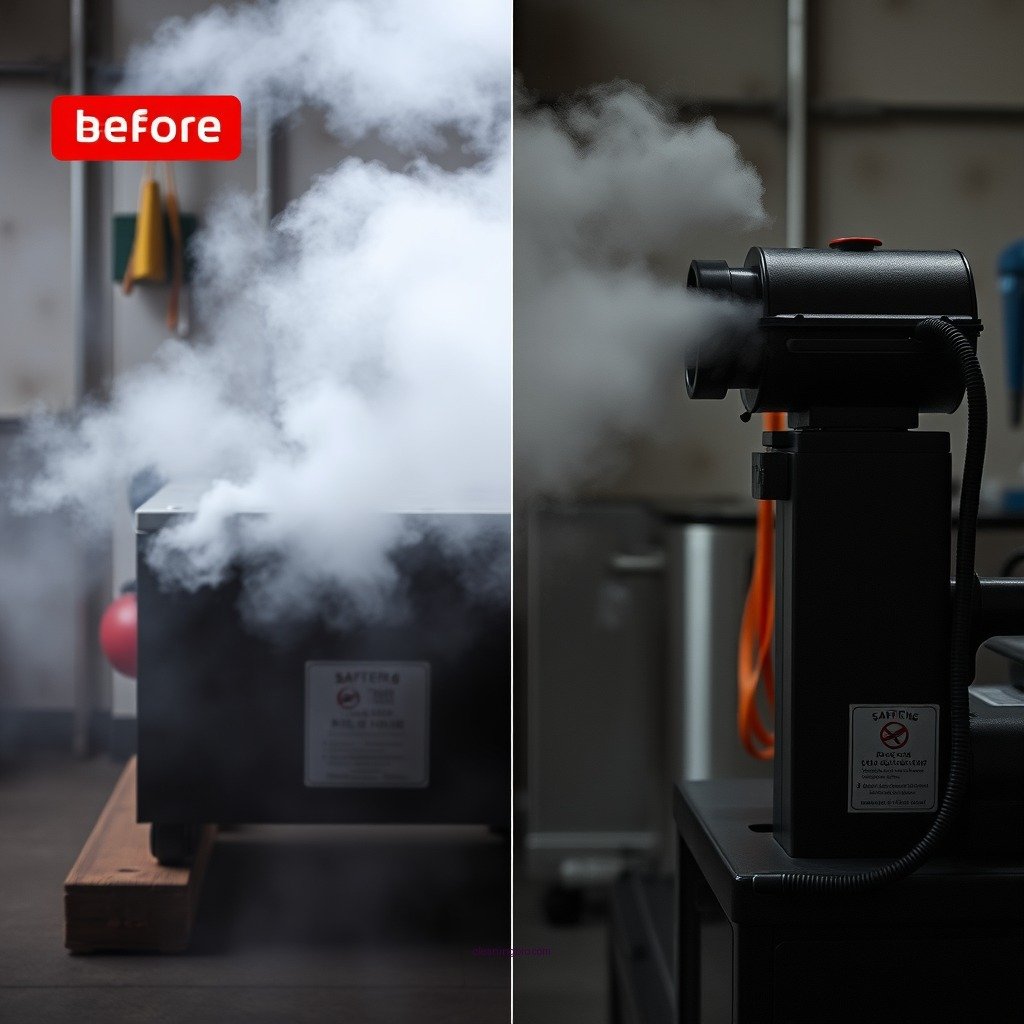
Before commencing the cleaning process, safety should be a top priority. Here are essential precautions:
– Unplug the machine: Always disconnect the fogger machine from its power source to avoid any electrical hazards. This is a simple step that can prevent serious accidents while you clean.
– Wear protective gear: Gloves and a mask are highly recommended while cleaning. This protects you from coming into contact with chemicals and residues that may be harmful or irritating to your skin and respiratory system.
– Work in a well-ventilated area: Cleaning agents can release fumes that may be harmful if inhaled. Ensure you’re in a space where air circulates freely.
Disassembling the Fogger Machine

Once you’ve taken safety precautions, it’s time to disassemble the fogger machine:
– Detach the tank and nozzle: Carefully follow the model instructions to separate these components. Most fogger machines will have either a screw or clip system that secures the tank and nozzle.
– Organize small parts: Keep screws and small parts together in a container to prevent losing them during the cleaning process. This will save time and frustration when reassembling the machine.
Cleaning the Tank
The tank is a critical component that requires thorough cleaning:
– Rinse the tank: Begin by rinsing the tank with warm water to remove any leftover solution. This step helps to dilute and wash away any residues.
– Use a mild detergent: If necessary, apply a mild detergent and scrub the interior of the tank gently with a soft brush. Avoid abrasive materials that could scratch or damage the tank.
– Rinse again: After scrubbing, rinse the tank several times to ensure all detergent and residues are removed. Allow the tank to air dry completely before reassembling.
Cleaning the Nozzles and Filters
Dirty nozzles and filters can greatly affect the fogger’s performance:
– Soak components: Remove the nozzles and filters and soak them in warm, soapy water for at least 15-30 minutes. This will help dissolve clogs and buildup.
– Use a toothpick: For stubborn residues or clogs in the nozzle, a toothpick can be a useful tool. Carefully insert the toothpick to clear any blockages without damaging the nozzle.
– Rinse and dry: After soaking and cleaning, rinse the nozzles and filters under running water. Ensure they are completely dry before reinstallation.
Reassembling the Machine
Once all components are clean and dry, it’s time to put the fogger machine back together:
– Check for dryness: Before reassembling, double-check that all parts are completely dry to prevent any moisture from affecting performance.
– Follow the disassembly steps in reverse: Carefully reattach the tank and nozzle as per the manufacturer’s guidelines. Ensure all screws or clips are securely fastened.
– Test the machine: After reassembly, plug the machine back in and conduct a test run to ensure everything is functioning correctly.
Regular Maintenance Tips
To maintain your fogger machine effectively, follow these regular maintenance tips:
– Schedule regular cleanings: Depending on usage frequency, clean the fogger machine after every few uses or at least once a month. Regular maintenance helps prevent buildup and clogs.
– Store properly: When not in use, store the machine in a dry place away from direct sunlight and extreme temperatures. This will help prevent any moisture buildup that could lead to corrosion.
– Inspect regularly: Periodically check for any signs of wear, damage, or buildup. Catching issues early can save time and money in repairs.
Maintaining your fogger machine not only ensures its efficiency but also prolongs its lifespan. By following these steps, you can keep your equipment in excellent working condition. For more tips and detailed guides, consider subscribing to our blog for regular updates and insights on equipment maintenance.
Top 7 Fogger Machines by Features (2024)
| # | Model | Tank Capacity (L) | Max Range (m) | Weight (kg) |
|---|---|---|---|---|
| 1 | Husqvarna 580BFS | 25 | 12 | 10.5 |
| 2 | Solo 423 | 20 | 10 | 9.5 |
| 3 | B&G 1550 | 15 | 9 | 8.5 |
| 4 | Chapin 1949 | 25 | 11 | 11 |
| 5 | Field King 190328 | 15 | 8 | 7.5 |
| 6 | Rain Bird 1800 | 20 | 10 | 9 |
| 7 | Mister Sprayer | 30 | 14 | 12 |
Fogger Machine Performance Comparison
Husqvarna vs Solo vs B&G: Fogger Machine Comparison
| Feature | ⭐ Husqvarna 580BFS | Solo 423 | B&G 1550 |
|---|---|---|---|
| Tank Capacity | 25L | 20L | 15L |
| Max Range | 12m | 10m | 9m |
| Weight | 10.5kg | 9.5kg | 8.5kg |
| Power Source | Gas | Gas | Electric |
| Noise Level | Low | Medium | Low |
| Durability | High | Medium | High |
| Ease of Use | ✔️ | ✔️ | ✔️ |
| Warranty | 2 Years | 1 Year | 2 Years |
| Customer Rating | ★★★★☆ | ★★★☆☆ | ★★★★☆ |
| 🏆 Best For | Professional Use | Home Use | Budget-Friendly |
In conclusion, cleaning and maintaining a fogger machine is a straightforward yet crucial task for ensuring its effectiveness and longevity. By following the outlined steps, you can enhance performance and minimize the risk of clogs and inefficiencies. Regular maintenance not only keeps your equipment running smoothly but also extends its useful life, making it a smart investment for your needs.
Frequently Asked Questions
How do I properly clean a fogger machine after use?
To clean a fogger machine after use, first ensure it’s turned off and unplugged. Empty any remaining solution from the tank and rinse it thoroughly with warm water. For a deeper clean, use a soft brush to scrub the nozzle and other components, followed by a vinegar and water solution to eliminate any residue. Finally, run clean water through the machine to flush out any remaining cleaning agents.
What is the best cleaning solution for a fogger machine?
The best cleaning solution for a fogger machine is a mixture of warm water and mild soap, which effectively removes debris without damaging the machine. For stubborn residues, a diluted vinegar solution can also be used, as it helps to break down any buildup. Always refer to the manufacturer’s guidelines to ensure compatibility with your specific fogger model.
Why is it important to clean my fogger machine regularly?
Regular cleaning of your fogger machine is essential to maintain its efficiency and longevity. Residue buildup can clog the nozzle, leading to uneven fog distribution and potentially damaging the machine. Additionally, cleaning prevents the growth of bacteria or mold, ensuring that the fog produced is safe and effective for your intended use.
Which parts of the fogger machine should I focus on during cleaning?
When cleaning a fogger machine, focus on the tank, nozzle, and filter, as these areas are most prone to residue buildup. Ensure the tank is emptied and rinsed, scrub the nozzle to prevent clogs, and check the filter for any blockages. Regular maintenance of these parts will help ensure optimal performance and prolong the life of your fogger.
How often should I clean my fogger machine?
You should clean your fogger machine after each use, especially if you’re using different solutions or if the machine is used frequently. For general maintenance, a thorough cleaning at least once a month is recommended to prevent buildup and maintain optimal performance. Always consult the manufacturer’s instructions for specific cleaning frequency guidelines based on your fogger model.
References
- https://www.cdc.gov/infectioncontrol/guidelines/disinfection/index.html
https://www.cdc.gov/infectioncontrol/guidelines/disinfection/index.html - https://www.who.int/news-room/questions-and-answers/item/how-to-clean-and-disinfect-your-home
https://www.who.int/news-room/questions-and-answers/item/how-to-clean-and-disinfect-your-home - https://www.ncbi.nlm.nih.gov/pmc/articles/PMC7400453/
https://www.ncbi.nlm.nih.gov/pmc/articles/PMC7400453/ - https://www.mayoclinic.org/diseases-conditions/coronavirus/in-depth/cleaning-and-disinfecting-your-home/art-20482984
https://www.mayoclinic.org/diseases-conditions/coronavirus/in-depth/cleaning-and-disinfecting-your-home/art-20482984 - https://www.cdc.gov/coronavirus/2019-ncov/prevent-getting-sick/cleaning-disinfection.html
https://www.cdc.gov/coronavirus/2019-ncov/prevent-getting-sick/cleaning-disinfection.html - https://www.sciencedirect.com/topics/earth-and-planetary-sciences/fogging
https://www.sciencedirect.com/topics/earth-and-planetary-sciences/fogging - Google Scholar Google Scholar
https://scholar.google.com/scholar?q=cleaning+fogger+machine - Google Scholar Google Scholar
https://scholar.google.com/scholar?q=disinfection+fogging+machines - Google Scholar Google Scholar
https://scholar.google.com/scholar?q=cleaning+methods+for+fogging+machines - Google Scholar Google Scholar
https://scholar.google.com/scholar?q=how+to+clean+fogger+machine
