How to Clean a Grey Water Tank: Step-by-Step Guide
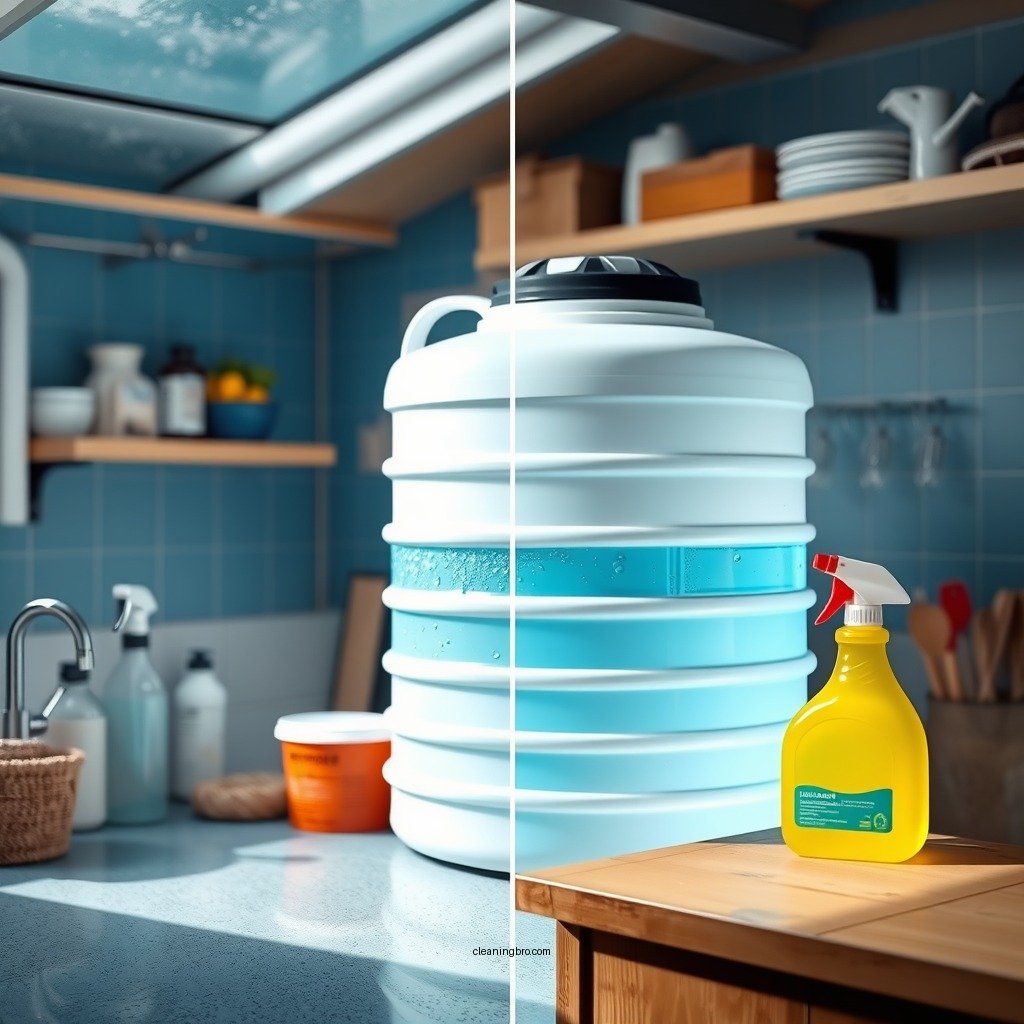
Cleaning a grey water tank is essential for maintaining a healthy and efficient system. To effectively clean your grey water tank, you need to drain it, use appropriate cleaning agents, and regularly inspect for buildup. In this article, you’ll learn the best practices and steps to keep your grey water tank functioning optimally, ensuring that your grey water system remains effective and sanitary.
Understanding Grey Water Tanks
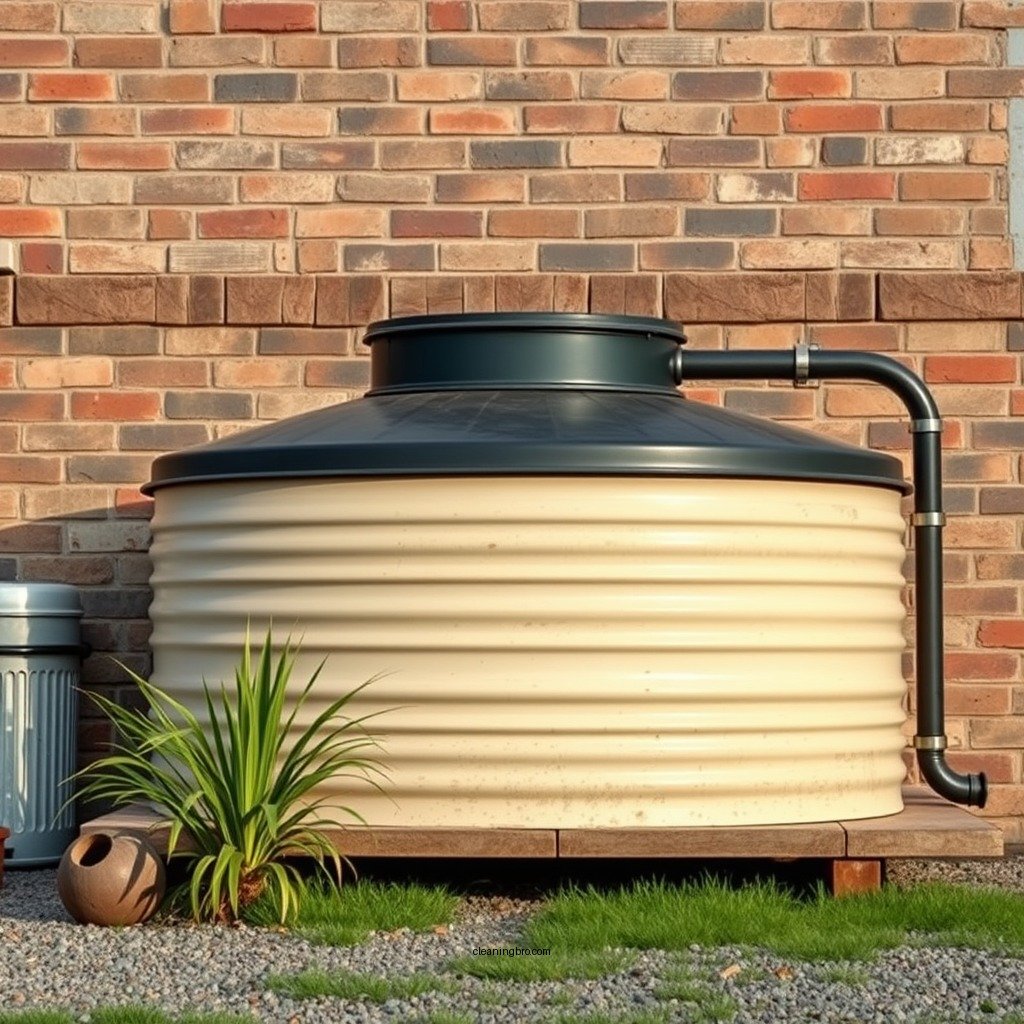
Grey water tanks are specialized systems designed to collect and store wastewater from household sources such as sinks, showers, and laundry. Unlike black water, which contains human waste and requires more stringent treatment, grey water is generally less contaminated and can be recycled or treated for non-potable purposes. The primary purpose of a grey water tank is to manage this wastewater sustainably, allowing for potential reuse in irrigation or toilet flushing, thereby conserving valuable water resources.
Common sources of grey water include:
– Kitchen Sinks: Water from food preparation and dishwashing.
– Showers and Bathtubs: Water from bathing, which may include soap and personal care products.
– Washing Machines: Wastewater from laundry, which can contain detergents and fabric softeners.
Understanding the composition and sources of grey water is vital for proper tank maintenance and cleaning.
Preparation for Cleaning
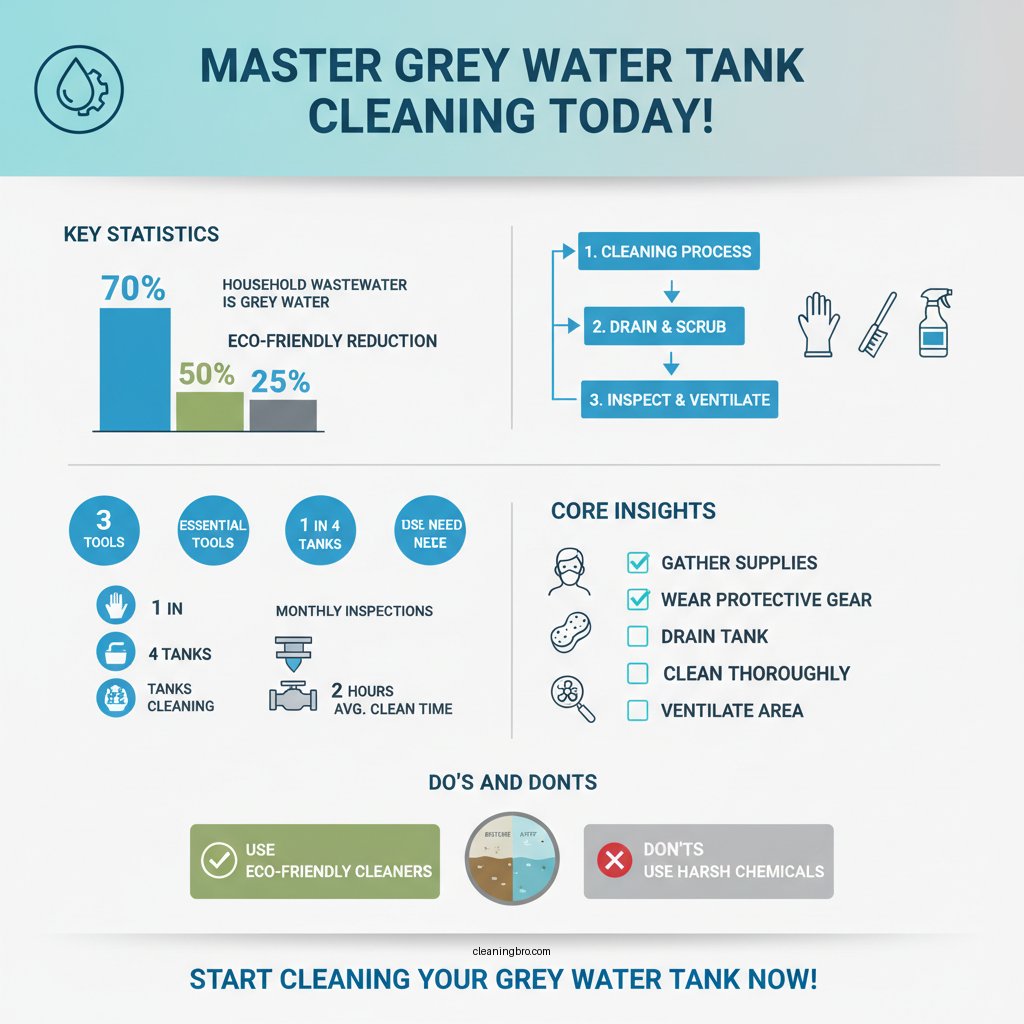
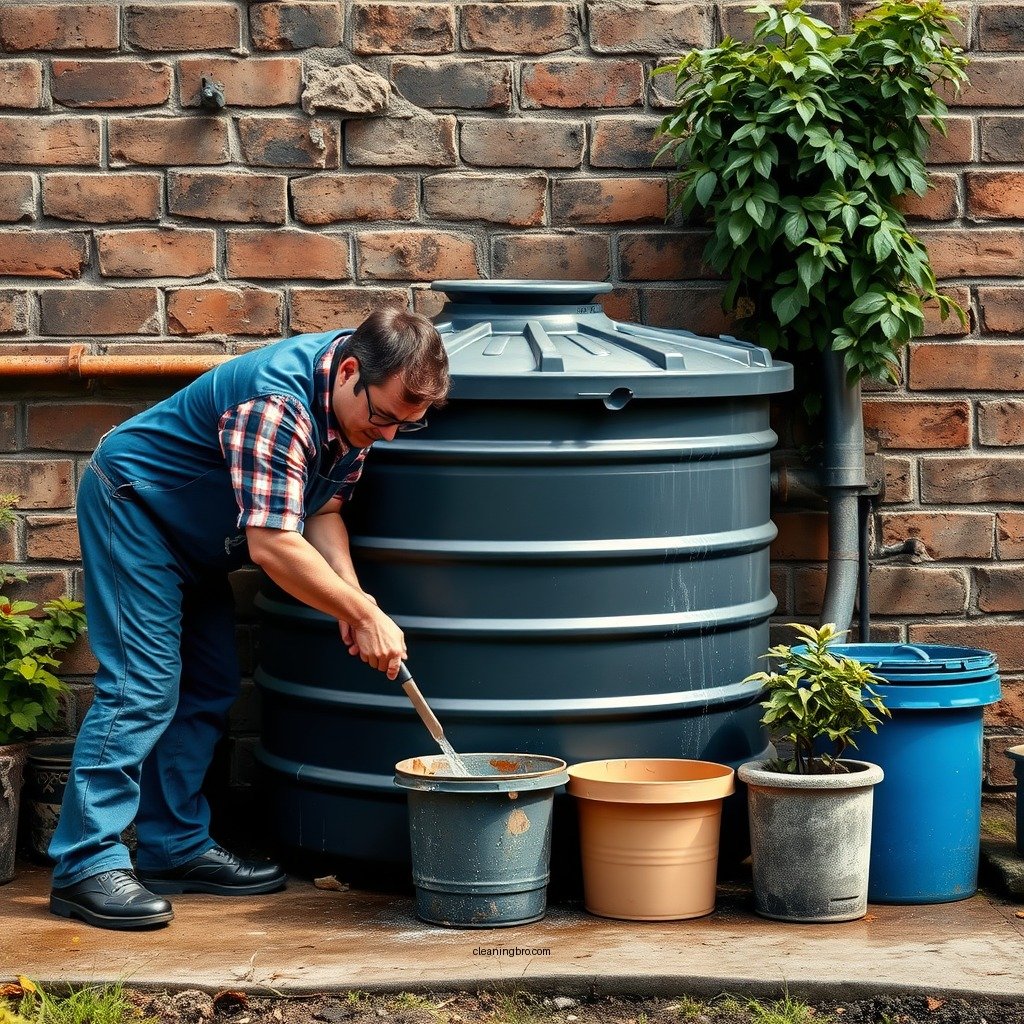
Before you begin cleaning your grey water tank, it is essential to gather the necessary cleaning supplies. This includes:
– Protective Gloves: To avoid direct contact with grey water.
– Scrubbing Brushes: For removing tough buildup and residue.
– Disinfectants and Cleaning Agents: Choose eco-friendly options designed for grey water systems, avoiding harsh chemicals that could disrupt the system’s balance.
– Buckets or Containers: To collect waste material and any residual water that may be drained.
Safety measures are paramount during this process. Always wear protective gear, including gloves and masks, to prevent exposure to potentially harmful substances. Additionally, ensure that the area is well-ventilated to avoid any inhalation of unpleasant odors or fumes.
Draining the Grey Water Tank
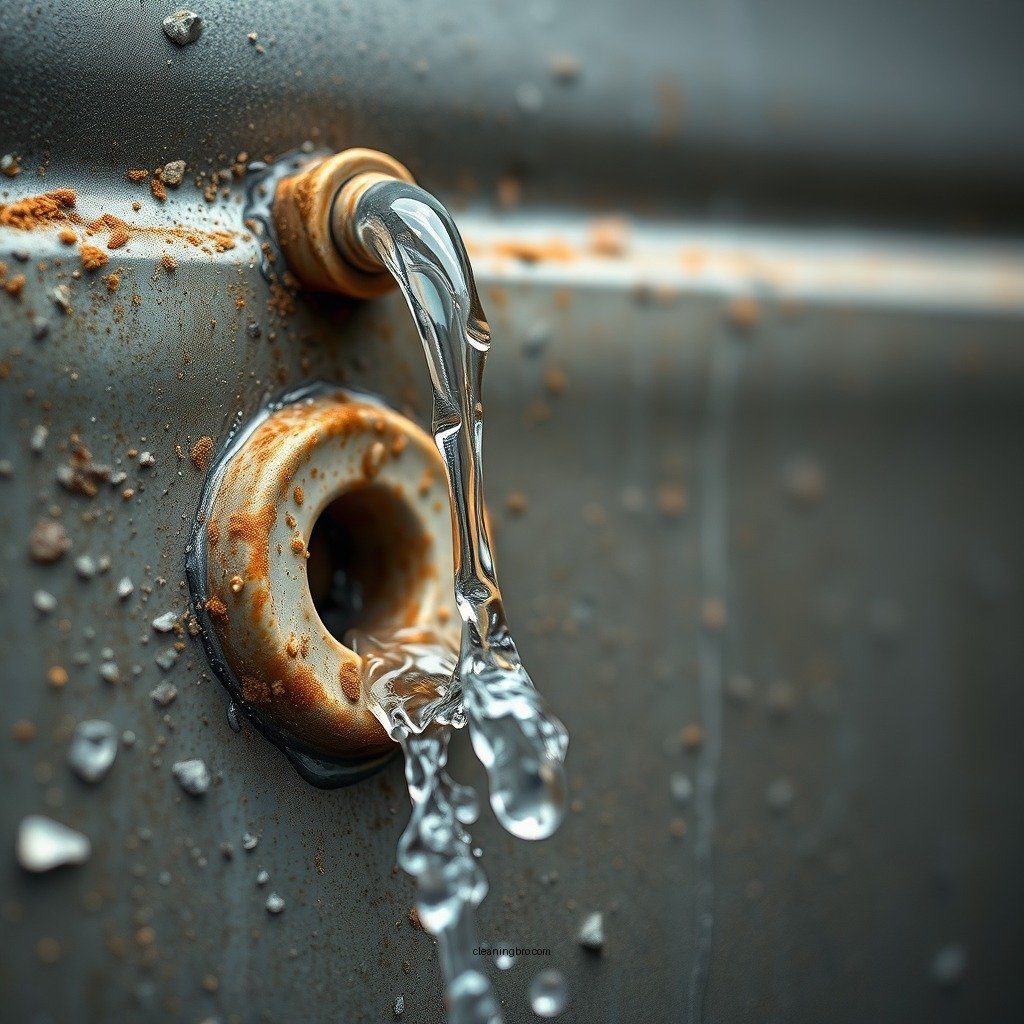
Draining your grey water tank is a critical first step in the cleaning process. Here’s a step-by-step guide to safely accomplish this task:
1. Turn Off the Pump: Ensure that any pumps connected to the tank are turned off to prevent accidental discharge.
2. Locate the Drain Valve: Identify the drain valve or outlet for your grey water tank. This is often located at the bottom of the tank.
3. Prepare a Drainage Hose: Connect a drainage hose to the drain valve, directing the water into a suitable disposal area, such as a designated grey water disposal site or a sewer connection.
4. Open the Valve: Slowly open the drain valve and allow the grey water to flow out completely. Monitor the process to ensure there are no leaks.
5. Close the Valve: Once fully drained, close the valve securely to prevent any accidental spills.
Proper disposal of grey water is crucial. Depending on local regulations, grey water may be reused for irrigation or must be disposed of in a municipal sewer system. Always check local guidelines to ensure compliance.
Cleaning Process
After successfully draining the tank, it’s time to clean it effectively. Here are some recommended cleaning agents and techniques:
– Eco-Friendly Disinfectants: Use biodegradable and eco-friendly cleaning agents that won’t harm beneficial bacteria in the tank. Vinegar and baking soda are excellent natural options.
– Scrubbing Techniques: Use long-handled brushes to scrub the interior walls and base of the tank, focusing on areas with visible buildup. For hard-to-reach spots, consider using a power washer if safe for the tank’s material.
– Rinsing: After scrubbing, rinse the tank thoroughly with clean water to remove any residue from the cleaning agents.
Implementing these techniques will not only clean the tank but also help in maintaining an optimal environment for the treatment of grey water.
Top 7 Grey Water Tank Cleaning Agents (2024)
| # | Cleaning Agent | Effectiveness | Environmental Impact | Cost (Approx.) |
|---|---|---|---|---|
| 1 | Vinegar | High | Low | $3.00 |
| 2 | Baking Soda | Moderate | Low | $1.50 |
| 3 | Eco-Friendly Detergents | High | Low | $5.00 |
| 4 | Hydrogen Peroxide | High | Moderate | $4.00 |
| 5 | Citrus-Based Cleaners | Moderate | Low | $6.00 |
| 6 | Oxygen Bleach | High | Moderate | $4.50 |
| 7 | Biodegradable Soaps | Moderate | Low | $3.50 |
Inspecting the Tank
Regular inspections of your grey water tank are vital for identifying wear and tear that can lead to bigger issues. Here are some signs to look out for:
– Cracks or Leaks: Examine the tank for any visible cracks or leaks that could result in water loss or contamination.
– Buildup of Sludge: A thick layer of sludge at the bottom is a sign that the tank needs urgent cleaning.
– Odors: Foul smells can indicate that the grey water is stagnating or that there is a buildup of harmful bacteria.
Conducting these inspections regularly can prevent significant issues and ensure the longevity of your grey water tank. Ideally, inspections should be performed at least once a year or more frequently if the system is heavily used.
Maintenance Tips
To maintain the efficiency of your grey water tank, consider the following best practices:
– Regular Cleaning: Clean the tank at least once every six months, or more frequently if you notice signs of buildup.
– Use Appropriate Cleaning Agents: Avoid harsh chemicals and opt for eco-friendly products that are safe for grey water systems.
– Monitor Water Usage: Keep track of your water usage to identify any sudden increases that may indicate a problem with the system.
By adhering to these regular maintenance tips, you can prolong the life of your grey water system, enhance its efficiency, and minimize the risk of costly repairs.
Troubleshooting Common Issues
Common issues with grey water systems include odors, clogs, and leaks. Here’s how to address these problems effectively:
– Odors: If you notice unpleasant smells, ensure that the tank is cleaned regularly, and check for any stagnant water. Adding a natural deodorizer can also help.
– Clogs: If water is not flowing freely, inspect the pipes for blockages. A plumbing snake can be used to clear minor clogs.
– Leaks: For leaks, inspect all connections and the tank itself. If cracks are found, they may need to be sealed with waterproof sealant or the tank may require replacement.
By being proactive and addressing these common issues promptly, you can maintain a healthy and efficient grey water system.
Regularly cleaning your grey water tank is crucial for keeping your system in top shape and preventing costly repairs. By following these steps, you’ll ensure that your grey water system remains efficient and sanitary. For further information, consider checking out guides on grey water recycling systems or consult a professional for specialized maintenance.
Frequently Asked Questions
What are the steps to clean a grey water tank effectively?
To clean a grey water tank effectively, first, drain the tank completely and disconnect it from the plumbing system. Next, use a mixture of hot water and a non-toxic cleaner or vinegar to scrub the interior surfaces, paying special attention to corners and fittings. Rinse thoroughly with clean water to remove any residue, and allow the tank to dry before reconnecting.
How often should I clean my grey water tank?
It is recommended to clean your grey water tank every three to six months, depending on the frequency of use and the types of waste processed. Regular cleaning helps prevent buildup and odors, ensuring the tank operates efficiently and maintaining the overall hygiene of your plumbing system.
Why is it important to maintain a clean grey water tank?
Maintaining a clean grey water tank is crucial to prevent clogs, unpleasant odors, and harmful bacteria growth. Regular cleaning helps prolong the life of the tank and ensures that your grey water system functions optimally, minimizing potential health risks associated with contaminated water.
What is the best cleaner to use for a grey water tank?
The best cleaners for a grey water tank are eco-friendly, non-toxic options such as vinegar, baking soda, or commercial biodegradable tank cleaners. These solutions effectively eliminate buildup and odors without harming the environment or your plumbing system, making them ideal for regular maintenance.
Which tools do I need to clean my grey water tank?
To clean your grey water tank, you will need a few essential tools, including a sponge or scrub brush, a bucket for the cleaning solution, and a hose for rinsing. Additionally, having gloves and a mask is advisable to protect yourself from any debris or odors while performing the cleaning process.
References
- https://www.epa.gov/watersense/water-efficient-landscaping
https://www.epa.gov/watersense/water-efficient-landscaping - https://www.who.int/news-room/questions-and-answers/item/drinking-water-greywater
https://www.who.int/news-room/questions-and-answers/item/drinking-water-greywater - https://www.ncbi.nlm.nih.gov/pmc/articles/PMC5430668/
https://www.ncbi.nlm.nih.gov/pmc/articles/PMC5430668/ - https://www.cdc.gov/healthywater/drinking/cleaning-greywater.html
https://www.cdc.gov/healthywater/drinking/cleaning-greywater.html - https://www.nature.com/articles/s41545-019-0077-2
https://www.nature.com/articles/s41545-019-0077-2 - https://www.britannica.com/science/grey-water
https://www.britannica.com/science/grey-water - Google Scholar Google Scholar
https://scholar.google.com/scholar?q=how+to+clean+grey+water+tank - Google Scholar Google Scholar
https://scholar.google.com/scholar?q=management+of+grey+water+treatment - Google Scholar Google Scholar
https://scholar.google.com/scholar?q=grey+water+recycling+systems - https://www.epa.gov/sites/default/files/2017-08/documents/greywater.pdf
https://www.epa.gov/sites/default/files/2017-08/documents/greywater.pdf