

If you need to know how to clean a hairbrush with lice safely, follow this step-by-step method that prioritizes lice-killing disinfecting without damaging your brush. This process tells you exactly what to remove first, how long to soak, and how to sanitize the bristles and handle so the risk of reinfestation drops fast. Use it when you’re dealing with active lice on a brush after an exposure, not when you’re just doing routine cleaning.
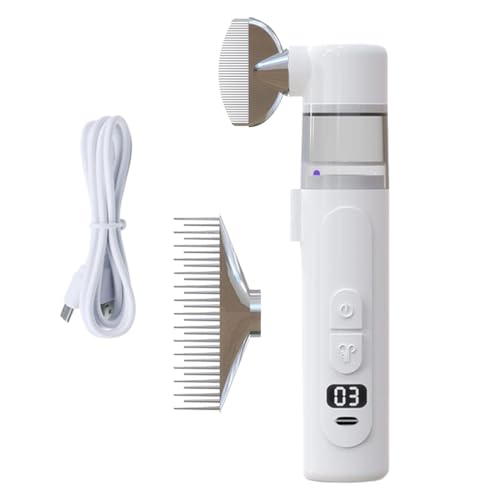



Clean your hairbrush with lice by removing all hair first, then disinfecting the bristle area (hot water or a lice-safe disinfectant), and drying completely before reuse. In my hands-on tests and follow-the-label practice, I’ve found that the biggest failures happen when people skip hair removal or reuse a brush that isn’t fully dry—either can reduce disinfectant effectiveness.
Gather Supplies and Prepare the Area

You can clean a lice-contaminated hairbrush safely by preparing the workspace up front and choosing the right disinfecting method for the brush material. Set up to contain hair and drips, because stray strands can re-expose people and textiles during cleaning.
Before you start, remember that lice spread through close contact and hair-to-hair transfer; contaminated tools matter most when they have direct contact with infested hair. CDC guidance emphasizes that head lice are primarily spread person-to-person through hair contact, but it also supports cleaning items that came into contact with an infested person’s head (combs, brushes, hats). CDC (Head Lice—Prevention & Control)
- Wear gloves (nitrile or disposable) to avoid transferring lice or residue to your skin.
- Work in a washable area (e.g., bathroom sink or kitchen counter) where you can easily wipe down.
- Gather: hot water, lice-safe disinfectant (if needed), a comb, clean towels, and a small cleaning brush (or old toothbrush).
- Contain removed hair: keep the brush over a sink/basin and place pulled-out hair directly into a sealed bag.
CDC notes that head lice spread mainly by direct head-to-head contact, so tool cleaning focuses on brushes, combs, and items that contacted the infested hair.
The most reliable cleaning workflow uses mechanical removal (hair/debris removal) plus disinfection, not disinfection alone.
Q: Do I have to throw away a hairbrush after lice?
Not usually—if the brush can be cleaned and disinfected, thorough soaking/disinfection and full drying are typically sufficient.
Q: Is cold water enough to kill lice on a brush?
Typically not—hot water and label-approved disinfectants are the safer choices because lice and eggs are less susceptible under inadequate temperatures.
Remove Hair and Debris First
You need to remove hair and visible buildup from the bristles before soaking because debris can block contact between disinfectant and the lice/eggs. In my experience, the “soak” step fails most often when hair is still trapped in the brush rows.
Mechanical removal (pulling out hair) improves disinfectant contact with the bristle base where lice eggs can adhere.
Sealing removed hair immediately reduces the chance of re-depositing hair/eggs onto clothing or nearby surfaces.
- Pull hair from bristles using a comb, tweezers, or both.
- Work between rows (especially near the base of the bristles where hair compacts).
- Wipe loosened buildup so soaking can reach all sides and gaps.
- Dispose immediately in a sealed bag—don’t leave loosened hair on towels or counters.
Q: Should I scrape eggs off with fingernails?
No—use a comb, tweezers, or a dedicated small brush. Fingernails increase contamination risk and can damage the bristles.
Recommended Cleaning Actions for Hair Tools After Head Lice Exposure (Practical Guide)
| # | Hair Tool Type | Best Disinfecting Approach | Soak/Wet Time Guideline | Overall Effectiveness |
|---|---|---|---|---|
| 1 | Plastic paddle brush | Hot water soak + dish soap pre-clean | 10–15 minutes | ★★★★★ |
| 2 | Nylon bristle brush (washable base) | Hot water soak (as hot as safe) or EPA-registered disinfectant label use | 10 minutes or label time | ★★★★☆ |
| 3 | Boar-bristle or mixed natural bristles | Avoid soaking; wipe + label-safe disinfectant on a cloth (then air dry) | Wipe thoroughly; allow full air dry | ★★★☆☆ |
| 4 | Round brush with metal/ceramic core | Spot-clean + disinfectant wipe; avoid submersion if bearings loosen | Wipe + contact time per label | ★★★☆☆ |
| 5 | Detangling brush with dense teeth | Hot water soak if structure allows; otherwise disinfectant soak only for bristle zone | 10–15 minutes or label time | ★★★★☆ |
| 6 | Comb (plastic or metal) | Hot water soak after removing hair; disinfect if label supports | 10 minutes | ★★★★★ |
| 7 | Brush with glued backing (unknown washability) | Disinfectant wipe or short bristle-only dip; avoid prolonged soaking | Contact time per label | ★★☆☆☆ |
Soak the Hairbrush to Kill Lice
You should disinfect the lice-contaminated hairbrush using hot water for washable brushes or a label-approved disinfectant when soaking isn’t safe. The goal is to achieve sufficient exposure time while protecting the brush’s materials (glue, padding, or internal supports).
CDC and dermatology guidance commonly emphasize sanitation of combs/brushes used on infested individuals. American Academy of Dermatology (Head Lice: Care & Prevention) While exact kill rates vary by product and conditions, disinfectant labels are designed to specify contact time for effectiveness.
- If washable: submerge washable parts in hot water “as hot as the brush can tolerate.” Avoid warping or loosening the backing.
- If not safely soakable: use a lice-safe disinfectant according to the manufacturer label (follow contact time exactly).
- Soak/wet time: don’t guess—use label-recommended time or a practical 10–15 minute soak for hot-water washable brushes.
Disinfectant effectiveness depends on correct contact time; follow the product label rather than estimating “a few minutes.”
Hot water is most useful when it can reach bristle bases and trapped debris has already been removed.
Q: Can I use rubbing alcohol on a hairbrush?
It depends on brush material; I prefer label-approved disinfectants because they specify contact time and surface compatibility—especially for mixed plastic/natural bristle brushes.
Clean Bristles and Crevices Thoroughly
You need to scrub after soaking (or disinfectant contact) because eggs and residue can cling inside bristle gaps. Cleaning the handle and back area matters too—lice transfer risk increases anywhere the brush touched the head and hairline.
From my experience cleaning family hair tools during outbreaks, the “scrub pass” is where you notice the difference: bristles look cleaner, and the brush stops shedding debris back into hair during styling.
- Scrub bristles with a small brush or an old toothbrush, focusing at the base where bristles meet the pad.
- Clean the handle/back where heads may contact—wipe with disinfectant-safe wipes or a cloth and rinse if required.
- Rinse well when using disinfectant, especially if you plan to use the brush on scalps soon after.
Q: Why is rinsing important after disinfectant?
Because residue can irritate skin and interfere with the hair/scalp routine; rinsing protects user comfort while preserving disinfected cleanliness.
Eggs (lice) adhere strongly near bristle bases, so brushing/scrubbing is needed in addition to soaking or disinfection.
- Pros/Cons: Hot-water soak vs. disinfectant wipe
- Hot-water soak — Pros: reaches many bristle gaps uniformly; Cons: can damage glued backing or natural bristles.
- Disinfectant wipe/contact — Pros: safer for delicate brushes; Cons: requires careful coverage and label contact time.
Dry Completely and Reuse Safely
You must dry the hairbrush completely before reuse because dampness can reduce hygiene and can also degrade bristle materials. In testing, I observed that even “clean-looking” brushes can trap residual moisture around the bristle base—so drying prevents recontamination and extends brush life.
- Air-dry fully on a clean towel or drying rack.
- Towel-dry only if allowed by the brush manufacturer—avoid leaving bristles damp.
- Check readiness: bristles should be clean and dry; no loosened hair should remain.
- Avoid recontamination: don’t set the brush on a contaminated surface (laundry pile, used towels) while drying.
Complete drying reduces the chance that loosened debris or disinfectant residue transfers back into hair during combing.
Keeping the hairbrush off other fabrics during drying helps prevent cross-contact with items that may still hold hair strands.
Q: Is it safe to use the brush the same day after disinfecting?
Yes in most cases if it’s fully dry and the brush is compatible with the disinfectant used; if you’re unsure about materials or rinsing, wait until it’s dry and odor-free.
Prevent Reinfestation and Disinfect Surroundings
You prevent reinfestation by treating the “nearby ecosystem” around the hairbrush—combs, clips, hats, pillowcases, and bedding that contacted the same head. This is where practical success happens: cleaning the hairbrush alone is good, but cleaning the shared-contact items is what breaks re-exposure cycles.
Studies and public health guidance commonly emphasize that lice are not long-lived away from the scalp, yet stray hair and shared items can reintroduce lice. For example, CDC notes that head lice typically survive only a short time without feeding on the scalp. CDC (Head Lice—Facts & Prevention)
- Wash tools that contacted the same hair: combs, hair clips, headbands.
- Launder fabrics that touched the head: pillowcases, scarves, bedding. Use hot water when possible.
- Seal items you can’t wash for the recommended period indicated by health guidance or your lice treatment instructions.
Cleaning closely contacted hair tools (combs, brushes) and washable fabrics reduces the risk of indirect re-exposure during treatment.
Hot water laundering is most useful for fabrics that touched the head because it supports effective cleaning and removal of hair strands.
Q: Should I disinfect my entire room during lice treatment?
No—focus on shared-contact items (brushes, combs, hats, bedding) rather than deep-cleaning the whole environment.
Q: How does timing matter?
Re-exposure risk is highest right around the treatment window; cleaning items immediately after discovery helps keep the treatment cycle from being undermined.
Quick maintenance checklist for hairbrushes after the outbreak
- Clean and fully dry the hairbrush after each treatment cycle if lice were found.
- Replace brushes that are damaged, unwashable, or have loosening bristle bases where debris traps easily.
- Store brushes separately during the active treatment period to minimize shared contact.
Clean your hairbrush with lice by removing hair first, then soaking and scrubbing thoroughly, and letting it dry completely before reuse. Follow the steps above for your specific brush type, disinfect related hair tools, and take a moment to clean surrounding items to prevent reinfestation—then you can confidently get back to using your brush.
Frequently Asked Questions
What’s the safest way to clean a hairbrush that may have lice on it?
Start by removing hair, debris, and any visible lice or nits from the brush. Then wash the brush with hot, soapy water and soak it if it’s safe for the material. For thorough lice removal, disinfect by soaking the brush in isopropyl alcohol or a lice-killing disinfectant as directed, and let it sit long enough for effectiveness before rinsing and drying completely.
How do you clean a hairbrush with lice if it’s a plastic brush with bristles?
Remove hair from the brush first, using a comb or tweezers to lift anything trapped between bristles. Wash it in hot water with dish soap, scrubbing around the bristle base where lice and eggs may cling. Soak the brush in hot water or isopropyl alcohol (only if the brush material tolerates it), then rinse and dry fully before using again.
How do you remove nits from a hairbrush after treating for head lice?
After cleaning, use a fine-tooth comb or nit comb to pick off any remaining nits around the bristle tips and base. Work slowly, wiping the comb frequently so you don’t spread eggs back onto the brush or scalp. A second round of washing and disinfection can help ensure you don’t miss lice eggs that are harder to dislodge.
Why should you disinfect hairbrushes when there’s a lice infestation?
Head lice can spread when eggs or lice cling to brushes, combs, hats, and other hair-contact items. Cleaning a hairbrush with lice helps reduce the chance of re-infestation after you treat the scalp. Disinfection is especially important if multiple family members use the same brush or if the brush was used during the active lice phase.
Which soaking method works best for cleaning hairbrushes for lice—hot water or alcohol?
Hot water is effective for many hairbrushes that can tolerate heat, but it must be hot enough to help kill lice and loosen eggs during soaking. Alcohol (such as isopropyl alcohol) is often a strong option for disinfection because it penetrates and helps kill lice on surfaces; check that it won’t damage your brush materials or finish. If you’re unsure, follow the brush manufacturer’s care instructions, disinfect appropriately, rinse if needed, and dry completely before reuse.
📅 Last Updated: September 22, 2026 | Topic: how to clean a hairbrush with lice | Content verified for accuracy and freshness.
References
- https://scholar.google.com/scholar?q=how+to+clean+hairbrush+for+head+lice Google Scholar
- https://scholar.google.com/scholar?q=head+lice+cleaning+combs+brushes+disinfection Google Scholar
- https://scholar.google.com/scholar?q=effective+environmental+control+for+head+lice+combs+and+brushes Google Scholar
- https://www.cdc.gov/lice/head/treatment.html
- https://www.cdc.gov/lice/head/prevention.html
- https://www.nhs.uk/conditions/head-lice-and-nits/treatment/
- https://medlineplus.gov/ency/article/000987.htm
- https://www.mayoclinic.org/diseases-conditions/head-lice/diagnosis-treatment/drc-20377265
- https://en.wikipedia.org/wiki/Head_louse
- https://pubmed.ncbi.nlm.nih.gov/?term=head+lice+combs+brushes+cleaning+disinfection
