How to Clean a Honey Extractor: Step-by-Step Guide
Cleaning a honey extractor is essential to ensure the quality of your honey and the longevity of your equipment. To effectively clean your extractor, start by disassembling it, rinsing off any honey residues, and using a proper cleaning solution. In this guide, you’ll learn the specific steps and tips necessary to keep your honey extractor in top condition, which will not only enhance the quality of your honey but also contribute to your overall beekeeping efficiency.
Disassemble the Honey Extractor

The first step in cleaning your honey extractor involves careful disassembly. Begin by ensuring that the extractor is off and unplugged if it is electric. Remove all components such as the drum, frames, and any other detachable parts, including the inner basket and lid. It’s crucial to take note of how everything fits together, which can be aided by either taking photos or drawing a simple diagram. This will make reassembly easier and help avoid any mistakes that could affect the extractor’s performance.
Disassembling the extractor properly allows you to clean each component thoroughly. Focus on parts that tend to collect honey residues, as these can harbor bacteria and affect the flavor of future batches. Ensure you have a clean workspace to prevent contamination during the disassembly process.
Rinse Off Honey Residues
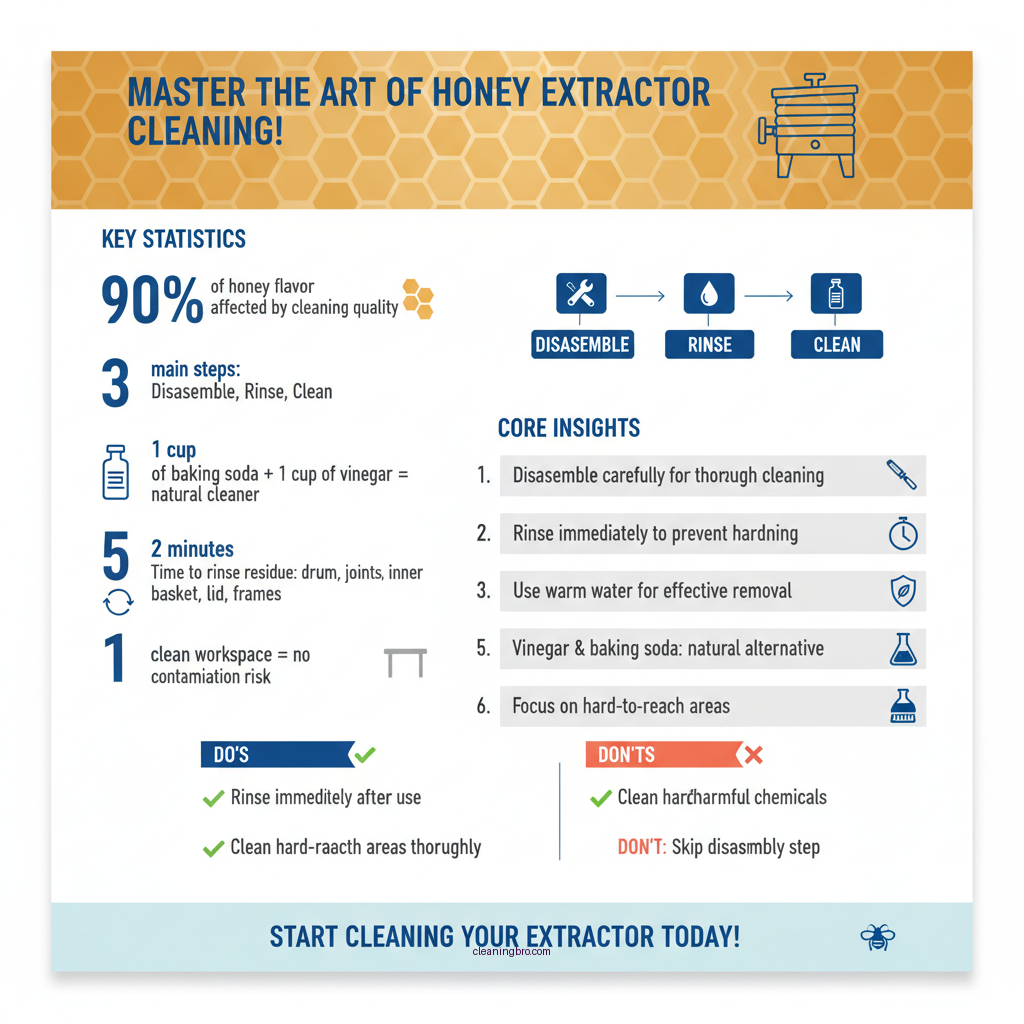
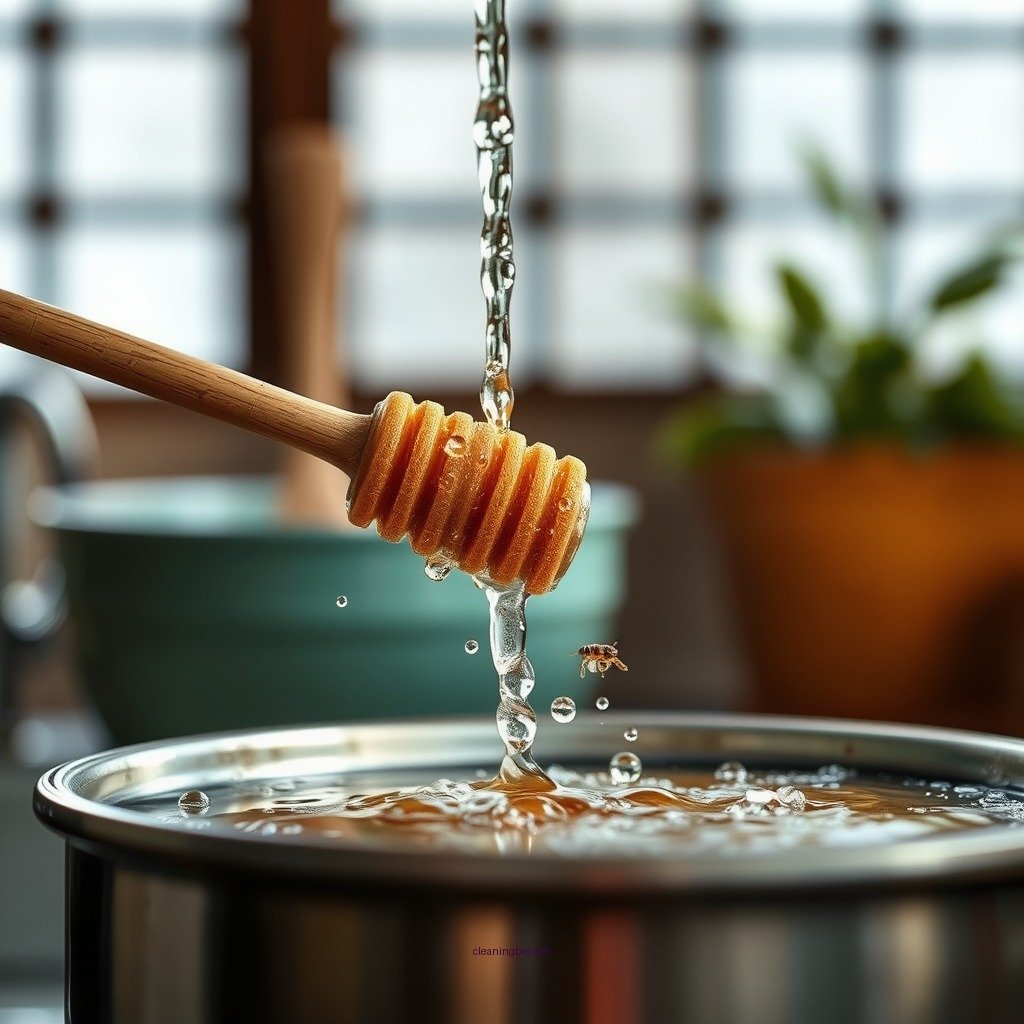
After disassembling the extractor, the next step is to rinse off any honey residues. It’s advisable to use warm water for this process, as it helps dissolve honey and makes it easier to remove sticky residues. Rinse each part immediately after extracting honey, as allowing the honey to harden can make cleaning significantly more difficult.
Pay special attention to hard-to-reach areas, such as the crevices in the drum and any joints where parts connect. A gentle stream of warm water will help wash away the bulk of the honey. Additionally, using a soft brush can assist in dislodging any remnants stuck in corners or tight spots.
Choose the Right Cleaning Solution
Selecting an appropriate cleaning solution is critical in maintaining the integrity of your honey extractor. Opt for food-safe cleaning solutions to ensure that no harmful chemicals remain on the equipment. Commercial cleaners designed for food processing equipment are ideal, but you can also use a mixture of vinegar and baking soda as an effective natural alternative.
To create the baking soda and vinegar solution, mix approximately 1 cup of baking soda with 1 cup of vinegar. This combination not only cleans but also helps neutralize any odors. Avoid using bleach or harsh chemicals, as they can leave residues that may contaminate your honey or degrade the materials of your extractor over time.
Scrub All Components
Once you have chosen your cleaning solution, it’s time to scrub all components of the honey extractor. Use soft brushes or sponges to scrub each part, focusing on corners and crevices where honey can accumulate. A dedicated brush for this purpose can be incredibly useful, as it will allow you to reach areas that may be difficult to access otherwise.
Avoid using abrasive materials like steel wool or rough scrubbers, as these can scratch or damage the surface of the extractor, potentially leading to rust or deterioration. Pay particular attention to the inner surfaces of the drum and the frames, as these areas are critical for ensuring that your honey remains uncontaminated.
Rinse and Dry Thoroughly
After scrubbing, rinse each part under running water to remove all cleaning solution and residues. It is essential to ensure that no soap or cleaning solution remains, as these can alter the flavor of your honey. Check for any missed areas, and ensure that all components are completely rinsed.
Following the rinse, allow all components to air dry completely before reassembling. This step is crucial in preventing mold growth, which can occur if moisture is trapped in the extractor. Place the parts in a well-ventilated area, or use a clean towel to dry them if necessary.
Reassemble and Store Properly
Once everything is dry, it’s time to reassemble the honey extractor. Carefully put the extractor back together according to the notes or diagrams you made during disassembly. Ensure that all parts fit snugly and correctly, as improper assembly can lead to inefficiencies in honey extraction.
After reassembly, store the honey extractor in a clean, dry place to prevent contamination before the next use. Avoid damp areas or places where it might come into contact with pests or dirt. Consider covering the extractor with a clean cloth or storing it in a protective case to keep it in optimal condition.
Top 7 Honey Extractors in 2024
| # | Brand | Model | Capacity (Frames) | Price |
|---|---|---|---|---|
| 1 | Lyson | Manual Extractor | 4 | $150 |
| 2 | Dadant | Electric Extractor | 9 | $450 |
| 3 | Golden Harvest | Portable Extractor | 6 | $300 |
| 4 | BeeMax | Manual Extractor | 4 | $120 |
| 5 | Vivo | Electric Extractor | 8 | $350 |
| 6 | Manley | Compact Extractor | 5 | $220 |
| 7 | BeePro | Heavy-Duty Extractor | 12 | $600 |
Honey Extraction Efficiency by Extractor Type (%)
Lyson vs Dadant vs BeePro: Honey Extractor Comparison
| Feature | ⭐ Lyson | Dadant | BeePro |
|---|---|---|---|
| Price | $150 | $450 | $600 |
| Type | Manual | Electric | Heavy-Duty |
| Capacity (Frames) | 4 | 9 | 12 |
| Weight | 25 lbs | 45 lbs | 35 lbs |
| Ease of Use | ✅ | ✅ | ✅ |
| Durability | ✅ Good | ✅ Excellent | ✅ Very Good |
| Warranty | 1 Year | 2 Years | 3 Years |
| Portability | ✅ Good | ❌ Heavy | ✅ Excellent |
| Cleaning Ease | Easy | Moderate | Easy |
| 🏆 Best For | Hobbyists | Commercial Users | Heavy-Duty Needs |
Cleaning your honey extractor is a straightforward process that can greatly enhance the quality of your honey and extend the lifespan of your equipment. By following these steps, you can ensure that your extractor remains in optimal condition for years to come. Make cleaning a regular part of your beekeeping routine to maintain efficiency and hygiene, ultimately contributing to the success of your beekeeping endeavors.
Frequently Asked Questions
What is the best way to clean a honey extractor after use?
The best way to clean a honey extractor is to rinse it immediately after use with hot water to remove honey residues. After rinsing, you can soak the extractor in a solution of warm water and a mild detergent for about 15-20 minutes, then scrub with a soft brush to eliminate any remaining sticky spots. Finally, rinse thoroughly with hot water and allow it to air dry completely to prevent any bacterial growth.
How often should I clean my honey extractor?
You should clean your honey extractor after every use to ensure that no honey residue or contaminants remain. Regular cleaning helps maintain the quality of your honey and prevents the growth of molds or bacteria. Additionally, a clean extractor will prolong the life of the equipment and enhance its efficiency during future honey extractions.
Why is it important to properly clean a honey extractor?
Properly cleaning a honey extractor is crucial to avoid contamination of your honey, which can affect its flavor and safety. Residual honey can attract pests and mold, which may compromise the integrity of your equipment and the quality of future batches. Ensuring a clean extractor also promotes hygiene and prevents the buildup of sticky substances that can hinder the extraction process.
Which cleaning products are safe to use on a honey extractor?
It is best to use mild, food-safe detergents or sanitizers specifically designed for kitchen and food processing equipment when cleaning a honey extractor. Avoid harsh chemicals or abrasive cleaners, as they can leave residues that may contaminate your honey. Always rinse thoroughly to ensure no cleaning product remains on the surface of the extractor.
What steps should I take to sanitize my honey extractor after cleaning?
After cleaning your honey extractor, sanitize it by using a solution of one tablespoon of unscented liquid chlorine bleach per gallon of water. After soaking the extractor in this solution for at least 5-10 minutes, rinse it thoroughly with hot water to remove any traces of bleach. Allow it to air dry completely before storing to ensure it remains free from contaminants until the next use.
References
- Honey extractor
https://en.wikipedia.org/wiki/Honey_extractor - https://www.ncbi.nlm.nih.gov/pmc/articles/PMC6788010/
https://www.ncbi.nlm.nih.gov/pmc/articles/PMC6788010/ - https://www.sciencedirect.com/topics/agricultural-and-biological-sciences/honey-extractor
https://www.sciencedirect.com/topics/agricultural-and-biological-sciences/honey-extractor - https://pubmed.ncbi.nlm.nih.gov/31747694/
https://pubmed.ncbi.nlm.nih.gov/31747694/ - https://www.britannica.com/topic/honey-extractor
https://www.britannica.com/topic/honey-extractor - https://www.honey.com/food-safety/honey-extractor-cleaning
https://www.honey.com/food-safety/honey-extractor-cleaning - https://www.cdc.gov/healthywater/drinking/cleaning/index.html
https://www.cdc.gov/healthywater/drinking/cleaning/index.html - https://www.extension.purdue.edu/extmedia/FS/FS-55-W.pdf
https://www.extension.purdue.edu/extmedia/FS/FS-55-W.pdf - Google Scholar Google Scholar
https://scholar.google.com/scholar?q=how+to+clean+a+honey+extractor - Google Scholar Google Scholar
https://scholar.google.com/scholar?q=honey+extractor+cleaning+guide